Micro-LED Displays: The Future of US Mobile Screens by 2029
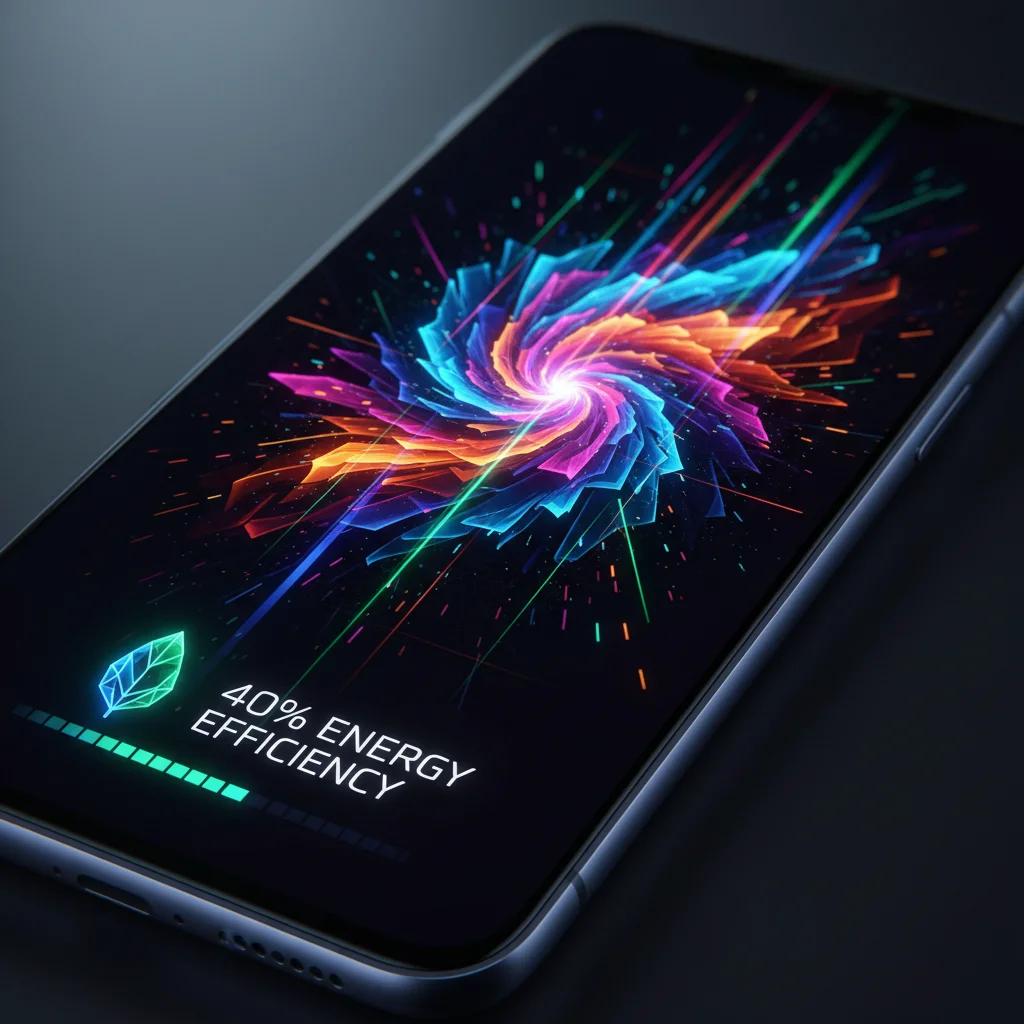
Micro-LED Displays: Why This New Tech Will Dominate US Mobile Screens by 2029, Offering 40% Better Efficiency
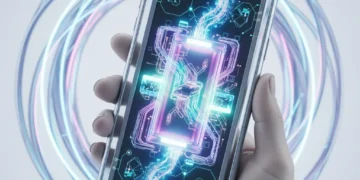
The world of mobile technology is in a constant state of flux, with advancements pushing the boundaries of what our devices can do. Among the most exciting and transformative innovations on the horizon are Micro-LED displays. These tiny, self-emissive diodes are set to revolutionize how we interact with our smartphones, tablets, and wearables, promising a future where our screens are brighter, more vibrant, and astonishingly more efficient. By 2029, experts predict that Micro-LED mobile screens will not just be a niche luxury, but a dominant force in the US mobile market, fundamentally altering the user experience.
For years, OLED (Organic Light Emitting Diode) technology has reigned supreme in the premium mobile display segment, lauded for its deep blacks, infinite contrast, and vibrant colors. However, OLED comes with its own set of limitations, including susceptibility to burn-in, lower peak brightness compared to traditional LCDs, and a generally higher power consumption than what Micro-LED promises. This is where Micro-LED steps in, offering a compelling alternative that addresses these drawbacks and introduces a host of new benefits.
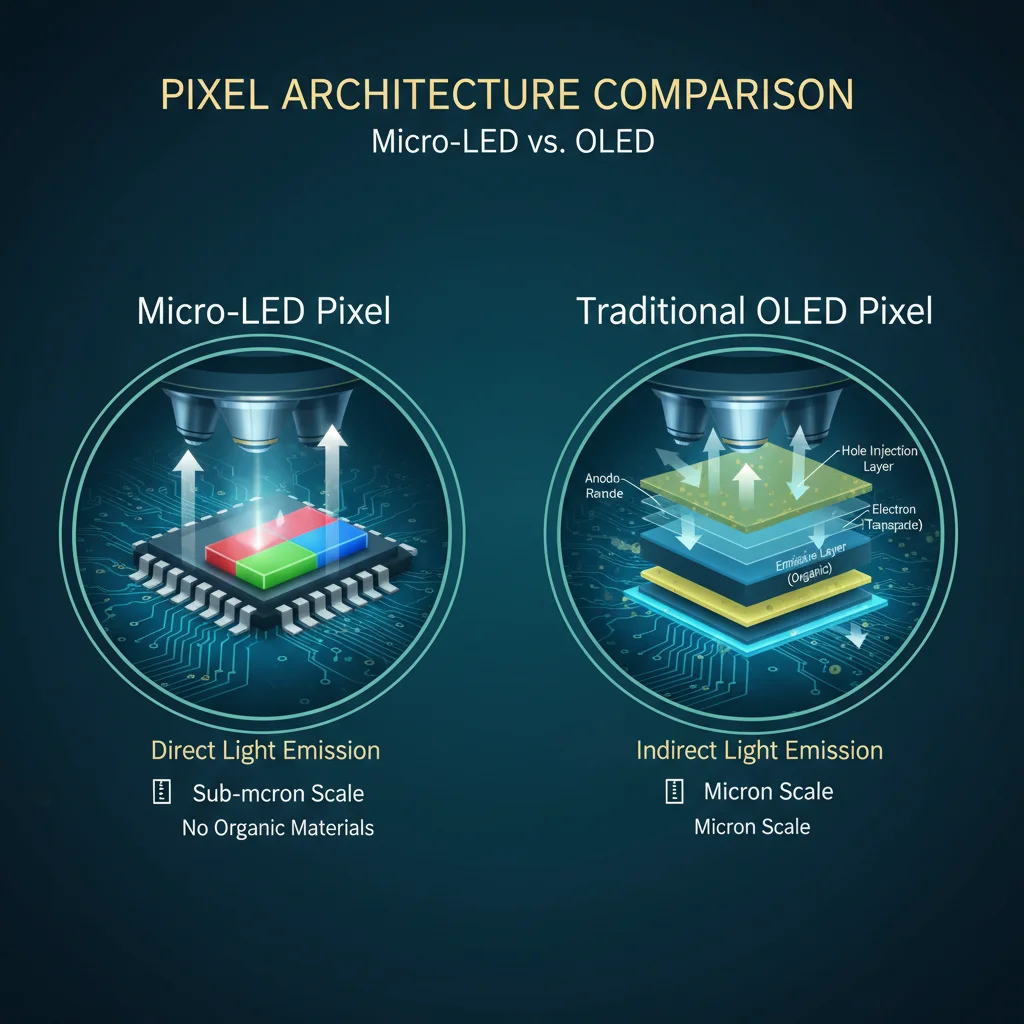
The core of Micro-LED technology lies in its incredibly small, inorganic LED pixels. Unlike OLED, which uses organic compounds that degrade over time, Micro-LEDs are made from inorganic gallium nitride, making them far more durable and resistant to burn-in. Each pixel is an individual light source, offering precise control over brightness and color at a granular level. This fundamental difference is what allows Micro-LED to achieve superior performance characteristics that are simply out of reach for current display technologies. The promise of a 40% better efficiency is not just a marketing claim; it’s a technological leap that will have tangible impacts on battery life and device longevity, making Micro-LED mobile screens a game-changer.
Understanding the Micro-LED Advantage: Beyond Just Brighter Screens
When we talk about the advantages of Micro-LED displays, it extends far beyond merely offering brighter screens. While superior brightness is certainly a key feature, the true power of this technology lies in its holistic improvement across multiple critical display metrics. Let’s delve into what makes Micro-LED a superior choice for the next generation of mobile devices.
Unmatched Energy Efficiency: A 40% Leap
One of the most significant benefits of Micro-LED mobile screens, and a primary driver for their anticipated dominance by 2029, is their exceptional energy efficiency. Compared to OLED, Micro-LED displays are projected to offer up to 40% better efficiency. This staggering improvement stems from several factors. Firstly, each Micro-LED pixel is an individual, inorganic light source. This means light is generated directly at the pixel level, eliminating the need for backlights or color filters that waste energy in traditional LCDs. Secondly, unlike OLED, which uses organic materials that require more power to achieve higher brightness levels, Micro-LEDs are inherently more efficient at converting electrical energy into light. This translates directly into longer battery life for your mobile devices, a critical factor for consumers who are constantly seeking to extend the usage time of their smartphones and wearables.
Superior Brightness and Contrast
Micro-LED technology allows for significantly higher peak brightness levels than OLED, making screens more legible in bright outdoor conditions and enhancing HDR (High Dynamic Range) content. This increased brightness does not come at the expense of contrast; in fact, Micro-LEDs offer true blacks, just like OLED, because individual pixels can be completely turned off. The combination of high brightness and perfect blacks results in an astonishing contrast ratio that delivers incredibly vivid and lifelike images. Imagine watching a movie or browsing photos on a screen where every detail, from the darkest shadows to the brightest highlights, is rendered with stunning clarity and depth.
Enhanced Durability and Longevity
As mentioned, Micro-LEDs are made from inorganic materials, specifically gallium nitride. This makes them inherently more robust and less susceptible to degradation over time compared to the organic compounds used in OLEDs. The dreaded ‘burn-in’ phenomenon, where static images leave permanent ghosting on OLED screens, is virtually eliminated with Micro-LED. This increased durability means that devices equipped with Micro-LED mobile screens will have a longer lifespan, reducing the need for frequent replacements and offering better long-term value to consumers. For manufacturers, this also translates to fewer warranty claims and a more reliable product.
Faster Response Times and Wider Viewing Angles
Micro-LED pixels can switch on and off incredibly quickly, resulting in ultra-fast response times. This is particularly beneficial for fast-paced content like gaming and virtual reality (VR) applications, where quick pixel transitions are crucial for a smooth and immersive experience. Furthermore, Micro-LED displays offer exceptionally wide viewing angles, ensuring that colors and brightness remain consistent regardless of how you hold your device or view the screen. This is a significant improvement over some display technologies that suffer from color shift or dimming when viewed off-axis.
The Road to Dominance: Overcoming Manufacturing Hurdles
While the advantages of Micro-LED mobile screens are compelling, their widespread adoption hasn’t been instantaneous. The primary challenge has been in the manufacturing process, specifically the incredibly complex task of ‘mass transferring’ millions of microscopic LEDs onto a substrate with extreme precision. Each Micro-LED is typically less than 100 micrometers (0.1 mm) wide, and a full HD mobile screen can contain over two million of these tiny lights. The process of picking up and placing these individual LEDs with perfect alignment and without defects has been a significant engineering hurdle.
The Evolution of Mass Transfer Technology
Early mass transfer techniques were slow, expensive, and prone to defects, making Micro-LED displays economically unviable for mass-market mobile devices. However, significant progress has been made in recent years. Companies are investing heavily in developing advanced mass transfer solutions, including electrostatic transfer, laser-based transfer, and fluidic self-assembly. These innovations are dramatically improving yield rates and reducing manufacturing costs, bringing Micro-LED closer to commercial viability for smaller screens.
For instance, some techniques involve using elastomeric stamps to pick up and place thousands of Micro-LEDs simultaneously. Other approaches leverage precise laser ablation to separate and transfer individual LEDs. The integration of artificial intelligence and robotics in these manufacturing lines is further enhancing precision and speed, paving the way for the high-volume production required to meet the demands of the mobile market. The increasing maturity of these manufacturing processes is a key reason why the prediction of Micro-LED dominance by 2029 is becoming increasingly realistic.
Cost Reduction Strategies
Another aspect of overcoming manufacturing hurdles is the drive for cost reduction. As production scales up and new techniques become more efficient, the per-unit cost of Micro-LED displays is expected to drop significantly. This includes not only the cost of the LEDs themselves but also the cost of the driver integrated circuits and the bonding processes. Furthermore, research into alternative materials and fabrication methods is ongoing, aiming to further streamline production and reduce the overall expense of Micro-LED mobile screens. The goal is to reach a price point that makes Micro-LED competitive with, and eventually superior to, OLED in the premium and even mid-range mobile segments.
Impact on Consumer Experience: What 40% Better Efficiency Means for You
The technical specifications of Micro-LED are impressive, but what do they actually mean for the everyday user? The impact on the consumer experience will be profound, particularly with the promised 40% better efficiency and other performance enhancements. This isn’t just about incremental improvements; it’s about a fundamental shift in how we interact with and perceive our mobile devices.
Extended Battery Life: Powering Your Day
The most immediate and noticeable benefit for consumers will be significantly extended battery life. A 40% improvement in display efficiency means your phone can last much longer on a single charge. Imagine a full day of heavy usage – gaming, streaming, video calls, navigation – without needing to reach for a charger. This is a game-changer for productivity, convenience, and peace of mind. For travelers, busy professionals, and anyone who relies heavily on their mobile device, this efficiency boost will be invaluable.
Unprecedented Visuals: A Feast for the Eyes
The combination of higher brightness, perfect blacks, and exceptional contrast will deliver a visual experience unlike anything currently available on mobile devices. Colors will pop with incredible vibrancy, details will be sharper, and HDR content will truly come alive. This will enhance everything from watching movies and TV shows to browsing photos, playing games, and even simply reading text. The clarity and realism offered by Micro-LED mobile screens will make every interaction more engaging and immersive.
Enhanced Outdoor Visibility and Durability
Struggling to see your phone screen in direct sunlight will become a thing of the past. The superior brightness of Micro-LEDs will ensure excellent readability even in the brightest outdoor environments. Coupled with their inherent durability and resistance to burn-in, Micro-LED displays will make our mobile devices more robust and dependable. This means less worry about screen damage and a longer-lasting device that maintains its pristine visual quality over years of use.
New Possibilities for Form Factors and Innovation
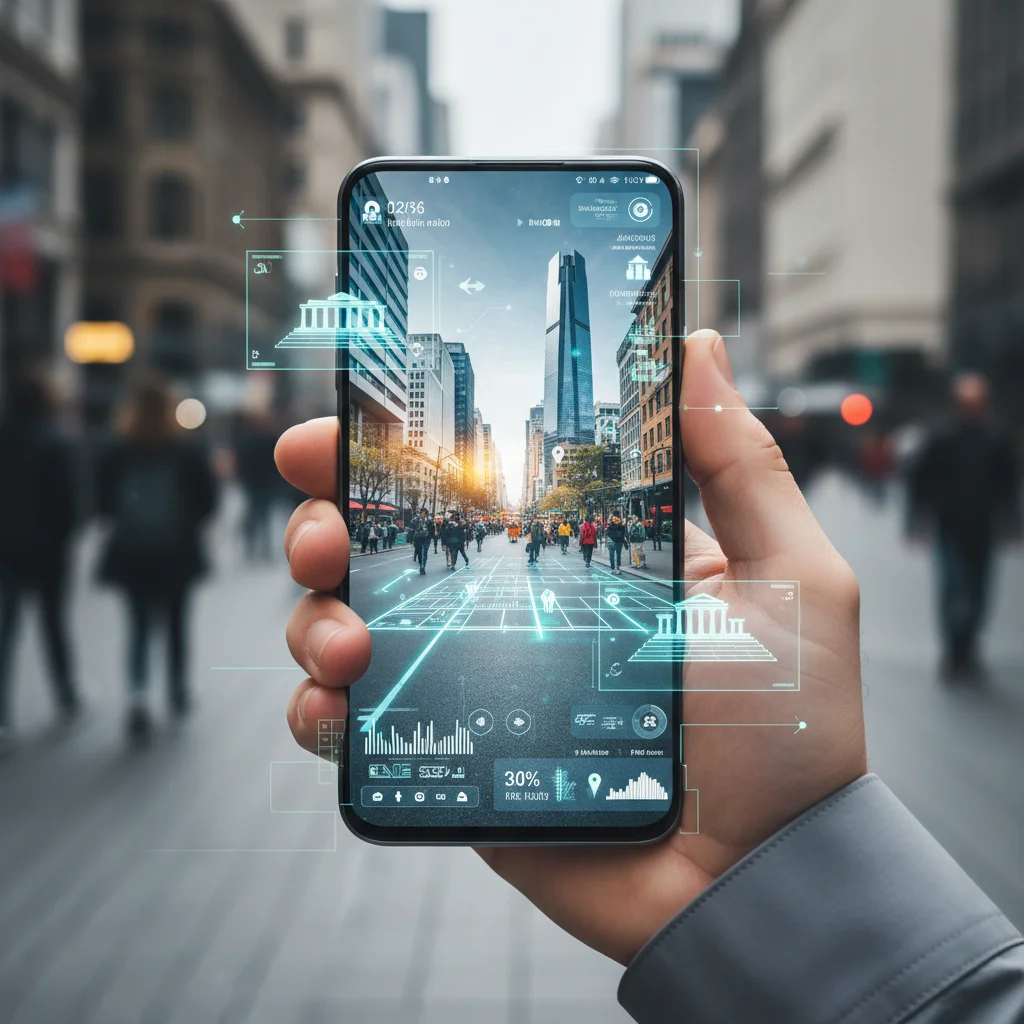
The compact nature and modularity of Micro-LEDs could also open up new possibilities for mobile device design. Thinner, lighter devices with more flexible form factors might become more feasible. Furthermore, the high brightness and fast response times make Micro-LED ideal for augmented reality (AR) and virtual reality (VR) applications, potentially leading to more immersive and comfortable mobile AR/VR experiences. Imagine lightweight AR glasses powered by efficient Micro-LED projectors that seamlessly blend digital information with the real world.
Key Players and Market Trajectory Towards 2029
The race to commercialize Micro-LED mobile screens is heating up, with several major technology companies and display manufacturers making significant investments. While Samsung and Apple have been at the forefront of Micro-LED development for larger displays and smartwatches respectively, their focus is increasingly shifting towards bringing this technology to smartphones.
Industry Leaders Paving the Way
Samsung, a dominant force in display technology, has been a key driver in Micro-LED research and development. While their initial products have focused on large-format TVs, their expertise in display manufacturing positions them well for scaling down the technology for mobile applications. Apple is also heavily invested, having acquired Micro-LED startup LuxVue Technology years ago, signaling their long-term commitment to the technology. Other players like LG Display, BOE, and AU Optronics are also actively pursuing Micro-LED development, recognizing its potential to be the next generation display standard.
The increasing number of patents filed in Micro-LED technology, coupled with the establishment of dedicated research and production facilities, indicates a strong industry-wide push. This collective effort is accelerating the pace of innovation and helping to overcome the remaining technical and manufacturing challenges.
Projected Market Penetration by 2029
Market analysts predict a gradual but accelerating adoption of Micro-LED mobile screens. Initially, the technology is expected to appear in high-end flagship smartphones and premium wearables, where the benefits of superior performance and durability can justify the higher initial cost. As manufacturing processes mature and costs decrease, Micro-LED will trickle down to more mainstream devices. By 2029, with significant improvements in yield rates and economies of scale, it’s highly plausible that Micro-LED will become the dominant display technology in the US mobile market, especially in the mid-to-high-end segments.
The transition won’t be overnight, and OLED will likely continue to hold a strong market share for some time. However, the superior efficiency, longevity, and visual performance of Micro-LED will create a compelling value proposition that consumers and manufacturers alike will find hard to ignore. The 40% better efficiency alone is a powerful incentive for device makers looking to differentiate their products and offer a superior user experience.
Challenges Ahead: Miniaturization and Integration
Despite the rapid progress, several challenges remain before Micro-LED mobile screens can achieve ubiquitous adoption. The sheer scale of miniaturization required for smartphone displays presents unique engineering hurdles. While Micro-LEDs are already incredibly small, integrating millions of them into a compact, thin mobile device requires breakthroughs in several areas.
Pixel Density and Resolution
Achieving the high pixel densities (PPI – pixels per inch) demanded by modern smartphone screens with Micro-LEDs is a significant challenge. As pixels get smaller, the complexity of precisely placing them and connecting them electrically increases exponentially. Research is ongoing to develop even smaller Micro-LEDs and more advanced driver circuitry that can handle the immense data throughput required for high-resolution displays without consuming excessive power.
Color Uniformity and Calibration
Ensuring perfect color uniformity across millions of individual Micro-LEDs is another complex task. Even slight variations in the manufacturing process can lead to noticeable color shifts or inconsistencies on the screen. Sophisticated calibration techniques and advanced algorithms are being developed to compensate for these variances, ensuring a consistent and accurate color reproduction across the entire display. This is crucial for maintaining the premium visual experience that Micro-LED promises.
Integration with Touch and Sensors
Modern mobile screens are not just visual output devices; they integrate touch sensors, in-display fingerprint scanners, ambient light sensors, and sometimes even front-facing cameras. Seamlessly integrating these components with Micro-LED technology without compromising display quality or increasing thickness is an ongoing area of research. Innovations in transparent electrodes and under-display sensor technologies will be vital for a fully integrated Micro-LED mobile screen experience.
Cost-Effectiveness for All Segments
While costs are decreasing, making Micro-LED truly cost-effective for all mobile segments, including budget-friendly smartphones, will require further breakthroughs in manufacturing efficiency and material science. The ultimate goal is to make Micro-LED technology accessible to a wider audience, democratizing its benefits and ensuring its long-term dominance in the mobile display market.
The Future is Bright: A Glimpse Beyond 2029
Looking beyond 2029, the potential of Micro-LED mobile screens extends even further. Once established in smartphones and wearables, the technology is poised to drive innovation in other areas. Imagine transparent Micro-LED displays, flexible and rollable screens that defy current design limitations, or even truly seamless integration into smart surfaces and environments.
The inherent modularity of Micro-LEDs could lead to displays that can be customized in size and shape more easily than current technologies. This could enable highly personalized mobile devices or even dynamic, adaptive screens that change their form factor based on the user’s needs. The combination of high efficiency and superior visual performance also makes Micro-LED ideal for next-generation augmented reality glasses, offering crisp, bright overlays without the bulk and power consumption of current solutions.
The journey of Micro-LED from laboratory concept to mass-market dominance is a testament to relentless innovation and engineering prowess. As the challenges of manufacturing are steadily overcome, the promise of Micro-LED mobile screens – with their 40% better efficiency, breathtaking visuals, and unmatched durability – is becoming a tangible reality. By 2029, it’s not just a possibility, but a strong likelihood that your next mobile device will be powered by the revolutionary brilliance of Micro-LED.