Wearable Tech Evolution: Smart Devices & Health Monitoring 2026
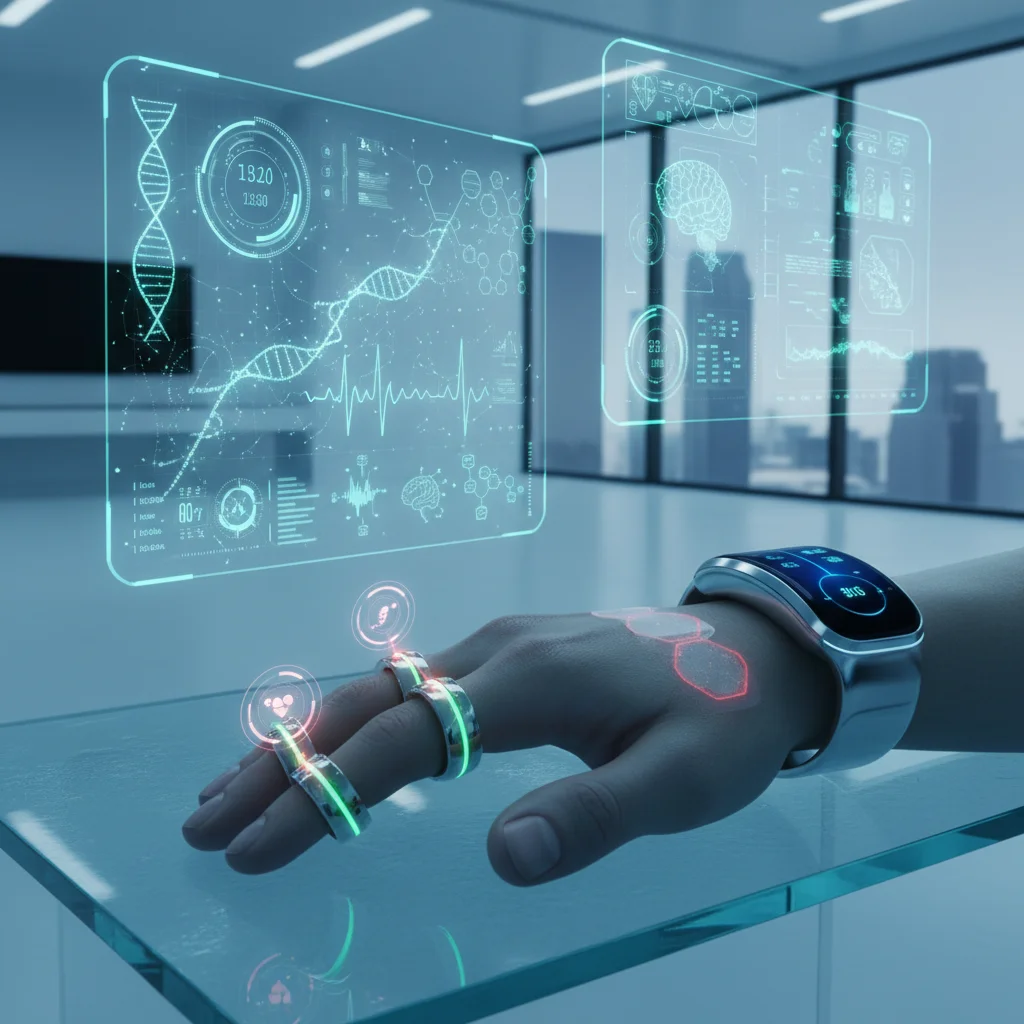
The landscape of personal technology is constantly shifting, and few sectors exemplify this dynamism as profoundly as wearable devices. What began as simple pedometers has blossomed into a sophisticated ecosystem of smart gadgets capable of monitoring an astonishing array of health metrics. As we look towards 2026, the wearable tech evolution is not just continuing; it’s accelerating, promising even more integrated, predictive, and personalized health management tools. This article delves into the cutting-edge advancements, comparing three leading smart devices and their unparalleled health monitoring capabilities that are set to define the future of personal wellness.
The convergence of artificial intelligence, advanced sensor technology, and miniaturization has propelled wearables beyond mere fitness trackers. Today, these devices are becoming proactive health companions, offering insights that were once only available through clinical visits. From continuous glucose monitoring to sophisticated sleep analysis and early detection of cardiac anomalies, the potential for these devices to transform healthcare is immense. Understanding the nuances of these technologies is crucial for anyone looking to leverage the power of personal health data effectively.
The Rapid Ascent of Wearable Health Technology
The journey of wearable technology has been nothing short of remarkable. From basic step counts to comprehensive physiological tracking, each year brings new breakthroughs. The early 2020s saw significant improvements in accuracy and battery life, making daily wear more practical. Now, as we approach 2026, the focus has shifted towards actionable insights, predictive analytics, and seamless integration with broader healthcare systems. The wearable tech evolution is no longer just about data collection; it’s about data interpretation and intervention.
One of the primary drivers behind this rapid ascent is the increasing awareness and demand for personalized health information. Consumers are no longer content with generic health advice; they want data tailored to their unique physiology and lifestyle. Wearable devices provide this granular level of insight, empowering individuals to take a more active role in their health management. This shift has also put pressure on manufacturers to innovate rapidly, leading to a highly competitive market where differentiation is key.
Furthermore, the COVID-19 pandemic highlighted the importance of remote health monitoring and the potential of wearables to track vital signs and detect early signs of illness. This accelerated research and development in areas like temperature sensing, blood oxygen monitoring, and even stress detection, pushing the boundaries of what these compact devices can achieve. The regulatory landscape is also evolving, with more devices seeking and receiving medical certifications, further solidifying their role in mainstream healthcare.
Key Health Monitoring Capabilities in 2026
By 2026, the standard for health monitoring in wearable devices will be significantly elevated. Expect these core functionalities to be not just common, but highly refined and integrated:
- Advanced Heart Rate Variability (HRV) Analysis: Beyond simple heart rate, HRV will offer deeper insights into stress levels, recovery, and overall autonomic nervous system health. Devices will provide personalized recommendations for stress reduction and optimal training.
- Continuous Blood Glucose Monitoring (CGM) Integration: Non-invasive or minimally invasive CGM technology will become more prevalent, allowing individuals with diabetes, or those seeking to optimize metabolic health, to track glucose levels in real-time and understand the impact of diet and activity.
- Comprehensive Sleep Stage Tracking and Intervention: Expect more accurate differentiation between sleep stages (REM, deep, light) and sophisticated algorithms that not only identify sleep disturbances but also offer personalized interventions, such as guided meditations or smart environment adjustments.
- Early Disease Detection through Biomarker Monitoring: Wearables will start incorporating more advanced sensors for detecting various biomarkers, potentially providing early warnings for conditions like infections, inflammation, or even certain cardiac issues before symptoms become apparent.
- Stress and Mental Health Tracking with Biofeedback: Devices will move beyond just identifying stress to offering real-time biofeedback and guided exercises to help users manage stress and improve mental well-being. This could include breathwork, mindfulness prompts, and even cognitive behavioral therapy (CBT) inspired interventions.
- Precision Activity Tracking with Biomechanical Analysis: Beyond steps and calories, wearables will offer insights into gait, posture, and exercise form, helping prevent injuries and optimize athletic performance.
- Body Composition Analysis: More advanced devices will integrate bioelectrical impedance analysis (BIA) or similar technologies to provide estimates of body fat, muscle mass, and hydration levels directly from the wrist or other contact points.
These capabilities, when combined, create a powerful personal health dashboard that is always with you, constantly learning and adapting to your physiological needs. The wearable tech evolution is fundamentally shifting the paradigm from reactive healthcare to proactive wellness management.
Comparing 3 Leading Smart Devices and Their Health Monitoring Capabilities for 2026
Let’s dive into a comparative analysis of three hypothetical, yet highly plausible, leading smart devices in 2026, showcasing their distinct approaches to health monitoring. While specific brand names are not used, these represent the cutting edge of what the market will offer.
Device A: The Holistic Health Companion Smartwatch
This flagship smartwatch represents the pinnacle of integrated health monitoring, designed for the user who wants an all-encompassing view of their well-being. Its design is sleek, with an emphasis on continuous wear and robust data collection.
Key Health Monitoring Features:
- Advanced ECG & Blood Pressure Monitoring: Features a medical-grade ECG sensor capable of detecting atrial fibrillation and other arrhythmias with high accuracy. Additionally, it integrates a cuff-less blood pressure monitoring system that uses optical sensors and AI algorithms, providing continuous readings throughout the day. This data is clinically validated and can be directly shared with healthcare providers.
- Non-Invasive Continuous Glucose Monitoring (CGM): A revolutionary feature, this smartwatch incorporates a non-invasive sensor that uses spectral analysis to estimate blood glucose levels, offering real-time insights without the need for finger pricks or implanted sensors. This is particularly transformative for diabetes management and metabolic health optimization.
- Comprehensive Sleep Architecture & Respiratory Health: Beyond basic sleep stages, it maps micro-awakenings, sleep onset latency, and even detects early signs of sleep apnea through advanced respiratory rate monitoring and blood oxygen saturation (SpO2) tracking. It provides personalized recommendations for improving sleep quality based on environmental factors and daily activities.
- Stress & Mental Resilience Index: Utilizes HRV, skin conductance, and even vocal tone analysis (via integrated microphone for consented use) to provide a real-time stress index. It offers guided breathing exercises, mindfulness prompts, and integrates with mental health coaching apps to build resilience.
- Body Composition & Hydration: Through advanced bioelectrical impedance analysis (BIA) integrated into the watch casing, it estimates body fat percentage, muscle mass, and hydration levels, giving a more complete picture of physical health beyond just weight.
- Environmental Health Tracking: Monitors air quality (VOCs, particulate matter), UV exposure, and even noise levels, providing warnings and recommendations for healthier living environments.
User Experience & Integration:
The Holistic Health Companion Smartwatch boasts an intuitive interface with customizable dashboards. Its AI-powered health assistant provides proactive alerts and personalized recommendations, such as suggesting a walk after a meal to manage blood sugar, or recommending a meditation session during periods of high stress. Data is securely stored and can be easily shared with medical professionals through encrypted platforms, facilitating remote consultations and personalized care plans. Its long-lasting battery life (up to 7 days on a single charge) ensures continuous monitoring without frequent interruptions.
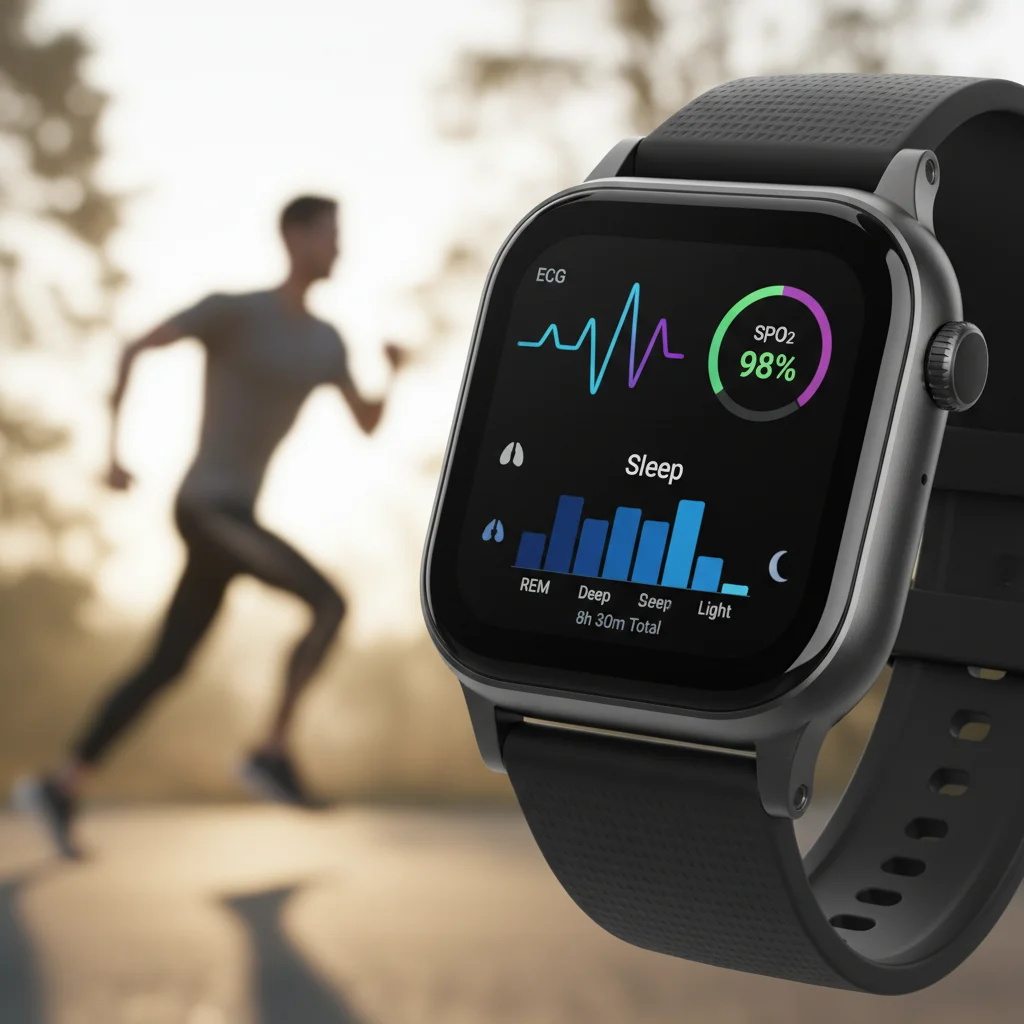
Device B: The Athlete’s Edge Performance Tracker
Designed for serious athletes and fitness enthusiasts, this device focuses on granular performance data, recovery optimization, and injury prevention. It’s rugged, lightweight, and built to withstand intense training environments.
Key Health Monitoring Features:
- Advanced Biometric & Biomechanical Sensors: Equipped with highly accurate GPS, advanced accelerometers, gyroscopes, and a new generation of optical heart rate sensors that provide superior accuracy even during high-intensity workouts. It also features force sensors that can analyze running form, cycling power output, and swimming stroke efficiency, providing real-time feedback to prevent injuries and optimize performance.
- Recovery & Overtraining Detection: Leverages HRV, resting heart rate, sleep quality, and cumulative training load to provide a daily ‘Readiness Score’. This score helps athletes understand their recovery status and avoid overtraining, suggesting optimal rest periods or intensity adjustments.
- Lactate Threshold Estimation (Non-Invasive): Through a combination of optical sensors and advanced algorithms, it can estimate an athlete’s lactate threshold during exercise, a critical metric for endurance training, without the need for blood samples.
- Core Body Temperature Monitoring: A small, embedded thermistor continuously tracks core body temperature, crucial for heat management during extreme conditions and for understanding physiological responses to training and illness.
- Hydration Status Monitoring: Utilizes skin conductance and sweat rate analysis to provide real-time hydration recommendations, preventing dehydration during prolonged activities.
- Injury Risk Assessment: By analyzing biomechanical data (gait, impact forces, joint angles), it identifies potential injury risks and offers corrective exercises or form adjustments to mitigate them.
User Experience & Integration:
The Athlete’s Edge Performance Tracker offers highly customizable workout profiles and integrates seamlessly with popular training platforms. Its onboard AI coach provides real-time coaching cues and post-workout analysis, helping athletes refine their technique and optimize training plans. The device’s robust construction and extended battery life (up to 14 days in GPS mode) make it an indispensable tool for serious competitors. The accompanying app provides in-depth analytics, trend analysis, and predictive models for peak performance.
Device C: The Discreet Wellness Ring
For those who prefer subtlety and continuous, passive monitoring without the bulk of a smartwatch, the Discreet Wellness Ring is the ideal choice. This smart ring packs powerful sensors into a small, elegant form factor, focusing on foundational health metrics.
Key Health Monitoring Features:
- Precision Sleep Tracking: Its small size and comfortable fit make it ideal for highly accurate sleep stage tracking, including micro-movements and temperature fluctuations during sleep. It provides detailed insights into sleep quality, efficiency, and consistency, offering personalized tips for better rest.
- Resting Heart Rate & HRV: Continuously monitors resting heart rate and heart rate variability, providing critical indicators of recovery, stress, and overall cardiovascular health. It establishes a baseline and alerts users to significant deviations.
- Body Temperature Sensing: Highly sensitive temperature sensors detect subtle changes in body temperature, which can indicate onset of illness, menstrual cycle phases, or changes in metabolic state.
- Activity & Recovery Balance: Tracks daily activity levels (steps, calories, active time) and balances them against recovery metrics (sleep, HRV) to provide a daily ‘Balance Score’, encouraging a healthy lifestyle without being overly prescriptive or intrusive.
- Stress Indicator: While not as granular as a smartwatch, it uses a combination of HRV and skin temperature to provide a general indicator of stress levels throughout the day, prompting users to reflect and adjust their activities.
User Experience & Integration:
The Discreet Wellness Ring is designed for passive monitoring, meaning minimal interaction is required. All data is seamlessly synced to a companion app, which presents insights in an easy-to-understand format. Its ultra-long battery life (up to 21 days) and water resistance ensure it can be worn continuously without interruption. It’s perfect for individuals who want consistent health data without the constant notifications or screen interaction of a smartwatch, focusing on long-term trends and overall wellness rather than real-time alerts.
The Future of Personalized Health: Beyond 2026
While 2026 presents an exciting snapshot of the wearable tech evolution, the trajectory of innovation extends far beyond. The future promises even more profound advancements. Imagine devices capable of predicting illness days before symptoms appear, or smart implants that continuously monitor internal markers with unparalleled accuracy. The integration with AI will become even deeper, leading to truly personalized health coaches that understand every nuance of your physiology and lifestyle.
One significant area of growth will be the integration of wearables with genomics and microbiomics. By combining physiological data with genetic predispositions and gut microbiome analysis, wearables could offer hyper-personalized dietary recommendations, exercise plans, and even supplement suggestions, optimizing health at a molecular level. This level of personalization moves beyond generalized health advice to truly bespoke wellness strategies.
Furthermore, the ethical considerations surrounding data privacy and security will become paramount. As wearables collect increasingly sensitive health data, robust regulatory frameworks and transparent data handling practices will be essential to maintain user trust and ensure responsible innovation. The industry will need to navigate the delicate balance between data utility and individual privacy rights.

Telemedicine will also see a deeper integration with wearable data. Doctors will have access to continuous, real-world data from their patients, enabling more accurate diagnoses, proactive interventions, and more effective management of chronic conditions. This shift will empower individuals to become active participants in their healthcare journey, moving from episodic care to continuous health management.
The miniaturization of sensors will continue, leading to even more discreet and comfortable form factors. Smart textiles, embedded sensors in clothing, and even temporary tattoos could become common, making health monitoring virtually invisible. The goal is to make health tracking so seamless that it becomes an unconscious part of daily life, providing insights without requiring active engagement from the user.
Challenges and Opportunities in the Wearable Tech Landscape
Despite the incredible advancements, the wearable tech evolution faces several challenges. Accuracy remains a key concern, especially for non-invasive measurements like blood glucose or blood pressure. While significant progress has been made, ensuring medical-grade accuracy across diverse populations and conditions is an ongoing endeavor. Regulatory approval for medical claims also adds complexity and time to product development cycles.
Battery life, while improving, still limits the continuous monitoring capabilities of some advanced devices. The more sensors and processing power a device has, the more energy it consumes, necessitating a trade-off between features and wearability. Researchers are actively exploring new battery technologies and energy harvesting methods to address this.
User engagement is another critical factor. While initial adoption rates are high, long-term retention can be a challenge. Devices need to provide actionable, easy-to-understand insights that motivate users to maintain healthy habits. Overwhelming users with too much raw data can lead to disengagement. The focus must be on intelligent interpretation and personalized guidance.
However, these challenges also present massive opportunities. The potential for wearables to democratize health data, reduce healthcare costs, and empower individuals to live healthier lives is enormous. The continuous feedback loop provided by these devices can foster a greater sense of self-awareness and responsibility for personal health, leading to preventative behaviors that have a profound impact on public health.
The growth of the digital health ecosystem, including AI-powered diagnostics and personalized medicine, will further amplify the utility of wearables. As these technologies mature and integrate, they will create a synergistic effect, offering unprecedented levels of health insight and intervention.
Conclusion: A Healthier Future Driven by Wearable Tech
The wearable tech evolution by 2026 paints a vivid picture of a future where personal health management is proactive, personalized, and seamlessly integrated into our daily lives. The devices we’ve discussed – the Holistic Health Companion Smartwatch, the Athlete’s Edge Performance Tracker, and the Discreet Wellness Ring – represent different facets of this revolution, each catering to specific user needs while pushing the boundaries of what’s possible in health monitoring.
From continuous glucose monitoring and advanced cardiac analysis to comprehensive sleep tracking and stress management, these smart devices are transforming the way we understand and interact with our bodies. They are not just gadgets; they are personal health assistants, empowering us with data and insights to make informed decisions about our well-being.
As technology continues to advance, we can expect even more sophisticated sensors, more intelligent AI, and greater integration with the broader healthcare system. The journey of wearable tech is far from over; it’s an ongoing evolution towards a healthier, more informed future for everyone. Embracing these innovations means taking a significant step towards a more empowered and preventative approach to health.