Next-Gen Batteries: Boosting Mobile Lifespans 25% by 2027 in the US
In an era defined by rapid technological advancement and an increasing reliance on mobile devices, the longevity of our smartphones, tablets, and wearables has become a critical concern. For years, battery life has been the Achilles’ heel of mobile technology, dictating daily usage patterns and often forcing premature device upgrades. However, a significant paradigm shift is on the horizon. Projections indicate that next-gen mobile batteries are poised to extend mobile device lifespans by an impressive 25% in the US by 2027. This isn’t just about longer daily use; it’s about fundamentally changing how we interact with our technology, reducing electronic waste, and fostering a more sustainable consumer electronics ecosystem.
The quest for better batteries is not new. Scientists and engineers have been tirelessly working to overcome the limitations of traditional lithium-ion technology. What’s different now is the confluence of several breakthrough innovations across materials science, manufacturing processes, and intelligent battery management systems. These advancements are moving from the laboratory to commercial viability at an unprecedented pace, promising a future where our devices not only last longer on a single charge but also maintain their performance for years, significantly delaying the need for replacement.
This comprehensive article will delve into the exciting world of next-gen mobile batteries, exploring the technologies driving this revolution, their projected impact on the US market and consumers, and the broader implications for sustainability and economic growth. We will examine the science behind these innovations, assess the challenges that remain, and look ahead to a future powered by more efficient, durable, and environmentally friendly energy storage solutions. The promise of extending mobile device lifespans by a quarter within the next few years is not merely an incremental improvement; it represents a monumental leap forward in personal technology.
The Current State of Mobile Battery Technology: A Foundation for Change
Before we explore the future, it’s essential to understand the present. The vast majority of mobile devices today rely on lithium-ion (Li-ion) batteries. Introduced commercially in the early 1990s, Li-ion technology revolutionized portable electronics with its high energy density and relatively low self-discharge rate. However, Li-ion batteries also come with inherent limitations. They degrade over time, losing capacity with each charge cycle, and are susceptible to performance issues in extreme temperatures. Furthermore, the materials used, particularly cobalt, raise significant ethical and environmental concerns regarding mining and disposal.
The typical lifespan of a modern smartphone battery is about 2-3 years, or roughly 300-500 charge cycles, before its capacity drops significantly (e.g., to 80% of its original capacity). This degradation often becomes the primary reason for device replacement, even if other components are still fully functional. This phenomenon contributes to a massive global electronic waste problem, with millions of devices discarded annually. The average mobile device lifespan in the US is currently estimated to be around 2.5 to 3 years. A 25% extension would push this to over 3 years, potentially closer to 4 years for many users, representing a substantial shift.
Consumer expectations have also evolved. Users demand faster charging, longer battery life, and devices that can withstand the rigors of daily use without a noticeable drop in performance. The limitations of current Li-ion technology have become a bottleneck, spurring intense research and development into alternatives and enhancements. This urgency, coupled with significant investment from tech giants and startups alike, is accelerating the development and deployment of next-gen mobile batteries.
Key Breakthroughs Driving Next-Gen Mobile Batteries
The projected 25% increase in mobile device lifespan is not a singular event but rather the culmination of several overlapping and complementary technological advancements. These innovations are tackling battery limitations from multiple angles, from material composition to charging algorithms. Understanding these breakthroughs is key to appreciating the transformative potential of next-gen mobile batteries.
Solid-State Batteries: The Holy Grail of Energy Storage
Perhaps the most talked-about advancement is the solid-state battery. Unlike traditional Li-ion batteries that use a liquid or gel electrolyte, solid-state batteries replace this with a solid material. This change offers several profound advantages. Firstly, solid electrolytes are non-flammable, significantly reducing the risk of thermal runaway and making batteries inherently safer. Secondly, they allow for higher energy density, meaning more power can be packed into a smaller space. This could lead to thinner devices or significantly larger capacities within existing form factors.
Furthermore, solid-state batteries are expected to have much longer cycle lives, enduring thousands of charge-discharge cycles with minimal degradation. This directly contributes to extending device lifespan. Companies like Samsung and QuantumScape are pouring resources into solid-state battery development, with prototypes already demonstrating impressive performance. While still facing manufacturing challenges, particularly in scaling production and reducing costs, the consensus is that solid-state technology will begin to appear in commercial mobile devices well before 2027.
Silicon Anodes: Supercharging Lithium-Ion
While solid-state batteries represent a radical departure, significant improvements are also being made to existing Li-ion technology. One of the most promising avenues is the integration of silicon into the anode. Traditional Li-ion batteries use graphite anodes. Silicon, however, can store significantly more lithium ions than graphite, theoretically leading to a 10x increase in energy density. The challenge has been silicon’s tendency to expand and contract dramatically during charging and discharging, leading to mechanical stress and rapid degradation.
Recent breakthroughs in nanotechnology have allowed engineers to create silicon-based anodes that can withstand this expansion, such as porous silicon structures or silicon nanowires. These innovations enable higher capacity batteries that are also more durable. Companies like StoreDot have demonstrated fast-charging silicon-dominant batteries, and several smaller firms are on the cusp of commercializing silicon anode enhancements that can be integrated into existing Li-ion manufacturing processes, offering a more immediate pathway to improved battery performance and longevity. This incremental improvement to next-gen mobile batteries will be crucial in the short term.
Lithium-Sulfur (Li-S) Batteries: High Energy, Lower Cost
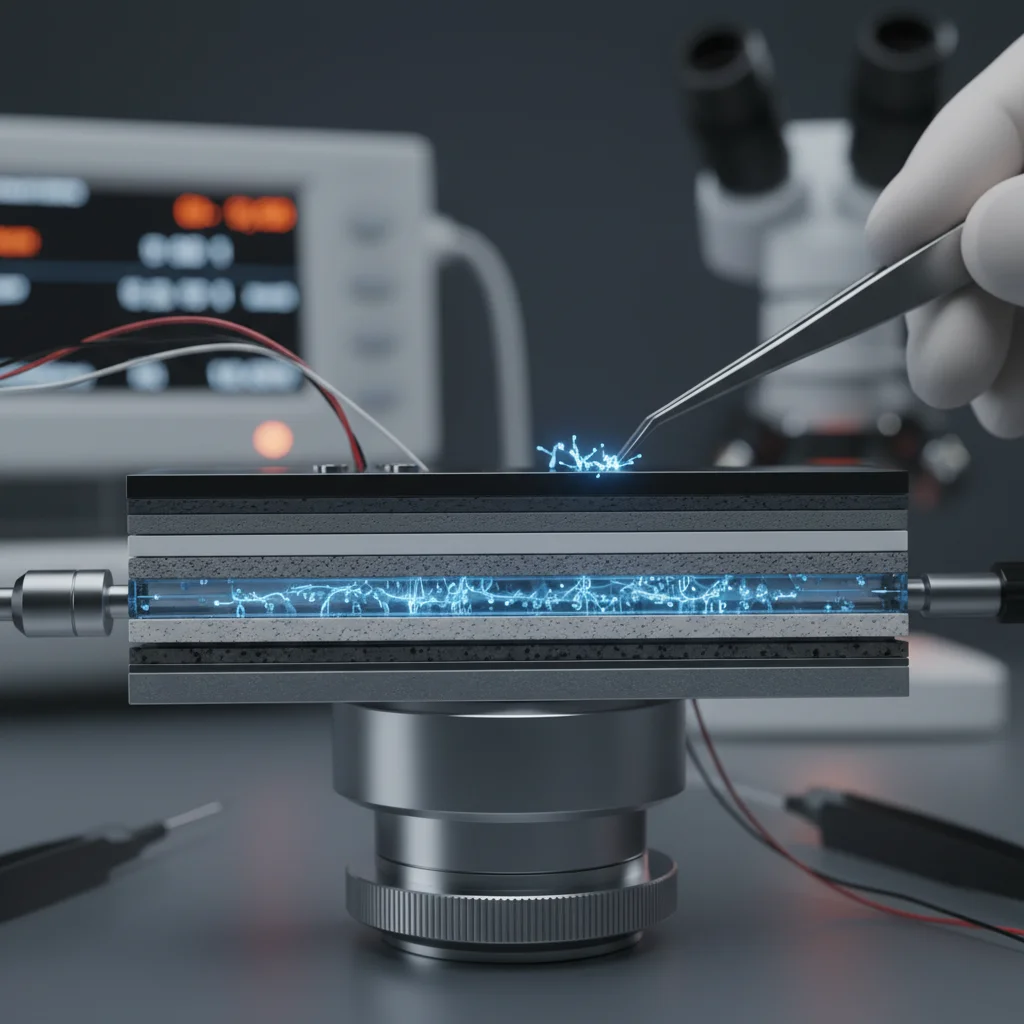
Lithium-Sulfur batteries are another contender for future mobile power. Sulfur is abundant, inexpensive, and non-toxic, making Li-S batteries potentially more sustainable and cost-effective than current Li-ion chemistries. They also boast a theoretical energy density significantly higher than Li-ion, offering the promise of incredibly long-lasting devices. The main hurdles for Li-S have been a short cycle life and poor stability due to the formation of polysulfides, which dissolve into the electrolyte.
However, ongoing research is yielding solutions, including novel electrolyte compositions and protective interlayers, that are improving the cyclability and efficiency of Li-S cells. While perhaps a bit further out than solid-state or silicon anodes for widespread mobile adoption, Li-S remains a strong candidate for devices requiring ultra-high energy density, potentially extending overall device utility and reducing the frequency of charging cycles, thus contributing to a longer perceived and actual lifespan.
Artificial Intelligence and Advanced Battery Management Systems (BMS)
Beyond material science, software and intelligence are playing an increasingly vital role in maximizing battery life and performance. Advanced Battery Management Systems (BMS) powered by Artificial Intelligence (AI) are becoming incredibly sophisticated. These systems monitor battery health in real-time, predict degradation patterns, and optimize charging and discharging cycles to minimize stress on the battery.
AI-driven BMS can learn user habits, adjusting charging speeds and patterns to ensure the battery is charged optimally for when it’s needed, rather than constantly topping it off or fast-charging when unnecessary. This ‘smart charging’ can significantly extend the effective lifespan of any battery chemistry by reducing the cumulative wear and tear. Furthermore, predictive diagnostics can alert users to potential issues, allowing for proactive maintenance or replacement, further contributing to the overall longevity of the mobile device. These intelligent systems are integral to the success of next-gen mobile batteries.
Impact on Mobile Device Lifespans and Consumer Behavior in the US by 2027
The projected 25% increase in mobile device lifespans by 2027 in the US will have far-reaching implications, transforming both consumer behavior and the broader electronics industry. This isn’t just a technical upgrade; it’s a societal shift.
Extended Device Utility and Reduced Upgrade Cycles
The most direct impact will be on how long consumers keep their devices. If a smartphone battery lasts significantly longer and maintains its capacity for an additional year or more, the pressure to upgrade due to battery degradation diminishes considerably. This means consumers can hold onto their devices for 3.5 to 4 years or even longer, maximizing their initial investment. This extended utility will be particularly appealing in an economic climate where consumers are increasingly conscious of value and sustainability.
For manufacturers, this might seem counterintuitive to their business model of frequent upgrades. However, it also presents an opportunity to focus on premium, durable devices and services, rather than relying solely on planned obsolescence. The perception of quality and longevity will become a major selling point.
Environmental Benefits: A Step Towards Sustainability
One of the most significant positive outcomes of longer-lasting mobile devices is the reduction in electronic waste (e-waste). E-waste is a growing global problem, with millions of tons of discarded electronics ending up in landfills each year, leaching toxic chemicals and wasting valuable rare earth metals. By extending the lifespan of devices, we can dramatically reduce the volume of e-waste generated. A 25% increase in lifespan across millions of devices translates to a substantial decrease in manufacturing demand and subsequent waste.
This aligns with broader sustainability goals and consumer demand for eco-friendlier products. Companies that effectively integrate next-gen mobile batteries and promote device longevity will likely gain a competitive edge in the environmentally conscious market.
Economic Implications: Savings and New Markets
For consumers, extended device lifespans mean significant cost savings over time. Fewer frequent upgrades translate to less money spent on new phones, allowing for reallocation of funds elsewhere. This can also lead to a more robust secondary market for used devices, as older phones will still have substantial battery health, making them attractive for resale or donation.
For the industry, while primary sales might slow, new revenue streams could emerge. This includes enhanced repair services, subscription models for software and feature upgrades that extend the functional life of hardware, and a focus on modular designs that allow for easy battery replacement or component upgrades. The shift will require strategic adaptation from manufacturers and retailers.
Challenges and Hurdles on the Path to 2027
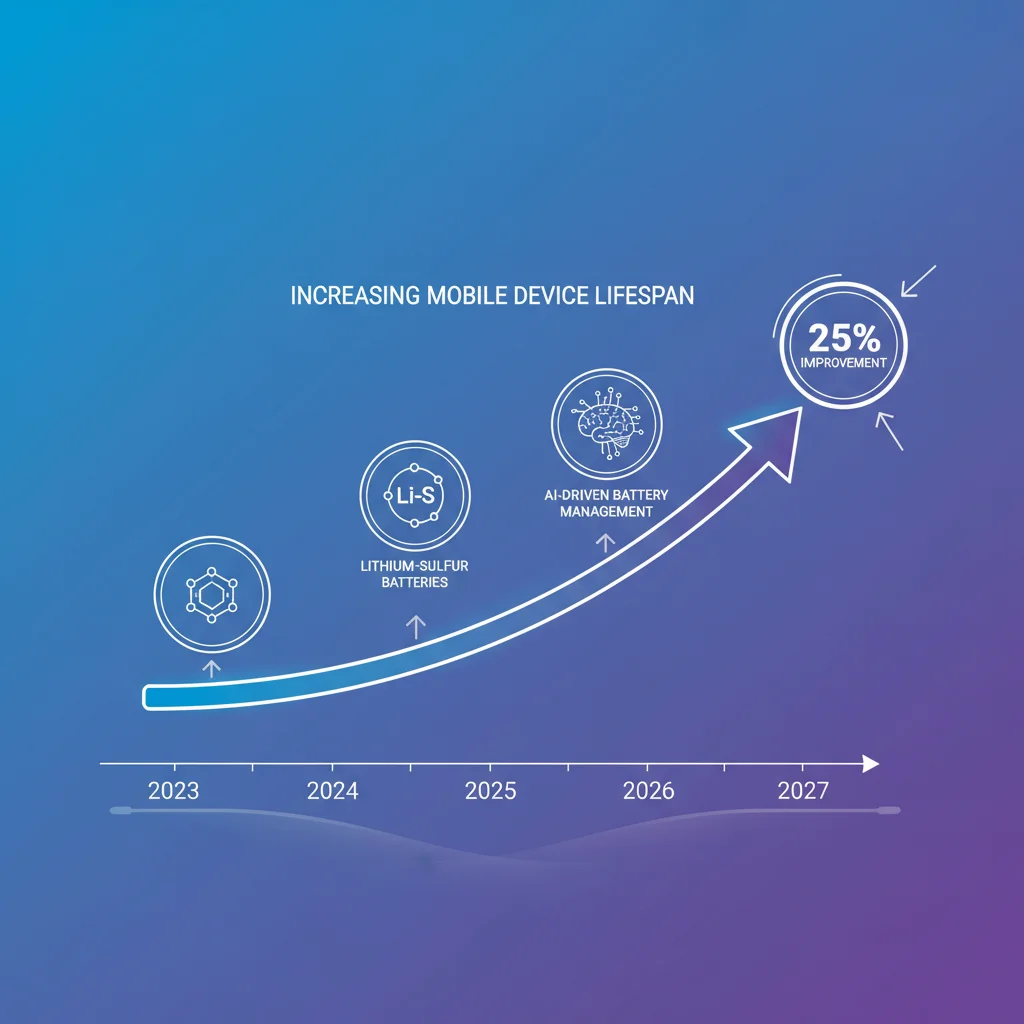
While the outlook for next-gen mobile batteries is overwhelmingly positive, several challenges must be addressed to fully realize the projection of a 25% lifespan extension by 2027.
Manufacturing Scalability and Cost Reduction
Many of the promising new battery technologies, such as solid-state and advanced silicon anodes, are still expensive to produce at scale. The transition from laboratory prototypes to mass production requires significant investment in new manufacturing infrastructure and processes. Reducing these costs to make them competitive with existing Li-ion technology is crucial for widespread adoption in consumer electronics, where price sensitivity is high.
Supply Chain and Material Sourcing
The global supply chain for battery components is complex and often reliant on specific regions for raw materials. As new battery chemistries emerge, ensuring a stable, ethical, and environmentally responsible supply of novel materials (e.g., new types of electrolytes or anode materials) will be paramount. Diversifying sourcing and developing recycling capabilities for these new materials will be essential to avoid new bottlenecks.
Standardization and Integration
Integrating new battery technologies into existing mobile device designs and charging ecosystems requires careful engineering and standardization. Compatibility with fast-charging protocols, safety certifications, and efficient thermal management systems must be ensured. Collaboration between battery manufacturers, device makers, and regulatory bodies will be vital to accelerate adoption and ensure consumer safety.
Consumer Adoption and Awareness
Even with superior technology, consumer adoption depends on awareness and trust. Users need to understand the benefits of next-gen mobile batteries – not just in terms of daily battery life, but also in terms of overall device longevity and environmental impact. Marketing and education will play a role in shifting consumer expectations and encouraging more sustainable purchasing habits.
The Future Beyond 2027: What’s Next for Mobile Power?
The 25% extension in mobile device lifespans by 2027 is just a stepping stone. The research and development in battery technology are relentless, promising even more transformative changes in the decades to come. Looking beyond the immediate horizon, several exciting areas of research could further revolutionize mobile power.
Beyond Lithium-Ion: Magnesium, Zinc, and Sodium-Ion Batteries
While lithium-ion and its derivatives currently dominate, researchers are actively exploring alternative battery chemistries that move beyond lithium altogether. Magnesium-ion batteries, for instance, offer higher theoretical energy density and use a much more abundant and safer metal. Zinc-ion and sodium-ion batteries also hold promise, particularly for their low cost and abundance of materials, making them highly sustainable options, though they typically offer lower energy densities than lithium-based counterparts.
These alternative chemistries could offer solutions for specific applications where cost, safety, or material availability are paramount, potentially complementing or even replacing lithium-based next-gen mobile batteries in certain segments.
Self-Healing Batteries and Modular Designs
Imagine a battery that can repair microscopic cracks or internal damage, extending its life even further. Research into self-healing materials for battery components is an active area, aiming to create batteries that are inherently more resilient to degradation. Coupled with a trend towards modular smartphone designs, where components like batteries can be easily swapped out or upgraded, we could see devices that are truly designed for indefinite longevity, with users only replacing individual modules as they wear out or as new technologies become available.
Energy Harvesting and Wireless Power
While not strictly battery technology, advancements in energy harvesting (e.g., converting ambient light, kinetic energy, or even radio waves into usable power) could further augment mobile device lifespans by reducing the reliance on traditional charging. Similarly, truly ubiquitous and efficient wireless power transfer could fundamentally change how we think about battery life, as devices could continuously charge passively, negating the need for large internal batteries or frequent plugging in.
Conclusion: A Brighter, Longer-Lasting Mobile Future
The journey towards extending mobile device lifespans by 25% in the US by 2027 is an ambitious yet achievable goal, driven by groundbreaking innovations in next-gen mobile batteries. From the promise of solid-state technology and enhanced silicon anodes to the intelligence of AI-powered battery management systems, the landscape of mobile power is undergoing a profound transformation. This evolution promises not only more convenient and reliable devices for consumers but also significant strides towards a more sustainable and environmentally responsible electronics industry.
The shift will require continued collaboration across research institutions, industry players, and policymakers to overcome remaining challenges in manufacturing, supply chain, and standardization. However, the benefits—reduced e-waste, cost savings for consumers, and a more robust secondary market—make this endeavor incredibly worthwhile. As we approach 2027, the mobile devices in our pockets will not only be more powerful and feature-rich but also, crucially, more enduring, fundamentally changing our relationship with technology for the better. The era of the truly long-lasting mobile device is not a distant dream; it is rapidly becoming a reality, powered by the ingenuity of next-gen mobile batteries.