The Metaverse in 2026: A Comparison of 3 Leading Platforms and Their Potential for US Businesses
The concept of the metaverse, once confined to science fiction, is rapidly materializing into a tangible digital frontier. As we look towards 2026, this immersive virtual world is no longer just a futuristic vision but a burgeoning ecosystem brimming with unprecedented Metaverse Business Potential. For US businesses, understanding and strategically navigating this evolving landscape is paramount to unlocking new revenue streams, engaging customers in innovative ways, and staying ahead of the competitive curve.
In this comprehensive guide, we will delve into three of the most prominent metaverse platforms poised to shape the digital economy in 2026: Decentraland, The Sandbox, and Meta Horizon Worlds. We will compare their unique features, underlying technologies, economic models, and, most importantly, explore the immense Metaverse Business Potential they offer for enterprises across various sectors. From virtual real estate and digital commerce to immersive advertising and collaborative workspaces, the metaverse promises a paradigm shift in how businesses operate and interact with their audiences.
The metaverse is not a singular entity but a constellation of interconnected virtual spaces, each with its own characteristics and opportunities. For US businesses, the challenge lies in identifying which platforms align best with their strategic objectives and how to effectively integrate their brand into these new digital realities. By 2026, early adopters will have already established a significant presence, making it crucial for others to understand the nuances of each platform to carve out their own successful niche. This article aims to provide that clarity, offering actionable insights for businesses ready to embrace the future of digital interaction.
Understanding the Metaverse Landscape in 2026
Before we dissect individual platforms, it’s essential to grasp the broader trends shaping the metaverse in 2026. Interoperability, while still a developing concept, is gaining traction, allowing assets and identities to move more seamlessly between virtual worlds. Blockchain technology continues to underpin many metaverse economies, enabling true digital ownership and fostering decentralized governance. Furthermore, advancements in virtual reality (VR) and augmented reality (AR) hardware are making immersive experiences more accessible and realistic, driving user adoption and expanding the Metaverse Business Potential.
The demographic of metaverse users is also diversifying, moving beyond early tech enthusiasts to include a broader spectrum of consumers and professionals. This expansion presents a golden opportunity for US businesses to reach new markets and cater to evolving consumer behaviors. The blending of physical and digital realities, often referred to as the ‘phygital’ experience, is becoming a hallmark of metaverse engagement, opening doors for hybrid business models that combine real-world services with virtual interactions.
Moreover, the regulatory landscape, while still nascent, is beginning to take shape. Businesses operating in the metaverse will need to consider issues of data privacy, intellectual property rights, and digital asset security. Proactive engagement with these emerging legal frameworks will be crucial for sustainable growth and maximizing the Metaverse Business Potential without encountering unforeseen hurdles. The competitive environment is also heating up, with more companies vying for virtual real estate and user attention, underscoring the need for well-defined strategies.
Decentraland: A Pioneer in Decentralized Virtual Worlds
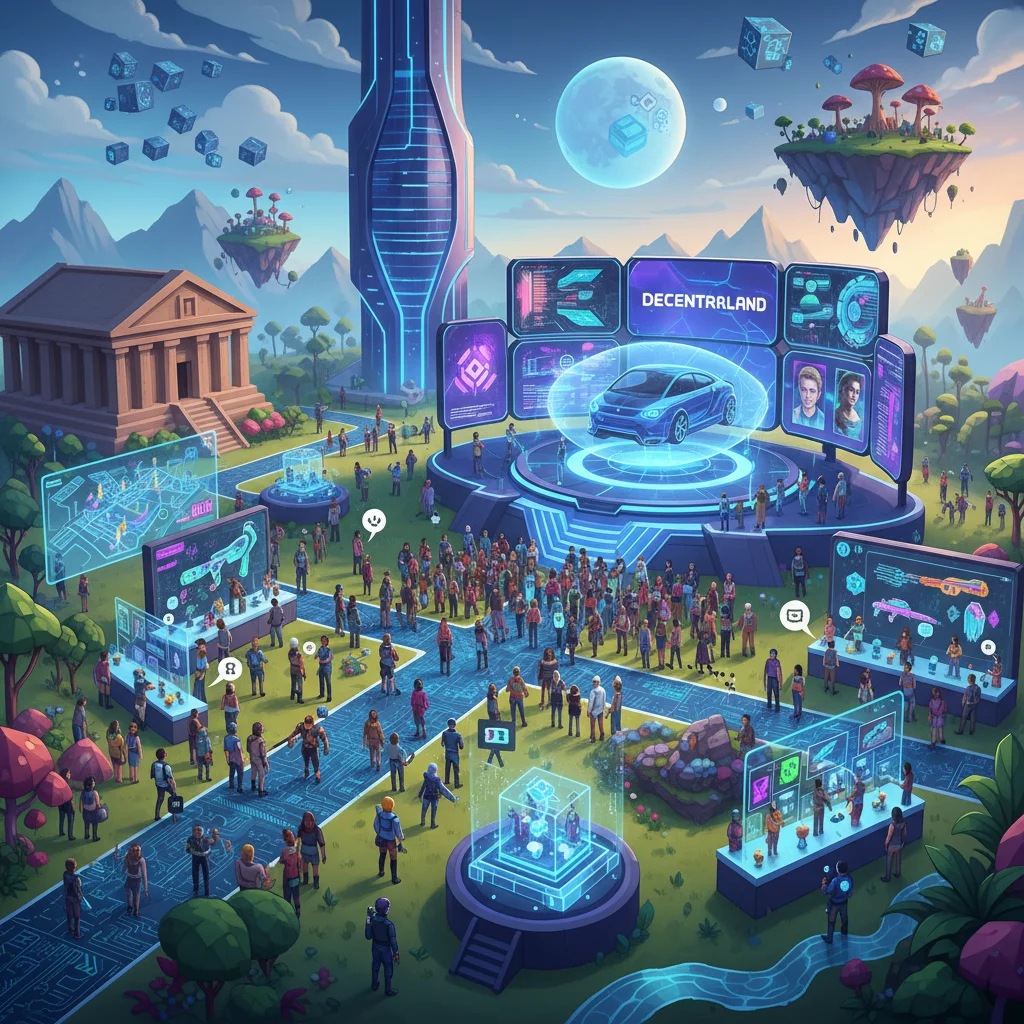
Decentraland stands out as one of the most established and truly decentralized metaverse platforms. Launched in 2020, it is built on the Ethereum blockchain, allowing users to buy, sell, and manage virtual land (LAND) and other digital assets using its native cryptocurrency, MANA. By 2026, Decentraland has matured into a vibrant ecosystem, hosting numerous events, galleries, and businesses. Its open-source nature and community-driven development are key differentiators, fostering a sense of true ownership and democratic governance among its users.
Key Features and Technology:
- Blockchain-Based Ownership: LAND parcels are NFTs (Non-Fungible Tokens), providing verifiable ownership and scarcity.
- DAO Governance: The Decentraland DAO (Decentralized Autonomous Organization) allows MANA and LAND holders to vote on key policy decisions, shaping the platform’s future.
- User-Generated Content: Creators can build anything from art galleries and casinos to shopping malls and interactive games on their LAND.
- SDK and Builder Tools: Accessible tools enable users to create 3D scenes and experiences without extensive coding knowledge.
Metaverse Business Potential for US Businesses in Decentraland:
For US businesses, Decentraland offers a unique opportunity to engage with a crypto-native and highly engaged audience. The decentralized nature means lower barriers to entry for innovation and less reliance on a single corporate entity. Consider the following applications:
- Virtual Retail Stores: Brands can establish immersive storefronts to showcase digital and physical products, offering unique shopping experiences and exclusive NFT merchandise. Fashion brands, for instance, can host virtual runway shows.
- Advertising and Sponsorship: Businesses can purchase virtual billboards, sponsor events, or create branded experiences to reach a targeted demographic. The scarcity of LAND makes prime locations valuable advertising real estate.
- Virtual Events and Conferences: Hosting product launches, corporate meetings, or large-scale conferences in Decentraland can attract a global audience, offering interactive networking opportunities and reducing logistical costs.
- Digital Art and Collectibles: Artists and galleries can sell NFT art, while brands can create limited-edition digital collectibles, leveraging the platform’s blockchain infrastructure for authenticity and provenance.
- Educational and Training Hubs: Companies can build virtual classrooms or training centers, offering interactive learning experiences for employees or customers.
- Real Estate Development: Just as in the physical world, there’s a market for developing and leasing virtual properties. Businesses can acquire LAND, build experiences, and then rent them out to other businesses or individuals.
The open and programmable nature of Decentraland fosters endless possibilities for creative business models. Its established community and robust underlying technology make it a strong contender for US businesses looking to make a significant impact in the decentralized metaverse by 2026.
The Sandbox: Pixelated Creativity and Brand Partnerships
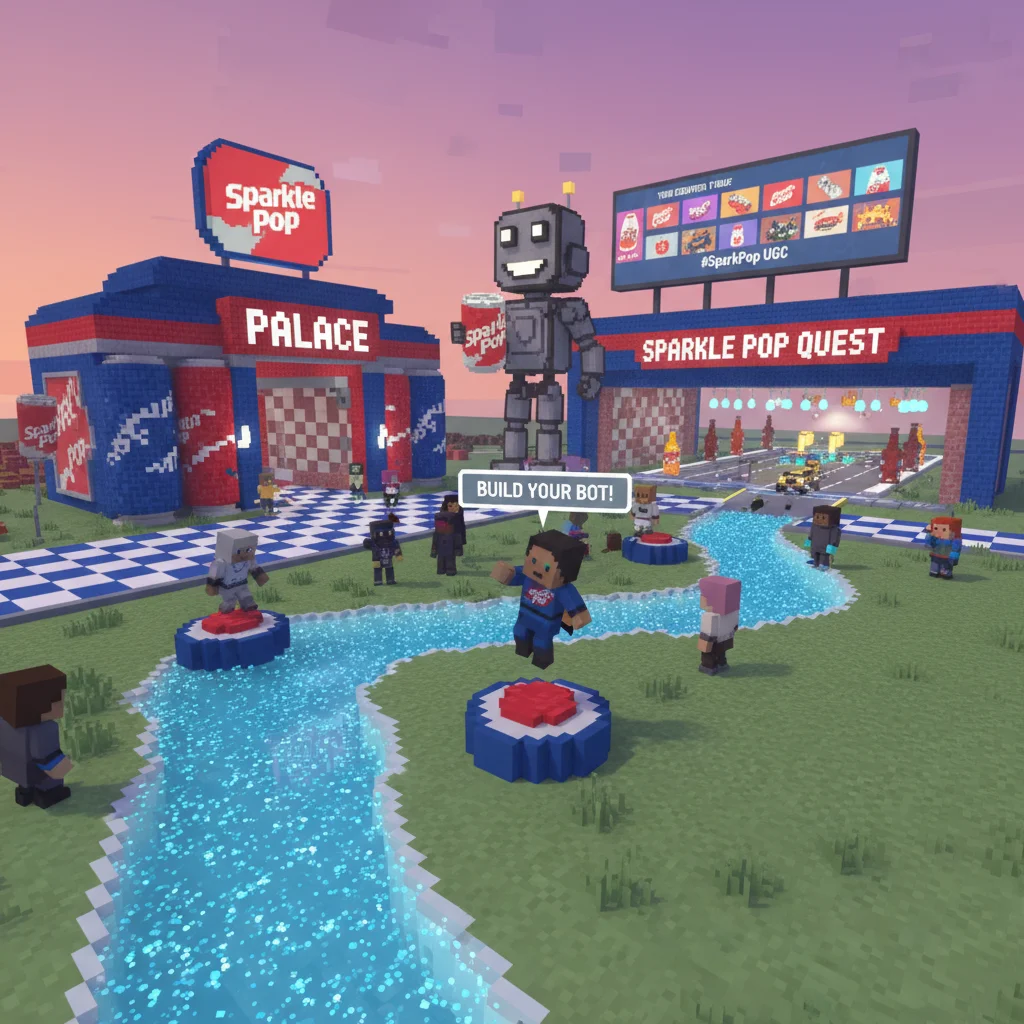
The Sandbox, another Ethereum blockchain-based metaverse, distinguishes itself with its voxel-based aesthetic and strong emphasis on user-generated content (UGC) and gaming. By 2026, The Sandbox has become a hub for creativity, allowing users to create, own, and monetize their gaming experiences, digital assets (ASSETS), and virtual land (LAND). Its strategic partnerships with major brands, celebrities, and intellectual properties have significantly boosted its visibility and diversified its user base, presenting a unique Metaverse Business Potential.
Key Features and Technology:
- Voxel Art Style: A distinctive blocky, pixelated visual style that appeals to a wide audience and simplifies content creation.
- Game Maker: An intuitive tool allowing users to create 3D games and experiences without coding, fostering a vibrant gaming ecosystem.
- VoxEdit: A 3D voxel art editor for creating ASSETS (NFTs) that can be used in games or sold on the marketplace.
- SAND Token: The native utility token used for transactions, governance, and staking within the ecosystem.
- Extensive Brand Partnerships: Collaborations with IP holders like Adidas, Snoop Dogg, The Walking Dead, and Atari bring established audiences and content.
Metaverse Business Potential for US Businesses in The Sandbox:
The Sandbox’s gaming-centric approach and strong brand presence offer distinct advantages for US businesses, particularly those in entertainment, gaming, and consumer goods:
- Branded Gaming Experiences: Companies can create their own virtual games or interactive experiences on their LAND, offering unique brand engagement and promotional opportunities. Imagine a fast-food chain creating a mini-game where players earn virtual rewards that can be redeemed for real-world discounts.
- Digital Merchandise and NFTs: Brands can design and sell NFT versions of their products, from virtual apparel to custom voxel art collectibles. These can be integrated into games or displayed in virtual showrooms.
- Virtual Concerts and Events: Leveraging its entertainment focus, The Sandbox is ideal for hosting virtual concerts, festivals, and fan meet-and-greets, attracting a younger, digitally native audience.
- Co-creation and Community Engagement: Brands can launch contests or collaborative projects, inviting users to create content related to their brand within The Sandbox, fostering deep community engagement and user-generated marketing.
- Intellectual Property Licensing: For IP holders, The Sandbox provides a platform to license their characters, stories, and brands for integration into user-created games and experiences, generating royalties and expanding brand reach.
- Educational Games: Businesses focused on education can develop engaging, interactive learning games that teach specific skills or concepts within a fun, gamified environment.
The Sandbox’s emphasis on creativity and its growing network of brand partners make it an attractive platform for US businesses looking to tap into the play-to-earn economy and engage with consumers through interactive, gamified experiences. Its accessibility via readily available tools also lowers the barrier for content creation, amplifying its Metaverse Business Potential.
Meta Horizon Worlds: The Social and Enterprise Frontier
Meta Horizon Worlds, developed by Meta Platforms (formerly Facebook), represents a more centralized, but highly integrated, approach to the metaverse. By 2026, it has evolved significantly from its initial launch, becoming a robust social VR platform that also increasingly caters to enterprise use cases. Unlike Decentraland and The Sandbox, Horizon Worlds is not blockchain-native, but its deep integration with Meta’s ecosystem (including Oculus VR headsets) provides a streamlined user experience and massive potential for scale, offering a different facet of Metaverse Business Potential.
Key Features and Technology:
- VR-First Experience: Designed primarily for Meta Quest VR headsets, offering a deeply immersive and intuitive experience.
- Creator Tools: Provides in-world tools for users to build environments, games, and social experiences without coding.
- Social Interaction: Strong emphasis on social presence, voice chat, and avatar customization for rich interpersonal interactions.
- Meta Ecosystem Integration: Seamless connectivity with other Meta products and services, including Facebook and Instagram.
- Monetization Opportunities: Creators can sell virtual items and access to their worlds, with Meta taking a commission.
Metaverse Business Potential for US Businesses in Meta Horizon Worlds:
Meta Horizon Worlds offers a unique blend of social engagement and enterprise-level tools, making it particularly appealing for US businesses focused on community building, virtual collaboration, and immersive advertising:
- Virtual Workspaces and Collaboration: Companies can create persistent virtual offices, meeting rooms, and collaborative spaces for remote teams, facilitating more engaging and productive interactions than traditional video conferencing. This is a significant area of Metaverse Business Potential for large corporations.
- Immersive Customer Service and Support: Businesses can establish virtual customer service centers where avatars can interact with support agents in a more personal and engaging manner, offering product demonstrations or troubleshooting in a 3D environment.
- Product Showcases and Demos: Brands can build highly interactive virtual showrooms to display products, allowing customers to virtually try on clothes, test drive cars, or explore real estate in 3D.
- Targeted Advertising and Brand Experiences: While not blockchain-based for ownership, Meta’s vast user data allows for highly targeted advertising within Horizon Worlds. Brands can also create sponsored social experiences or mini-games.
- Training and Simulation: Industries requiring hands-on training (e.g., healthcare, manufacturing) can leverage Horizon Worlds for realistic simulations, reducing costs and risks associated with physical training.
- Event Hosting with Scale: For businesses wanting to host large-scale virtual events, Meta’s infrastructure can support a significant number of concurrent users, making it suitable for major product launches, concerts, or conferences that prioritize social interaction.
- Community Building and Fan Engagement: Brands can create dedicated ‘worlds’ for their fan communities, offering exclusive content, meetups, and interactive experiences that foster loyalty and advocacy.
While its centralized nature might deter some decentralization purists, Meta Horizon Worlds’ accessibility, robust social features, and Meta’s expansive reach present a compelling case for US businesses seeking to leverage VR for social engagement and enterprise solutions. The continuous development of its creator tools and monetization options further enhances its Metaverse Business Potential.
Comparative Analysis of Metaverse Business Potential
To summarize the Metaverse Business Potential across these three platforms for US businesses in 2026, let’s consider their core strengths and ideal use cases:
| Feature/Platform | Decentraland | The Sandbox | Meta Horizon Worlds |
|---|---|---|---|
| Underlying Technology | Ethereum Blockchain (decentralized) | Ethereum Blockchain (decentralized) | Meta’s proprietary infrastructure (centralized) |
| Primary Focus | Open-world exploration, events, digital art | Gaming, user-generated content, brand IPs | Social VR, virtual workspaces, immersive experiences |
| Economic Model | MANA/LAND NFTs, decentralized marketplace | SAND/LAND/ASSET NFTs, play-to-earn | In-app purchases, creator monetization (Meta commission) |
| Ideal for US Businesses | Financial services, luxury brands, art galleries, event organizers, decentralized applications. Businesses valuing true ownership and community governance. | Gaming companies, entertainment industry, consumer brands, IP holders. Businesses focused on gamification and creative brand engagement. | Large enterprises, remote work solutions, customer service, education, social marketing, event hosting. Businesses prioritizing VR immersion and broad user reach. |
| Key Differentiator | True decentralization, DAO governance, pioneer status | Voxel aesthetic, strong IP partnerships, robust Game Maker | Deep VR immersion, Meta ecosystem integration, social focus |
| Entry Barrier (Technical) | Moderate (some blockchain familiarity helps) | Low (intuitive Game Maker/VoxEdit) | Low (user-friendly VR interface) |
Each platform offers a distinct pathway for US businesses to explore the metaverse. The choice depends heavily on a company’s specific goals, target audience, and comfort level with decentralized technologies versus more centralized, yet expansive, ecosystems. The overarching Metaverse Business Potential is undeniable across all three, but the strategic approach will vary.
Strategic Considerations for US Businesses Entering the Metaverse
Embarking on a metaverse strategy requires careful planning beyond simply choosing a platform. US businesses must consider several critical factors to maximize their Metaverse Business Potential in 2026 and beyond:
1. Define Clear Objectives:
What do you aim to achieve? Is it brand awareness, customer acquisition, new revenue streams, employee engagement, or product innovation? Clear objectives will guide platform selection and content strategy.
2. Understand Your Target Audience:
Who are you trying to reach? Decentraland’s audience might be more crypto-savvy, The Sandbox’s more gaming-oriented, and Horizon Worlds’ more general VR users. Tailor your presence accordingly.
3. Intellectual Property (IP) and Ownership:
For platforms like Decentraland and The Sandbox, understanding NFT ownership and intellectual property rights in a decentralized environment is crucial. For Meta Horizon Worlds, adhering to Meta’s terms of service and content policies is key.
4. Content and Experience Design:
Simply porting existing marketing materials into 3D won’t suffice. Businesses need to create truly immersive, interactive, and valuable experiences that leverage the unique capabilities of the metaverse. This requires investment in 3D design, narrative development, and interactive programming.
5. Monetization Strategy:
How will you generate revenue? Through virtual product sales, advertising, event tickets, premium content, or a combination? Each platform offers different monetization mechanisms.
6. Security and Data Privacy:
As with any digital frontier, security is paramount. Businesses must protect user data, ensure secure transactions, and guard against scams or intellectual property theft. Compliance with evolving data privacy regulations is also critical.
7. Interoperability and Future-Proofing:
While full interoperability is still a work in progress, consider platforms that are either open-source or have a clear roadmap for connecting with other virtual worlds. This will help future-proof your metaverse investments.
8. Talent Acquisition and Development:
Building a successful metaverse presence requires specialized skills in 3D design, blockchain development, virtual economy management, and community moderation. Businesses may need to hire new talent or upskill existing employees.
9. Measurement and Analytics:
How will you measure the ROI of your metaverse initiatives? Establish clear KPIs (Key Performance Indicators) for engagement, conversions, and brand sentiment, adapting traditional analytics to the virtual environment.
10. Ethical Considerations:
The metaverse, like any new technology, comes with ethical challenges. Businesses should consider issues of digital well-being, accessibility, inclusivity, and responsible content creation to build a positive and sustainable presence.
The Economic Impact and Future Outlook of Metaverse Business Potential
The economic forecasts for the metaverse are staggering. Various reports project the metaverse market to be worth trillions of dollars by the end of the decade, with a significant portion of this value driven by business activities. For US businesses, this translates into an unprecedented opportunity for growth and market expansion. The metaverse is not just an alternative sales channel; it’s a new medium for brand building, community engagement, and even internal operations.
By 2026, the lines between our physical and digital lives will continue to blur, making a seamless and integrated metaverse strategy indispensable. Companies that strategically invest in these virtual worlds will not only capture new market share but also cultivate deeper, more immersive relationships with their customers. The ability to create persistent, interactive experiences that transcend geographical boundaries offers a level of global reach and engagement previously unimaginable.
Furthermore, the metaverse is fostering new job opportunities and skill sets, creating an entirely new digital economy. US businesses that embrace this shift can become leaders in this emerging space, attracting top talent and driving innovation. From virtual architects and digital fashion designers to metaverse marketers and blockchain developers, the workforce of the future is already taking shape within these virtual realms.
The long-term Metaverse Business Potential extends beyond direct revenue. It includes enhanced brand loyalty through unique experiences, richer data insights from virtual interactions, and the ability to test new products and services in a dynamic, real-time feedback loop. The metaverse is a living laboratory for innovation, offering businesses a low-risk environment to experiment and evolve.
Conclusion: Seizing the Metaverse Business Potential in 2026
The metaverse in 2026 is a dynamic and multifaceted digital frontier, offering immense Metaverse Business Potential for US enterprises. Whether through the decentralized democracy of Decentraland, the creative gamification of The Sandbox, or the immersive social and enterprise capabilities of Meta Horizon Worlds, there are distinct pathways for businesses to innovate and thrive.
Success in this new era will hinge on a proactive, strategic approach. Businesses must move beyond curiosity and actively explore how these platforms can serve their specific objectives, engage their target audiences, and create tangible value. The metaverse is not a passing fad; it is the next evolution of the internet, and those who establish an early, thoughtful presence will be best positioned to reap its substantial rewards. The time for US businesses to explore, experiment, and invest in the metaverse is now, shaping their future in the digital economy of tomorrow.