SIM Swapping Protection 2026: Guard Your Mobile Number
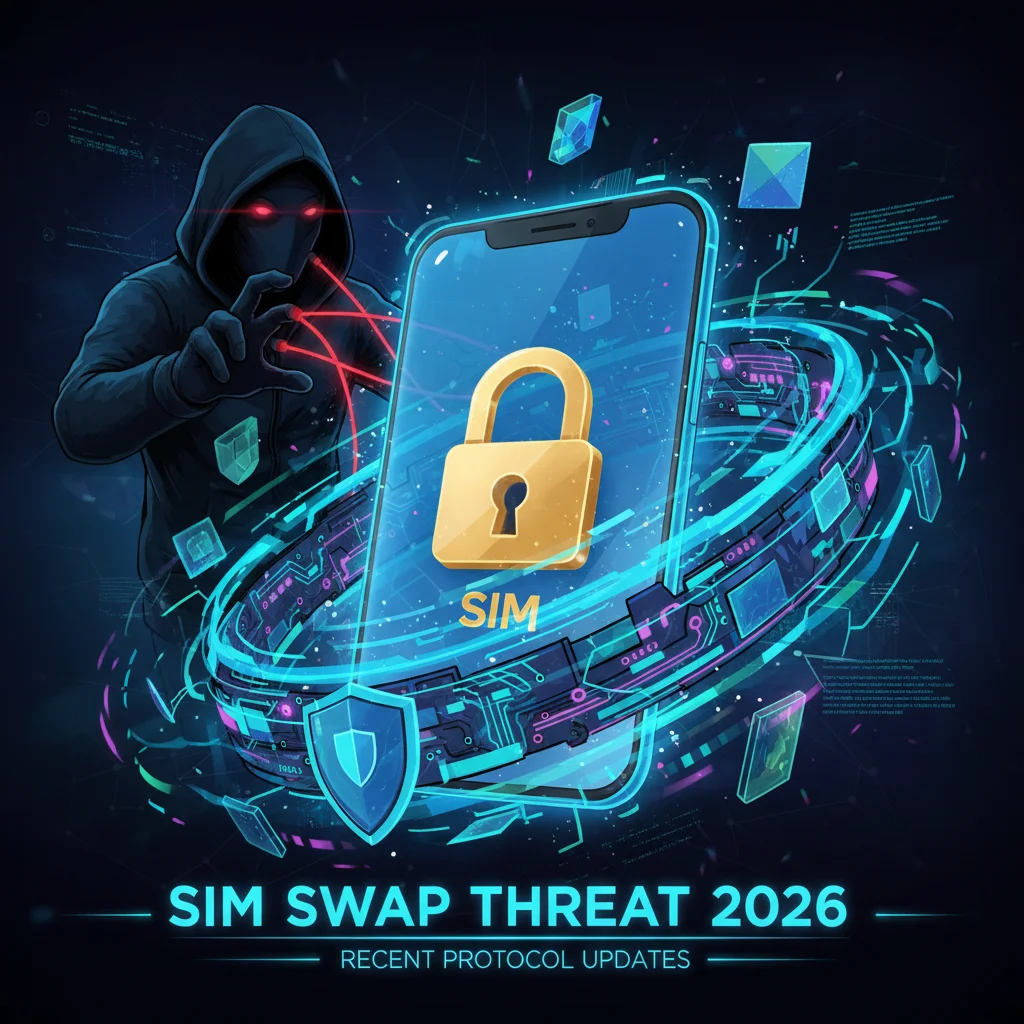
In an increasingly interconnected world, our mobile numbers have become the linchpin of our digital identities. From accessing banking applications and social media to recovering forgotten passwords, nearly every facet of our online lives is tied to that seemingly innocuous string of digits. However, this centrality also makes it a prime target for sophisticated cybercriminals, leading to the escalating threat of SIM swapping. As we navigate 2026, the methods employed by these attackers are becoming more refined, making robust SIM swapping protection more critical than ever.
SIM swapping, also known as SIM hijacking or port-out scam, is a deceptive technique where fraudsters transfer your phone number to a SIM card they control. Once they gain control of your number, they can intercept calls, texts, and, most dangerously, one-time passcodes (OTPs) used for two-factor authentication (2FA). This grants them unfettered access to your email, bank accounts, cryptocurrency wallets, and other sensitive online services, often leading to devastating financial losses and identity theft.
The landscape of cybercrime is dynamic, and SIM swapping is no exception. Recent updates in 2026 highlight a shift towards more targeted attacks, leveraging advanced social engineering tactics and even insider threats within telecommunication companies. Therefore, understanding the evolving nature of this threat and implementing proactive SIM swapping protection strategies is paramount for safeguarding your digital life.
This comprehensive guide will delve into the intricacies of SIM swapping in 2026, explore the latest attack vectors, and, most importantly, provide four essential ways to protect your mobile number. By adopting these strategies, you can significantly reduce your vulnerability and fortify your digital defenses against this pervasive threat.
Understanding the Evolving Threat of SIM Swapping in 2026
To effectively implement SIM swapping protection, we must first grasp the current state of the threat. In 2026, SIM swapping is no longer a fringe attack; it’s a mainstream tool for cybercriminals, with sophisticated operations often targeting high-value individuals or those with significant digital assets. The attack vectors have diversified, moving beyond simple social engineering to include more intricate schemes.
The Mechanics of a SIM Swap Attack
A typical SIM swap attack unfolds in several stages:
- Information Gathering (Pre-Attack Reconnaissance): Attackers first gather personal information about their target. This often involves scouring social media, data breaches, phishing emails, or even purchasing data from the dark web. They look for details like your full name, date of birth, address, email, and even answers to common security questions. This information is crucial for impersonating you.
- Social Engineering the Carrier: Armed with your personal data, the fraudster contacts your mobile service provider. They typically claim to be you, stating that their phone was lost or damaged and they need a new SIM card activated with your existing number. They use the gathered information to answer security questions and convince the customer service representative of their legitimacy.
- Insider Threats: A growing concern in 2026 is the involvement of malicious insiders within telecommunication companies. These individuals, bribed or coerced, can bypass standard security protocols and directly initiate a SIM swap, making the attack much harder to detect and prevent.
- SIM Card Activation: Once convinced, the carrier deactivates your legitimate SIM card and activates a new one controlled by the attacker. At this point, your phone loses service, which is often the first sign that something is amiss.
- Account Takeover: With control over your phone number, the attacker can now receive your calls and SMS messages. They immediately target your most critical online accounts. They initiate password reset requests for email, banking, cryptocurrency exchanges, and social media platforms. Since these services often send OTPs to your phone number for verification, the attacker intercepts these codes and gains unauthorized access.
- Financial Drain and Identity Theft: The ultimate goal is usually financial gain. Attackers drain bank accounts, transfer cryptocurrency, make unauthorized purchases, and even open new credit lines in your name, leading to severe financial and reputational damage.
Recent Updates and Trends in 2026
Several key trends define the SIM swapping landscape in 2026:
- Increased Sophistication of Social Engineering: Fraudsters are employing more advanced psychological manipulation techniques, using AI-generated voice cloning to mimic targets or leveraging deepfake technology in video calls to customer service, although this is less common.
- Targeted Attacks on High-Net-Worth Individuals: Individuals with significant cryptocurrency holdings or valuable online assets are increasingly targeted, as the potential payoff for attackers is much higher.
- Exploitation of Carrier Vulnerabilities: Despite improvements, some carriers still have vulnerabilities in their identity verification processes, which attackers are quick to exploit.
- Rise of SIM Swap-as-a-Service: Organized crime syndicates are offering SIM swapping services on the dark web, making it easier for less technically skilled individuals to execute these attacks.
- Cross-Platform Attacks: Attackers often combine SIM swapping with other attack vectors, such as phishing or malware, to gain a more complete picture of the victim and execute more effective account takeovers.
Understanding these evolving tactics is the first step towards building robust SIM swapping protection. Now, let’s explore the actionable steps you can take to secure your mobile number.
Way 1: Fortify Your Carrier Account with Enhanced Security Measures
Your mobile service provider is the primary gateway for a SIM swap, making it the most critical point of defense. Strengthening your carrier account’s security is the cornerstone of effective SIM swapping protection.
Implement a Strong PIN or Passcode on Your Account
Most mobile carriers allow you to set up a unique PIN or passcode that must be provided before any changes can be made to your account. This is your first line of defense. However, simply setting a PIN isn’t enough; it needs to be strong and unique.
- Avoid easily guessable PINs: Do not use your birth date, parts of your phone number, or sequential digits (e.g., 1234).
- Use a complex alphanumeric passcode: If your carrier allows, opt for a longer, alphanumeric passcode rather than just a numerical PIN. This significantly increases the difficulty for attackers to guess or brute-force.
- Keep it secret: Never share this passcode with anyone, even if they claim to be from your carrier. Legitimate representatives should not ask for your full passcode.
- Regularly update it: Change your carrier passcode at least once a year, or immediately if you suspect any compromise.
Request a ‘No Port’ or ‘Account Lock’ Feature
Many carriers now offer advanced security features designed specifically to combat SIM swapping. Inquire with your provider about a "no port" or "account lock" feature. When enabled, this requires an in-person visit to a store with a valid ID, or a specific, often lengthy, verification process over the phone, to initiate any SIM card changes or porting requests. This adds a significant hurdle for fraudsters attempting to perform a SIM swap remotely.
Utilize Dedicated Security Phrases or Passwords
Some carriers go beyond simple PINs and allow you to set up a "security phrase" or "account password" that is separate from your general account login. This phrase should be unique, memorable to you, and not easily discoverable through public information. It acts as an additional layer of verification that customer service representatives might ask for during sensitive account changes.
Educate Yourself on Carrier Verification Processes
Understand how your specific mobile carrier verifies identity for account changes. Knowing their procedures can help you spot suspicious activity or unusual requests. For instance, if your carrier typically requires specific questions or an in-store visit for a SIM change, but an email or call suggests otherwise, it could be a red flag.
Way 2: Embrace Strong Multi-Factor Authentication (MFA) Beyond SMS
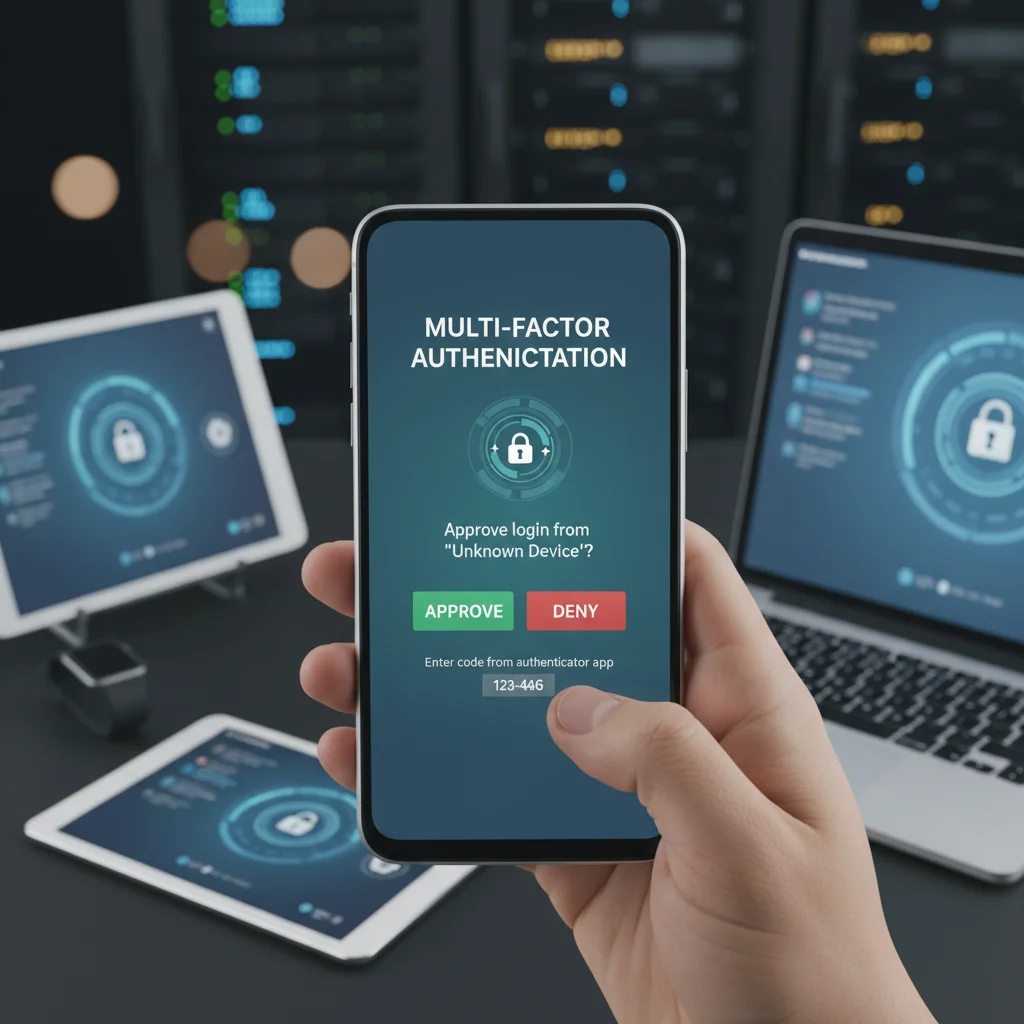
While SMS-based two-factor authentication (2FA) is better than no 2FA, it’s inherently vulnerable to SIM swapping. If an attacker controls your phone number, they can intercept those SMS codes. Therefore, a critical component of modern SIM swapping protection is to move beyond SMS for your most sensitive accounts.
Hardware Security Keys (FIDO U2F/WebAuthn)
Hardware security keys, such as YubiKey or Google Titan Key, are considered the gold standard for MFA. These physical devices plug into your computer’s USB port or connect via NFC/Bluetooth to your phone. When logging into a supported service, you simply touch or tap the key to authenticate. They offer:
- Phishing Resistance: Hardware keys cryptographically verify the website you’re logging into, preventing phishing attacks where you might accidentally enter your credentials on a fake site.
- SIM Swap Immunity: Since the key is a physical device, it’s completely immune to SIM swap attacks. The attacker would need physical possession of your key.
- Ease of Use: Once set up, they are often quicker and more convenient than typing out codes.
Prioritize using hardware keys for your most critical accounts: email, password manager, banking, and cryptocurrency exchanges.
Authenticator Apps (TOTP)
Authenticator apps like Google Authenticator, Microsoft Authenticator, or Authy generate time-based one-time passwords (TOTPs) directly on your device. These codes refresh every 30-60 seconds and are not sent via SMS, making them impervious to SIM swaps. While not as phishing-resistant as hardware keys, they are a significant upgrade from SMS 2FA.
- Offline Functionality: Authenticator apps work even without an internet connection, as the codes are generated locally.
- Backup and Recovery: Some apps (like Authy) offer cloud backup for your tokens, which can be useful if you lose your phone, but ensure these backups are also strongly secured.
- Device Security: Ensure your device running the authenticator app is itself secured with a strong passcode and biometric authentication.
Biometric Authentication (Where Applicable)
While not a standalone MFA method, biometric authentication (fingerprint, facial recognition) can add an extra layer of security to your devices and apps. Many banking and financial apps allow biometric login, which, when combined with strong passwords and other MFA, can enhance SIM swapping protection.
Avoid SMS 2FA for Critical Accounts
Make it a habit to review all your online accounts and switch any SMS-based 2FA to authenticator apps or hardware keys, especially for email, banking, social media, and any platform holding financial value. While some services might only offer SMS 2FA, use it as a last resort and be extra vigilant.
Way 3: Proactive Monitoring and Vigilance
Even with robust preventative measures, vigilance remains a crucial aspect of SIM swapping protection. Early detection can significantly mitigate the damage of a successful attack.
Regularly Review Account Activity
Make it a habit to regularly check your online accounts for any unusual activity. This includes:
- Bank and Credit Card Statements: Look for unauthorized transactions, no matter how small.
- Email Login History: Most email providers show recent login locations and times.
- Social Media Activity: Check for posts or messages you didn’t create.
- Cryptocurrency Wallet Transactions: Be extremely diligent in monitoring these, as transactions are often irreversible.
Set up alerts for significant transactions or login attempts from unrecognized devices or locations if your services offer them.
Monitor Your Phone Service
The most immediate sign of a SIM swap is often a sudden loss of mobile service. Your phone will show "No Service" or similar messages. If this happens unexpectedly:
- Do not dismiss it: Don’t assume it’s just a network outage.
- Act immediately: Contact your mobile carrier from another phone (a landline or a friend’s phone) as quickly as possible.
- Verify identity: Be prepared to provide your carrier account PIN/passcode and other verification details.
Set Up Identity Theft Protection Services
Consider subscribing to an identity theft protection service. These services often monitor your credit reports, public records, and the dark web for signs of your personal information being compromised. While they don’t prevent SIM swaps directly, they can provide early warnings if your data is being used fraudulently after an attack.
Be Wary of Phishing and Social Engineering Attempts
Attackers often precede a SIM swap with phishing attempts to gather additional personal information. Be extremely cautious about:
- Unsolicited emails or texts: Especially those asking for personal information or urging you to click suspicious links.
- Calls claiming to be from your bank or carrier: Verify their identity by calling them back on a known official number.
- Public Wi-Fi networks: Avoid accessing sensitive accounts on unsecured public Wi-Fi.
Way 4: Minimize Your Digital Footprint and Data Exposure
The less personal information an attacker can find about you, the harder it is for them to impersonate you and execute a SIM swap. Minimizing your digital footprint is a crucial, often overlooked, aspect of SIM swapping protection.
Review and Limit Public Information
Scrutinize your online presence:
- Social Media Privacy Settings: Make your profiles private and restrict who can see your posts and personal details. Avoid posting your full birth date, address, or phone number.
- Public Records: While some information is public, be aware of what’s easily accessible and consider services that help remove your data from data broker websites.
- Online Directories: Remove your phone number and address from any online directories you may be listed in.
Use Strong, Unique Passwords for All Accounts
Even though SIM swapping targets your phone number, having strong, unique passwords for all your online accounts adds a layer of resilience. If one account is compromised through other means, it won’t lead to a domino effect. Use a reputable password manager to generate and store complex passwords.
Be Cautious with Personal Information Sharing
Think twice before sharing personal details online, whether in forms, surveys, or conversations. Every piece of information you share could potentially be used against you in a social engineering attack.
Consider a Separate Phone Number for Sensitive Accounts
For individuals at high risk, or those who simply want maximum SIM swapping protection, consider having a separate, prepaid "burner" phone number that is only used for critical accounts (like banking or cryptocurrency) that require a phone number for 2FA (if hardware keys or authenticator apps aren’t an option). This number should not be widely known or associated with your public persona. This makes it harder for attackers to link it to your identity.
Regularly Purge Old Accounts
If you have old online accounts you no longer use, delete them. Each dormant account is a potential point of data leakage that could expose information useful to a SIM swapper.

What to Do If You Suspect a SIM Swap
Despite all your SIM swapping protection efforts, a determined attacker might still try. Knowing how to react swiftly is crucial to minimizing damage.
Immediate Actions:
- Contact Your Mobile Carrier IMMEDIATELY: Use a landline or a different phone. Report the suspected SIM swap and demand that your old SIM be reactivated and that all porting requests be blocked. Ask them to put a "fraud alert" on your account.
- Change ALL Critical Passwords: As soon as you regain control of your number, or even if you haven’t yet but suspect a swap, change passwords for your:
- Primary email account
- Banking and financial institutions
- Cryptocurrency exchanges/wallets
- Social media accounts
- Password manager
Prioritize accounts that use SMS for 2FA.
- Notify Your Bank and Financial Institutions: Inform them of the potential fraud and monitor your accounts for any unauthorized transactions.
- Freeze Your Credit: Contact the three major credit bureaus (Equifax, Experian, TransUnion) to place a credit freeze. This prevents anyone from opening new accounts in your name.
- File a Police Report: A police report can be helpful for insurance claims and when dealing with banks or credit bureaus.
- Report to the FTC (Federal Trade Commission): In the US, report identity theft to the FTC at IdentityTheft.gov.
Long-Term Recovery:
- Review All Accounts: Conduct a thorough review of all your online accounts for any unauthorized changes or activity.
- Update Security Measures: Re-evaluate and strengthen your SIM swapping protection strategies, especially focusing on non-SMS MFA methods.
- Monitor Your Credit Report: Regularly check your credit report for any new accounts or inquiries you don’t recognize.
The Future of SIM Swapping and Mobile Security
As we look beyond 2026, the battle against SIM swapping will continue to evolve. Mobile carriers are under increasing pressure to implement more robust identity verification protocols, potentially moving towards biometric authentication for in-store SIM changes or leveraging blockchain-based identity solutions. Regulatory bodies are also stepping up, imposing stricter fines on carriers that fail to protect their customers from these attacks.
However, the onus remains on the individual user to adopt a proactive stance. The principles of strong authentication, minimal data exposure, and constant vigilance will always be relevant. The rise of eSIM technology also presents both opportunities and challenges. While eSIMs can potentially offer more secure provisioning processes, they also introduce new attack vectors if not managed correctly by carriers and users.
Ultimately, effective SIM swapping protection isn’t a one-time setup; it’s an ongoing commitment to digital security. By staying informed about the latest threats and consistently applying the best practices outlined in this guide, you can significantly reduce your risk and protect your invaluable mobile number from falling into the wrong hands.
Conclusion: Your Mobile Number, Your Fortress
Your mobile number is more than just a means of communication; it’s a critical component of your digital identity, an access key to your entire online life. The threat of SIM swapping, especially in the sophisticated landscape of 2026, demands immediate attention and proactive defense. Without adequate SIM swapping protection, you risk not just financial loss but also severe identity compromise and emotional distress.
By implementing the four essential strategies discussed – fortifying your carrier account, embracing strong multi-factor authentication beyond SMS, maintaining proactive monitoring and vigilance, and minimizing your digital footprint – you build a formidable defense against this insidious cyber threat. Remember, every layer of security you add makes it significantly harder for attackers to succeed.
Don’t wait until you become a victim. Take control of your mobile security today. Educate yourself, empower yourself with the right tools, and make your mobile number a fortress that no SIM swapper can breach. Your digital peace of mind depends on it.