IoT Cybersecurity Threats: 3 Critical Vulnerabilities to Address by Mid-2026
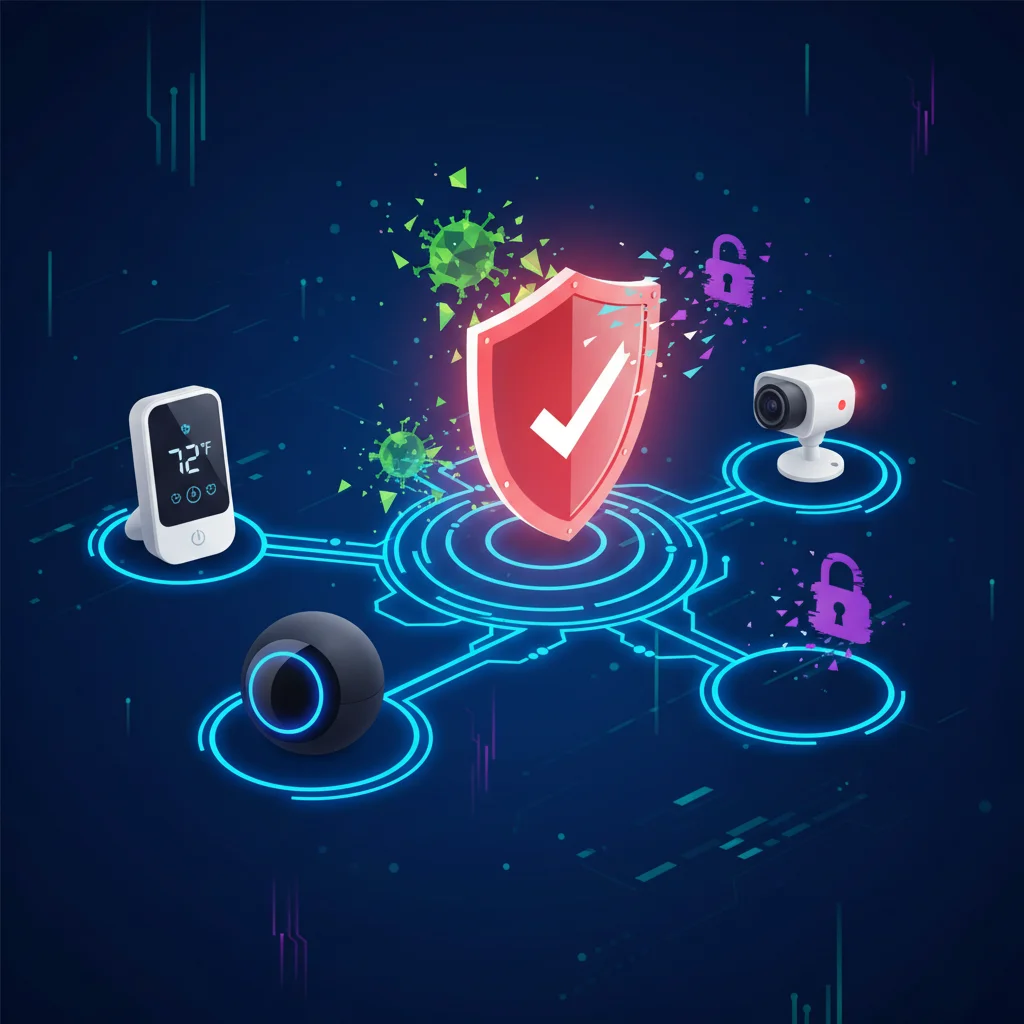
In our increasingly connected world, the Internet of Things (IoT) has seamlessly integrated into nearly every facet of our daily lives. From smart thermostats that learn our preferences to sophisticated security cameras guarding our homes, IoT devices promise unparalleled convenience and efficiency. However, this pervasive connectivity comes with a significant trade-off: an expanded attack surface for cybercriminals. As we march towards mid-2026, the urgency to address these vulnerabilities is escalating, particularly for US consumers who are rapidly adopting these technologies.
The sheer volume and diversity of IoT devices, coupled with often lax security practices, create fertile ground for malicious actors. A compromised smart device isn’t just an inconvenience; it can be a gateway into your entire home network, exposing sensitive personal data, enabling surveillance, or even being co-opted into larger botnets for distributed denial-of-service (DDoS) attacks. Understanding and mitigating these risks is no longer optional; it’s a critical component of modern digital citizenship.
This comprehensive guide will delve into three critical IoT cybersecurity threats that US consumers must prioritize and address by mid-2026. We will explore the nature of these vulnerabilities, the potential impacts they can have, and, most importantly, actionable steps you can take to protect yourself and your family. Our goal is to empower you with the knowledge and tools necessary to navigate the complex landscape of IoT security effectively.
Understanding the IoT Landscape and Its Inherent Risks
Before we dive into specific vulnerabilities, it’s essential to grasp the vastness and complexity of the IoT ecosystem. It encompasses everything from wearables and smart appliances to industrial sensors and connected vehicles. Each device, regardless of its size or function, represents a potential entry point for attackers if not properly secured. The rapid pace of innovation often outstrips the development and implementation of robust security measures, leaving many devices inherently vulnerable from the moment they leave the factory.
The interconnected nature of IoT means that a weakness in one device can compromise an entire network. Imagine a smart light bulb with a default password leading to a hacker gaining access to your home Wi-Fi, and from there, to your personal computer or banking information. This chain reaction is a nightmare scenario that is all too plausible without proper precautions. The convenience offered by IoT devices can quickly turn into a significant liability if security is an afterthought.
Furthermore, the long lifecycle of many IoT devices presents a unique challenge. Unlike smartphones or computers that are frequently updated and replaced, many IoT gadgets are expected to function for years, if not decades. This longevity means that vulnerabilities discovered years after a device’s release may never be patched, leaving a permanent backdoor for attackers. This is a critical factor contributing to the ongoing IoT cybersecurity threats that consumers face.
Critical IoT Cybersecurity Threat 1: Insecure Default Settings
One of the most pervasive and easily exploitable IoT cybersecurity threats stems from insecure default settings. Many IoT devices come pre-configured with generic, easily guessable usernames and passwords (e.g., admin/admin, user/password, or even no password at all). While convenient for initial setup, these defaults are a massive security liability.
Cybercriminals actively scan the internet for devices using these well-known default credentials. Automated scripts can attempt to log into millions of devices in minutes, and once access is gained, the possibilities for exploitation are endless. They can:
- Gain unauthorized access to your network: A compromised IoT device can act as a bridgehead, allowing attackers to move laterally within your home network and access other devices, including computers, smartphones, and network-attached storage (NAS) devices.
- Steal personal data: Smart cameras, baby monitors, and voice assistants often collect sensitive audio and video data. If compromised, this data can be intercepted, viewed, or listened to by unauthorized parties, leading to severe privacy breaches.
- Launch denial-of-service attacks: Compromised IoT devices can be conscripted into botnets – networks of hijacked devices – to launch large-scale DDoS attacks against websites and services. Your internet connection could be used without your knowledge, potentially slowing your service or making you an unwitting participant in illegal activities.
- Manipulate device functions: Attackers could remotely control smart locks, thermostats, or lighting systems, causing disruptions, property damage, or even posing a physical security risk.
Why Insecure Defaults Persist
Manufacturers often prioritize ease of use and rapid deployment over robust security. They assume users will change default settings, an assumption that frequently proves incorrect. The competitive market for IoT devices also means that cost-cutting measures might lead to less investment in secure development practices or user-friendly security setup processes. This negligence contributes significantly to IoT cybersecurity threats.
Addressing Insecure Default Settings by Mid-2026: Your Action Plan
To combat this critical vulnerability, US consumers must adopt a proactive approach:
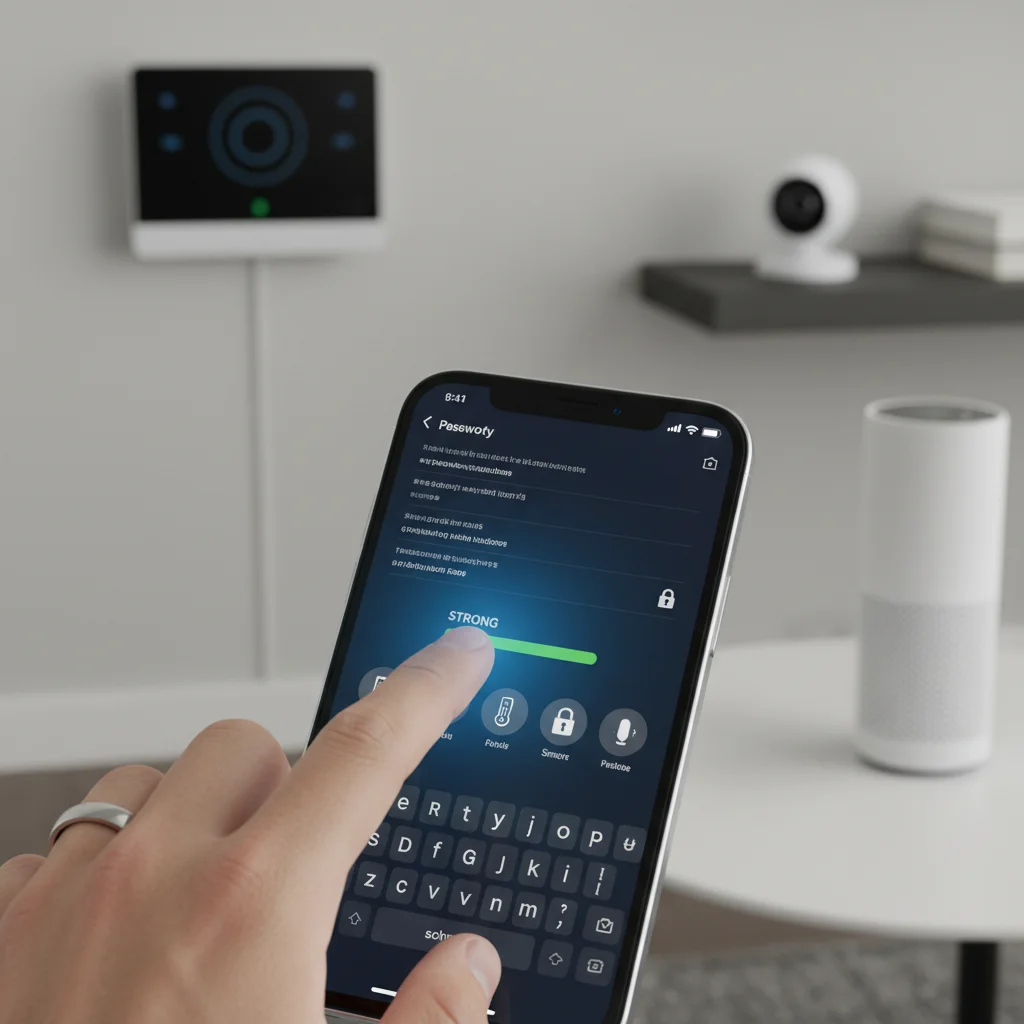
- Change ALL Default Passwords Immediately: This is the single most important step. As soon as you unbox and set up an IoT device, navigate to its settings (usually via a companion app or web interface) and change the default username and password to something strong and unique. A strong password should be long (12+ characters), include a mix of uppercase and lowercase letters, numbers, and symbols.
- Use Unique Passwords for Each Device: Do not reuse passwords across different IoT devices, or between IoT devices and your other online accounts. If one device is compromised, attackers won’t gain access to your entire digital life. A password manager can be invaluable for generating and storing these unique, complex passwords.
- Check for Default Usernames: Some devices allow you to change the default username (e.g., from ‘admin’ to something less obvious). If this option is available, utilize it.
- Disable Unnecessary Features: Many IoT devices come with features enabled by default that you may not need, such as remote access or UPnP (Universal Plug and Play). Disabling these features reduces the attack surface.
- Consult User Manuals or Online Guides: If you’re unsure how to change settings, refer to the device’s manual or the manufacturer’s support website.
Critical IoT Cybersecurity Threat 2: Unpatched Vulnerabilities and Lack of Updates
Software, by its very nature, is rarely perfect. Bugs and security flaws are discovered regularly, even in the most rigorously tested products. For traditional computing devices like PCs and smartphones, manufacturers release regular software updates and security patches to fix these vulnerabilities. However, the IoT ecosystem often lags significantly in this regard, making unpatched vulnerabilities a major IoT cybersecurity threat.
Many IoT devices, especially lower-cost models, are designed with minimal processing power and memory, making it challenging to implement robust update mechanisms. Some manufacturers cease support for devices shortly after release, leaving them permanently vulnerable to newly discovered exploits. This creates a ticking time bomb, as even a perfectly secure device at launch can become a significant risk years down the line when new vulnerabilities are found.
Consequences of Unpatched Devices
- Exploitation by Known Attack Vectors: Once a vulnerability becomes public, attackers quickly develop exploits. Unpatched devices become easy targets for these exploits, leading to various forms of compromise, from data theft to device hijacking.
- Botnet Recruitment: As mentioned earlier, unpatched devices are prime candidates for recruitment into botnets. These networks of compromised devices can be used for large-scale cyberattacks, spam distribution, or even cryptocurrency mining, all at the expense of your internet bandwidth and device performance.
- Persistent Backdoors: Some vulnerabilities allow attackers to install persistent malware or backdoors, giving them long-term access to your device and network, even if you try to reset it.
- Loss of Trust and Functionality: A compromised device might stop functioning correctly, or you might lose trust in its ability to protect your privacy and security.
Addressing Unpatched Vulnerabilities by Mid-2026: Your Action Plan
Mitigating the risk of unpatched vulnerabilities requires diligence and an understanding of your devices’ lifecycle:
- Research Before You Buy: Before purchasing an IoT device, research the manufacturer’s commitment to security updates. Look for reviews or information about how frequently they release patches and for how long they support their products. Prioritize brands with a strong reputation for ongoing security support.
- Enable Automatic Updates (When Available): Many modern IoT devices offer automatic firmware or software updates. Ensure this feature is enabled. While manual checks are still good, automation helps ensure you receive critical patches promptly.
- Manually Check for Updates Regularly: For devices without automatic updates, make it a habit to check the manufacturer’s website or the device’s companion app for new firmware releases at least once a quarter.
- Isolate Older or Unsupported Devices: If you have older IoT devices that no longer receive security updates, consider isolating them on a separate network segment (a guest Wi-Fi network or a dedicated VLAN, if your router supports it). This limits their ability to interact with and potentially compromise your main network.
- Consider Replacing End-of-Life Devices: While it might seem drastic, if a device is truly end-of-life and no longer receives critical security updates, the most secure option is to replace it with a newer, supported model.
- Monitor Security News: Stay informed about major IoT vulnerabilities that might affect your devices by following cybersecurity news outlets and reputable tech blogs.
Critical IoT Cybersecurity Threat 3: Insufficient Data Protection and Privacy Controls
The very essence of IoT is data collection. Smart devices gather vast amounts of information about our habits, environments, and even our most intimate moments. From fitness trackers monitoring our heart rate to smart speakers recording voice commands, this data, if not properly secured, represents a goldmine for cybercriminals and a severe privacy risk. Insufficient data protection and privacy controls are therefore paramount among IoT cybersecurity threats.
Many IoT devices collect more data than necessary, and some manufacturers may not employ adequate encryption or access controls to protect this data, both in transit and at rest. Furthermore, privacy policies can be opaque, making it difficult for consumers to understand what data is being collected, how it’s being used, and with whom it’s being shared.
Risks Associated with Poor Data Protection
- Identity Theft: Information collected by smart devices (e.g., location data, personal preferences, financial information if connected to payment systems) can be used to facilitate identity theft.
- Privacy Breaches: Unauthorized access to smart cameras, baby monitors, or voice recordings can lead to highly invasive privacy violations, allowing attackers to spy on private moments.
- Targeted Advertising and Exploitation: Data collected by IoT devices can be aggregated and sold to third parties for targeted advertising, or worse, used to profile individuals for various forms of exploitation.
- Blackmail and Extortion: Highly sensitive data, such as private video or audio recordings, could be used for blackmail if it falls into the wrong hands.
- Physical Security Risks: Compromised smart home data could reveal occupancy patterns, making homes more vulnerable to physical break-ins.
Addressing Insufficient Data Protection by Mid-2026: Your Action Plan
Protecting your personal data in the IoT era requires a careful review of privacy settings and an understanding of data flows:
- Review Privacy Policies: While often lengthy, make an effort to understand the privacy policy of each IoT device you purchase. Pay attention to what data is collected, how it’s used, and whether it’s shared with third parties. If a policy is unclear or concerning, consider an alternative product.
- Configure Privacy Settings: Most IoT devices and their companion apps offer privacy settings. Take the time to configure these to your comfort level. Disable data collection features you don’t need, limit location tracking, and opt-out of data sharing where possible.
- Use Strong Encryption: Ensure your home Wi-Fi network is secured with WPA2 or WPA3 encryption. This protects data as it travels between your devices and the internet.
- Segregate Sensitive Devices: Consider placing highly sensitive devices (e.g., security cameras, health monitors) on a separate network segment from less critical devices. This is a more advanced step but significantly enhances security.
- Limit Device Permissions: Just like smartphone apps, IoT devices often request permissions. Grant only the permissions necessary for the device to function. For example, a smart light bulb likely doesn’t need access to your microphone.
- Be Wary of Voice Assistants: Understand how voice assistants (like Amazon Alexa or Google Assistant) record and process your voice data. Review and delete past recordings periodically, and familiarize yourself with their privacy controls.
- Regularly Audit Connected Devices: Periodically review the list of devices connected to your home network. Disconnect or remove any devices you no longer use or don’t recognize.

The Path Forward: Securing Your Connected Life
The proliferation of IoT devices is an unstoppable trend, bringing with it immense benefits but also significant cybersecurity challenges. For US consumers, the period leading up to mid-2026 is critical for establishing robust security practices that will safeguard their digital homes and personal data. By focusing on the three critical IoT cybersecurity threats discussed – insecure default settings, unpatched vulnerabilities, and insufficient data protection – you can significantly reduce your risk exposure.
It’s important to remember that cybersecurity is not a one-time fix but an ongoing process. The threat landscape is constantly evolving, and so too must our defenses. Regularly reviewing your device settings, staying informed about new threats, and prioritizing security in your purchasing decisions are all crucial elements of a secure connected life.
Furthermore, consumers have a role to play in advocating for better security from manufacturers. By choosing products from companies that demonstrate a strong commitment to security and privacy, and by providing feedback when security falls short, we can collectively drive the industry towards more secure IoT ecosystems. Regulatory bodies are also increasingly focusing on IoT security, and consumer awareness will help shape future policies that mandate stronger protections.
The convenience of IoT should not come at the cost of your security and privacy. By taking proactive steps to address these critical IoT cybersecurity threats, you can enjoy the benefits of smart technology with greater peace of mind, knowing that your digital life is well-protected against the challenges of the modern cyber world.
Additional Best Practices for Enhanced IoT Security
- Network Segmentation: For advanced users, consider segmenting your network using VLANs (Virtual Local Area Networks). This allows you to place IoT devices on a separate network from your main computers and sensitive data, preventing them from interacting directly if compromised.
- Firewall Configuration: Ensure your router’s firewall is enabled and properly configured. For more control, consider a dedicated firewall appliance.
- Disable UPnP (Universal Plug and Play): While convenient, UPnP can automatically open ports on your router, creating potential security holes. It’s generally safer to disable it and manually configure port forwarding if absolutely necessary for specific applications.
- Strong Wi-Fi Passwords: In addition to individual device passwords, ensure your main Wi-Fi network has a strong, unique password.
- Two-Factor Authentication (2FA): If an IoT device or its companion app offers 2FA, enable it immediately. This adds an extra layer of security, requiring a second verification step (e.g., a code from your phone) in addition to your password.
- Physical Security: Don’t overlook the physical security of your IoT devices. Ensure they are placed in secure locations where they are less likely to be tampered with.
- Regular Device Audits: Periodically review all IoT devices connected to your network. Do you still use them? Are they still supported? Remove or replace any that are no longer needed or maintained.
- Educate Family Members: Ensure everyone in your household understands the importance of IoT security and follows best practices, especially regarding password changes and privacy settings.
By integrating these practices into your digital routine, you transform your connected home from a potential target into a fortified sanctuary. The future of IoT is bright, but only if we collectively commit to making it secure. Let’s work towards a safer, more private, and more reliable IoT experience for all US consumers by mid-2026 and beyond.