Quantum Computing’s Near-Term Impact: What 2026 Holds for U.S. Mobile App Development
Quantum Computing’s Near-Term Impact: What 2026 Holds for U.S. Mobile App Development
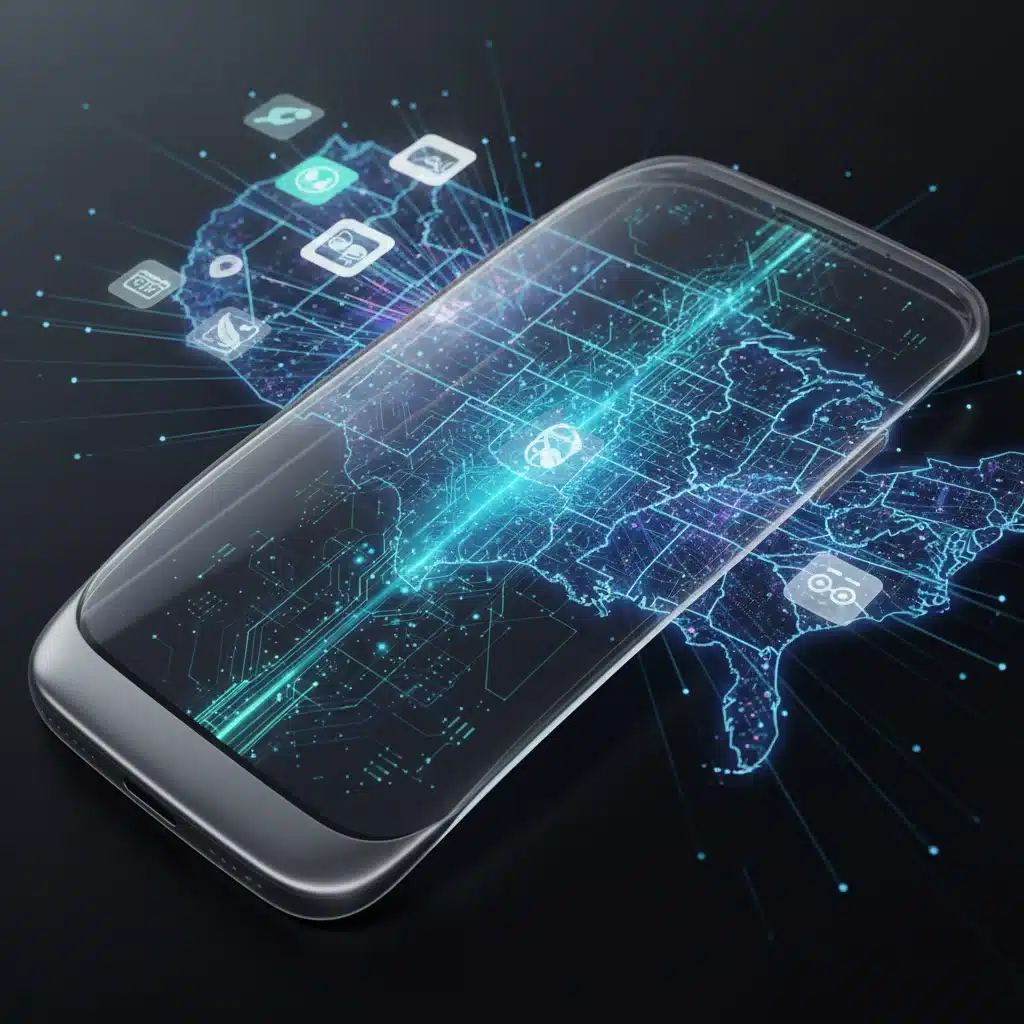
The technological landscape is in a perpetual state of flux, with innovations emerging at an unprecedented pace. Among these, quantum computing stands out as a disruptive force, promising to revolutionize various industries. While often perceived as a distant future technology, its near-term impact, particularly on the U.S. mobile app development sector, is closer than many realize. By 2026, we anticipate seeing tangible shifts driven by quantum-inspired algorithms and early quantum integrations. This article delves into the potential ramifications, challenges, and opportunities that quantum computing presents for quantum mobile apps in the United States.
The concept of quantum computing, with its principles of superposition and entanglement, allows for computational power far exceeding classical computers in specific problem domains. While full-scale, fault-tolerant quantum computers are still years away, the advancements in noisy intermediate-scale quantum (NISQ) devices and quantum-inspired classical algorithms are already beginning to influence computational strategies. For U.S. mobile app development, this translates into new possibilities for optimization, security, and complex data processing that were previously unattainable.
Understanding the Quantum Leap for Mobile Apps
Before we explore the 2026 horizon, it’s crucial to grasp what quantum computing means for mobile applications. It’s not about running an entire quantum computer on your smartphone; rather, it’s about leveraging quantum capabilities through cloud-based services or integrating quantum-inspired algorithms into classical mobile environments. This hybrid approach will define the early stages of quantum influence on quantum mobile apps.
Enhanced Optimization and Personalization
One of the most immediate benefits quantum-inspired algorithms can bring to mobile apps is in optimization. From logistics and supply chain management to personalized user experiences, the ability to process vast datasets and find optimal solutions more efficiently will be transformative. Imagine a navigation app that not only finds the fastest route but also optimizes for fuel efficiency, traffic patterns, and even your personal preferences in real-time, considering millions of variables. This level of optimization is where quantum algorithms excel.
For e-commerce, personalization could reach new heights. Quantum-inspired recommendation engines could analyze user behavior, preferences, and even emotional states with unprecedented accuracy, offering truly tailored product suggestions and content. This could significantly boost user engagement and conversion rates for mobile shopping applications.
Revolutionizing Data Security and Cryptography
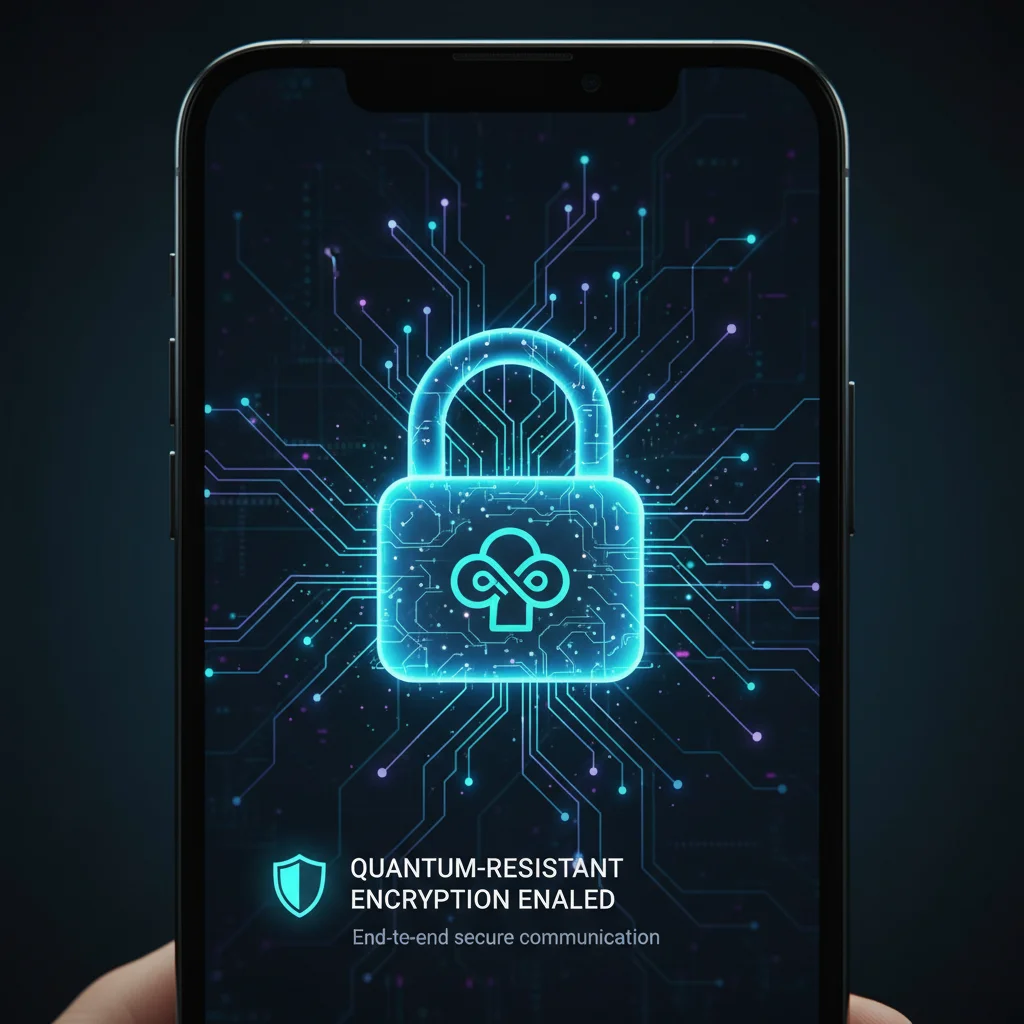
The advent of quantum computers poses a significant threat to current encryption standards, particularly public-key cryptography. This is a critical concern for all digital transactions and data stored on mobile devices. However, the same quantum principles that threaten current security can also be harnessed to create more robust, quantum-resistant cryptographic solutions. By 2026, we can expect to see the early adoption of post-quantum cryptography (PQC) standards in sensitive mobile applications, especially those dealing with financial data, healthcare records, and government communications.
U.S. mobile app developers will need to understand and implement these new cryptographic protocols to safeguard user data against future quantum attacks. This proactive approach will be crucial for maintaining trust and compliance in an increasingly quantum-aware world. The development of secure communication channels and data storage methods will be a priority, leading to a new era of ultra-secure quantum mobile apps.
Key Areas of Impact by 2026
1. Quantum-Inspired Machine Learning on Device
While full quantum machine learning might be distant, quantum-inspired algorithms running on classical mobile processors will become more prevalent. These algorithms can offer superior performance in tasks like pattern recognition, anomaly detection, and natural language processing. This means more intelligent voice assistants, more accurate image recognition features, and more responsive AI in gaming and productivity apps, all processed more efficiently on the device itself, reducing latency and reliance on cloud resources.
Consider the potential for medical diagnostic apps that use quantum-inspired ML to analyze complex biological data from wearables or direct inputs, providing more accurate and faster preliminary diagnoses. Or, financial apps that detect fraudulent activities with greater precision by identifying subtle, complex patterns that classical algorithms might miss. The performance gains for quantum mobile apps in these areas will be substantial.
2. Advanced Simulation and Modeling
Industries like manufacturing, pharmaceuticals, and materials science rely heavily on complex simulations. Mobile apps serving these sectors could leverage cloud-based quantum computing services or quantum-inspired algorithms for more accurate and faster simulations. For instance, an architect could use a mobile app to run structural integrity simulations with greater fidelity, or a chemist could model molecular interactions on the go, accelerating research and development cycles. This accessibility to powerful simulation tools via mobile devices will democratize advanced scientific and engineering capabilities.
3. Enhanced Gaming and Augmented Reality (AR)
The demand for immersive and realistic experiences in mobile gaming and AR is ever-growing. Quantum-inspired algorithms can contribute to more sophisticated physics engines, realistic graphics rendering, and complex AI behaviors in games. For AR, this could mean more accurate environmental mapping, better object recognition, and more seamless integration of virtual objects into the real world, leading to truly groundbreaking quantum mobile apps for entertainment and utility.
4. Cybersecurity and Quantum-Resistant Protocols
As mentioned, the threat of quantum attacks on current encryption is real. By 2026, it is highly probable that developers will begin integrating post-quantum cryptography (PQC) libraries into their mobile applications, especially for sensitive data transmission and storage. This will involve updating cryptographic primitives and protocols to ensure that mobile communications remain secure against future quantum adversaries. Financial institutions, healthcare providers, and government agencies will be among the first to mandate these updates, setting a new standard for mobile app security.
Challenges for U.S. Mobile App Developers
While the opportunities are vast, the integration of quantum computing into mobile app development is not without its challenges.
1. Skill Gap and Education
The most significant hurdle is the current shortage of developers skilled in quantum mechanics, quantum algorithms, and hybrid quantum-classical programming. Universities and vocational programs will need to rapidly adapt their curricula to produce a workforce capable of navigating this new paradigm. For existing U.S. mobile app developers, continuous learning and upskilling will be essential to remain competitive.
2. Accessibility and Cost of Quantum Resources
Access to actual quantum hardware is still limited and often expensive, primarily available through cloud platforms. While quantum-inspired algorithms can run on classical hardware, leveraging true quantum advantage will require developers to integrate with these cloud services. The cost and latency associated with these services could be prohibitive for smaller development teams or apps requiring real-time quantum processing. This will necessitate careful cost-benefit analysis for each quantum mobile apps project.
3. Standardization and Tooling
The quantum computing landscape is still nascent, with various hardware architectures and programming languages (e.g., Qiskit, Cirq) vying for dominance. A lack of universal standards and mature development tools can complicate the development process, making it harder to build scalable and maintainable quantum-enabled mobile applications. The industry will need to converge on common frameworks and best practices to accelerate adoption.

Furthermore, debugging quantum algorithms is inherently complex due to the probabilistic nature of quantum mechanics. Developers will need new tools and methodologies to effectively test and debug quantum-inspired components within their mobile applications, ensuring reliability and performance.
4. Hardware Limitations of Mobile Devices
While quantum-inspired algorithms can run on classical mobile processors, the computational demands can still be significant. Battery life, processing power, and memory constraints of mobile devices will dictate how much quantum-inspired computation can be performed on-device versus off-device (cloud). Developers will need to optimize their algorithms and leverage efficient hybrid architectures to balance performance with device limitations for quantum mobile apps.
Opportunities for U.S. Mobile App Developers by 2026
Despite the challenges, the emergence of quantum computing offers unprecedented opportunities for innovation and competitive advantage in the U.S. mobile app market.
1. Early Adopter Advantage
Companies and developers who proactively invest in understanding and integrating quantum-inspired capabilities will gain a significant first-mover advantage. This could lead to the creation of entirely new categories of mobile applications or disruptive improvements to existing ones, capturing market share and establishing leadership in specialized niches. Being an early adopter in the quantum mobile apps space could define future market leaders.
2. Niche Market Specialization
Certain sectors are inherently more suited for early quantum adoption due to their complex computational needs. These include finance (for complex modeling and fraud detection), healthcare (for drug discovery and personalized medicine), logistics (for route optimization), and cybersecurity. Developers specializing in these areas can carve out valuable niches by offering quantum-enhanced mobile solutions.
3. Collaboration with Quantum Research Institutions
U.S. universities and national labs are at the forefront of quantum research. Mobile app developers can forge partnerships with these institutions to gain access to cutting-edge research, early-stage quantum hardware, and expert talent. Such collaborations can accelerate the development of innovative quantum mobile apps and provide a competitive edge.
4. Developing Quantum-Resistant Security Solutions
The impending threat to current cryptography creates an urgent need for robust post-quantum security solutions. Developers who can successfully implement and offer PQC in their mobile apps will be highly sought after, particularly in industries with stringent security requirements. This area represents a significant opportunity for security-focused mobile app development firms.
Strategic Roadmap for Mobile App Developers
To prepare for the quantum shift by 2026, U.S. mobile app developers should consider the following strategic steps:
- Educate and Train: Invest in training programs for existing developers on quantum-inspired algorithms, post-quantum cryptography, and hybrid computing architectures. Encourage learning of quantum programming frameworks.
- Monitor Quantum Progress: Stay abreast of the latest developments in quantum hardware, software, and algorithms. Follow research from leading quantum computing companies and academic institutions.
- Experiment with Quantum-Inspired Algorithms: Begin experimenting with open-source quantum-inspired libraries and tools that can run on classical hardware. Identify potential use cases within existing or new mobile applications.
- Explore Cloud-Based Quantum Services: Familiarize yourselves with quantum computing platforms offered by major cloud providers (e.g., AWS Braket, IBM Quantum Experience, Azure Quantum). Understand their capabilities, pricing models, and integration methods.
- Prioritize Post-Quantum Cryptography (PQC): Start evaluating and planning for the integration of PQC standards into mobile apps, especially those handling sensitive user data. This is a crucial step towards future-proofing security for quantum mobile apps.
- Foster Collaboration: Seek out partnerships with quantum experts, research institutions, and other companies exploring quantum applications to share knowledge and resources.
- Develop Hybrid Architectures: Focus on designing mobile app architectures that can seamlessly integrate classical and quantum-inspired or quantum cloud components, optimizing for performance, cost, and security.
The Regulatory and Ethical Landscape
As quantum technology advances, the regulatory and ethical implications for mobile app development will also come into focus. Governments and international bodies are already beginning to discuss standards for quantum security and the responsible use of quantum technologies. U.S. mobile app developers will need to be aware of evolving regulations concerning data privacy, algorithmic bias, and the ethical deployment of powerful quantum-enhanced AI. Compliance with these future regulations will be vital for market acceptance and legal standing.
For instance, the enhanced personalization capabilities driven by quantum-inspired ML could raise new questions about user privacy and data exploitation. Developers will need to ensure transparency in how data is used and provide users with greater control over their information, adhering to principles of privacy-by-design. The ethical considerations around powerful AI in quantum mobile apps will become more pronounced.
Conclusion: The Quantum Horizon for Mobile Apps
By 2026, quantum computing will not have fully replaced classical computing, but its influence on U.S. mobile app development will be undeniable. We will witness the rise of quantum mobile apps that are more optimized, more secure, and more intelligent, driven by quantum-inspired algorithms and early integrations with cloud-based quantum services. The journey will be challenging, requiring a significant investment in skills, tools, and strategic planning.
However, for those U.S. mobile app developers and companies willing to embrace this quantum leap, the rewards will be substantial. It’s an opportunity to innovate, differentiate, and shape the future of mobile technology. The next few years will be a critical period for exploration and adaptation, laying the groundwork for a truly quantum-enhanced mobile experience. Prepare to unlock a new dimension of possibilities in mobile app development.