Mobile Biometrics 2026: Trends, Security, and Future Implications
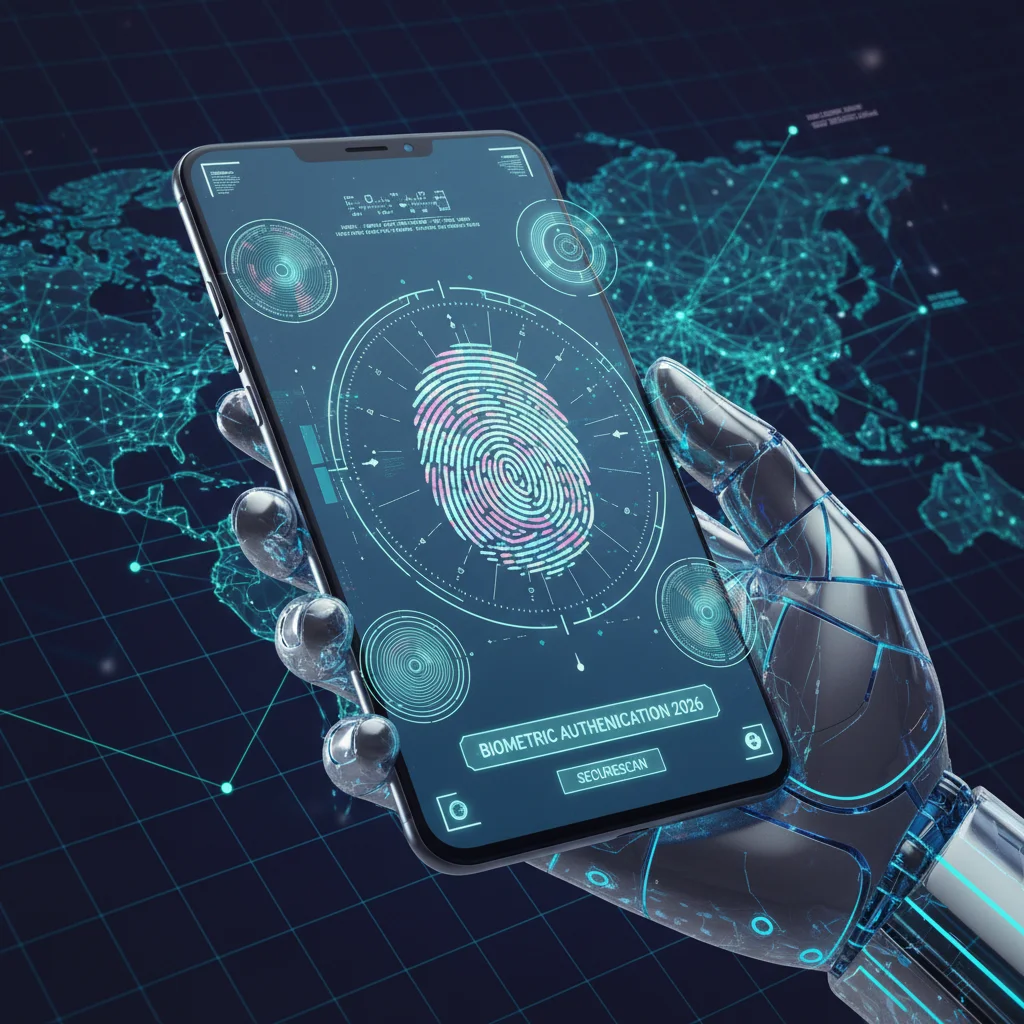
The landscape of digital security is in a perpetual state of evolution, with mobile biometrics standing at the forefront of this transformative journey. As we gaze towards 2026, the integration of biometric authentication into our daily mobile interactions is set to reach unprecedented levels. This isn’t merely about convenience; it’s about fundamentally redefining how we secure our digital lives, access services, and interact with the world around us. The convergence of advanced sensor technology, artificial intelligence, and evolving user expectations is propelling Mobile Biometrics 2026 into a realm of sophisticated and robust security solutions.
For years, PINs and passwords have been the gatekeepers of our digital domains. However, their inherent vulnerabilities – susceptibility to brute-force attacks, phishing, and simple human error – have long necessitated a more secure, intuitive, and user-friendly alternative. Biometrics, leveraging unique biological and behavioral characteristics, has emerged as that compelling alternative. From fingerprint scanners on early smartphones to the sophisticated facial recognition systems of today, the journey has been swift and impactful. By 2026, this evolution will have matured significantly, presenting both incredible opportunities and complex challenges.
This comprehensive exploration will delve deep into the anticipated trends shaping Mobile Biometrics 2026, scrutinize the security implications of these advancements, and provide insider knowledge on what to expect in the coming years. We will examine the technological breakthroughs, the ethical considerations, the regulatory frameworks, and the practical applications that will define the next generation of mobile authentication. Understanding these facets is crucial for individuals, businesses, and policymakers alike to navigate the future of digital security effectively.
The Accelerating Evolution of Mobile Biometrics Technology
The foundation of Mobile Biometrics 2026 is built upon continuous technological innovation. What started as relatively simple authentication methods has blossomed into a complex ecosystem of interwoven technologies designed to offer unparalleled security and user experience. The key drivers of this evolution include advancements in sensor technology, the pervasive influence of artificial intelligence and machine learning, and the increasing demand for seamless, yet ironclad, security.
Advanced Sensor Technology: Beyond the Surface
Current mobile devices predominantly rely on capacitive fingerprint sensors and 2D facial recognition. However, by 2026, we anticipate a significant shift towards more advanced and secure sensor technologies. Under-display fingerprint sensors, which are already gaining traction, will become standard, offering greater design flexibility and durability. Beyond this, ultrasonic fingerprint sensors will provide even greater accuracy and security by mapping the 3D ridges and pores of a fingerprint, making spoofing significantly harder.
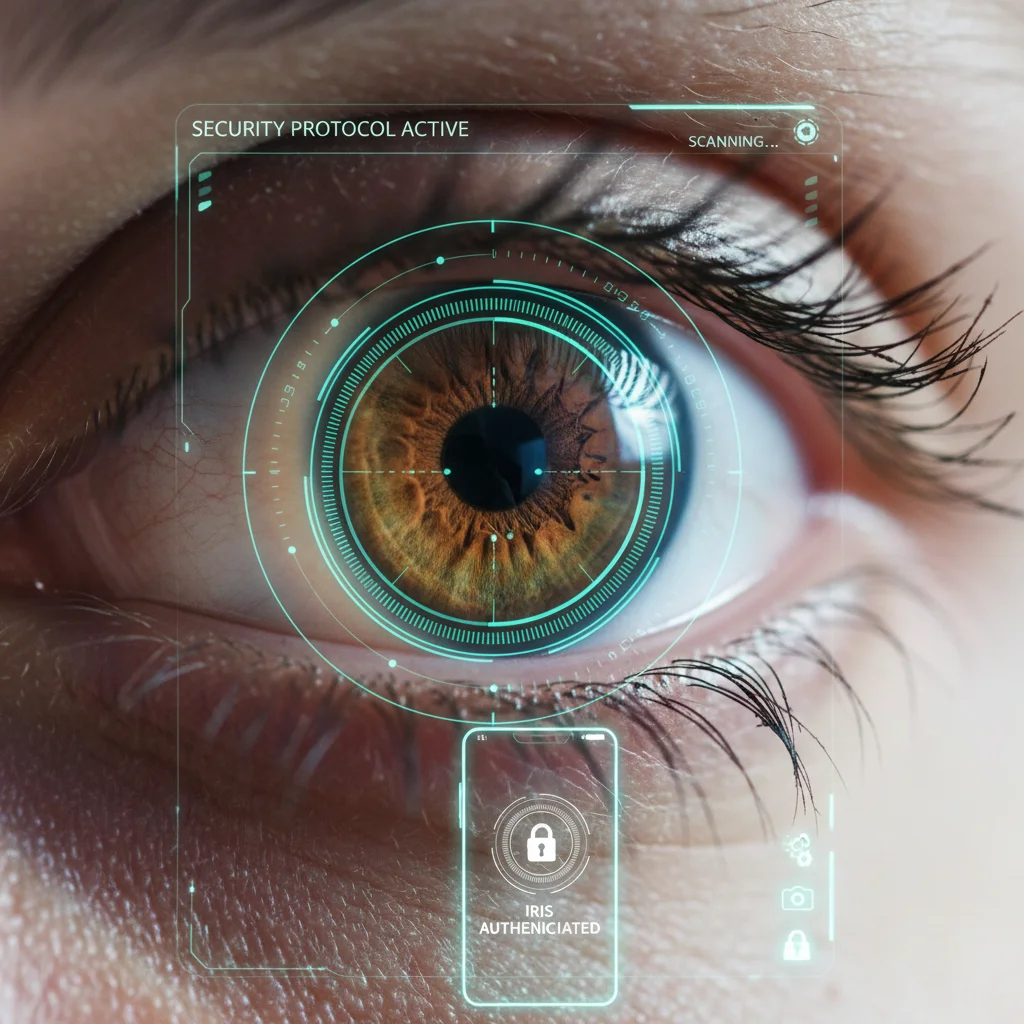
Facial recognition will also move beyond simple 2D scans. 3D facial mapping, utilizing structured light or time-of-flight sensors, will be the norm, providing a much richer dataset for authentication and drastically reducing the risk of spoofing with photos or videos. Furthermore, iris recognition, though less common on mainstream devices today, is poised for a resurgence. The unique patterns of the iris offer an extremely high degree of accuracy and resistance to spoofing, making it an ideal candidate for high-security applications on mobile platforms.
The AI and Machine Learning Imperative
Artificial intelligence (AI) and machine learning (ML) are the unsung heroes behind the increased accuracy and adaptability of Mobile Biometrics 2026. These technologies are crucial for processing complex biometric data, identifying subtle patterns, and distinguishing between legitimate users and fraudulent attempts. ML algorithms continuously learn from new data, improving their performance over time and adapting to variations in biometric inputs, such as changes in appearance or minor injuries to a finger.
AI-powered liveness detection is perhaps one of the most critical applications. This technology can analyze subtle cues – micro-expressions, skin texture, pupil dilation, or blood flow – to determine if the biometric sample is coming from a live person or a static representation. This capability is vital in combating sophisticated spoofing attacks and will be a standard feature in most biometric systems by 2026. Moreover, AI will enable multi-modal biometrics, intelligently combining data from different biometric modalities to enhance both security and convenience.
Behavioral Biometrics: The Invisible Layer of Security
Beyond physiological characteristics, behavioral biometrics will play an increasingly significant role in Mobile Biometrics 2026. This involves analyzing unique patterns in how a user interacts with their device: typing rhythm, swipe gestures, gait, voice patterns, and even how they hold their phone. Unlike physiological biometrics, which are typically used for a single authentication event, behavioral biometrics offer continuous authentication, constantly verifying the user’s identity in the background.
This continuous authentication provides an invisible layer of security, making it extremely difficult for an unauthorized user to maintain access to a device even if they somehow bypass an initial biometric check. If the system detects a deviation from the established behavioral profile, it can trigger re-authentication or restrict access to sensitive applications. This passive, yet powerful, security mechanism will be a game-changer for protecting sensitive data and transactions.
Key Trends Shaping Mobile Biometrics in 2026
Several overarching trends will define the landscape of Mobile Biometrics 2026, influencing everything from system design to user adoption and regulatory scrutiny.
Multi-modal Biometrics as the Standard
The days of relying on a single biometric factor for authentication are rapidly fading. By 2026, multi-modal biometrics – combining two or more distinct biometric modalities – will become the industry standard. This approach significantly enhances security by requiring multiple unique identifiers, making it exponentially harder for attackers to compromise a system. For instance, a device might require both a facial scan and a fingerprint, or an iris scan combined with a voice print.
Beyond enhanced security, multi-modal systems also offer greater flexibility and convenience. If one biometric modality is unavailable (e.g., a user wearing a mask for facial recognition, or a wet finger for a fingerprint scanner), another can seamlessly take its place, ensuring a smooth user experience without compromising security. AI will play a critical role in intelligently orchestrating these different modalities, determining the optimal combination based on context and risk assessment.
Expansion into Diverse Use Cases
While mobile biometrics are currently prevalent for unlocking phones and authorizing payments, Mobile Biometrics 2026 will see their application expand into a myriad of new use cases. This includes:
- Healthcare: Secure access to patient records, prescription verification, and remote patient monitoring.
- Automotive: Keyless entry, personalized driver profiles, and even driver drowsiness detection.
- Travel and Hospitality: Expedited check-ins at airports and hotels, digital identity verification, and personalized service delivery.
- Government and Public Services: Digital ID cards, secure voting, and access to sensitive government portals.
- Smart Homes and IoT: Authenticating users for smart home devices, controlling access to specific functions, and personalized environmental settings.
This widespread adoption will necessitate robust and standardized biometric frameworks to ensure interoperability and consistent security across different platforms and services.
Decentralized Identity and Self-Sovereign Identity (SSI)
The concept of decentralized identity and Self-Sovereign Identity (SSI) will gain considerable traction by 2026, with mobile biometrics playing a central role. Instead of relying on centralized authorities to verify identity, SSI empowers individuals to control their digital identities and share verifiable credentials selectively. Mobile biometric authentication will be the key mechanism for users to unlock and prove ownership of these digital identities on their devices.
This shift promises greater privacy and security, as personal biometric data would ideally be stored locally on the device, encrypted, and never leave the user’s control without explicit consent. Blockchain technology is often foundational to SSI, providing an immutable ledger for verifying credentials without revealing underlying personal data. Mobile Biometrics 2026 will be instrumental in making SSI a practical reality for everyday users.
Security Implications and Challenges for 2026
While the advancements in Mobile Biometrics 2026 promise enhanced security, they also introduce new challenges and elevate existing concerns. Addressing these implications proactively is paramount to realizing the full potential of these technologies.
The Ever-Present Threat of Spoofing and Presentation Attacks
As biometric systems become more sophisticated, so do the methods employed by attackers to bypass them. Spoofing, or presentation attacks, involve presenting a fake biometric sample to the sensor. While 3D facial recognition and ultrasonic fingerprints significantly raise the bar, deepfake technology, advanced prosthetics, and even sophisticated 3D-printed replicas could pose threats.
The continuous development of AI-powered liveness detection – often referred to as Presentation Attack Detection (PAD) – will be crucial in mitigating these risks. PAD systems will need to evolve rapidly, staying ahead of new spoofing techniques by analyzing an increasingly complex array of physiological and behavioral cues. Regular updates and robust training datasets for these AI models will be essential.
Privacy Concerns and Data Protection
The widespread adoption of Mobile Biometrics 2026 inevitably amplifies privacy concerns. Biometric data is inherently sensitive and immutable; unlike a password, a compromised fingerprint or iris scan cannot be easily changed. This makes the secure storage and processing of biometric templates critical.
By 2026, stringent data protection regulations, mirroring or even exceeding GDPR and CCPA, will likely be in place globally. These regulations will mandate robust encryption, secure storage (preferably on-device or in secure enclaves), strict consent mechanisms, and clear policies regarding data retention and usage. The principle of ‘privacy by design’ will become non-negotiable for any biometric system developer.
Insider Threats and Supply Chain Vulnerabilities
The supply chain for biometric components and software is complex, involving numerous vendors and manufacturers. This complexity introduces potential vulnerabilities at various stages, from hardware manufacturing to software development. Insider threats, whether malicious or accidental, also pose a risk, particularly in organizations responsible for managing biometric databases or developing core technologies.
Mitigating these risks requires comprehensive security audits throughout the supply chain, robust access controls, and continuous monitoring. Secure hardware design, such as Trusted Execution Environments (TEEs) and Secure Enclaves, will be fundamental in protecting biometric data from even low-level system compromises.
The Challenge of Biometric Revocation
One of the unique challenges of biometrics is the difficulty of revocation. If a password is stolen, it can be changed. If a physical key is lost, the lock can be rekeyed. But if a biometric template is compromised, it’s a permanent vulnerability. While techniques like cancelable biometrics (transforming the biometric data into a non-reversable template) offer a partial solution, the fundamental issue remains.
This necessitates an even greater emphasis on the security of the entire biometric lifecycle, from enrollment to authentication to template storage. The goal for Mobile Biometrics 2026 will be to ensure that raw biometric data never leaves the secure enclave of the device and that only irreversible, encrypted templates are used for matching, further minimizing the impact of a potential breach.
Insider Knowledge: What to Expect by 2026
Beyond the general trends and challenges, certain specific developments are likely to gain significant traction by 2026, offering a glimpse into the cutting edge of mobile biometric innovation.
Fusion of Biometrics with AI-Driven Contextual Authentication
Future mobile authentication won’t just rely on who you are, but also on where you are, what you’re doing, and even your emotional state. Contextual authentication, powered by advanced AI, will combine biometric data with environmental factors (location, time of day), device telemetry (network, battery level), and user behavior (app usage patterns) to create a highly dynamic and adaptive security profile.
For instance, if you usually access your banking app from your home network, an attempt from an unfamiliar location using a slightly off-kilter biometric scan might trigger a higher level of authentication, such as a secondary PIN or even a human review. This intelligent fusion will provide a more nuanced and resilient security posture, minimizing friction for legitimate users while maximizing protection against anomalies.
Standardization and Interoperability
As mobile biometrics become ubiquitous, the need for robust industry standards will become critical. By 2026, we expect to see greater collaboration between technology providers, industry consortiums (like FIDO Alliance), and regulatory bodies to establish common protocols for biometric data exchange, template formats, and performance benchmarks. This will ensure interoperability across different devices and services, fostering a more seamless and secure ecosystem.
Such standardization will also help in mitigating vendor lock-in and promoting a competitive market, ultimately benefiting consumers with more secure and diverse options for biometric authentication.
Biometrics in the Metaverse and Extended Reality (XR)
The nascent but rapidly growing fields of the metaverse and extended reality (XR – encompassing VR, AR, and MR) present a new frontier for mobile biometrics. By 2026, as these technologies become more integrated with mobile devices, biometrics will be essential for user authentication within virtual environments, protecting digital assets, and ensuring secure transactions.
Imagine using your unique gait or hand gestures – captured by mobile sensors – to authenticate your avatar in a virtual world, or using eye-tracking biometrics to confirm purchases within an AR shopping experience. These applications will push the boundaries of what constitutes ‘mobile’ biometrics, extending beyond the physical device into immersive digital spaces.

The Regulatory Landscape and Ethical Considerations
The rapid advancement of Mobile Biometrics 2026 will inevitably bring increased scrutiny from regulators and provoke deeper ethical discussions. The balance between security, convenience, and individual rights will be a central theme.
Evolving Legal Frameworks
Governments worldwide are grappling with how to regulate biometric data. By 2026, we anticipate more specific and comprehensive legal frameworks addressing the collection, storage, processing, and sharing of biometric information. These laws will likely focus on:
- Explicit Consent: Requiring clear and unambiguous consent from individuals before collecting their biometric data.
- Data Minimization: Mandating that only necessary biometric data is collected and retained.
- Purpose Limitation: Ensuring that biometric data is only used for the specific purposes for which it was collected.
- Right to Deletion: Granting individuals the right to request the deletion of their biometric data.
- Accountability: Holding organizations responsible for the secure handling of biometric data and imposing significant penalties for non-compliance.
These regulations will shape how companies design and deploy biometric solutions, pushing for greater transparency and user control.
Ethical Dilemmas: Surveillance and Discrimination
The widespread use of mobile biometrics also raises profound ethical questions. The potential for ubiquitous surveillance, where individuals can be identified and tracked without their explicit knowledge or consent, is a significant concern. Governments and corporations could potentially leverage these technologies for mass monitoring, eroding civil liberties.
Furthermore, biases in biometric algorithms, particularly in facial recognition, have been documented, leading to potential discrimination against certain demographic groups. By 2026, there will be an increased focus on developing ‘fair AI’ and ensuring that biometric systems are trained on diverse datasets to minimize bias and prevent discriminatory outcomes. Ethical guidelines for the responsible development and deployment of biometric AI will become increasingly important.
The Need for Education and Transparency
Public trust is paramount for the successful adoption of Mobile Biometrics 2026. This trust hinges on robust education and transparency. Users need to understand how their biometric data is collected, stored, and used, as well as the security measures in place to protect it. Companies and developers have a responsibility to communicate these aspects clearly and avoid opaque practices.
Educational initiatives can help demystify biometrics, addressing common misconceptions and allaying fears about privacy and security. A well-informed public is more likely to embrace these technologies responsibly and advocate for appropriate safeguards.
Conclusion: Navigating the Biometric Frontier of 2026
The future of mobile biometrics in 2026 is one of immense promise, offering a path towards a more secure, convenient, and intuitive digital existence. From advanced multi-modal systems and behavioral biometrics to their integration into decentralized identity frameworks and the burgeoning metaverse, these technologies are set to revolutionize how we interact with our mobile devices and the digital world.
However, this transformative journey is not without its complexities. The persistent threat of sophisticated spoofing attacks, the critical need for robust data privacy, and the profound ethical considerations surrounding surveillance and algorithmic bias demand vigilant attention and proactive solutions. The success of Mobile Biometrics 2026 will depend not only on technological prowess but also on the collective commitment to developing these systems responsibly, ethically, and with the user’s privacy and security at the core.
As we move closer to 2026, individuals and organizations must stay informed about these evolving trends, understand the security implications, and engage in the ongoing dialogue about the ethical deployment of biometric technologies. By doing so, we can ensure that the future of mobile biometrics truly serves humanity, enhancing our digital lives without compromising our fundamental rights and freedoms. The journey has just begun, and the coming years promise to be nothing short of revolutionary.