Augmented Reality in US Retail: Driving 15% More Engagement by 2026
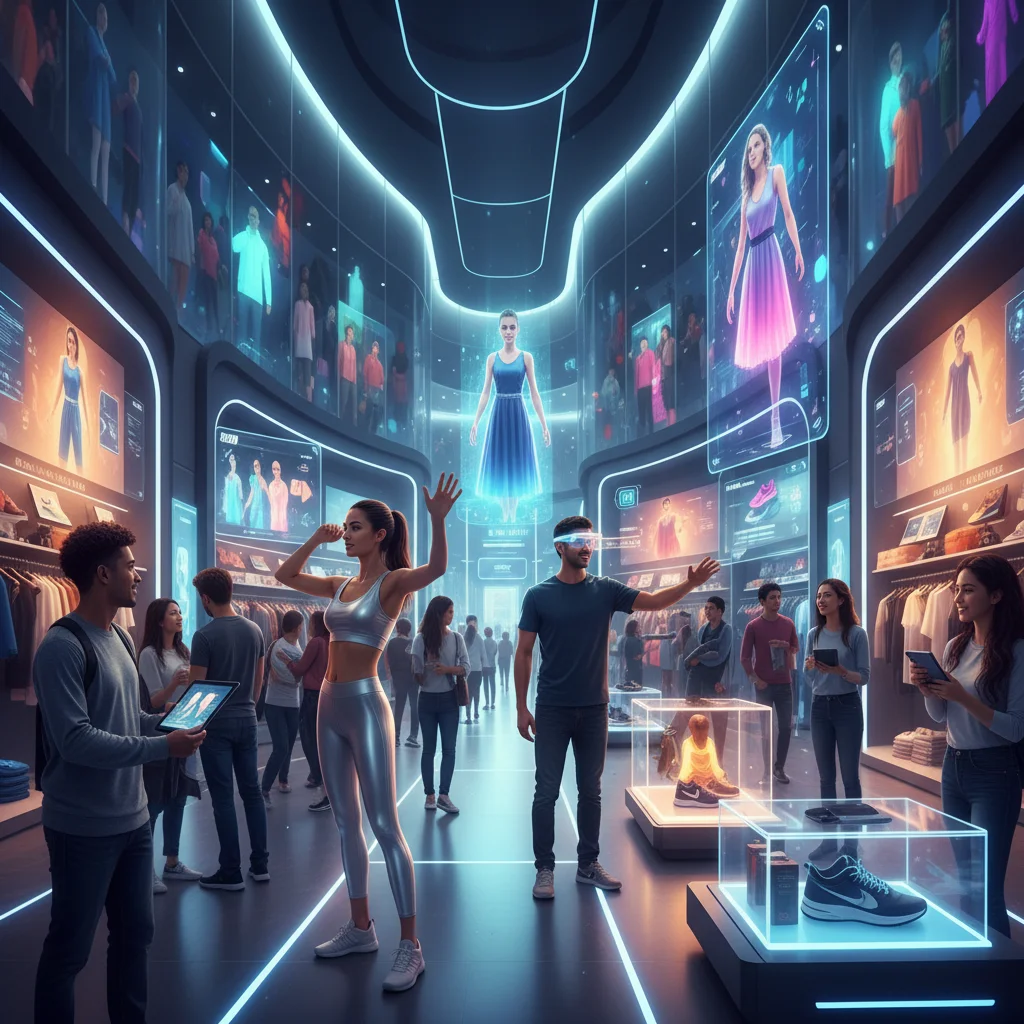
Augmented Reality in US Retail: How 3 Key Technologies Are Driving 15% More Engagement in 2026
The retail landscape is in a constant state of flux, driven by evolving consumer expectations and technological advancements. In the United States, a significant transformation is underway, spearheaded by Augmented Reality (AR). This isn’t just a fleeting trend; it’s a powerful force reshaping how consumers interact with brands and products. Projections indicate that AR is poised to drive a remarkable 15% increase in customer engagement across US retail by 2026. This article delves into the core of this revolution, exploring three key AR technologies that are at the forefront of this seismic shift, and how they are creating more immersive, personalized, and ultimately, more engaging shopping experiences for the modern consumer.
The journey of retail has always been about connection – connecting products with people, needs with solutions, and desires with fulfillment. For centuries, this connection was largely physical, relying on brick-and-mortar stores, knowledgeable sales associates, and tangible product demonstrations. The advent of e-commerce introduced a new dimension, offering unparalleled convenience and choice, but often at the expense of sensory engagement and the immediate gratification of a physical interaction. Now, Augmented Reality is emerging as the bridge between these two worlds, seamlessly blending the digital and physical to create a hybrid retail experience that offers the best of both. This convergence is not merely about novelty; it’s about addressing fundamental consumer pain points, enhancing decision-making, and fostering a deeper emotional connection with brands.
The promise of AR in retail extends far beyond simple entertainment. It offers tangible benefits for both consumers and retailers. For consumers, AR provides an unprecedented level of product understanding, allowing them to visualize items in their own environments, try on clothes virtually, or interact with digital overlays that provide rich product information. This reduces uncertainty, boosts confidence in purchasing decisions, and transforms passive browsing into an active, exploratory experience. For retailers, AR translates into higher conversion rates, reduced return rates, increased customer satisfaction, and a powerful differentiator in a crowded market. It allows them to create memorable brand experiences, gather valuable data on customer preferences, and optimize their inventory and merchandising strategies based on real-time interactions.
As we look towards 2026, the integration of AR into US retail is not just an aspiration; it’s a strategic imperative for businesses aiming to stay competitive and relevant. The technologies we will explore are not theoretical concepts; they are already being deployed by forward-thinking brands, demonstrating clear and measurable impacts on customer engagement and ultimately, the bottom line. Understanding these technologies and their applications is crucial for any retailer looking to navigate the evolving digital landscape and harness the power of AR to unlock new levels of customer connection and commercial success.
The Rise of Virtual Try-On (VTO) Technology: Redefining Personalization
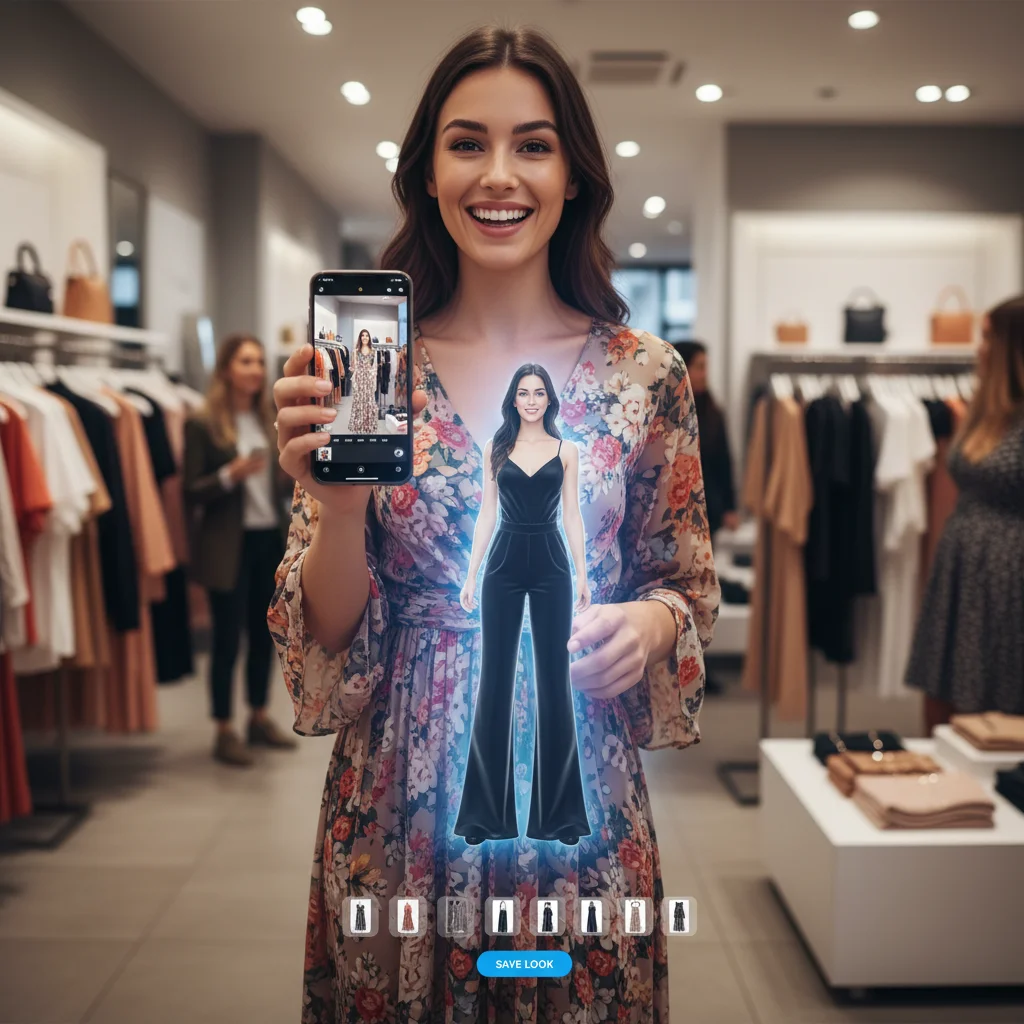
One of the most impactful applications of AR in retail, and a significant driver of AR retail engagement, is Virtual Try-On (VTO) technology. This innovation allows customers to digitally try on products, from clothing and accessories to makeup and eyewear, using their smartphone cameras or in-store smart mirrors. The implications for both online and in-store shopping are profound, addressing a core challenge of retail: the inability to physically interact with a product before purchase, especially in e-commerce.
Historically, buying clothes or makeup online has been fraught with uncertainty. Will it fit? Will the color suit me? How will it look on my body type? These questions often lead to abandoned carts and high return rates, costly issues for retailers. VTO technology directly tackles these concerns by overlaying digital representations of products onto the user’s live image or 3D avatar. This creates a realistic and interactive simulation, empowering customers to make more informed decisions and reducing the friction associated with online shopping.
How VTO Enhances the Customer Journey:
- Reduced Uncertainty: Customers can see how a product looks on them before buying, significantly increasing purchase confidence.
- Personalized Experience: VTO offers a highly personalized shopping journey, tailored to the individual’s appearance and preferences.
- Increased Engagement: The interactive nature of VTO makes shopping more entertaining and engaging, encouraging longer browsing sessions and deeper exploration of product catalogs.
- Lower Return Rates: By allowing customers to virtually ‘test’ products, VTO helps ensure a better fit and style match, leading to fewer returns and higher customer satisfaction.
- Bridging Online and Offline: VTO can be deployed both as a web-based or app-based feature for e-commerce and as smart mirrors in physical stores, creating a cohesive omnichannel experience.
Leading brands have already embraced VTO with remarkable success. Companies like Warby Parker pioneered virtual try-on for eyewear, allowing customers to see how different frames suit their faces from the comfort of their homes. Similarly, Sephora’s Virtual Artist app enables users to try on various makeup shades and styles, revolutionizing the beauty shopping experience. Apparel brands are also heavily investing in VTO, providing solutions that range from basic overlay to advanced 3D body scanning for accurate sizing. This ability to visualize and interact with products in a highly personal way is a game-changer for AR retail engagement.
The technological sophistication behind VTO is continuously advancing. Early versions might have been clunky, but today’s VTO solutions leverage advanced computer vision, 3D modeling, and real-time rendering to create incredibly realistic and seamless experiences. AI algorithms are also being integrated to offer personalized recommendations based on the user’s virtual try-on sessions, further enhancing the relevance and effectiveness of the technology. As smartphone cameras become more powerful and 5G networks enable faster data processing, the realism and accessibility of VTO will only continue to improve, making it an indispensable tool for retailers aiming to thrive in the digital age.
The impact of VTO on AR retail engagement is undeniable. It transforms a potentially frustrating and impersonal online transaction into an exciting and interactive discovery process. By empowering customers with better information and a more immersive experience, VTO not only drives sales but also fosters brand loyalty and positive word-of-mouth, cementing its role as a pivotal technology for the future of US retail.
Interactive In-Store Navigation and Product Information: Enhancing the Physical Experience
While much of the AR conversation often focuses on e-commerce, its potential to revolutionize the physical retail space is equally significant. Interactive in-store navigation and augmented product information systems are transforming traditional brick-and-mortar stores into dynamic, information-rich environments, directly boosting AR retail engagement. These technologies bridge the gap between the immediate tangibility of physical shopping and the vast information accessibility of online platforms.
Imagine walking into a sprawling department store, searching for a specific item, or wanting to know more about a product without having to track down a sales associate. AR solutions can now overlay digital information onto the real world, turning a simple smartphone camera or smart glasses into a powerful shopping assistant. This not only streamlines the shopping process but also enriches it with contextual and personalized data.
Key Applications and Benefits:
- Wayfinding and Navigation: AR apps can provide turn-by-turn directions within large stores, guiding customers directly to the products they’re looking for. This reduces frustration, saves time, and improves the overall shopping efficiency.
- Augmented Product Details: By pointing their device at a product, customers can instantly access a wealth of information: reviews, specifications, pricing comparisons, complementary items, and even videos demonstrating product usage. This empowers customers with knowledge, allowing them to make more confident purchasing decisions without needing to consult staff.
- Personalized Recommendations: Integrated with loyalty programs or past purchase history, AR systems can highlight personalized recommendations as customers browse, suggesting items that align with their preferences and needs.
- Interactive Storytelling: AR can bring product displays to life, offering immersive content that tells the story behind a brand or product, showcasing its features in an engaging visual manner. Think of a static poster transforming into an animated video when viewed through an AR app.
- Inventory & Stock Checks: Some advanced systems can even show real-time stock levels for specific products, preventing customers from searching for an item only to find it out of stock.
Retailers like Lowe’s have experimented with AR applications that help customers navigate their vast stores, guiding them to specific aisles and even individual product locations. Similarly, furniture retailers use AR to allow customers to visualize how a piece of furniture would look in their own homes, but this same technology can be adapted in-store to show different fabric options or configurations overlaid onto a physical display model. These applications not only enhance convenience but also create a sense of discovery and delight, significantly increasing AR retail engagement within the physical space.
The technology behind these systems often involves a combination of visual markers (like QR codes or image recognition), GPS or indoor positioning systems (IPS), and robust databases of product information. As these technologies become more sophisticated and ubiquitous, the distinction between online and offline information access blurs, creating a seamless and enriched shopping journey. The ability to instantly access comprehensive product details and navigate complex retail environments with ease transforms the in-store experience from a potentially overwhelming task into an efficient and enjoyable exploration. This strategic integration of AR is vital for physical stores to remain competitive and offer unique value propositions that e-commerce alone cannot replicate. By leveraging AR for interactive navigation and enhanced product information, retailers are not just modernizing their stores; they are creating a new paradigm of customer interaction that fosters deeper engagement and satisfaction.
Immersive Product Visualization and Configuration: Beyond Static Images
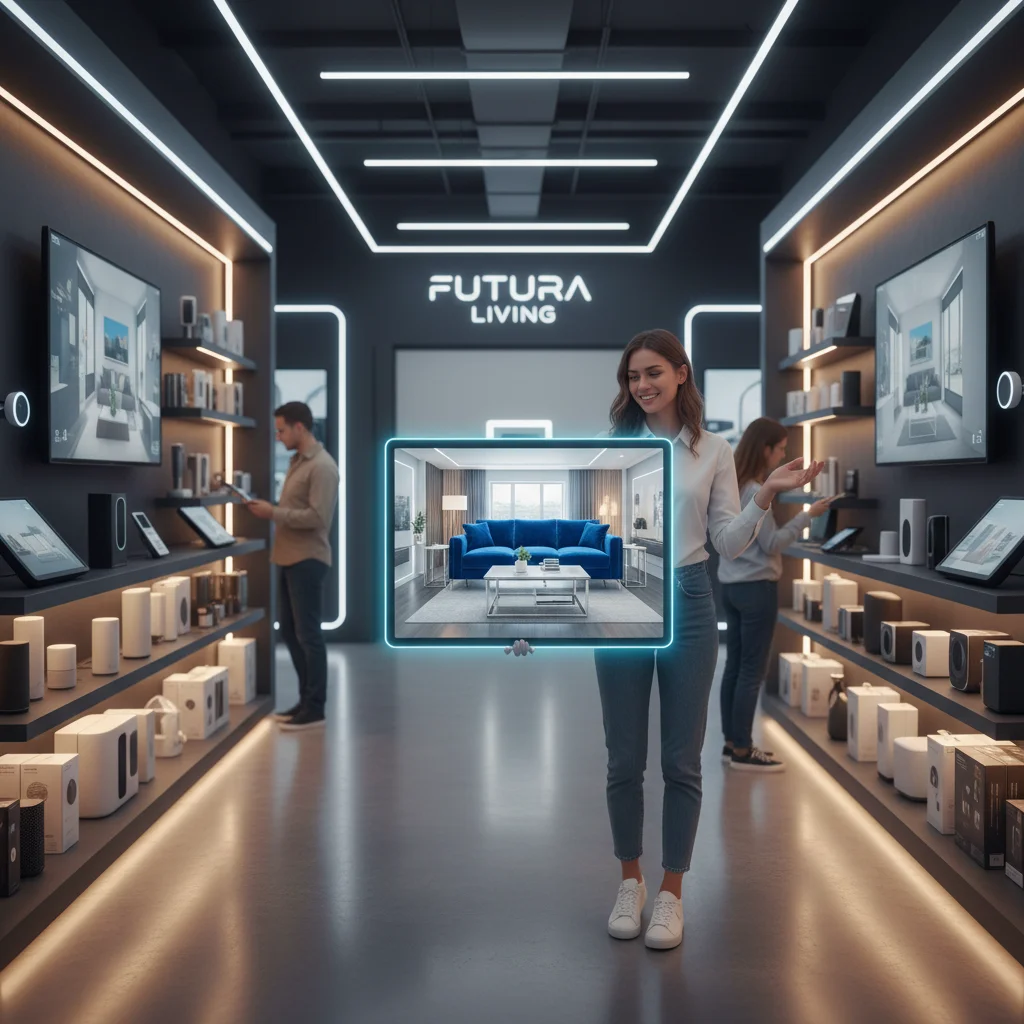
The third pivotal AR technology driving AR retail engagement is immersive product visualization and configuration. This goes beyond simply trying on items; it allows customers to explore products in 3D, customize them in real-time, and place them virtually within their own environment before making a purchase. This capability is particularly transformative for high-value items, complex products, or those where aesthetic integration into a personal space is crucial.
For years, online shoppers have relied on static images, videos, and detailed descriptions to understand products. While effective to a degree, these mediums often fall short in conveying the true scale, texture, and aesthetic impact of an item. Immersive product visualization, powered by AR, shatters these limitations by bringing products to life in a way that static media simply cannot. It allows consumers to interact with a digital twin of the product, rotating it, zooming in, and even changing its features, all within a realistic context.
Applications and Benefits for Enhanced Engagement:
- ‘See in Your Space’ Functionality: This is perhaps the most celebrated feature. Customers can use their smartphone or tablet to virtually place furniture, appliances, or decorative items in their homes. This helps them assess size, fit, and aesthetic compatibility, eliminating guesswork and reducing buyer’s remorse. IKEA’s Place app is a prime example, allowing users to virtually furnish their rooms.
- 3D Product Exploration: Instead of flat images, customers can manipulate 3D models of products, examining them from every angle, understanding their construction, and appreciating intricate details. This level of interaction fosters a deeper connection with the product.
- Real-time Customization: For products with multiple options (colors, materials, configurations), AR allows customers to customize and visualize their choices instantly. Imagine configuring a car’s interior or designing a custom piece of jewelry in AR, seeing the changes reflected immediately.
- Enhanced Product Understanding: Complex products can be demystified through AR. For instance, an AR overlay could show the internal components of an electronic device or demonstrate how a piece of machinery operates, providing educational value that boosts confidence.
- Reduced Cognitive Load: By visualizing products directly, customers spend less mental energy trying to imagine how an item will look or fit, making the shopping process smoother and more enjoyable.
The impact on AR retail engagement is multifaceted. This technology significantly increases dwell time on product pages and in applications, as customers spend more time exploring and customizing. It also leads to higher conversion rates because the confidence gained from realistic visualization directly translates into purchase intent. Furthermore, it drastically reduces return rates, especially for items like furniture, where misjudging size or aesthetic fit is a common reason for returns.
From a technological standpoint, immersive product visualization relies on high-fidelity 3D models, robust AR rendering engines, and accurate spatial tracking. The increasing availability of 3D scanning technologies and the democratization of 3D modeling tools are making it more feasible for even small and medium-sized businesses to create compelling AR experiences. As mobile devices become more powerful and AR development platforms mature, the quality and accessibility of these visualizations will continue to improve, making them an indispensable component of the modern retail toolkit.
By offering customers the power to interact with and configure products in a highly realistic and personalized manner, immersive product visualization and configuration not only addresses practical concerns but also transforms the act of shopping into an exciting and creative endeavor. This level of interaction fosters a deeper emotional connection with products and brands, solidifying its role as a crucial driver of AR retail engagement and a cornerstone of future retail success.
The Broader Impact on US Retail: Beyond Engagement Metrics
While the 15% increase in AR retail engagement by 2026 is a compelling metric, the true impact of Augmented Reality on US retail extends far beyond mere interaction rates. AR is fundamentally altering consumer behavior, operational efficiencies, and the competitive landscape, paving the way for a more dynamic and customer-centric future.
Shaping Consumer Behavior and Expectations:
AR is cultivating a new generation of shoppers who expect more from their retail experiences. They are becoming accustomed to personalized interactions, instant access to rich product information, and the ability to virtually ‘test drive’ products. This shift in expectation means that retailers who fail to adopt AR risk being perceived as outdated or less customer-focused. Consumers are increasingly valuing convenience, personalization, and immersive experiences, and AR delivers on all these fronts. The ability to make more informed decisions through AR reduces buyer’s remorse, leading to higher satisfaction and repeat business, which are critical for long-term customer loyalty.
Operational Efficiencies and Cost Savings:
The benefits of AR are not solely customer-facing. Retailers are realizing significant operational advantages. For instance, reduced return rates due to virtual try-on and accurate product visualization translate into substantial savings on logistics, processing, and restocking costs. In-store AR navigation can reduce the need for extensive signage and free up sales associates to focus on more complex customer service needs rather than basic wayfinding. Furthermore, AR can be used for employee training, allowing staff to learn about new products or store layouts in an interactive, low-risk environment. This leads to a more knowledgeable and efficient workforce.
Competitive Differentiation and Brand Loyalty:
In a saturated market, differentiation is key. Retailers who successfully implement AR are creating unique and memorable shopping experiences that set them apart from competitors. This not only attracts new customers but also fosters strong brand loyalty among existing ones. When a brand consistently provides innovative and helpful tools that enhance the shopping journey, customers are more likely to return and advocate for that brand. AR allows retailers to tell their brand story in compelling, interactive ways, creating an emotional connection that goes beyond transactional exchanges.
Data Collection and Personalization at Scale:
Every interaction within an AR environment generates valuable data. Retailers can gain insights into which products customers are trying on, customizing, or visualizing in their homes. This data can be analyzed to understand preferences, identify trends, optimize inventory, and even inform product development. Coupled with AI, AR can deliver hyper-personalized recommendations and experiences, anticipating customer needs and offering tailored suggestions in real-time, further boosting AR retail engagement.
Challenges and the Path Forward:
Despite the immense potential, the widespread adoption of AR in retail is not without its challenges. These include the cost of developing and integrating sophisticated AR solutions, the need for high-quality 3D models of products, ensuring a seamless user experience across various devices, and educating consumers on how to best utilize these new technologies. However, as AR development tools become more accessible, hardware capabilities improve, and consumer familiarity grows, these barriers are steadily decreasing.
The future of US retail is undeniably intertwined with Augmented Reality. The 15% increase in AR retail engagement by 2026 is not just a statistical projection; it’s a testament to the transformative power of these technologies. By embracing virtual try-on, interactive in-store navigation, and immersive product visualization, retailers are not merely adopting new tools; they are investing in a future where shopping is more intuitive, personal, and engaging than ever before. Those who lead this charge will undoubtedly reap the rewards of heightened customer satisfaction, stronger brand loyalty, and a significant competitive edge in the evolving retail landscape.
Conclusion: The AR-Powered Future of US Retail
The journey through the transformative power of Augmented Reality in US retail reveals a clear trajectory towards significantly enhanced customer engagement. As we’ve explored, the projected 15% increase in AR retail engagement by 2026 is not an arbitrary figure but a realistic outcome driven by the strategic implementation of three pivotal AR technologies: Virtual Try-On (VTO), Interactive In-Store Navigation and Product Information, and Immersive Product Visualization and Configuration.
These technologies are collectively dismantling traditional barriers in retail, offering solutions to long-standing challenges in both e-commerce and brick-and-mortar environments. Virtual Try-On empowers consumers with confidence in online purchases, drastically reducing uncertainty and return rates. Interactive In-Store Navigation revitalizes physical spaces, making them more efficient, informative, and enjoyable. Immersive Product Visualization allows for unparalleled product exploration and customization, fostering a deeper connection between the customer and the item before purchase. Each of these innovations contributes to a more personalized, convenient, and ultimately, more satisfying shopping experience.
The impact of this heightened AR retail engagement extends beyond individual transactions. It cultivates a new era of consumer expectations, where interactive and personalized experiences are not just desired but anticipated. Retailers who successfully integrate these AR solutions are not only gaining a competitive edge but are also building stronger brand loyalty, optimizing their operations, and gathering invaluable data for future strategic decisions. The shift is already underway, with early adopters demonstrating tangible benefits in conversion rates, customer satisfaction, and brand perception.
As technology continues to evolve, we can expect AR experiences to become even more seamless, realistic, and integrated into our daily lives, further blurring the lines between the digital and physical worlds. For US retailers, embracing Augmented Reality is no longer an optional luxury but a strategic imperative to thrive in an increasingly competitive and digitally-driven market. The future of retail is immersive, interactive, and undeniably augmented, promising a richer and more engaging journey for every customer.