Haptic Feedback Innovations: Redefining Mobile Experiences by 2026
The Future of Haptic Feedback: New Innovations Expected to Redefine US Mobile Experiences by 2026
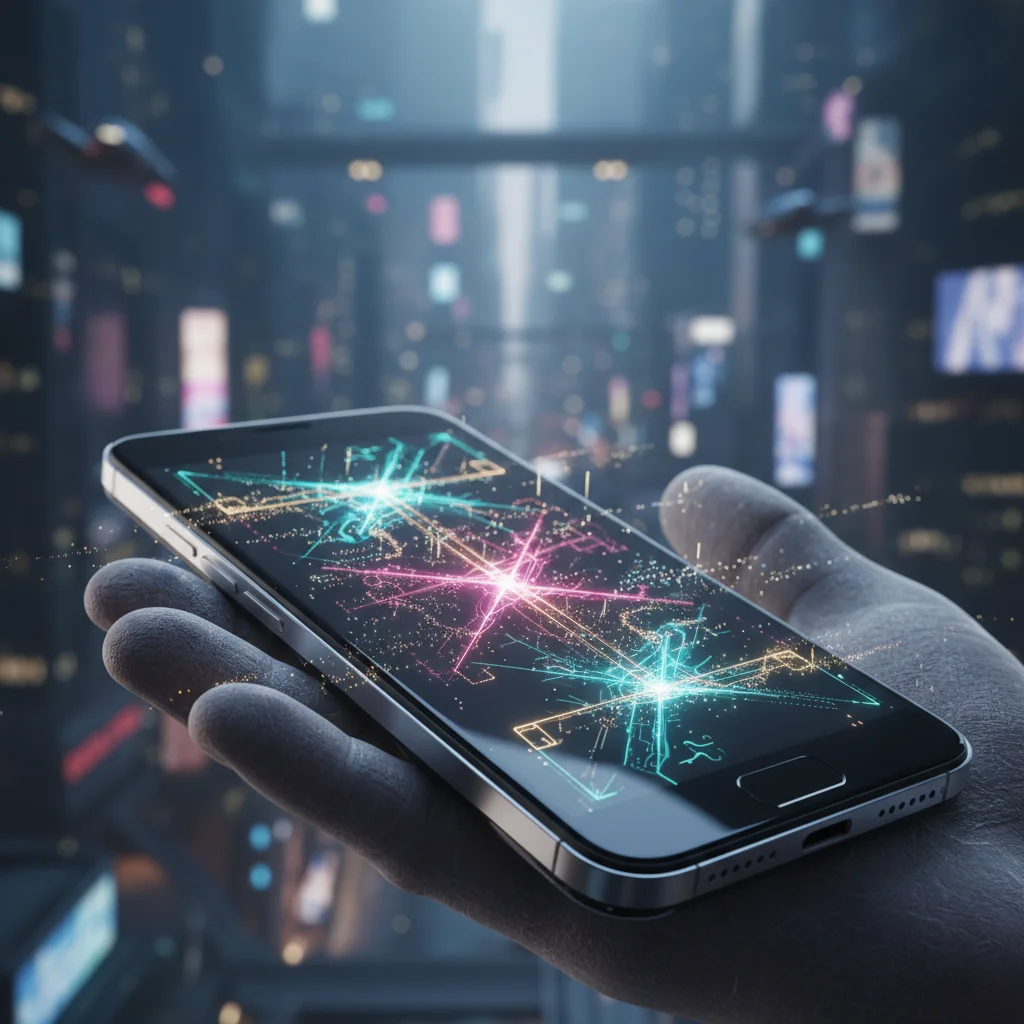
In an increasingly digital world, our interactions with technology are constantly evolving. While visual and auditory interfaces have long dominated our mobile experiences, the sense of touch, or haptics, is rapidly emerging as the next frontier for innovation. The future of haptic feedback promises to transcend simple vibrations, offering nuanced, immersive, and highly personalized tactile sensations that will fundamentally redefine how we interact with our mobile devices in the United States by 2026. This isn’t just about feeling a buzz; it’s about experiencing textures, resistance, and even the sensation of virtual objects, all delivered through the palm of your hand.
For years, haptic feedback on mobile phones was largely limited to generic, often jarring, vibrations that signaled notifications or confirmed button presses. While functional, these rudimentary haptics did little to enhance the user experience. However, a silent revolution has been brewing in labs and research facilities worldwide. Breakthroughs in materials science, actuator technology, and software algorithms are paving the way for a new generation of haptic systems that are far more sophisticated, precise, and expressive. These advancements are poised to transform everything from mobile gaming and entertainment to accessibility and daily productivity, making our digital lives more intuitive and engaging than ever before. The potential for the future of haptic feedback is immense, promising a richer, more tactile digital landscape.
Beyond the Buzz: The Evolution of Haptic Technology
To truly appreciate the impending revolution in mobile haptics, it’s essential to understand the journey from simple vibrators to today’s sophisticated actuators. Early mobile phones used eccentric rotating mass (ERM) motors, which are essentially small, unbalanced motors that spin to create vibration. While cost-effective, ERMs offer limited control over the intensity, duration, and pattern of vibrations. The next step forward came with linear resonant actuators (LRAs), which convert electrical energy into linear motion, allowing for more precise and varied haptic effects. LRAs are capable of producing sharper, shorter bursts and more distinct patterns, laying the groundwork for more expressive feedback. This marked a significant leap, but the future of haptic feedback demands even greater fidelity.
The current frontier in haptic technology involves advanced piezoelectric actuators, shape memory alloys, and even microfluidic systems. Piezoelectric materials change shape when an electric current is applied, enabling extremely fast and precise movements that can simulate a wide range of textures and sensations. Imagine feeling the rough surface of a sandpaper icon or the smooth glide of a silk fabric, all through the screen of your phone. Shape memory alloys, on the other hand, can change their form in response to temperature, offering dynamic surfaces that can create physical bumps or depressions on a device. These innovations are not just theoretical; they are rapidly moving from research labs into commercial applications, promising to redefine the future of haptic feedback.
Furthermore, software advancements are playing an equally crucial role. Sophisticated algorithms are now capable of generating complex haptic waveforms that can mimic myriad physical sensations. Developers are gaining access to more granular control over haptic engines, allowing them to design bespoke tactile experiences for specific applications. This level of control is what will truly unlock the potential of advanced haptics, moving beyond generic pulses to a rich vocabulary of touch. The synergy between hardware and software is critical for realizing the full promise of the future of haptic feedback in mobile devices.
Immersive Gaming: A New Dimension of Play
One of the most immediate and impactful beneficiaries of advanced haptic feedback will be mobile gaming. Imagine a racing game where you feel the rumble of the engine, the subtle shift of gears, or the jarring impact of a collision, all transmitted directly to your fingertips. Picture a first-person shooter where the recoil of each weapon is distinct, or a puzzle game where the texture of each piece feels unique. The future of haptic feedback will transform mobile gaming from a primarily visual and auditory experience into a truly multi-sensory one.
Developers are already exploring ways to integrate high-fidelity haptics into their games. This could involve dynamic haptic maps that respond to in-game events, allowing players to feel the terrain they are traversing, the intensity of an explosion, or the subtle vibrations of an approaching enemy. The goal is to create a deeper sense of presence and immersion, blurring the lines between the digital world and physical reality. For competitive gamers, precise haptic cues could even provide a subtle advantage, offering tactile feedback that complements visual and auditory signals. This enhanced sensory input will make mobile gaming far more engaging and addictive, a key aspect of the future of haptic feedback.
Beyond simple vibrations, the integration of micro-actuators into phone cases or even flexible displays could allow for localized haptic effects, meaning different parts of the screen could provide different tactile sensations simultaneously. This opens up possibilities for intricate interactions, such as feeling the individual keys of a virtual piano or the distinct edges of objects in a virtual inventory. The creative potential for game designers is enormous, allowing them to craft experiences that were previously impossible on mobile platforms. The future of haptic feedback in gaming is not just about making games feel better; it’s about enabling entirely new forms of gameplay.
Accessibility and Inclusivity: Haptics as a Universal Language
While often discussed in the context of entertainment, the transformative power of the future of haptic feedback extends significantly to accessibility. For individuals with visual or auditory impairments, touch can become a crucial conduit for information and interaction. Advanced haptics can provide non-visual cues, making mobile devices more intuitive and usable for a wider audience.
Consider navigation apps that use distinct haptic patterns to guide users with visual impairments, indicating turns, obstacles, or points of interest without relying on spoken directions. Or messaging apps that translate emojis or emotional tones into unique tactile sensations, adding a layer of non-verbal communication for those who cannot easily perceive visual cues. Haptic feedback can also enhance screen readers, providing tactile confirmation of selections or the boundaries of interactive elements, making the user interface more navigable. This is a powerful application of the future of haptic feedback.
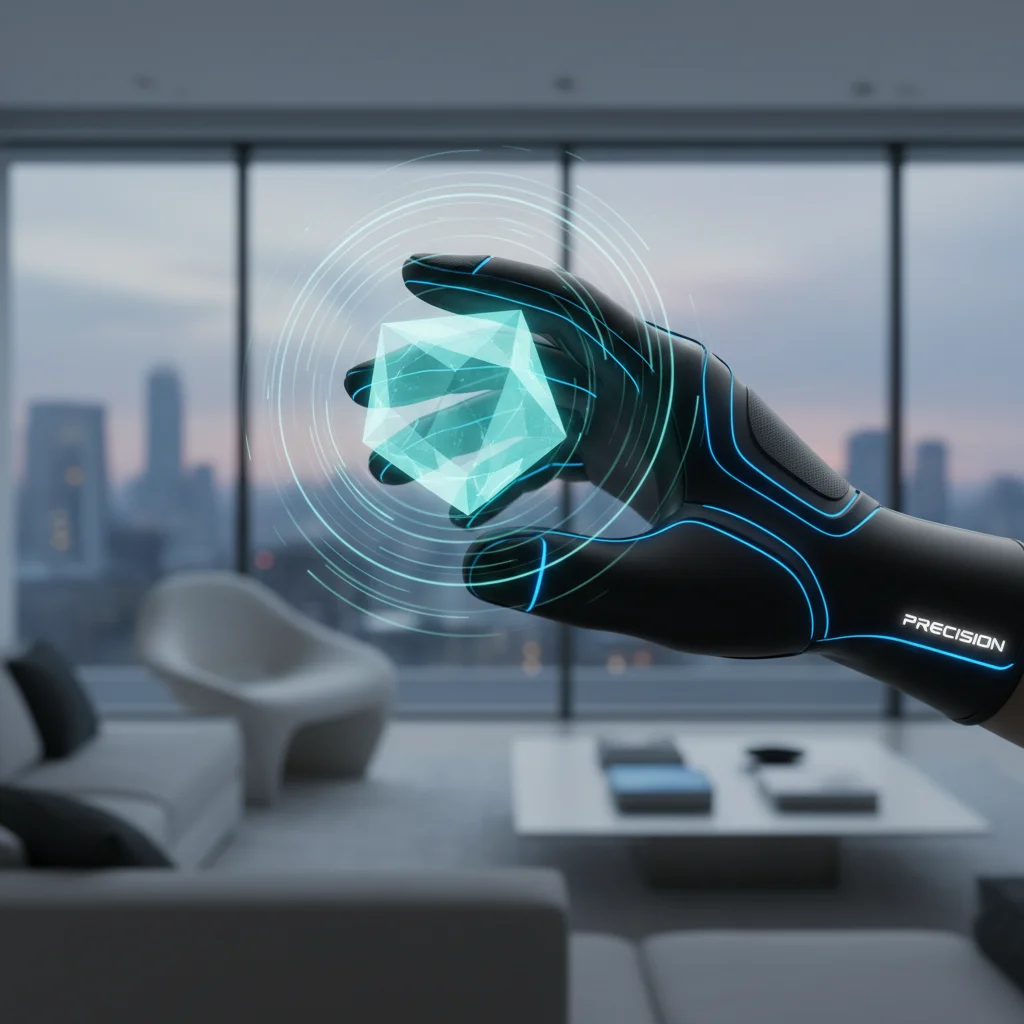
The potential for haptics to aid those with hearing impairments is also immense. Imagine a phone that translates spoken words into distinct haptic patterns, allowing users to ‘feel’ conversations or receive alerts without relying on visual text or flashing lights. This could be particularly impactful in noisy environments where visual cues are missed. Furthermore, haptic feedback can be used in educational tools, allowing students with learning disabilities to engage with concepts in a more tactile and multi-sensory way, reinforcing learning through touch. The inclusive nature of the future of haptic feedback is one of its most compelling aspects.
As haptic technology becomes more sophisticated, its integration into accessibility features will become seamless and indispensable, creating a more equitable digital landscape where everyone can fully engage with mobile technology. This commitment to inclusivity is a cornerstone of the advancements defining the future of haptic feedback.
Beyond Gaming and Accessibility: Everyday Applications
The impact of advanced haptics will permeate far beyond specialized applications, influencing our everyday mobile interactions in subtle yet profound ways. Think about typing on a virtual keyboard. Instead of a generic click, imagine feeling the distinct resistance of each key, or the subtle texture of different letter groups, reducing errors and enhancing typing speed and comfort. This is a subtle yet significant improvement promised by the future of haptic feedback.
Shopping online could become a more tactile experience. Imagine feeling the simulated texture of a fabric before you buy a piece of clothing, or the weight and density of a product in your virtual cart. While not a complete replacement for physical interaction, these haptic cues can provide a richer, more informative online shopping experience, reducing returns and increasing consumer confidence. This adds a crucial sensory dimension to e-commerce, driven by the future of haptic feedback.
Navigational cues could become more intuitive. Instead of just a vibration, your phone could guide you with directional haptics, creating a sensation that pulls you gently in the right direction, or vibrates differently on the left or right side to indicate turns. This is particularly useful when walking or cycling, allowing users to keep their eyes on their surroundings rather than constantly checking their screen. The integration of haptic feedback into daily navigation will make our journeys smoother and safer.
Even social interactions could be enhanced. Imagine a subtle haptic pattern that indicates the emotional tone of a message, or a personalized ‘haptic signature’ from a loved one. While these applications are still in their nascent stages, the potential for adding a new layer of emotional and contextual communication is immense. The future of haptic feedback is poised to make our digital conversations more nuanced and empathetic.
The Role of AI and Machine Learning in Haptic Refinement
The true power of the future of haptic feedback will be unlocked through its integration with artificial intelligence (AI) and machine learning (ML). AI can analyze user preferences and contextual data to personalize haptic experiences, making them even more intuitive and effective. For example, an AI could learn your typing style and adjust the keyboard haptics to provide optimal feedback, or it could adapt game haptics based on your play style and skill level.
Machine learning algorithms can also be used to generate novel haptic sensations. By analyzing a vast library of physical textures and sensations, ML models can synthesize new haptic waveforms that accurately mimic real-world tactile experiences. This means developers won’t have to manually design every single haptic effect; instead, they can leverage AI to create a rich and diverse haptic palette. This algorithmic approach is crucial for scaling the complexity and richness of the future of haptic feedback.
Furthermore, AI can help optimize power consumption for haptic engines. Generating complex haptic effects can be energy-intensive, but ML can identify the most efficient ways to produce desired sensations without draining battery life. This intelligent power management will be critical for widespread adoption of advanced haptics in mobile devices, ensuring that the future of haptic feedback is both powerful and practical.
Beyond personalization, AI can also contribute to the adaptive nature of haptics. Imagine a phone that can detect environmental noise levels and adjust the intensity of haptic notifications accordingly, ensuring you always receive crucial alerts without being overwhelmed. Or a system that learns your physiological responses to different haptic patterns and tailors them for maximum comfort and effectiveness. The fusion of AI and haptics promises a truly intelligent and responsive mobile experience, defining the cutting edge of the future of haptic feedback.
Challenges and Considerations for Widespread Adoption
While the future of haptic feedback is undeniably bright, several challenges must be addressed before these innovations become ubiquitous in US mobile experiences by 2026. One primary concern is the cost of integrating advanced haptic actuators and sophisticated software into mass-produced mobile devices. Manufacturers will need to find ways to balance cutting-edge technology with affordability to ensure widespread adoption. This economic factor is crucial for the future of haptic feedback.
Another challenge lies in standardization. For haptic experiences to be truly consistent and impactful across different devices and platforms, there needs to be a degree of industry-wide agreement on haptic APIs and design principles. Without standardization, developers might struggle to create universal haptic effects, leading to fragmented and inconsistent user experiences. This collaborative effort is vital for shaping the future of haptic feedback.

Battery life is also a significant consideration. Advanced haptic engines can consume more power than traditional vibrators, necessitating innovations in battery technology or more efficient haptic designs. Users expect their mobile devices to last all day, and any significant drain from haptics could hinder their appeal. Addressing power efficiency is paramount for the long-term viability of the future of haptic feedback.
Furthermore, there’s the psychological aspect. While many users will embrace enhanced haptics, some may find overly complex or constant tactile feedback distracting or even irritating. Designers will need to strike a delicate balance, allowing for personalization and user control over haptic intensity and variety. The goal is to enhance, not overwhelm, the user experience. User acceptance and preference will ultimately dictate the success of the future of haptic feedback.
Finally, the creative challenge for developers is significant. Designing truly meaningful and non-intrusive haptic experiences requires a deeper understanding of human perception and psychology. It’s not enough to simply add vibrations; haptic designers must learn to craft a new language of touch that enhances interaction without becoming a nuisance. This artistic and technical skill will be crucial for realizing the full potential of the future of haptic feedback.
The Road Ahead: What to Expect by 2026
By 2026, we can expect a significant shift in how haptic feedback is perceived and utilized in US mobile experiences. Generic vibrations will largely be a relic of the past, replaced by sophisticated, nuanced tactile sensations. Premium smartphones will likely feature advanced haptic engines capable of generating a wide array of textures, pressures, and directional cues, becoming a key differentiator in the market. The future of haptic feedback will be a selling point, not just a hidden feature.
We will see a proliferation of haptic-enhanced applications, particularly in gaming, education, and accessibility. Developers will be actively leveraging new haptic APIs to create more immersive and inclusive experiences. Wearable devices, such as smartwatches and AR/VR headsets, will also integrate advanced haptics, creating a cohesive multi-device tactile ecosystem. This interconnectedness will amplify the impact of the future of haptic feedback.
Furthermore, expect to see greater personalization. Users will have more control over their haptic profiles, allowing them to tailor feedback to their individual preferences and needs. AI and machine learning will play an increasingly important role in this personalization, dynamically adjusting haptics based on context and user behavior. This adaptive quality will make the future of haptic feedback truly user-centric.
The conversation around mobile technology will expand beyond just screens and speakers to include the sense of touch as a fundamental component of the user interface. Haptic feedback will no longer be an afterthought but an integral part of the design process, shaping how we perceive and interact with our digital world. The future of haptic feedback is not just an upgrade; it’s a paradigm shift.
Conclusion: A Tactile Renaissance for Mobile
The future of haptic feedback is poised to usher in a tactile renaissance for mobile experiences in the United States by 2026. From enhancing the thrill of mobile gaming to making technology more accessible and enriching our everyday interactions, advanced haptics will add a profound new dimension to our digital lives. While challenges in cost, standardization, and power efficiency remain, the rapid pace of innovation suggests these hurdles will be overcome.
As hardware becomes more precise, software more intelligent, and designers more adept at crafting tactile experiences, our mobile devices will evolve into truly multi-sensory companions. The days of simple buzzing notifications are numbered; instead, we can look forward to feeling the digital world in unprecedented ways. The future of haptic feedback is not just about technology; it’s about making our interactions with devices more human, more intuitive, and ultimately, more enriching. Get ready to touch the future.