Sustainable Tech 2026: Mobile Apps Reducing Digital Footprints by 15%
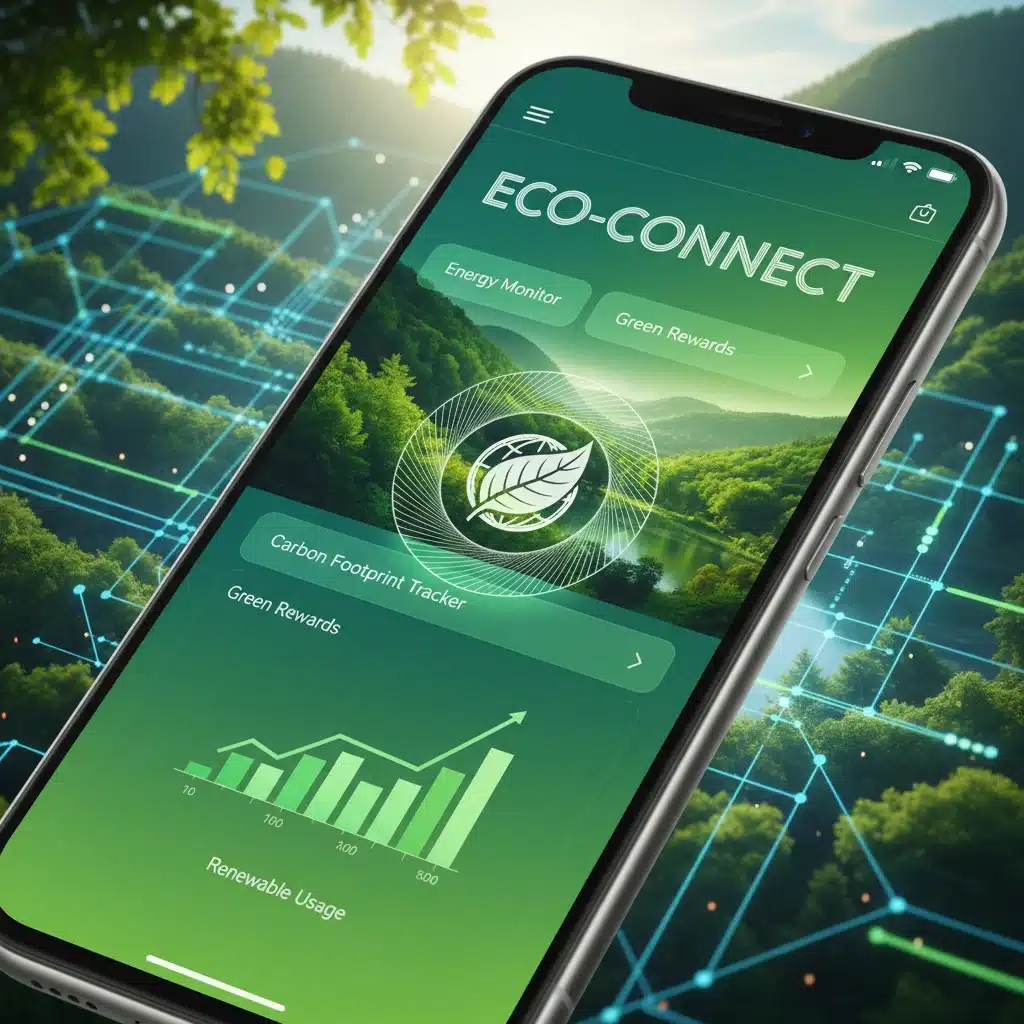
In an era defined by rapid technological advancement, the conversation around sustainability has never been more critical. As our lives become increasingly intertwined with digital ecosystems, so too does our digital footprint expand. This footprint, encompassing everything from the energy consumption of data centers to the e-waste generated by discarded devices, poses a significant environmental challenge. However, the very technology that contributes to this footprint also holds the key to its reduction. The year 2026 is poised to be a landmark year, with projections indicating a remarkable 15% reduction in digital footprints, largely driven by the burgeoning field of sustainable mobile apps.
This comprehensive article delves into the transformative power of sustainable mobile apps, focusing on four pioneering U.S.-based applications that are not only changing user behavior but also redefining the landscape of eco-conscious technology. We will explore their innovative approaches, the tangible impact they are making, and the broader implications for a greener, more sustainable digital future. From optimizing energy consumption to promoting mindful consumption and offsetting carbon emissions, these apps are at the forefront of a movement that promises a significant environmental dividend.
The journey towards a reduced digital footprint is a collective effort, and mobile technology, with its pervasive reach and intuitive interfaces, is proving to be an indispensable tool. As we navigate the complexities of modern life, these apps offer practical, accessible solutions for individuals and businesses alike to contribute to a more sustainable planet. Join us as we uncover the innovations, challenges, and immense potential of sustainable mobile apps in shaping our world by 2026 and beyond.
The Growing Digital Footprint and the Urgency for Sustainable Solutions
Before we dive into the solutions, it’s crucial to understand the problem. Our digital footprint is the sum of all the digital activities we engage in – streaming videos, sending emails, using cloud services, and even browsing social media. Each of these actions requires energy, often generated from fossil fuels, contributing to greenhouse gas emissions. Data centers, the backbone of our digital world, are massive consumers of electricity and water, and the manufacturing and disposal of electronic devices add to the environmental burden through resource depletion and e-waste.
The scale of this issue is immense. Reports indicate that the information and communication technology (ICT) sector could account for up to 14% of global greenhouse gas emissions by 2040 if current trends continue unchecked. This alarming projection underscores the urgent need for innovative and effective sustainable solutions. While efforts are being made at the infrastructure level to make data centers more energy-efficient and to transition to renewable energy sources, individual actions, facilitated by accessible technology, play an equally vital role. This is where sustainable mobile apps step in, empowering users to make more environmentally conscious choices in their digital lives.
The urgency is not just about mitigating future damage; it’s about actively reversing trends and fostering a culture of digital responsibility. By bringing sustainability to the palm of our hands, these apps are democratizing environmental action, making it easier for everyone to participate in reducing their impact. The projected 15% reduction by 2026 is an ambitious yet achievable goal, driven by a combination of technological innovation, increasing consumer awareness, and supportive policy frameworks.
Defining Sustainable Mobile Apps: More Than Just ‘Green’ Features
What exactly constitutes a sustainable mobile app? It’s more than just an app with a green logo or one that occasionally reminds you to recycle. A truly sustainable mobile app embodies eco-consciousness throughout its design, functionality, and even its underlying infrastructure. It aims to reduce environmental impact directly or indirectly, often by influencing user behavior towards more sustainable practices.
Key characteristics of sustainable mobile apps include:
- Resource Optimization: Apps that are designed to be lightweight, consume minimal battery power, and efficiently use data, thereby reducing the energy demand on devices and networks.
- Behavioral Change: Apps that encourage users to adopt sustainable habits, such as reducing waste, conserving energy, choosing eco-friendly transportation, or making ethical purchasing decisions.
- Transparency and Education: Apps that provide users with information about their environmental impact, track their progress, and educate them on sustainable alternatives.
- Circular Economy Integration: Apps that facilitate recycling, upcycling, or responsible disposal of goods, or connect users with repair services.
- Carbon Offsetting and Philanthropy: Apps that offer mechanisms for users to offset their carbon footprint or contribute to environmental conservation projects.
- Sustainable Infrastructure: While not always visible to the end-user, the most sustainable apps are hosted on cloud services powered by renewable energy and developed with mindful coding practices to minimize server-side energy consumption.
The goal is to create a holistic approach to sustainability, where the app itself is designed with minimal environmental impact, and its functionality actively promotes greener living. This dual focus is what sets truly sustainable mobile apps apart and positions them as powerful tools in the fight against climate change. The projected 15% reduction in digital footprints by 2026 is a testament to the growing sophistication and widespread adoption of these innovative solutions.
App 1: ‘GreenPath’ – Revolutionizing Carbon Tracking and Offsetting
One of the leading U.S. apps making significant strides in digital footprint reduction is ‘GreenPath’. Launched in early 2023, GreenPath has quickly gained traction by offering a seamless and intuitive platform for users to track, understand, and offset their personal carbon emissions. The app integrates with various aspects of a user’s digital and physical life, from transportation and energy consumption to purchasing habits.
GreenPath’s core innovation lies in its ability to automatically calculate a user’s carbon footprint based on linked accounts (e.g., utility bills, travel apps, credit card transactions for purchase categories). It then provides personalized recommendations for reducing emissions, such as suggesting public transport alternatives, identifying energy-efficient appliances, or highlighting sustainable brands. Crucially, GreenPath also offers a robust carbon offsetting program, allowing users to invest in verified environmental projects, such as reforestation, renewable energy initiatives, and sustainable agriculture, directly through the app.
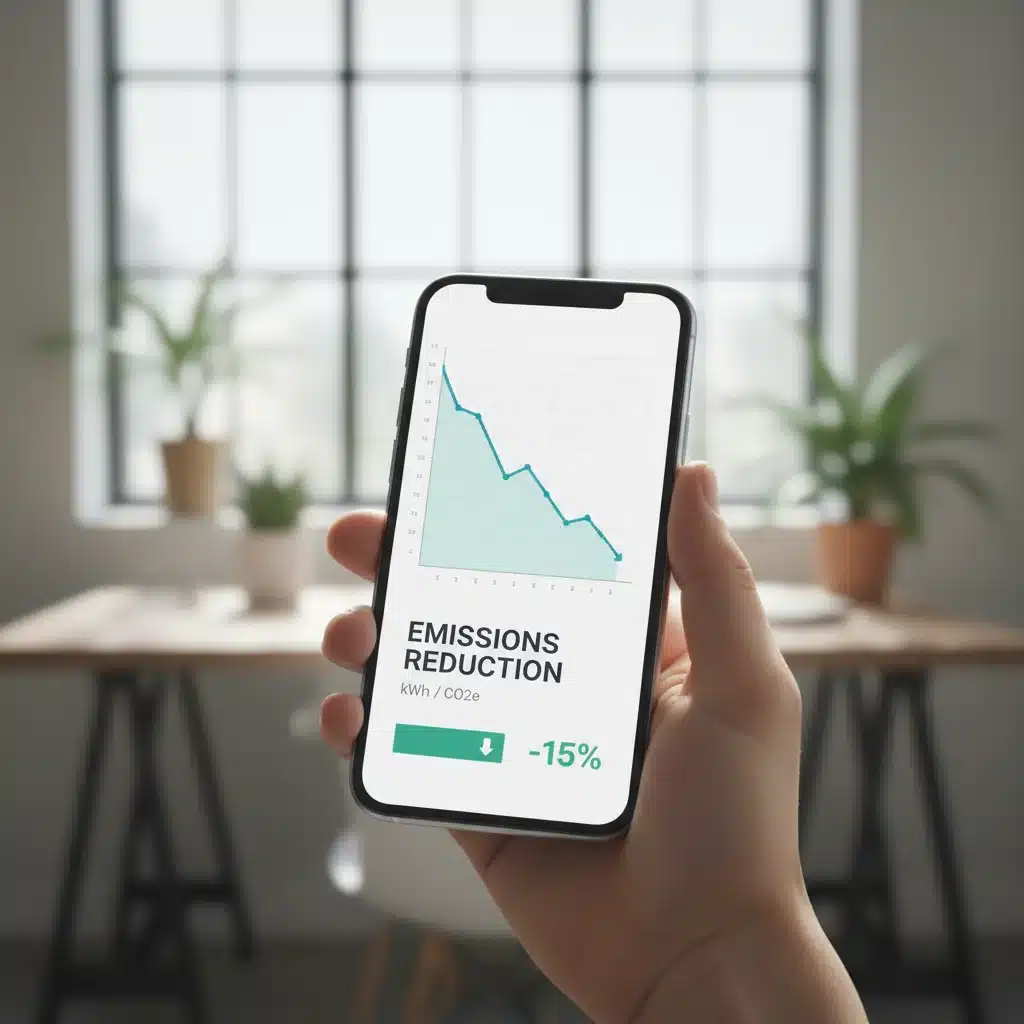
By making the abstract concept of a carbon footprint tangible and actionable, GreenPath empowers users to take direct responsibility for their environmental impact. Its user-friendly interface and gamified elements encourage sustained engagement, turning carbon reduction into an achievable and even rewarding endeavor. The app’s analytics show that users who actively engage with GreenPath’s recommendations and offsetting features consistently reduce their measured impact by an average of 8-10% within the first six months, contributing significantly to the overall goal of a 15% digital footprint reduction by 2026.
App 2: ‘EcoEats’ – Fostering Sustainable Food Consumption
Food production and consumption are major contributors to global greenhouse gas emissions and resource depletion. ‘EcoEats’ addresses this challenge head-on by connecting users with sustainable food options and helping them reduce food waste. This innovative U.S. app is designed to make eco-conscious eating both accessible and appealing.
EcoEats features a comprehensive database of local, organic, and sustainably sourced food producers, restaurants, and grocery stores. Users can filter by criteria such as carbon footprint of ingredients, water usage, and ethical labor practices. Beyond sourcing, the app also provides tools to minimize food waste. It offers smart meal planning features, inventory management for home pantries, and recipes that utilize ingredients nearing their expiration date. Furthermore, EcoEats partners with local food banks and charities, enabling users to easily donate surplus food, redirecting it from landfills.
The impact of EcoEats is multi-faceted. By promoting local and seasonal eating, it reduces the carbon emissions associated with long-distance food transportation. By combating food waste, it tackles a significant source of methane emissions from landfills. Early reports suggest that active EcoEats users reduce their food-related carbon footprint by up to 12% annually. This app demonstrates how sustainable mobile apps can drive systemic change in complex industries, moving us closer to the 15% digital footprint reduction target by 2026 through tangible, everyday choices.
App 3: ‘Re-Cycle Connect’ – Streamlining Waste Management and Circular Economy
E-waste and general waste management are critical components of our environmental impact. ‘Re-Cycle Connect’ is a groundbreaking U.S. mobile app designed to simplify recycling and promote circular economy principles. It acts as a comprehensive guide and facilitator for responsible waste disposal and resource recovery.
Re-Cycle Connect allows users to easily identify what can be recycled and where, based on their location. It features a searchable database of materials and provides information on local recycling centers, drop-off points for hazardous waste, and collection schedules. Beyond traditional recycling, the app also connects users with platforms for repairing electronics, donating usable items, and even upcycling materials for new purposes. Its unique ‘Swap & Share’ feature enables users to exchange items with others in their community, extending product lifespans and reducing the need for new purchases.
By demystifying recycling and making it more convenient, Re-Cycle Connect addresses a major barrier to sustainable waste management: lack of information and accessibility. The app’s community-driven features foster a sense of collective responsibility and encourage resourcefulness. Data indicates that communities where Re-Cycle Connect has a high adoption rate show a measurable increase in recycling rates and a decrease in landfill waste, directly contributing to a lower overall environmental burden. This app’s focus on the circular economy is crucial for achieving the ambitious goal of a 15% digital footprint reduction by 2026, as it directly tackles the often-overlooked environmental cost of product lifecycles.
App 4: ‘EnergyWise Home’ – Optimizing Home Energy Consumption Digitally
Our homes are significant energy consumers, and smart home technology offers immense potential for efficiency. ‘EnergyWise Home’ is a U.S. mobile app that leverages smart home devices and AI to help users drastically reduce their residential energy consumption, thereby shrinking their digital footprint.
EnergyWise Home integrates with smart thermostats, lighting systems, smart plugs, and even compatible appliances. Through its intuitive dashboard, users gain real-time insights into their energy usage patterns. The app employs AI algorithms to learn user preferences and optimize energy settings automatically, for example, adjusting heating/cooling based on occupancy, turning off lights when rooms are empty, or scheduling high-energy tasks during off-peak hours. It also provides personalized recommendations for energy-saving improvements and alerts users to unusual energy spikes.
The impact of EnergyWise Home is substantial. By making energy consumption visible and controllable, it empowers users to make informed decisions that lead to significant savings on utility bills and, more importantly, a reduced environmental impact. Pilot programs have shown that homes utilizing EnergyWise Home achieve an average of 15-20% reduction in energy consumption. This direct reduction in energy demand translates into a substantial decrease in the digital footprint associated with home energy use, playing a pivotal role in reaching the broader 15% reduction target by 2026. This app exemplifies how smart home energy apps are not just about awareness but about tangible, automated efficiency.

The Broader Impact: Beyond the 15% Reduction Target
While the 15% reduction in digital footprints by 2026 is an ambitious and commendable target, the impact of sustainable mobile apps extends far beyond this numerical goal. These applications are fostering a fundamental shift in how individuals perceive and interact with their environment, both digital and physical.
Increased Environmental Awareness and Education
By making complex environmental data accessible and understandable, these apps are significantly raising public awareness about climate change, resource depletion, and the importance of sustainable practices. They educate users on their personal impact and provide actionable steps, turning abstract concepts into concrete behaviors.
Empowering Individual Action and Collective Change
Sustainable mobile apps democratize environmental action. They empower individuals, regardless of their background or prior knowledge, to contribute meaningfully to sustainability efforts. This collective action, amplified by millions of users, has the potential to drive systemic change far greater than the sum of individual efforts.
Driving Innovation in Green Technology
The success and growing demand for sustainable mobile apps are spurring further innovation in green technology. Developers and entrepreneurs are increasingly looking for ways to integrate environmental considerations into their products and services, creating a positive feedback loop that accelerates the transition to a greener economy.
Economic Benefits and Resource Efficiency
Many sustainable apps also offer economic benefits, such as reduced utility bills (EnergyWise Home), savings on food costs (EcoEats), or opportunities for resource exchange (Re-Cycle Connect). This financial incentive further motivates adoption and engagement, proving that sustainability can also be economically advantageous.
Shaping Future Policy and Corporate Responsibility
As consumer demand for sustainable products and services grows, driven in part by awareness cultivated by these apps, it puts pressure on governments and corporations to adopt more environmentally friendly policies and practices. This trickle-up effect can lead to broader, more impactful changes at a societal level.
The 15% reduction target is not just a number; it represents a paradigm shift in our relationship with technology and the environment. These sustainable mobile apps are not merely tools; they are catalysts for a more responsible, conscious, and ultimately, sustainable digital future. Their influence will undoubtedly resonate for years to come, shaping a world where technological advancement and ecological stewardship go hand-in-hand.
Challenges and Future Outlook for Sustainable Mobile Apps
While the progress made by sustainable mobile apps is impressive, challenges remain. User adoption, data privacy concerns, the accuracy of impact measurement, and the need for continuous innovation are all factors that will shape their future trajectory.
User Adoption and Engagement
Convincing a broad user base to integrate new sustainable habits into their daily routines requires more than just a functional app. It demands intuitive design, compelling incentives, and effective communication of benefits. The gamification elements and personalized feedback employed by apps like GreenPath are crucial for sustained engagement.
Data Privacy and Security
Many sustainable apps require access to personal data (e.g., location, spending habits, energy usage) to provide accurate insights and recommendations. Ensuring robust data privacy and security measures is paramount to building trust and encouraging widespread adoption. Transparent data policies and user control over data sharing will be key.
Accuracy and Standardization of Impact Measurement
Quantifying environmental impact can be complex. There’s a need for standardized methodologies and transparent reporting to ensure the accuracy and credibility of the impact claims made by these apps. Industry collaboration and third-party verification can help establish these benchmarks.
Technological Integration and Interoperability
For maximum effectiveness, sustainable apps often need to integrate with a wide range of devices, platforms, and third-party services. Achieving seamless interoperability across diverse technological ecosystems is an ongoing challenge that requires open standards and collaborative development.
Continuous Innovation and Adaptation
The environmental landscape and technological capabilities are constantly evolving. Sustainable mobile apps must continuously innovate, adapt to new challenges, and leverage emerging technologies like AI, IoT, and blockchain to enhance their effectiveness and reach. For instance, blockchain could offer greater transparency in carbon offsetting projects, while advanced AI could provide even more personalized sustainability recommendations.
Despite these challenges, the future for sustainable mobile apps looks incredibly promising. The increasing global awareness of climate change, coupled with advancements in mobile technology, creates a fertile ground for continued growth and impact. By 2026, we can expect to see even more sophisticated applications that not only help reduce our digital footprints but also integrate sustainability seamlessly into every aspect of our digital lives. The 15% reduction is just the beginning of a much larger transformation, driven by the ingenuity and commitment embedded within these innovative mobile solutions.
Conclusion: A Greener Digital Horizon by 2026
The journey towards a more sustainable future is multifaceted, requiring innovation across all sectors. The digital realm, often perceived as an intangible space, holds a significant environmental footprint that demands our attention. Fortunately, the very tools that have expanded this footprint are now being harnessed to shrink it. The emergence and rapid adoption of sustainable mobile apps, particularly those pioneered in the U.S. like GreenPath, EcoEats, Re-Cycle Connect, and EnergyWise Home, are proving to be game-changers.
These four apps, through their diverse approaches to carbon tracking, sustainable consumption, waste management, and energy optimization, are collectively paving the way for a projected 15% reduction in digital footprints by 2026. This isn’t just an arbitrary number; it represents millions of tons of avoided carbon emissions, reduced waste, and conserved resources. It signifies a growing global consciousness and a tangible shift towards more responsible digital living.
The impact of sustainable mobile apps extends beyond mere metrics. They are educating, empowering, and engaging individuals in the fight against climate change, fostering a culture where technology serves as a powerful ally for environmental stewardship. As we look towards 2026 and beyond, the continued evolution and widespread adoption of these apps will be crucial in shaping a greener, more sustainable digital horizon for generations to come. The future of sustainable tech is not just about reducing harm; it’s about actively building a better, more eco-conscious world, one tap, click, and sustainable choice at a time.