Top Project Management Software Updates for US Teams in Q2 2026

The landscape of project management is in a constant state of evolution, driven by technological advancements and the ever-increasing demands of complex projects. For US teams, staying abreast of the latest project management software updates is not just beneficial; it’s critical for maintaining a competitive edge, enhancing efficiency, and ensuring successful project delivery. As we approach Q2 2026, a new wave of innovations is set to redefine how projects are planned, executed, and monitored. These updates are designed to address contemporary challenges, from distributed teams and agile methodologies to the need for deeper insights and robust security. In this comprehensive guide, we will delve into the three key features that US teams must consider implementing by Q2 2026 to revolutionize their project management approach.
The strategic implementation of these cutting-edge features promises to streamline workflows, foster collaboration, and provide unprecedented levels of control and foresight. We will explore how AI-powered analytics are transforming decision-making, how enhanced collaboration tools are bridging geographical gaps, and why advanced security and compliance features are non-negotiable in today’s data-driven world. Understanding these project management updates will empower your team to not only adapt but thrive in the dynamic environment of modern project execution.
The Evolving Landscape of Project Management for US Teams
Before diving into the specifics of the latest project management updates, it’s crucial to understand the context in which these changes are occurring. US teams, much like their global counterparts, face unique pressures. The push towards remote and hybrid work models has necessitated more sophisticated tools for communication and task management. The adoption of agile and Scrum methodologies continues to grow, requiring software that can seamlessly support iterative development and rapid adaptation. Furthermore, the sheer volume of data generated by projects demands intelligent systems that can process and present actionable insights, moving beyond mere data aggregation to true strategic intelligence.
The focus on efficiency and productivity remains paramount. With project timelines often condensed and resources constrained, any tool that can reduce manual effort, automate routine tasks, or provide early warnings of potential roadblocks is invaluable. This is where the new generation of project management software truly shines, offering capabilities that were once the realm of science fiction. The project management updates we’re discussing are not incremental improvements; they represent significant leaps forward in how teams can operate.
Moreover, the regulatory environment and the increasing threat of cyberattacks mean that data security and compliance are no longer afterthoughts but foundational requirements for any reputable project management solution. US businesses, in particular, must navigate a complex web of data protection laws and industry standards. Therefore, the latest features often integrate security at their core, providing peace of mind alongside enhanced functionality.
This article will serve as your essential guide to understanding and leveraging these critical project management updates. By the end, you’ll have a clear roadmap for integrating these powerful features into your team’s workflow, ensuring you’re well-prepared for the challenges and opportunities of Q2 2026 and beyond.
Feature 1: AI-Powered Predictive Analytics and Resource Optimization
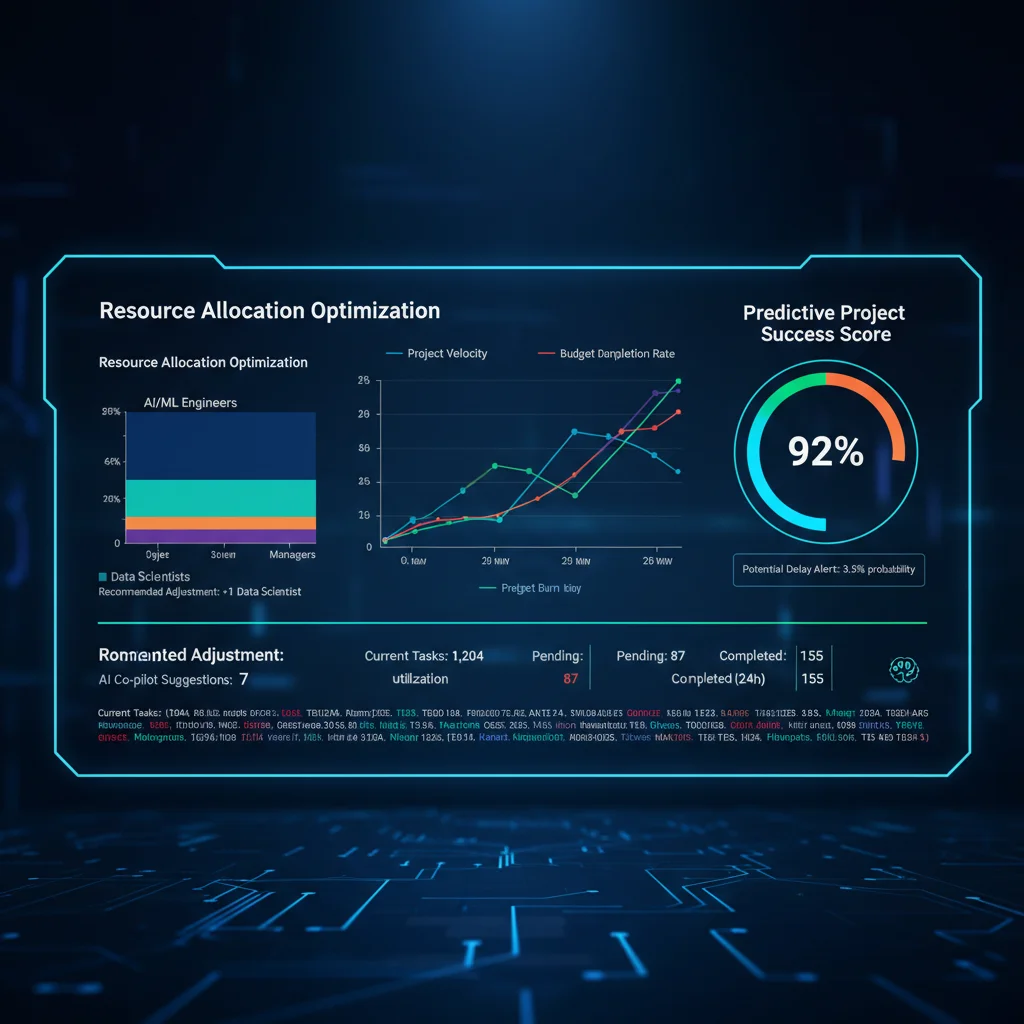
One of the most transformative project management updates emerging in Q2 2026 is the widespread integration of AI-powered predictive analytics. Gone are the days of relying solely on historical data and gut feelings to forecast project outcomes or manage resources. Modern project management software, leveraging advanced machine learning algorithms, can now analyze vast datasets to predict potential delays, budget overruns, and resource bottlenecks with remarkable accuracy.
Predicting Project Trajectories with Unprecedented Accuracy
AI analytics go beyond simple trend analysis. They can identify subtle patterns and correlations that human analysts might miss, taking into account variables such as team performance, task dependencies, external market factors, and even unforeseen risks. This allows project managers to gain a much clearer picture of future project trajectories. Imagine a system that can flag a potential two-week delay on a critical deliverable three months in advance, based on current team velocity, upcoming holidays, and the complexity of remaining tasks. This foresight enables proactive intervention, allowing teams to adjust schedules, reallocate resources, or mitigate risks before they escalate into major problems. This capability of the new project management updates is a game-changer for strategic planning.
Optimizing Resource Allocation: The Right People, The Right Time
Resource management has always been a complex puzzle, especially for organizations juggling multiple projects and a diverse talent pool. AI-powered resource optimization tools are revolutionizing this aspect of project management. These systems can analyze individual team member skills, availability, current workload, and project requirements to suggest optimal task assignments. They can identify underutilized resources or those at risk of burnout, allowing managers to balance workloads effectively and prevent costly delays or employee turnover. For US teams, where specialized skills can be in high demand, ensuring optimal utilization without overstretching talent is crucial. These project management updates provide the intelligence needed to make informed decisions about who does what, when, and how.
Furthermore, AI can simulate various resource allocation scenarios, presenting project managers with different options and their potential impact on timelines and budgets. This scenario planning capability is invaluable for contingency planning and for making data-driven decisions when unexpected changes occur. It transforms resource management from a reactive exercise into a proactive, strategic advantage.
Benefits for US Teams: Enhanced Efficiency and Cost Savings
The immediate benefits of AI-powered predictive analytics and resource optimization for US teams are clear. Firstly, there’s a significant improvement in project efficiency. By anticipating issues and optimizing resource use, projects are more likely to stay on track and within budget. Secondly, these project management updates lead to substantial cost savings. Avoiding delays, preventing resource wastage, and making smarter allocation decisions directly impact the bottom line. Thirdly, team morale can improve as workloads are more evenly distributed, and the frustration of unforeseen roadblocks is minimized. Finally, the ability to provide more accurate estimates and forecasts enhances client satisfaction and builds trust, reinforcing the reputation of the project delivery organization.
Implementing these features requires a commitment to data collection and analysis, but the return on investment is substantial. Organizations that embrace these AI-driven project management updates will find themselves operating with a level of foresight and control previously unimaginable.
Feature 2: Enhanced Real-time Collaboration and Communication Hubs
In an increasingly distributed and hybrid work environment, effective collaboration and communication are the bedrock of successful project management. The latest project management software updates for Q2 2026 place a strong emphasis on creating integrated, real-time collaboration hubs that go far beyond simple chat functions. These enhanced tools are designed to break down silos, foster seamless information flow, and ensure every team member is aligned and informed, regardless of their physical location.
Unified Communication Channels
Modern project management platforms are evolving into central communication hubs, integrating various channels into a single, cohesive interface. This means that instead of juggling emails, separate chat applications, video conferencing tools, and document-sharing platforms, teams can now find all their communication within the project management software itself. Think of integrated video calls directly from a task card, threaded discussions tied to specific deliverables, and real-time document co-editing capabilities. These project management updates minimize context switching, reduce communication overhead, and ensure that all relevant discussions and decisions are captured within the project’s historical record.
For US teams spread across different time zones or working from home, this unified approach is invaluable. It ensures that everyone has access to the same information at the same time, preventing miscommunications and delays. Features like instant notifications, @mentions, and customizable alerts keep team members informed of critical updates without overwhelming them with unnecessary noise.
Interactive Whiteboards and Collaborative Workspaces
Beyond text-based communication, the new project management updates are introducing highly interactive and collaborative workspaces. Virtual whiteboards, for instance, allow teams to brainstorm, sketch ideas, create flowcharts, and conduct sprint planning sessions as if they were in the same room. These digital canvases support real-time contributions from multiple users, making remote workshops and design sessions far more productive and engaging. These tools often come with pre-built templates for popular agile frameworks like Kanban boards or Scrum rituals, facilitating structured collaboration.
Similarly, collaborative document editing and version control have been significantly enhanced. Teams can co-create and revise project specifications, proposals, and reports in real-time, with automatic version tracking that eliminates confusion and ensures everyone is working on the latest iteration. Commenting features, approval workflows, and change tracking are now more intuitive and deeply integrated, making the review process much smoother.
Asynchronous Collaboration Capabilities
While real-time interaction is crucial, the reality of global and hybrid teams often necessitates effective asynchronous collaboration. The latest project management updates address this by providing robust tools for offline work and delayed communication. Features like detailed activity logs, searchable conversation histories, and clear task ownership indicators allow team members to catch up on project progress and discussions at their convenience, without losing critical context. This flexibility is vital for maintaining productivity across different schedules and work styles within US teams.
Impact on Team Dynamics and Project Success
The impact of these enhanced collaboration and communication hubs on team dynamics and project success cannot be overstated. They foster a sense of unity and shared purpose, even among geographically dispersed teams. Decision-making becomes faster and more transparent, as all relevant stakeholders can contribute and view discussions. Furthermore, these project management updates lead to a significant reduction in communication friction, allowing teams to focus more on actual project work and less on managing communication channels. For US businesses, this translates to faster project delivery, higher quality outcomes, and ultimately, greater client satisfaction.
Feature 3: Advanced Security, Compliance, and Data Governance
In an era where data breaches are becoming increasingly common and regulatory scrutiny is intensifying, advanced security, compliance, and data governance features are no longer optional but absolutely essential for any project management software. The project management updates slated for Q2 2026 reflect this critical need, offering robust safeguards designed to protect sensitive project information and ensure adherence to industry standards and legal requirements.
End-to-End Encryption and Multi-Factor Authentication
At the core of these security enhancements is end-to-end encryption for all data at rest and in transit. This ensures that project files, communications, and sensitive information are protected from unauthorized access, even if a breach were to occur at the server level. Coupled with mandatory multi-factor authentication (MFA), which adds an extra layer of security beyond just passwords, access to project management platforms is significantly hardened. For US teams handling proprietary information, client data, or regulatory compliance documents, these features are non-negotiable. These project management updates establish a foundational level of trust and protection.
Granular Access Controls and Role-Based Permissions
Beyond general security, modern project management software now offers highly granular access controls and role-based permissions. This means that administrators can precisely define who can view, edit, or delete specific tasks, documents, or project sections. For example, a stakeholder might have read-only access to a budget report, while a project manager has full editing capabilities. This level of control is vital for maintaining data integrity, preventing accidental modifications, and ensuring that sensitive information is only accessible to those with a legitimate need. These features are particularly important for larger US organizations with complex project structures and diverse teams, where different individuals and departments have varying levels of responsibility and access requirements.
Automated Compliance and Audit Trails
Navigating the complex landscape of data privacy regulations (such as HIPAA, GDPR, CCPA, and industry-specific certifications) can be a daunting task for US businesses. The latest project management updates are addressing this by integrating automated compliance features. This includes built-in templates for compliance reports, automated data retention policies, and robust audit trails that log every action taken within the platform. These audit trails provide an irrefutable record of who did what, when, and where, which is invaluable for internal audits, regulatory investigations, and dispute resolution. This automation significantly reduces the manual effort and risk associated with compliance, allowing teams to focus on project delivery rather than administrative burden.

Data Sovereignty and Regional Hosting Options
For many US organizations, particularly those in government, healthcare, or finance, data sovereignty is a critical concern. The new project management updates often provide options for regional data hosting, allowing companies to ensure their project data resides within specific geographical boundaries, thereby complying with local data residency laws. This is a significant advancement for US teams who need assurance that their data is stored and processed according to US regulations and not subject to foreign jurisdictions.
Threat Detection and Vulnerability Management
Beyond preventative measures, some advanced project management solutions are incorporating AI-driven threat detection and vulnerability management. These systems continuously monitor for unusual activity, potential security vulnerabilities, and emerging threats, alerting administrators to potential issues before they can be exploited. This proactive security posture is a testament to the sophistication of the latest project management updates, offering a dynamic defense against evolving cyber threats.
The integration of these advanced security, compliance, and data governance features provides US teams with the confidence that their valuable project data is protected, and their operations adhere to the highest standards of integrity and legality. Investing in software with these capabilities is not just a best practice; it’s a strategic imperative for safeguarding business continuity and reputation.
Implementing These Project Management Updates by Q2 2026
Successfully integrating these critical project management updates into your US team’s workflow by Q2 2026 requires a strategic approach. It’s not merely about purchasing new software; it’s about a cultural shift and a commitment to leveraging technology for maximum impact. Here’s a roadmap for effective implementation:
1. Assess Current Needs and Gaps:
Before making any decisions, conduct a thorough assessment of your current project management processes, tools, and pain points. Where are your team’s biggest inefficiencies? What aspects of project planning, execution, or monitoring are lacking? Understanding your specific needs will help you prioritize which of the project management updates will deliver the most value.
2. Research and Pilot Programs:
Investigate various project management software providers that offer these advanced features. Don’t be afraid to engage in pilot programs or free trials with a small, representative team. This hands-on experience will provide invaluable insights into the usability, integration capabilities, and real-world benefits of the new tools. Pay close attention to how the AI-powered analytics perform with your data, how intuitive the collaboration hubs are, and the robustness of the security features.
3. Data Migration and Integration Strategy:
Plan your data migration carefully. How will historical project data be transferred to the new system? What integrations are necessary with existing enterprise resource planning (ERP), customer relationship management (CRM), or other business intelligence tools? A seamless integration strategy is crucial to avoid disruptions and ensure a unified data ecosystem. The new project management updates should enhance, not complicate, your existing infrastructure.
4. Comprehensive Training and Change Management:
Technology is only as good as the people using it. Provide comprehensive training to all team members on the new features, focusing on how these project management updates will improve their day-to-day work. Develop a robust change management strategy to address potential resistance and ensure a smooth transition. Highlighting the benefits and providing ongoing support will be key to successful adoption.
5. Establish Governance and Best Practices:
Once implemented, establish clear governance policies and best practices for using the new software. This includes guidelines for data input, naming conventions, communication protocols within the collaboration hubs, and security procedures. Regular reviews and feedback loops will help optimize usage and identify areas for further improvement. With these project management updates, consistency in usage drives the best results.
6. Monitor Performance and Refine:
Continuously monitor the performance of the new tools and their impact on project outcomes. Are projects being delivered more efficiently? Are budget overruns decreasing? Is team collaboration more effective? Use the insights from the AI-powered analytics to refine your processes and further leverage the capabilities of the software. The beauty of these project management updates is their ability to provide continuous improvement.
The Future is Now: Embracing Innovation
The project management updates coming in Q2 2026 represent a significant leap forward in how US teams can approach and execute projects. By embracing AI-powered predictive analytics and resource optimization, leveraging enhanced real-time collaboration and communication hubs, and prioritizing advanced security, compliance, and data governance, organizations can unlock new levels of efficiency, productivity, and success. These aren’t just features; they are strategic necessities for navigating the complexities of modern business.
The investment in these technologies is an investment in the future resilience and competitiveness of your team. Those who proactively adopt these project management updates will be better positioned to attract top talent, deliver projects on time and within budget, and ultimately achieve their strategic objectives. Don’t wait until these features become industry standards; lead the way by implementing them now and transform your project management capabilities for Q2 2026 and beyond.
The journey towards optimized project management is continuous, but with these powerful new tools, US teams have an unprecedented opportunity to redefine what’s possible. Make the strategic choice to integrate these advancements, and watch your projects, and your team, flourish.