MDM for Personal Devices: 2026 Guide to Enhanced Security
MDM for Personal Devices: A 2026 Guide to Enhanced Security (Practical Solutions)
In an increasingly interconnected world, where personal devices are central to our daily lives, the concept of security has evolved beyond simple antivirus software. As we navigate through 2026, the need for robust protection for our smartphones, tablets, and even smartwatches has never been more critical. This is where MDM personal security, or Mobile Device Management for personal use, steps in as a game-changer. No longer solely the domain of corporate IT departments, MDM offers a suite of powerful tools to safeguard your digital life, ensuring privacy, data integrity, and peace of mind.
The lines between personal and professional devices are blurring. With the rise of remote work, bring-your-own-device (BYOD) policies, and the sheer volume of sensitive information we store on our mobile gadgets, securing these endpoints is paramount. This comprehensive guide will delve into what MDM personal security entails in 2026, its benefits, key features, practical solutions, and what the future holds for personal device management.
Understanding Mobile Device Management (MDM) for Personal Use
What is MDM? A Personal Perspective
Traditionally, Mobile Device Management (MDM) has been an enterprise-level solution designed to manage and secure corporate-owned or BYOD devices within an organization. It allows IT administrators to configure settings, deploy applications, enforce security policies, and remotely wipe devices if lost or stolen. However, the underlying principles and technologies of MDM are incredibly valuable for individual users seeking to enhance their personal device security.
For personal use, MDM personal security translates to a set of practices and tools that empower you, the individual user, to take control of your device’s security posture. It’s about proactive protection rather than reactive damage control. Imagine having the ability to remotely locate a lost phone, encrypt all your data with a few taps, or ensure that all your apps are up-to-date and free from vulnerabilities – all from a centralized, user-friendly interface. This is the promise of MDM for the individual in 2026.
Why is MDM Personal Security Crucial in 2026?
The digital threat landscape is constantly evolving. In 2026, we face sophisticated phishing attacks, advanced malware, ransomware targeting mobile devices, and an ever-increasing risk of data breaches. Our personal devices hold an immense amount of sensitive information: banking details, personal photos, communication logs, health data, and access to countless online services. A single compromise can have devastating financial, reputational, and emotional consequences.
Furthermore, the proliferation of IoT devices and smart home technology means our personal networks are more expansive and potentially vulnerable than ever before. A robust MDM personal security strategy acts as your first line of defense, providing a holistic approach to securing not just one device, but your entire personal digital ecosystem.
Key Benefits of Implementing MDM Personal Security
Adopting MDM principles for your personal devices offers a multitude of advantages that go beyond basic antivirus protection. Here’s a breakdown of the core benefits:
Enhanced Data Protection and Privacy
- Data Encryption: MDM solutions often facilitate or enforce full-device encryption, making your data unreadable to unauthorized parties even if the device is physically compromised. This is a cornerstone of strong MDM personal security.
- Secure Data Backup: Regular, encrypted backups to secure cloud storage or external drives ensure that your precious memories and important documents are safe, even if your device is lost, stolen, or damaged.
- Application Sandboxing: MDM can help create isolated environments for certain applications, preventing malicious apps from accessing sensitive data stored by other applications.
- Privacy Controls: Gain granular control over app permissions, location services, and data sharing, ensuring your personal information isn’t being misused or overshared.
Robust Device Security and Management
- Remote Locking and Wiping: The ability to remotely lock your device or completely wipe its data if it’s lost or stolen is arguably one of the most critical features of MDM personal security. This prevents unauthorized access to your personal information.
- Device Location Tracking: Integrated GPS tracking helps you locate misplaced devices, increasing the chances of recovery.
- Password Policy Enforcement: MDM can help enforce strong password or PIN policies, including complexity requirements and auto-lock timers, making it harder for unauthorized users to gain access.
- Software Update Management: Ensuring all your operating systems and applications are up-to-date is vital for security. MDM can facilitate or remind you to install critical security patches promptly.
Improved Digital Well-being and Productivity
- Application Management: Control which apps are installed, block unwanted applications, and monitor app usage, contributing to a cleaner, more secure device environment.
- Configuration Management: Standardize security settings across all your personal devices, ensuring consistent protection.
- Content Filtering (Optional): For family use, some MDM-like solutions offer content filtering to protect younger users from inappropriate content.
Essential Features of Personal MDM Solutions in 2026
As we look at 2026, personal MDM solutions are becoming more sophisticated and user-friendly. Here are the must-have features you should look for:
Advanced Authentication Mechanisms
Beyond traditional passwords, modern MDM personal security solutions integrate with advanced authentication methods like multi-factor authentication (MFA) using biometrics (fingerprint, facial recognition) and hardware tokens. This adds an extra layer of security, making it significantly harder for unauthorized individuals to access your devices or accounts.
Granular App and Data Control
You should have the power to define what apps can access what data. This includes:
- App Whitelisting/Blacklisting: Allowing only approved apps or blocking known malicious ones.
- Data Loss Prevention (DLP) lite: Preventing sensitive personal data (e.g., specific document types, private photos) from being copied to unsecure locations or shared through unapproved channels.
- Containerization: Creating secure, encrypted containers on your device for sensitive apps and data, separating them from less secure personal content.
Real-time Threat Detection and Response
The best MDM personal security solutions in 2026 will offer real-time monitoring for suspicious activities, such as:
- Malware and Phishing Protection: Proactive scanning and blocking of malicious software and phishing attempts.
- Network Security Monitoring: Alerting you to insecure Wi-Fi networks or suspicious network activity.
- Vulnerability Management: Identifying outdated software or known vulnerabilities on your device and prompting you to take action.
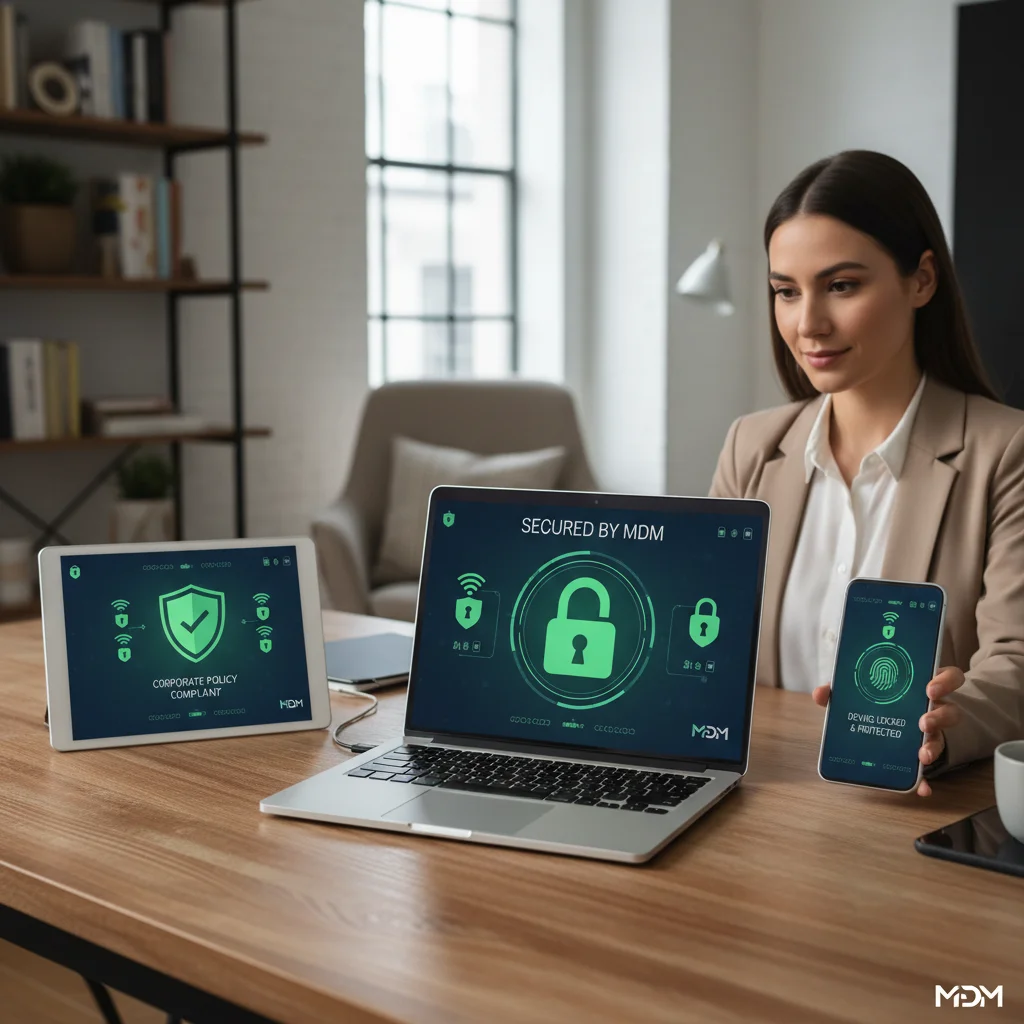
Automated Security Policies and Compliance
Forget manual configuration. MDM personal security tools can automate the enforcement of security best practices, such as:
- Automatic Screen Lock: Ensuring your device locks after a period of inactivity.
- Encryption Enforcement: Verifying that full-device encryption is active.
- Regular Security Scans: Scheduling automatic scans for malware and vulnerabilities.
- Geo-fencing (Optional): Some advanced solutions might offer the ability to trigger security actions based on your device’s location (e.g., automatically locking certain apps when you leave home).
Practical Solutions for Personal MDM in 2026
While dedicated personal MDM solutions are emerging, the landscape in 2026 still involves a combination of built-in features, third-party apps, and a proactive mindset. Here’s how you can implement robust MDM personal security:
Leveraging Built-in OS Features
Both iOS and Android have significantly enhanced their security and management capabilities, offering a baseline for personal MDM:
- iOS:
- Find My: For locating, locking, and wiping lost devices.
- iCloud Keychain: Secure password management and strong password generation.
- Face ID/Touch ID: Biometric authentication for device unlock and app access.
- App Privacy Report: See how apps use your permissions.
- End-to-end Encryption: For iMessage and FaceTime.
- Android:
- Find My Device: Similar functionality to Find My for Android devices.
- Google Password Manager: Integrated password management.
- Biometric Unlock: Fingerprint and facial recognition.
- Privacy Dashboard: Overview of app permissions and data access.
- Google Play Protect: Built-in malware scanning for apps.
- Work Profile (Android Enterprise): While primarily for corporate BYOD, individuals can use this to create a separate, secure environment for work-related apps, even on a personal device. This is a powerful form of MDM personal security.
Third-Party Personal MDM-like Applications
Several companies are now offering consumer-focused security suites that incorporate many MDM functionalities. These often combine antivirus, VPN, password management, and device tracking into a single subscription. Look for solutions that offer:
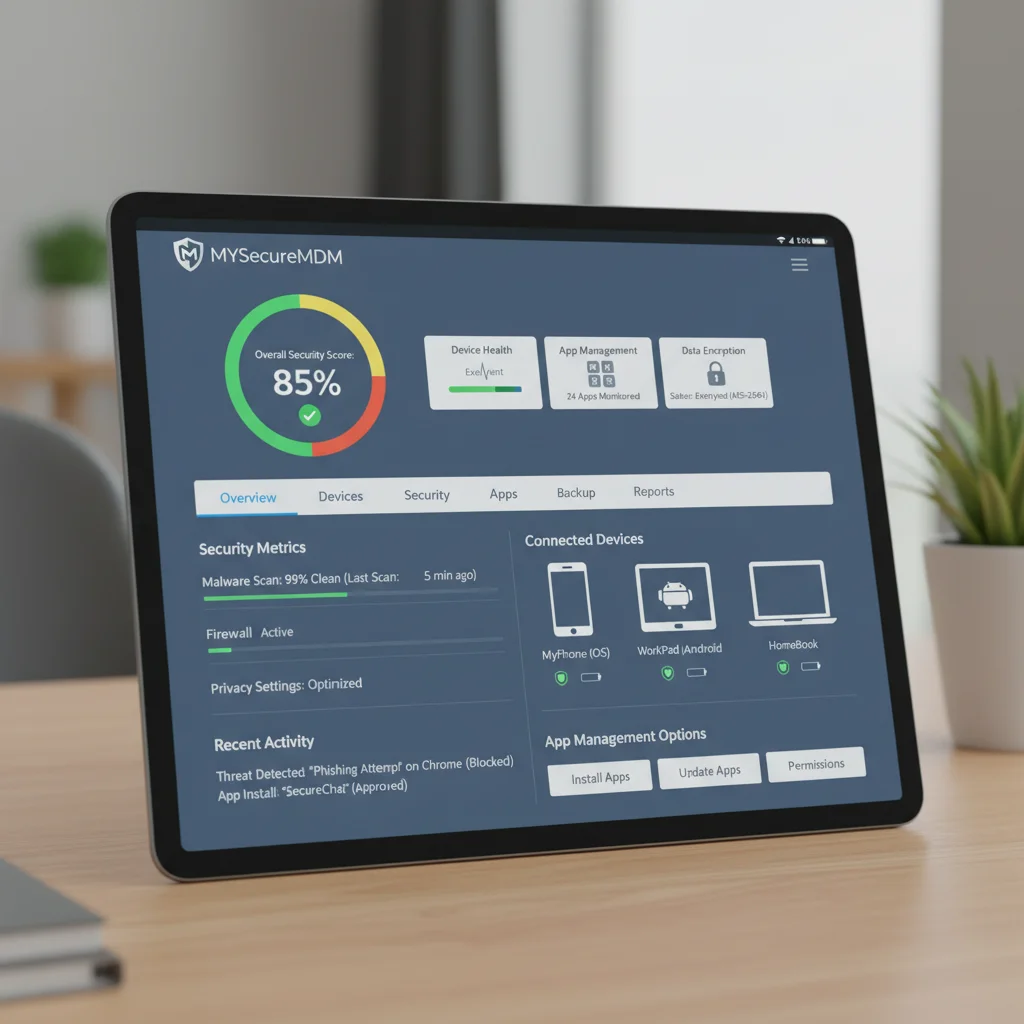
- Unified Dashboard: To manage security across multiple personal devices.
- Advanced Anti-theft Features: Beyond basic locate/wipe, look for features like taking photos of intruders, sounding alarms, or displaying custom messages.
- Secure Browsing and VPN: To protect your online activity.
- Parental Controls: If managing devices for family members.
- Identity Theft Protection: Some bundles include services to monitor your personal information online.
The Role of Cloud Services in Personal MDM
Cloud providers like Google, Apple, Microsoft, and others play a significant role in enabling MDM personal security. Their services often include:
- Secure Cloud Backups: Encrypted backups of photos, documents, and device settings.
- Password Syncing: Securely synchronizing passwords across devices.
- Remote Management Consoles: Web interfaces to manage device security settings, locate devices, and manage data.
- Two-Factor Authentication (2FA) for Accounts: Crucial for protecting access to your cloud data.
Future Trends in MDM Personal Security (Beyond 2026)
The evolution of MDM personal security won’t stop in 2026. Here’s a glimpse into what the future might hold:
AI and Machine Learning for Proactive Threat Detection
Expect AI to become even more central. AI algorithms will analyze behavioral patterns on your devices to detect anomalies that indicate compromise, such as unusual app activity, data transfer patterns, or login attempts. This proactive approach will allow for threat neutralization even before traditional signatures are updated.
Decentralized Identity and Self-Sovereign Identity (SSI) Integration
As digital identity evolves, future personal MDM solutions might integrate with decentralized identity frameworks. This would give individuals greater control over their digital credentials and how they are shared, enhancing privacy and reducing the risk of identity theft across all managed devices.
Seamless Integration with Smart Home and IoT Ecosystems
Your personal MDM solution won’t just manage your phone and tablet; it will extend to your smart home devices, wearable tech, and even smart vehicles. A single dashboard could secure your entire connected life, from ensuring your smart lock firmware is updated to monitoring for unusual activity on your home network. This holistic approach to MDM personal security is critical as our digital footprint expands.
Quantum-Resistant Encryption
As quantum computing advances, current encryption methods may become vulnerable. Future MDM personal security will need to incorporate quantum-resistant cryptographic algorithms to ensure long-term data protection.
Hyper-Personalized Security Policies
Instead of one-size-fits-all, future MDM will allow for highly personalized security policies based on individual risk profiles, usage patterns, and even location. For example, your device might automatically enable stricter security measures when you are in a public place or accessing sensitive financial apps.
Implementing Your Personal MDM Strategy: A Checklist for 2026
To effectively manage and secure your personal devices with an MDM personal security mindset, consider this checklist:
- Inventory Your Devices: List all your smartphones, tablets, laptops, and even smartwatches that hold personal data or access online services.
- Enable All Built-in Security Features: Maximize the use of Find My/Find My Device, biometric locks, and encryption on all your operating systems.
- Use Strong, Unique Passwords/Passphrases: Employ a reputable password manager and enable multi-factor authentication (MFA) on all critical accounts.
- Regularly Update Software: Keep your OS, apps, and firmware up-to-date to patch known vulnerabilities.
- Back Up Your Data: Implement a regular, encrypted backup strategy for all essential data.
- Review App Permissions: Periodically check what permissions your apps have and revoke any unnecessary ones.
- Consider a Third-Party Security Suite: Evaluate comprehensive security apps that offer MDM-like features for personal use.
- Secure Your Wi-Fi Network: Use strong WPA3 encryption for your home Wi-Fi and consider a VPN when using public networks.
- Educate Yourself: Stay informed about the latest cybersecurity threats and best practices.
- Plan for Loss/Theft: Know exactly how you would remotely lock, locate, or wipe a device if it were lost or stolen.
Challenges and Considerations for Personal MDM
While the benefits are clear, there are considerations when embracing MDM personal security:
Complexity vs. Usability
One of the biggest challenges for personal MDM solutions is balancing powerful security features with user-friendliness. Individuals don’t have IT support teams, so interfaces must be intuitive and configurations straightforward.
Cost
While some basic features are free, advanced personal MDM-like suites often come with a subscription fee. Users need to weigh the cost against the value of enhanced security and peace of mind.
Privacy Concerns with Third-Party Solutions
When entrusting a third-party app with significant control over your device, it’s crucial to thoroughly research their privacy policies and reputation. Ensure they don’t collect or misuse your personal data.
Over-Management
There’s a fine line between securing your device and over-managing it to the point where it hinders usability. The goal is enhanced security without sacrificing convenience or functionality.
Conclusion: Empowering Your Digital Life with MDM Personal Security
As we move further into 2026 and beyond, the concept of MDM personal security is no longer a niche idea but a fundamental necessity for anyone serious about protecting their digital life. Our personal devices are gateways to our finances, relationships, memories, and identity. Relying solely on basic security measures is akin to leaving your front door unlocked in a bustling city.
By understanding the principles of MDM and actively implementing its features – whether through built-in OS capabilities, comprehensive third-party solutions, or a combination of both – you can build a formidable defense against the ever-growing array of cyber threats. Embrace the future of personal device security; take control, stay informed, and enjoy the peace of mind that comes with a truly secure digital existence.
The journey towards enhanced personal security is continuous. The landscape will continue to evolve, bringing new threats and new solutions. By adopting an MDM personal security mindset, you are not just reacting to current dangers but proactively preparing for the challenges of tomorrow.