The Future of Food Delivery: A Review of 2 Innovative Apps Transforming US Restaurant Services in 2026 with 15% Faster Delivery
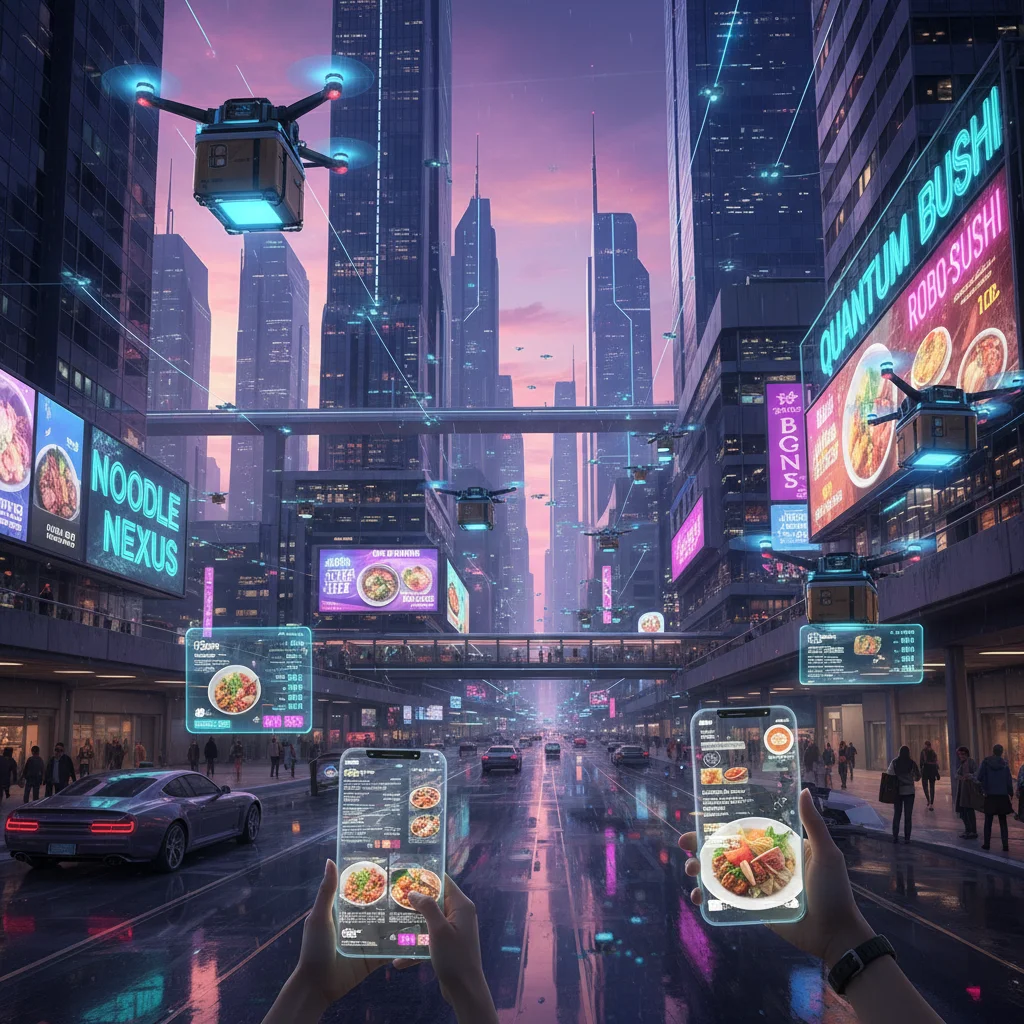
The landscape of food delivery is constantly evolving, driven by technological advancements and shifting consumer expectations. As we gaze into the near future, specifically towards 2026, it’s clear that the demand for convenience, speed, and personalized experiences will only intensify. The future food delivery ecosystem in the United States is poised for a significant transformation, with new players and existing giants leveraging cutting-edge innovations to offer unparalleled service. This article delves into how two innovative apps are set to revolutionize US restaurant services, promising not just efficiency but a remarkable 15% faster delivery, setting new benchmarks for the industry.
The global food delivery market is a behemoth, projected to continue its rapid growth. In the US, this growth is particularly pronounced, fueled by busy lifestyles, technological integration, and a cultural embrace of on-demand services. Traditional delivery models are being challenged by smart logistics, AI-driven personalization, and sustainable practices. The focus is no longer just on getting food from point A to point B, but on optimizing every step of the process to enhance the overall customer experience. This holistic approach is what defines the next generation of food delivery services.
By 2026, we anticipate a significant maturation of technologies that are currently nascent. Autonomous delivery vehicles, drone delivery, advanced AI for predictive ordering, and highly efficient kitchen automation will move from experimental stages to mainstream adoption. These advancements are not isolated; they are interconnected components of a larger, smarter delivery network. The promise of 15% faster delivery isn’t just a marketing slogan; it’s a measurable outcome of these integrated technological solutions.
Understanding these shifts is crucial for restaurants, consumers, and investors alike. For restaurants, partnering with the right delivery platforms can mean the difference between thriving and merely surviving. For consumers, it means access to fresher, faster, and more diverse culinary options. For investors, it represents a fertile ground for innovation and significant returns. Let’s explore the two pioneering apps that are leading this charge into the future food delivery landscape.
The Dawn of Hyper-Efficient Logistics: App X’s Game-Changing Model
Our first innovative app, let’s call it ‘App X,’ is not just another delivery platform; it’s a masterclass in hyper-efficient logistics. App X’s core innovation lies in its sophisticated use of predictive analytics and dynamic routing algorithms. Unlike traditional models that often rely on static delivery zones and manual dispatch, App X employs AI to anticipate demand, optimize driver routes in real-time, and even suggest optimal food preparation times to restaurants. This end-to-end optimization is a key factor in achieving that ambitious 15% faster delivery target.
The technology behind App X is truly impressive. It integrates with restaurant POS systems, allowing for seamless order flow from customer click to kitchen prep. As soon as an order is placed, App X’s AI analyzes current traffic conditions, driver availability, weather patterns, and even historical order data for that specific restaurant and customer location. This data-driven approach allows the system to assign the most efficient driver, calculate the most optimal route, and provide an incredibly accurate estimated delivery time. This precision minimizes idle time for drivers and ensures food arrives at its freshest.
Real-Time Route Optimization and Predictive Dispatch
One of the standout features of App X is its real-time route optimization. Imagine a delivery driver encountering unexpected traffic or a sudden road closure. While other apps might struggle to reroute efficiently, App X’s system instantly recalculates and provides an alternative, faster path. This dynamic adaptability is crucial in urban environments where conditions can change rapidly. Furthermore, App X uses predictive dispatch, meaning it can often anticipate when an order will be ready and dispatch a driver even before the food is fully prepared, timing their arrival perfectly with the meal’s completion. This reduces wait times at the restaurant, a common bottleneck in the delivery process.
Beyond just speed, App X also focuses on sustainability. By optimizing routes, it reduces fuel consumption and carbon emissions, aligning with growing consumer demand for eco-friendly services. This dual benefit of speed and sustainability positions App X as a leader in the future food delivery market. The app’s interface is also designed for clarity, providing customers with detailed tracking information, including live map updates and precise ETAs, reducing anxiety and enhancing satisfaction.
The impact on restaurants partnering with App X is substantial. They experience reduced order errors, faster turnaround times, and increased customer satisfaction, which translates to higher ratings and repeat business. The data insights provided by App X also help restaurants optimize their operations, identify peak hours, and even inform menu adjustments. This symbiotic relationship between the platform and its partners is a hallmark of truly innovative service.
Personalized Culinary Journeys: App Y’s AI-Driven Experience
Our second trailblazing app, ‘App Y,’ is redefining the customer experience by focusing on hyper-personalization and cutting-edge culinary integration. While speed is a critical component, App Y understands that the future food delivery is also about offering a uniquely tailored journey to each user. Its innovation stems from advanced AI that learns individual preferences, dietary restrictions, and even mood to suggest not just dishes, but entire meal experiences.
App Y goes beyond simple order history. It incorporates data from user reviews, browsing patterns, external health apps (with user consent), and even real-time contextual information like local events or weather to curate highly relevant recommendations. Imagine an app that knows you’re craving Italian on a rainy Tuesday, or that you prefer gluten-free options after a workout, and presents you with perfectly matched restaurant and dish suggestions. This level of personalized foresight is what sets App Y apart.
AI-Powered Menu Curation and Virtual Kitchen Integration
Central to App Y’s success is its AI-powered menu curation. The app doesn’t just list restaurants; it intelligently filters and highlights dishes based on your evolving tastes. It can even suggest modifications to existing dishes at partner restaurants to better suit your preferences. This intelligent filtering significantly reduces decision fatigue, making the ordering process more enjoyable and efficient. Furthermore, App Y is at the forefront of integrating with virtual kitchens and ghost restaurants. These establishments, designed purely for delivery, can be optimized for speed and efficiency, often using robotics and automated systems for food preparation. App Y acts as a sophisticated bridge, connecting consumers to these next-generation culinary hubs.
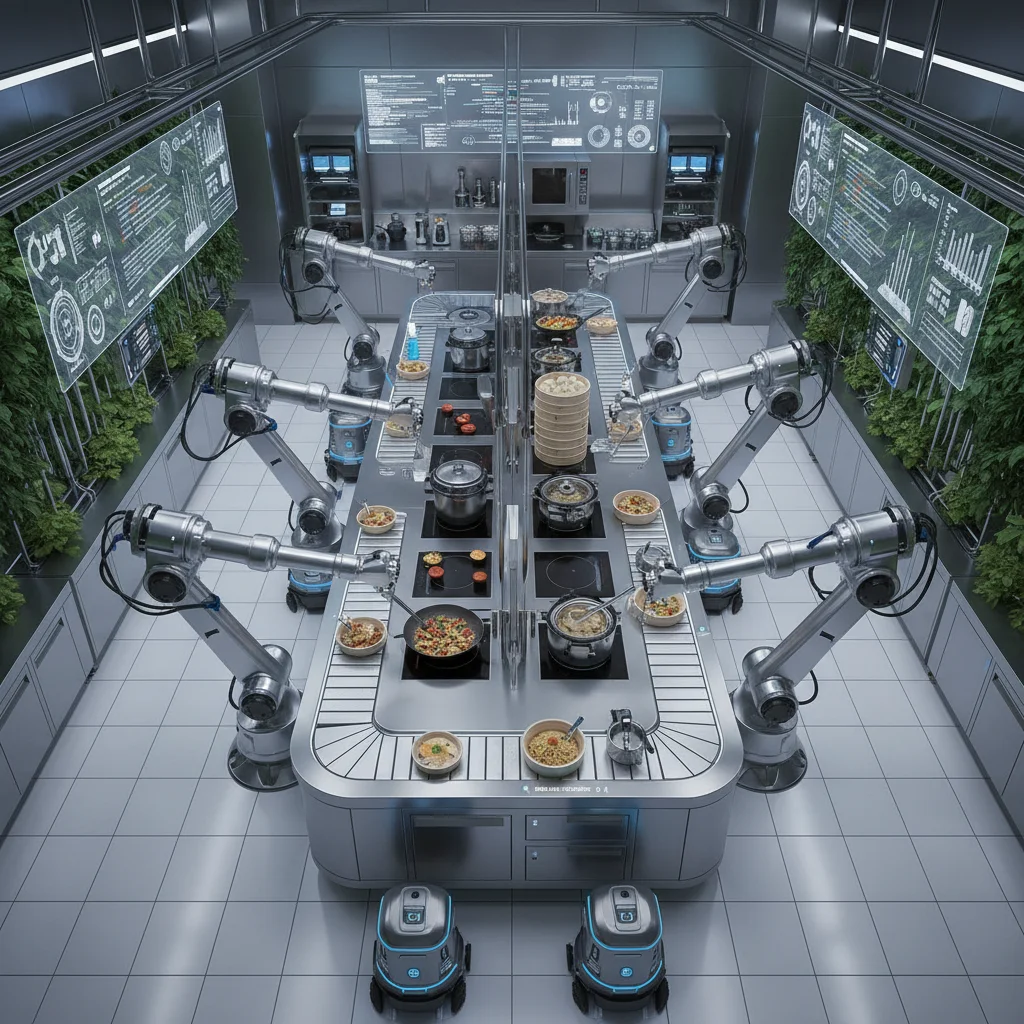
The integration with virtual kitchens allows App Y to offer a wider variety of specialized cuisines and cater to niche dietary needs more effectively. These kitchens are often strategically located to minimize delivery distances, contributing directly to the 15% faster delivery promise. By leveraging these optimized kitchen models, App Y can ensure that even highly customized orders are prepared quickly and delivered fresh.
App Y also focuses on enhancing the post-delivery experience. It offers intelligent feedback mechanisms, allowing users to rate not just the food and delivery, but specific aspects like packaging, temperature, and even the accuracy of dietary modifications. This data fuels the AI’s learning algorithms, continuously refining its recommendations and improving service quality. For restaurants, partnering with App Y means access to a highly engaged customer base and invaluable insights into consumer preferences, enabling them to adapt their menus and operations to meet demand more precisely.
The Technology Driving 15% Faster Delivery
The promise of 15% faster delivery by 2026 is not a mere aspiration; it’s a quantifiable goal achievable through a combination of synergistic technologies. Both App X and App Y, though different in their primary focus, leverage several common technological pillars that are fundamental to the future food delivery paradigm. Understanding these underlying technologies provides insight into how such efficiency gains are realized across the industry.
Advanced Robotics and Automation
In the kitchens themselves, robotics and automation are becoming increasingly prevalent. Automated cooking stations, robotic food assemblers, and smart inventory management systems reduce human error, ensure consistency, and significantly cut down preparation times. These systems can operate around the clock, handling peak demands with ease, directly contributing to faster order fulfillment. Furthermore, in delivery hubs, automated sorting and packaging systems streamline the handover process from kitchen to driver or autonomous vehicle.
Autonomous Delivery Vehicles and Drones
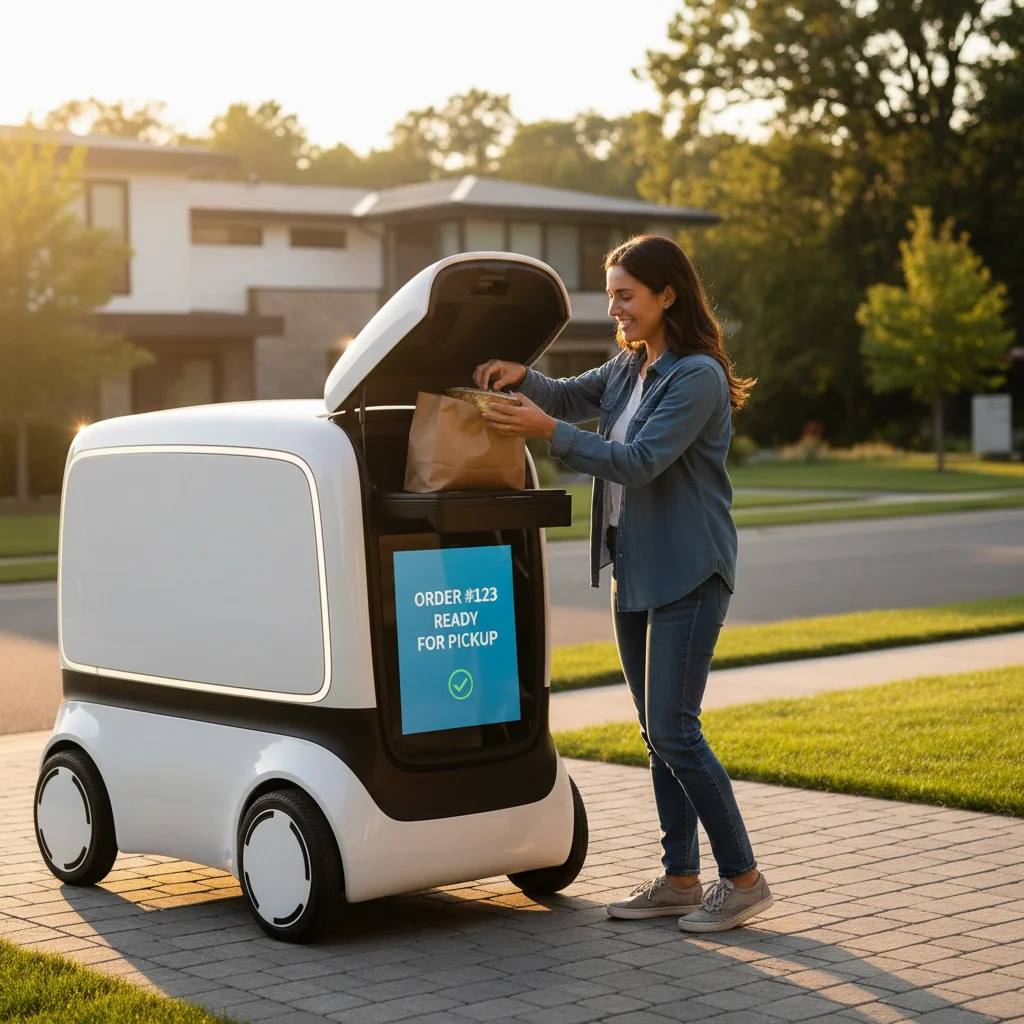
Perhaps the most visible sign of the future food delivery is the emergence of autonomous delivery vehicles (ADVs) and drones. While still in pilot phases in many regions, by 2026, these technologies are expected to be more widespread. ADVs can operate independently, navigating urban and suburban environments without human intervention, reducing labor costs and potentially offering 24/7 delivery services. Drones, on the other hand, are ideal for shorter, direct routes, bypassing traffic congestion entirely. Both technologies contribute directly to faster delivery times, especially for last-mile logistics.
Blockchain for Supply Chain Transparency and Efficiency
While less visible to the end-user, blockchain technology is playing an increasingly important role in ensuring supply chain transparency and efficiency. For food delivery, this means tracking ingredients from farm to fork, ensuring freshness, quality, and ethical sourcing. A transparent supply chain can also identify potential bottlenecks and delays before they impact delivery times, allowing for proactive adjustments. This indirect but crucial aspect contributes to the overall speed and reliability of the delivery ecosystem.
5G Connectivity and IoT Integration
The rollout of 5G networks is a game-changer for the entire food delivery infrastructure. Faster, more reliable connectivity enables real-time data exchange between delivery platforms, restaurants, drivers, autonomous vehicles, and customers. This low-latency communication is essential for dynamic routing, predictive analytics, and the seamless operation of IoT devices within smart kitchens and delivery vehicles. The Internet of Things (IoT) allows for constant monitoring of food temperature, vehicle location, and other critical parameters, ensuring optimal conditions and timely delivery.
The Impact on Consumers and Restaurants
The advent of these innovative apps and the broader technological shifts in the future food delivery market will have profound impacts on both consumers and restaurants. For consumers, the benefits are clear: faster, more reliable, and highly personalized food delivery experiences. This means hotter food, more accurate orders, and less time spent waiting. The ability to discover new culinary experiences through AI-driven recommendations also adds significant value, transforming delivery from a transactional service into a curated culinary journey.
For restaurants, the implications are equally transformative. Partnering with platforms like App X and App Y offers access to advanced logistical tools that can optimize their own operations, reduce food waste, and increase their reach. The data insights provided by these apps can help restaurants make informed decisions about menu development, staffing, and marketing strategies. Furthermore, the enhanced customer satisfaction driven by faster and more personalized service translates directly into increased loyalty and revenue. Ghost kitchens and virtual brands, empowered by these platforms, can operate with lower overheads and greater flexibility, tapping into diverse markets without the need for traditional brick-and-mortar setups.
Challenges and Ethical Considerations
While the benefits are numerous, the rapid evolution of future food delivery also presents challenges. Data privacy and security become paramount as more personal information is used for personalization. The ethical implications of AI-driven recommendations and potential algorithmic biases need careful consideration. For the workforce, the rise of automation and autonomous vehicles raises questions about job displacement and the need for new skill sets. Regulatory frameworks will need to adapt quickly to keep pace with technological advancements, ensuring fair competition and consumer protection.
Sustainability, while often touted as a benefit of optimized logistics, also needs continuous monitoring. The environmental impact of increased packaging, energy consumption by data centers, and the manufacturing of autonomous vehicles must be addressed to ensure that the future food delivery is truly green. Both App X and App Y, along with other industry leaders, will need to commit to transparent practices and invest in sustainable solutions to mitigate these challenges.
Looking Ahead: The Continued Evolution
The journey of food delivery innovation doesn’t end in 2026. The pace of technological change suggests that even faster delivery times and more immersive experiences are on the horizon. We may see greater integration with smart home devices, allowing for voice-activated ordering and automated pantry restocking based on consumption patterns. Augmented reality (AR) could transform the menu browsing experience, allowing customers to visualize dishes in 3D before ordering.
The concept of ‘food as a service’ will likely expand, with subscription models offering personalized meal plans delivered with unparalleled precision. The lines between grocery delivery, meal kit services, and restaurant delivery will continue to blur, offering consumers a consolidated and seamless food procurement experience. The future food delivery will be characterized by extreme convenience, hyper-personalization, and a deep integration of technology into every aspect of the food chain.
The competition among delivery platforms will intensify, driving further innovation. Companies that prioritize not just speed, but also sustainability, ethical practices, and a truly delightful customer experience will be the ones that thrive. The ability to adapt to changing consumer preferences and leverage emerging technologies will be key to long-term success. Restaurants, in turn, will need to embrace these changes, viewing delivery platforms not just as a channel for orders, but as strategic partners in their growth and evolution.
Conclusion
The future food delivery in the US by 2026 is set to be a dynamic and exciting landscape, characterized by unprecedented speed, personalization, and technological sophistication. Apps like App X and App Y are at the forefront of this revolution, leveraging advanced AI, hyper-efficient logistics, and integrated culinary solutions to deliver food 15% faster and enhance the overall customer journey. While challenges remain, particularly around ethics and sustainability, the trajectory is clear: food delivery will continue to become more integrated, intelligent, and indispensable to modern life. For consumers, this means more choice, greater convenience, and fresher meals delivered right to their doorstep. For restaurants, it offers new avenues for growth, efficiency, and deeper engagement with their customer base. The future of food is indeed on demand, and it’s arriving faster than ever before.