5 Mobile Security Threats to Watch in 2026: An Expert Analysis for U.S. Users
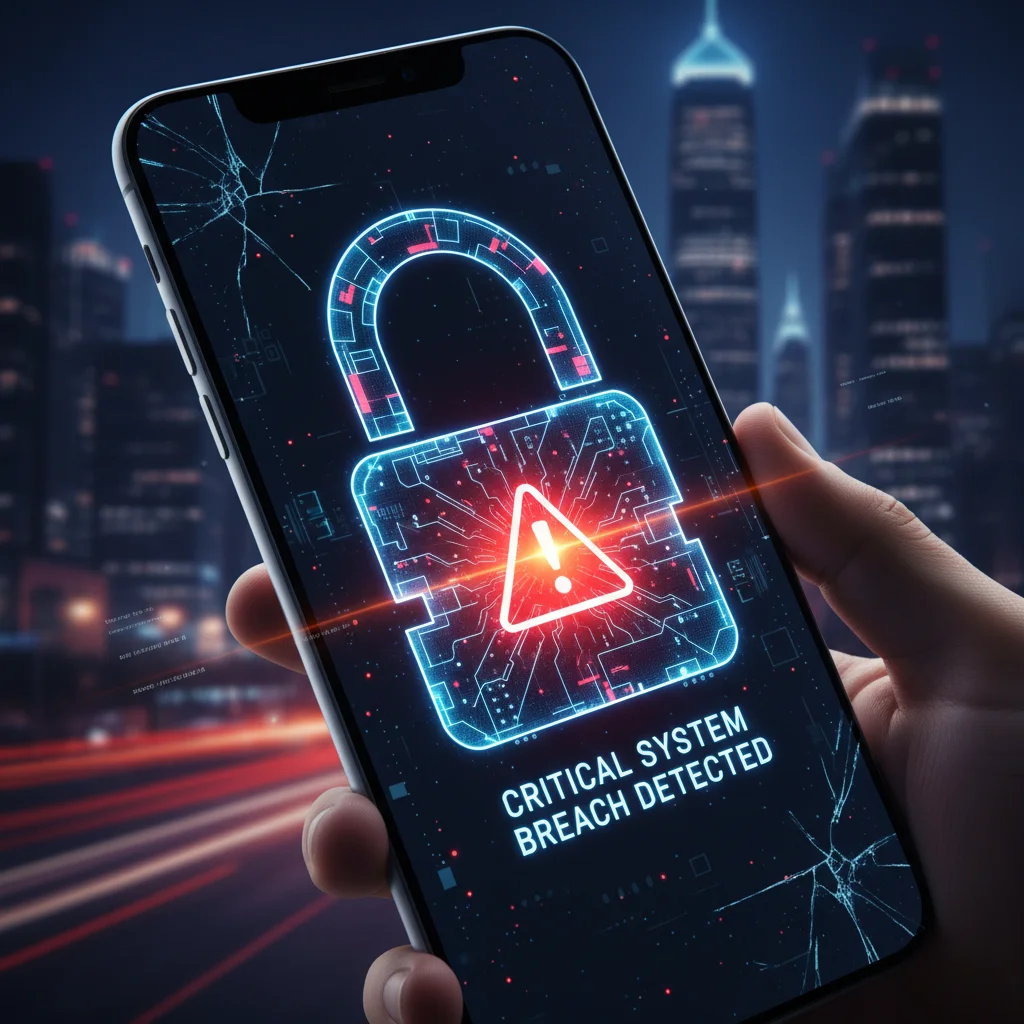
In an increasingly hyper-connected world, our mobile devices have become indispensable extensions of ourselves. From managing finances and communicating with loved ones to controlling smart home devices and accessing sensitive work data, smartphones and tablets are central to our daily lives. However, this convenience comes with a growing array of risks. As technology advances, so do the sophistication and audacity of cybercriminals. For U.S. users, understanding and preparing for the evolving landscape of mobile security threats 2026 is not just advisable; it’s absolutely critical.
As we peer into 2026, the threat landscape is set to become even more complex, driven by advancements in AI, the proliferation of 5G and future 6G networks, and the ever-expanding ecosystem of connected devices. This expert analysis delves into the top five mobile security threats U.S. users should be watching closely in the coming year, providing insider knowledge to help you fortify your digital defenses.
The Evolving Landscape of Mobile Security Threats 2026
The year 2026 promises to be a pivotal one for mobile security. The sheer volume of personal and professional data stored and accessed via mobile devices makes them prime targets for malicious actors. Traditional threats like phishing and malware continue to evolve, but new, more insidious dangers are also emerging. The convergence of advanced AI capabilities with sophisticated social engineering tactics will create highly personalized and incredibly difficult-to-detect attacks. Furthermore, the expansion of the Internet of Things (IoT) and the increasing reliance on mobile devices as central control hubs introduce new vectors for attack that were less prevalent in previous years.
Understanding these shifts is the first step in building a robust defense. We’re moving beyond simple antivirus solutions to a more holistic approach that considers user behavior, network security, and device integrity. Let’s break down the five most significant mobile security threats 2026 that demand your immediate attention.
1. AI-Powered Phishing and Social Engineering Campaigns
Phishing is not a new threat, but in 2026, it will be supercharged by artificial intelligence. AI algorithms can analyze vast amounts of personal data available online to craft hyper-realistic and deeply personalized phishing messages. These aren’t the easily spotted emails with glaring grammatical errors; these are sophisticated scams that mimic trusted contacts, government agencies, or financial institutions with uncanny accuracy.
Imagine receiving a text message that perfectly emulates your bank’s communication style, referencing a recent transaction, and using language consistent with your typical interactions. Or a voice call, generated by AI, that sounds exactly like a family member in distress, asking for urgent financial assistance. These AI-powered attacks exploit human psychology and leverage readily available personal information to bypass traditional security filters and trick users into revealing sensitive data or installing malicious software.
Why it’s a critical threat:
- Personalization: AI allows for unprecedented levels of personalization, making it harder to distinguish fake communications from legitimate ones.
- Scale and Speed: Attackers can launch millions of highly targeted campaigns simultaneously, overwhelming detection systems.
- Deepfake Technology: Voice and video deepfakes will make it possible to impersonate individuals convincingly, leading to more effective social engineering.
What U.S. users can do:
- "Trust, but Verify" with a Vengeance: Always independently verify suspicious requests, especially those involving money or sensitive information. Call the organization directly using a known, official number, not one provided in the suspicious message.
- Educate Yourself: Stay informed about common phishing tactics. Look for subtle inconsistencies, even in highly polished messages.
- Multi-Factor Authentication (MFA): Enable MFA on all critical accounts. Even if your login credentials are stolen, MFA provides an additional layer of security.
- Report Suspicious Activity: Report phishing attempts to your service providers and relevant authorities.
2. Advanced Mobile Malware and Ransomware
Mobile malware has steadily grown in complexity, and 2026 will see a new generation of threats. These aren’t just nuisance viruses; they are sophisticated pieces of code designed to exfiltrate data, spy on users, or hold devices hostage. Ransomware, in particular, is evolving. Instead of just encrypting files, future mobile ransomware might lock down device functionalities, leak sensitive data if a ransom isn’t paid, or even brick devices remotely.
Zero-click exploits, which allow attackers to compromise a device without any user interaction, are becoming more prevalent and accessible. These exploits can leverage vulnerabilities in operating systems, messaging apps, or Wi-Fi protocols to install spyware or other malicious payloads discreetly. The target is often high-value individuals, but the techniques can trickle down to broader attacks.
Why it’s a critical threat:
- Zero-Click Exploits: Devices can be compromised without any user action, making detection extremely difficult.
- Evasive Techniques: Malware will become more adept at evading detection by traditional mobile security software, using polymorphic code and advanced obfuscation.
- Data Exfiltration and Espionage: Sophisticated spyware can monitor calls, messages, GPS location, and even activate cameras and microphones without the user’s knowledge.
- Ransomware Evolution: Beyond encryption, ransomware will threaten data leaks or device incapacitation, increasing pressure on victims.
What U.S. users can do:
- Keep Your OS and Apps Updated: Software updates often contain critical security patches that address known vulnerabilities. Enable automatic updates.
- Download Apps from Official Stores Only: Stick to Google Play Store and Apple App Store, as they have robust security vetting processes. Avoid third-party app stores.
- Review App Permissions: Be cautious about apps requesting excessive permissions (e.g., a flashlight app asking for access to your contacts or microphone).
- Use Reputable Mobile Security Software: While not foolproof, a good mobile antivirus can offer an additional layer of protection against known threats.

3. Insecure IoT Integration and Mobile Control
The smart home and IoT ecosystem is booming, and our mobile devices are often the central command centers for these connected gadgets. From smart locks and security cameras to thermostats and even medical devices, everything is increasingly controlled via smartphone apps. While convenient, this creates a massive attack surface.
A compromised mobile device can become a gateway to your entire smart home. Attackers could gain access to your cameras, unlock your doors, manipulate your heating, or even access sensitive health data from connected wearables. Conversely, vulnerabilities in IoT devices themselves could be exploited to gain unauthorized access to your mobile device or network. The interconnectedness means a weakness in one part of the system can compromise the whole.
Why it’s a critical threat:
- Expanded Attack Surface: Every connected IoT device is a potential entry point into your network and, by extension, your mobile device.
- Lack of Standardization: Many IoT devices have weak default security, infrequent updates, and poor encryption, making them easy targets.
- Privacy Invasion: Compromised IoT cameras or microphones can lead to severe privacy breaches.
- Physical Security Risks: Smart locks and alarm systems, if breached, pose direct threats to physical safety.
What U.S. users can do:
- Secure Your Wi-Fi Network: Use a strong, unique password for your Wi-Fi and consider segmenting your network (e.g., a separate guest network for IoT devices).
- Change Default Passwords: For all IoT devices, change default usernames and passwords immediately after setup.
- Research Device Security: Before purchasing IoT devices, research their security features, update policies, and manufacturer reputation.
- Regularly Update IoT Firmware: Just like your phone, IoT devices receive firmware updates that often include security patches.
- Limit Permissions for IoT Apps: Grant only necessary permissions to apps that control your smart devices.
4. Supply Chain Attacks Targeting Mobile Ecosystems
Supply chain attacks are a growing concern across all sectors, and the mobile ecosystem is particularly vulnerable. These attacks target software or hardware at any point in its development or distribution, aiming to inject malicious code or introduce vulnerabilities before the product even reaches the end-user.
For mobile devices, this could mean compromised components in the manufacturing process, malicious code injected into legitimate software updates from third-party vendors, or even pre-installed spyware on devices purchased from unofficial channels. The impact of such an attack can be widespread, affecting millions of users simultaneously and being incredibly difficult to detect, as the malicious code often comes from a "trusted" source.
Why it’s a critical threat:
- Wide-Ranging Impact: A single compromise in the supply chain can affect millions of devices and users.
- Difficult to Detect: Malicious code is often embedded deeply within legitimate software or hardware, bypassing standard security checks.
- Trusted Source Deception: Users unknowingly install compromised software or use compromised hardware because it appears legitimate.
- Hardware-Level Compromises: In the worst cases, vulnerabilities can be embedded at the hardware level, making them nearly impossible to remove.
What U.S. users can do:
- Purchase Devices and Software from Reputable Sources: Stick to official retailers and known brands for your mobile devices and accessories.
- Be Wary of "Bargain" Devices: Unusually low prices from unknown vendors could indicate counterfeit or compromised hardware.
- Verify App Publishers: Always check the developer and reviews of an app before downloading, even from official app stores.
- Monitor Device Behavior: Be attentive to unusual battery drain, unexpected data usage, or strange app behavior, which could signal a compromise.
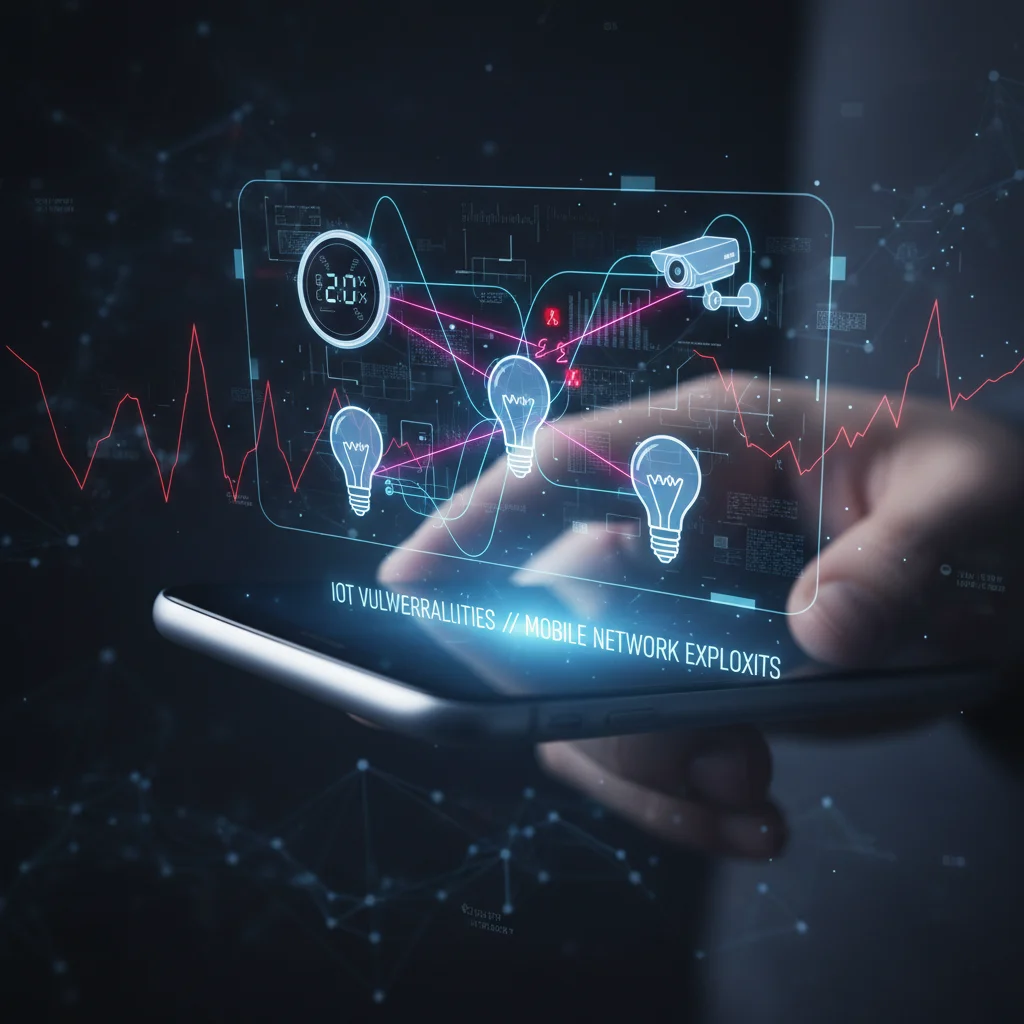
5. 5G/6G Network Vulnerabilities and Edge Computing Risks
The rollout of 5G and the impending arrival of 6G promise faster speeds and lower latency, enabling new applications and services. However, these advanced networks also introduce new security challenges. The increased complexity of 5G infrastructure, with its reliance on software-defined networking (SDN) and network function virtualization (NFV), creates a larger attack surface.
Edge computing, which processes data closer to the source rather than in a centralized cloud, is another key aspect of these advanced networks. While beneficial for performance, it means data is processed in more distributed locations, potentially increasing the risk of data interception and unauthorized access if edge nodes are not properly secured. The sheer volume of data transmitted over these faster networks also makes it a more attractive target for data harvesting and surveillance.
Why it’s a critical threat:
- Increased Attack Surface: More complex network architecture means more potential vulnerabilities for attackers to exploit.
- Edge Computing Risks: Distributed data processing at the edge can lead to new points of compromise for sensitive information.
- Data Interception: Faster speeds mean more data is transmitted, making it a richer target for adversaries capable of intercepting network traffic.
- IoT Interconnectivity: 5G/6G enables massive IoT deployments, exacerbating the risks associated with insecure IoT devices connected to high-speed networks.
What U.S. users can do:
- Use VPNs on Public Wi-Fi and Cellular Networks: A Virtual Private Network encrypts your internet traffic, protecting it from interception, even on potentially vulnerable networks.
- Be Mindful of "Free" Public Wi-Fi: These networks are often unsecured and can be used by attackers to launch Man-in-the-Middle (MitM) attacks.
- Regularly Update Network Equipment: Ensure your home router and other network devices have the latest firmware updates.
- Understand App Permissions Related to Network Access: Be cautious about apps requesting extensive network access without clear justification.
Proactive Measures for U.S. Mobile Users in 2026
While the mobile security threats 2026 may seem daunting, a proactive and informed approach can significantly mitigate your risks. It’s no longer enough to simply install an antivirus and hope for the best. A multi-layered defense strategy is essential.
Here’s a summary of key actions to take:
- Strong, Unique Passwords and Multi-Factor Authentication (MFA): This is the foundational layer of security. Use a password manager to help create and store complex passwords.
- Regular Software Updates: Keep your mobile OS, apps, and IoT device firmware updated. These updates often contain crucial security patches.
- Skepticism and Verification: Always be suspicious of unsolicited messages, calls, or emails, especially those asking for personal information or urgent action. Verify independently.
- App Store Vigilance: Download apps only from official app stores and scrutinize app permissions before granting them.
- Secure Network Practices: Use VPNs, avoid unsecured public Wi-Fi, and ensure your home network is properly secured with strong passwords and updated firmware.
- Data Backup: Regularly back up your important data to a secure cloud service or external drive. This can be a lifesaver in case of ransomware or device loss.
- Device Encryption: Most modern smartphones offer device encryption. Ensure it’s enabled to protect your data if your device is lost or stolen.
- Physical Security: Don’t underestimate the importance of physical security. Keep your device locked and be mindful of where you leave it.
The Role of Government and Industry in Mobile Security
While individual vigilance is paramount, the burden of mobile security doesn’t rest solely on the end-user. Governments and industry players have a crucial role in shaping a safer digital environment. Regulatory bodies in the U.S. will likely continue to push for stronger data privacy laws and cybersecurity standards. Manufacturers will need to prioritize "security by design" in their hardware and software development, and network providers must invest in robust infrastructure security to protect against evolving network-level threats.
Collaborative efforts between government, industry, and cybersecurity researchers will be vital in identifying emerging threats, sharing intelligence, and developing effective countermeasures. Public awareness campaigns will also be essential to educate users about the latest risks and best practices.
Conclusion: Staying Secure in the Mobile-First World of 2026
The mobile landscape of 2026 will be characterized by unprecedented connectivity and convenience, but also by increasingly sophisticated and pervasive threats. From AI-powered social engineering to advanced malware, insecure IoT integrations, supply chain vulnerabilities, and new network risks, the challenges are multifaceted. For U.S. users, understanding these mobile security threats 2026 is the first step towards building resilient defenses.
By adopting a proactive mindset, implementing robust security practices, and staying informed about the latest developments, you can significantly reduce your risk exposure. Your mobile device is a powerful tool; ensure it remains a source of empowerment, not vulnerability.
The future of mobile security demands continuous adaptation and a commitment to safeguarding our digital lives. Stay vigilant, stay informed, and stay secure.