Mobile Ransomware 2026: U.S. Threat Assessment & Prevention
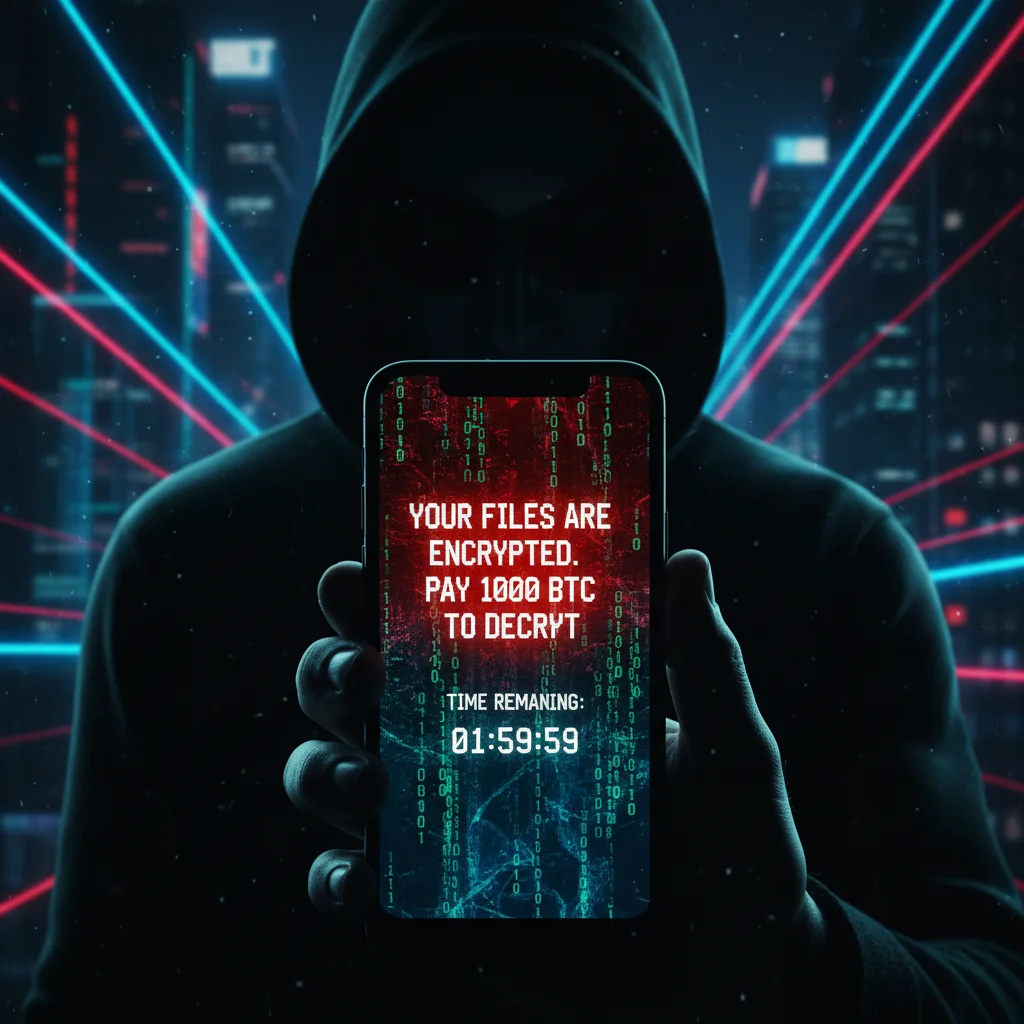
The digital landscape is in constant flux, and with every technological advancement, new threats emerge. Among the most insidious and rapidly evolving dangers is ransomware, a form of malicious software that encrypts a victim’s files and demands a ransom payment, typically in cryptocurrency, for their decryption. While desktop and server systems have historically been primary targets, the focus is increasingly shifting towards mobile devices. As we project to 2026, the threat of mobile ransomware 2026 in the U.S. is poised to reach unprecedented levels, demanding a comprehensive understanding and proactive defense strategies from individuals, businesses, and governmental agencies alike. This article delves deep into an insider’s assessment of what this future holds, the sophisticated tactics attackers will employ, and the critical measures necessary to safeguard U.S. mobile devices.
The Escalating Mobile Threat Landscape: Why 2026 Matters
Mobile devices have become indispensable tools in modern life, serving as personal assistants, communication hubs, financial instruments, and gateways to vast amounts of sensitive data. This ubiquitous integration makes them exceptionally attractive targets for cybercriminals. The sheer volume of personal and professional information stored on smartphones and tablets, coupled with often less robust security practices compared to traditional computing environments, creates a fertile ground for ransomware attacks. By 2026, several factors will converge to amplify the threat of mobile ransomware 2026 in the U.S.:
Increased Mobile Device Dependency
The trend of mobile-first internet access and mobile-only users continues to grow. From banking and shopping to healthcare and remote work, nearly every aspect of daily life is now accessible via mobile. This increased dependency means that the disruption caused by a ransomware attack on a mobile device can be far more debilitating, increasing the likelihood of victims paying the ransom.
Advancements in Mobile Technology
New mobile operating system features, advanced hardware, and faster network speeds (like 5G and nascent 6G) enable more sophisticated applications and, unfortunately, more complex malware. Attackers will leverage these advancements to create more evasive and persistent ransomware variants that are harder to detect and remove.
IoT Expansion and Mobile Device Interconnectivity
The proliferation of Internet of Things (IoT) devices, often managed or accessed through mobile apps, creates a larger attack surface. A compromised mobile device could potentially serve as a pivot point to gain access to interconnected smart homes, vehicles, or even corporate IoT networks, amplifying the potential damage and ransom demands.
Evolving Cybercriminal Business Models
Ransomware-as-a-Service (RaaS) models will become even more prevalent and accessible, lowering the barrier to entry for aspiring cybercriminals. This commoditization of ransomware tools and infrastructure will lead to a surge in attacks, including those specifically targeting mobile platforms. Furthermore, ransomware groups are increasingly employing double extortion tactics, not only encrypting data but also exfiltrating it and threatening to publish it if the ransom isn’t paid. This adds another layer of pressure on victims to comply, particularly when sensitive personal or corporate data is at stake on mobile devices.
Primary Attack Vectors for Mobile Ransomware in 2026
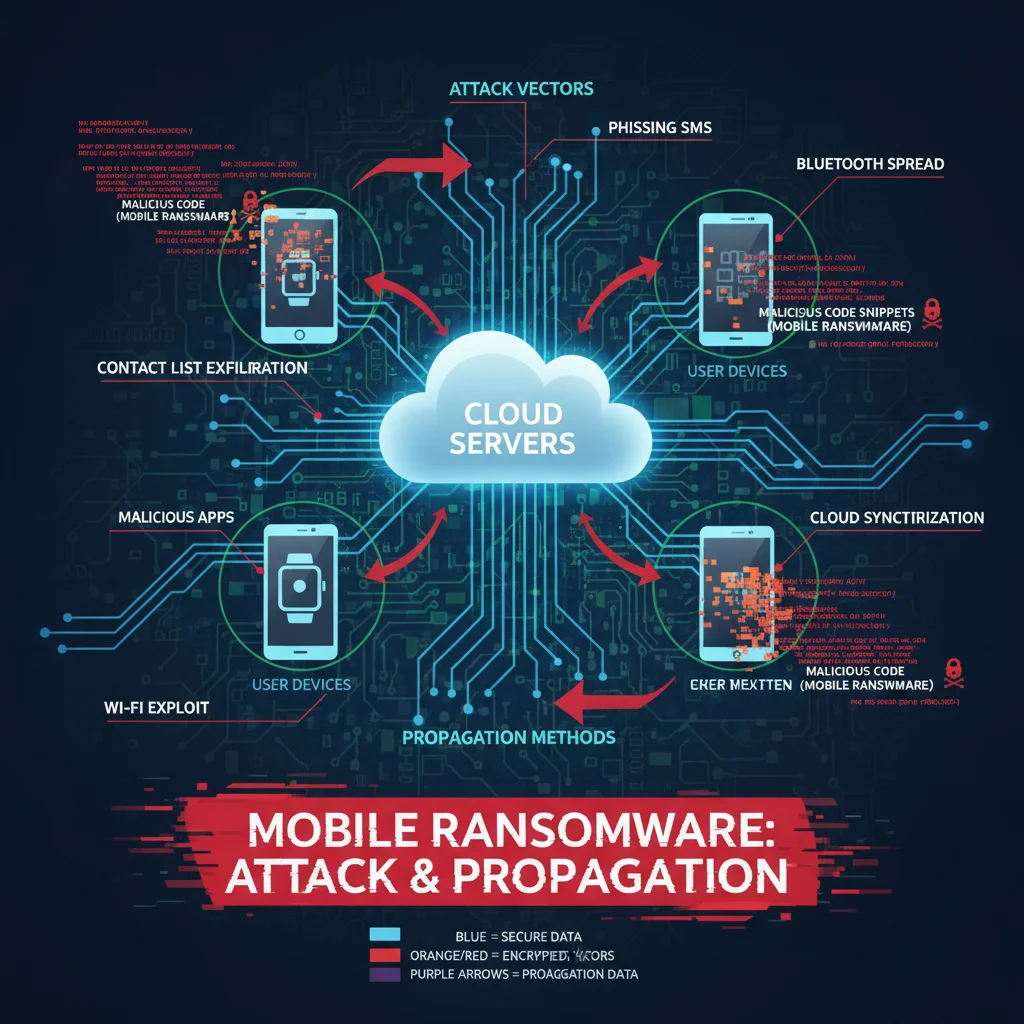
Understanding how mobile ransomware 2026 will infiltrate devices is crucial for effective defense. While traditional methods will persist, new and refined techniques will emerge:
Malicious Apps and App Store Evasion
Despite stringent vetting processes, malicious applications continue to find their way into official app stores. By 2026, these apps will become more adept at evading detection, using polymorphic code, delayed payload delivery, and obfuscation techniques. Side-loading apps from unofficial sources will remain a significant risk, as these platforms often lack any security checks. Attackers will also increasingly leverage legitimate-looking apps that request excessive permissions, which are then abused to encrypt data or block device access.
Phishing and Social Engineering Sophistication
Phishing attacks, particularly spear-phishing tailored to individual users, will become hyper-realistic. SMS phishing (smishing) and messaging app phishing will be primary delivery mechanisms for malicious links that download ransomware or trick users into granting elevated permissions. AI-powered social engineering will create highly convincing lures, making it exceedingly difficult for even tech-savvy users to discern legitimate communications from malicious ones. For instance, attackers might impersonate customer support from popular mobile service providers or financial institutions, using deepfake voice technology to add credibility to their scams.
Exploitation of OS and Application Vulnerabilities
Zero-day vulnerabilities in mobile operating systems (Android, iOS) and popular applications will continue to be highly sought after and exploited by ransomware operators. The rapid patch cycles for mobile OSes sometimes leave a window of opportunity for attackers before fixes are widely adopted. Furthermore, vulnerabilities in third-party libraries commonly used in mobile app development can create widespread exposure across numerous applications. Attackers are constantly scanning for newly disclosed vulnerabilities and rapidly developing exploits to target them before users can update their devices.
Drive-by Downloads and Malvertising
Visiting compromised websites or interacting with malicious advertisements can trigger drive-by downloads, installing ransomware without explicit user consent. Malvertising campaigns will become more sophisticated, embedding malicious code within seemingly legitimate ad networks, leading to widespread infections. These often exploit browser vulnerabilities or vulnerabilities in web rendering engines within mobile apps.
Wi-Fi and Network-Based Attacks
While less common for direct ransomware delivery, insecure public Wi-Fi networks can be exploited for man-in-the-middle attacks, allowing attackers to inject malicious content into unencrypted traffic or redirect users to malicious sites that host ransomware. This vector can be particularly effective in high-traffic public areas where users are less cautious about network security.
Distinctive Characteristics of Mobile Ransomware in 2026
The evolution of mobile ransomware 2026 will manifest in several key characteristics:
Enhanced Evasion and Persistence
Future mobile ransomware variants will be designed with advanced evasion techniques to bypass mobile security solutions. This includes using anti-analysis techniques, root/jailbreak detection to prevent security tools from running, and more sophisticated obfuscation. Persistence mechanisms will ensure the ransomware survives device reboots and attempts at uninstallation, potentially by hiding within system processes or leveraging device administrator privileges more effectively.
Targeted Attacks and Data Exfiltration
While broad, opportunistic campaigns will still exist, a growing trend will be highly targeted attacks against individuals or organizations, where the ransom demand is tailored to the perceived value of the victim’s data. This often involves prior reconnaissance. Furthermore, the combination of encryption and data exfiltration (double extortion) will become standard, increasing the pressure to pay and adding a layer of privacy risk.
Lockers vs. Encryptors: A Blended Approach
Historically, mobile ransomware often took the form of ‘lockers’ that merely prevented access to the device interface without encrypting files. By 2026, a blended approach will be dominant, where ransomware both locks the device and encrypts critical files (photos, documents, backups, etc.), making recovery significantly harder without the decryption key.
Cryptocurrency and Anonymous Payment Channels
Cryptocurrency will remain the preferred payment method due to its pseudo-anonymity. However, ransomware actors may explore even more untraceable payment channels as blockchain technology evolves, making attribution and recovery even more challenging for law enforcement.
Impact on U.S. Devices: A Sectoral Breakdown
The impact of mobile ransomware 2026 will not be uniform across all sectors in the U.S. Certain areas face heightened risks:
Individual Consumers
For the average U.S. consumer, mobile ransomware will mean potential loss of irreplaceable personal data (photos, videos, contacts), financial disruption, and significant emotional distress. The convenience of mobile payments and banking also makes individuals susceptible to direct financial theft alongside data encryption.
Small and Medium-sized Businesses (SMBs)
SMBs, often relying heavily on personal mobile devices for business operations (BYOD policies) and lacking robust cybersecurity budgets, will be particularly vulnerable. A mobile ransomware attack could cripple operations, lead to data breaches, and result in substantial financial losses and reputational damage. The intermingling of personal and business data on employee devices creates a complex recovery challenge.
Healthcare Sector
The healthcare industry, with its trove of sensitive patient information (ePHI) and increasing reliance on mobile devices for patient care and data access, presents a high-value target. Ransomware attacks could disrupt critical medical services, compromise patient privacy, and lead to severe regulatory penalties under HIPAA. The immediate need for access to patient records often forces healthcare organizations to pay ransoms, making them attractive targets.
Government and Critical Infrastructure
While typically having more robust security, mobile devices used by government employees or those involved in critical infrastructure operations could be targeted as an entry point into larger networks. The potential for national security implications or widespread disruption makes these particularly concerning targets for advanced persistent threat (APT) groups using ransomware.
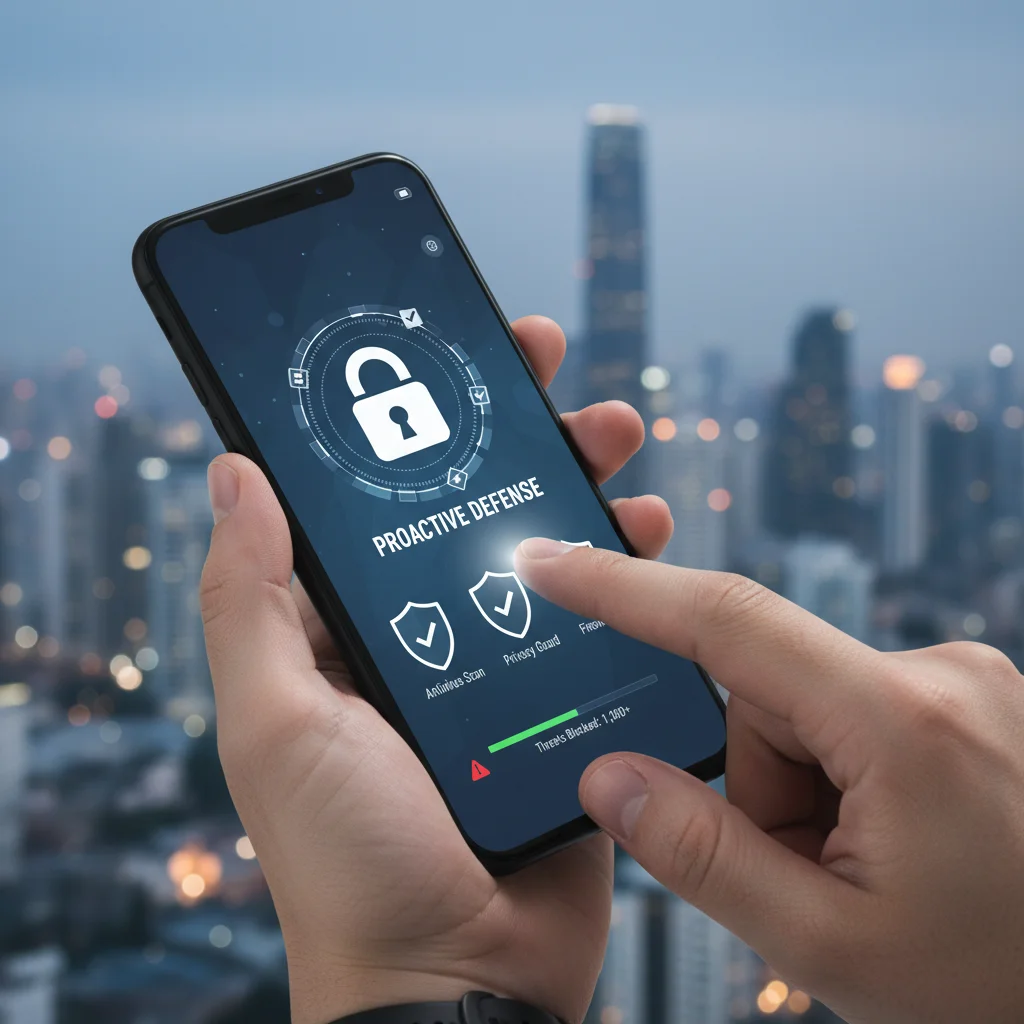
Insider Knowledge: Proactive Defense Strategies for 2026
Mitigating the threat of mobile ransomware 2026 requires a multi-layered, proactive approach. Drawing from insider knowledge of cybersecurity trends, here are essential strategies:
1. Robust Backup and Recovery Plans
This remains the single most critical defense. Regular, automated backups of all critical mobile data to secure, off-device cloud storage or external drives are paramount. Ensure these backups are tested periodically to confirm data integrity and restorability. For organizations, implement mobile device management (MDM) solutions that enforce backup policies and facilitate remote wiping or restoration if a device is compromised. Crucially, backups should be immutable or versioned to prevent ransomware from encrypting or corrupting them.
2. Advanced Mobile Security Solutions
Invest in reputable mobile antivirus and anti-malware solutions that offer real-time scanning, behavioral analysis, and threat intelligence. These solutions should be capable of detecting and blocking known and emerging ransomware variants. Features like safe browsing, anti-phishing, and app permission monitoring will be essential. Consider Endpoint Detection and Response (EDR) solutions specifically designed for mobile devices in enterprise environments.
3. Vigilant User Education and Awareness Training
Human error remains a primary vulnerability. Continuous and engaging cybersecurity awareness training is vital. Educate users on identifying sophisticated phishing attempts (emails, SMS, messaging apps), the dangers of clicking suspicious links, and the risks associated with downloading apps from unofficial sources. Emphasize the importance of scrutinizing app permissions before granting them. Simulating phishing attacks can be an effective way to train employees to recognize and report threats.
4. Strict App Management and Permissions Policy
For organizations, implement strict app whitelisting policies where only approved applications can be installed. For individuals, exercise extreme caution when downloading new apps, especially those requesting extensive permissions (e.g., a flashlight app requesting access to contacts or SMS). Regularly review and revoke unnecessary app permissions on your device. Only download apps from official app stores (Google Play, Apple App Store).
5. Keep Devices and Apps Updated
Regularly update your mobile operating system and all installed applications. These updates often include critical security patches that address known vulnerabilities that ransomware can exploit. Enable automatic updates whenever possible.
6. Utilize Strong Authentication and Biometrics
Implement strong, unique passcodes or passphrases for device unlocking. Enable biometric authentication (fingerprint, facial recognition) where available, as an additional layer of security. For critical apps (banking, email), enable multi-factor authentication (MFA) to prevent unauthorized access even if credentials are compromised.
7. Secure Wi-Fi Practices
Avoid connecting to unsecured public Wi-Fi networks, especially for sensitive transactions. Use a Virtual Private Network (VPN) when accessing public Wi-Fi to encrypt your traffic. Disable Wi-Fi and Bluetooth when not in use to reduce potential attack vectors.
8. Device Encryption
Ensure your mobile device’s storage is encrypted. Modern smartphones typically have this enabled by default, but it’s worth checking. Device encryption protects your data if the device is lost or stolen, and can mitigate some forms of locker ransomware.
9. Incident Response Plan
For businesses, a well-defined incident response plan for mobile ransomware attacks is crucial. This includes steps for isolation, containment, eradication, recovery, and post-incident analysis. Regularly test this plan to ensure its effectiveness. For individuals, knowing who to contact (e.g., device manufacturer, cybersecurity experts) and the steps to take immediately after an attack can significantly impact recovery success.
The Role of Government and Industry in Combating Mobile Ransomware
Beyond individual and organizational efforts, a concerted effort from government agencies, technology companies, and cybersecurity firms will be vital in stemming the tide of mobile ransomware 2026. This includes:
Enhanced Information Sharing
Real-time sharing of threat intelligence between government, industry, and law enforcement agencies will enable faster detection and response to new ransomware variants and campaigns. Platforms for secure and rapid information exchange are critical.
International Cooperation
Ransomware is a global problem. International collaboration between law enforcement agencies is essential to track down and prosecute cybercriminals operating across borders, dismantle ransomware infrastructure, and recover stolen funds.
Investment in Research and Development
Continued investment in cybersecurity research and development will be necessary to create more resilient mobile operating systems, advanced threat detection technologies, and innovative recovery solutions. This includes exploring AI and machine learning for predictive threat analysis and automated defense.
Policy and Regulatory Frameworks
Governments may need to consider new policies and regulations to improve mobile device security standards, encourage responsible disclosure of vulnerabilities, and potentially restrict ransom payments for critical infrastructure organizations to disincentivize attacks.
Conclusion: Preparing for the Mobile Ransomware Future
The year 2026 will undoubtedly present a more challenging environment for mobile device security in the U.S. The sophistication, frequency, and impact of mobile ransomware 2026 attacks are projected to increase significantly. However, this future is not inevitable. By understanding the evolving threat landscape, adopting robust proactive defense measures, and fostering collaboration across all stakeholders, we can build a more resilient digital ecosystem.
For individuals, this means prioritizing backups, practicing extreme caution with apps and links, and keeping devices updated. For businesses, it necessitates comprehensive mobile security strategies, rigorous employee training, and well-rehearsed incident response plans. The battle against mobile ransomware will be ongoing, but with foresight, vigilance, and continuous adaptation, we can protect our invaluable data and maintain the integrity of our mobile lives.
The insider knowledge shared here underscores a critical message: complacency is the greatest vulnerability. The time to prepare for the mobile ransomware threats of 2026 is now. Proactive defense is not merely an option; it is a necessity for navigating the complex and often perilous digital future.