Digital Twins Revolutionize US Manufacturing: 5-Year Outlook
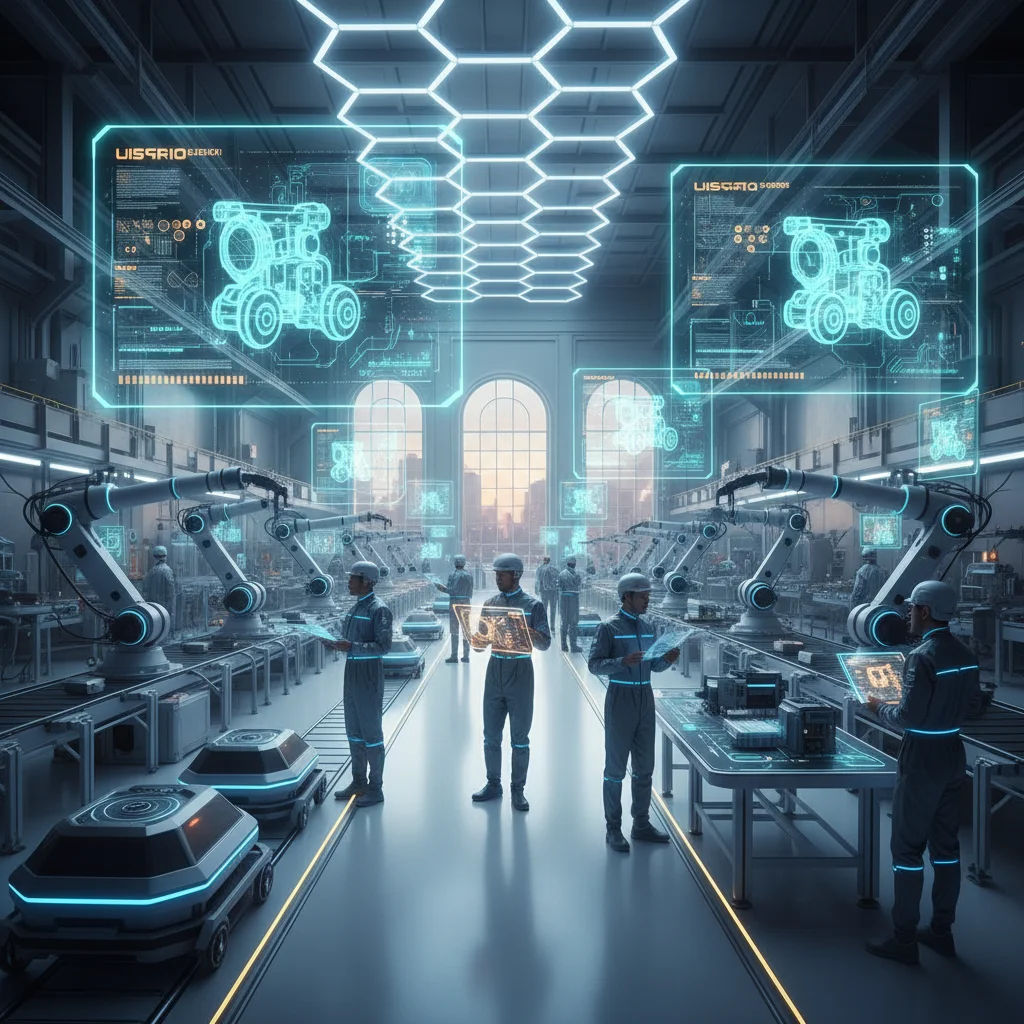
The landscape of US manufacturing is undergoing a profound transformation, driven by an array of innovative technologies. Among these, Digital Twins stand out as a particularly disruptive force, poised to redefine how products are designed, produced, and maintained. Far from being a mere buzzword, Digital Twins are virtual replicas of physical assets, processes, or systems, constantly updated with real-time data. This dynamic mirroring capability allows manufacturers to simulate, analyze, and optimize operations with unprecedented precision, leading to significant gains in efficiency, productivity, and resilience.
For US manufacturing, the adoption of Digital Twins is not just an opportunity; it’s an imperative. In an increasingly competitive global market, the ability to innovate faster, reduce downtime, and respond agilely to market demands can be the difference between thriving and merely surviving. Over the next five years, we anticipate a dramatic acceleration in the integration of Digital Twins across various sectors of US manufacturing, from aerospace and automotive to pharmaceuticals and consumer goods. This article will delve into the practical applications of Digital Twins in manufacturing, explore their projected impact, and outline the key trends shaping their evolution.
Understanding the Core Concept of Digital Twins
To fully grasp the transformative potential of Digital Twins Manufacturing, it’s essential to understand their fundamental components and principles. A Digital Twin is more than just a 3D model; it’s a living, breathing digital counterpart that evolves with its physical twin throughout its lifecycle. This continuous synchronization is enabled by a constant stream of data collected from sensors, IoT devices, and other connected systems on the physical asset. This data feeds into the digital model, allowing it to accurately reflect the physical twin’s current state, performance, and environmental conditions.
The architecture of a Digital Twin typically involves several key elements: the physical product or system, sensors that collect data, data connectivity and processing infrastructure, the digital model itself (often incorporating physics-based simulations and AI/ML algorithms), and a user interface for analysis and interaction. This intricate interplay allows for a level of insight and control previously unimaginable. Manufacturers can run simulations, test scenarios, predict failures, and optimize performance in the virtual world before implementing changes in the physical one, thereby mitigating risks and reducing costs.
The true power of Digital Twins lies in their ability to bridge the gap between the physical and digital realms, creating a feedback loop that drives continuous improvement. This capability is particularly valuable in complex manufacturing environments where even minor inefficiencies can lead to significant losses. By providing a holistic, real-time view of operations, Digital Twins empower decision-makers with actionable intelligence, fostering a proactive rather than reactive approach to manufacturing challenges.
Practical Applications of Digital Twins in US Manufacturing
The applications of Digital Twins in manufacturing are vast and varied, touching almost every aspect of the product lifecycle. Over the next five years, we expect to see an even broader adoption of these applications, driven by technological advancements and increasing awareness of their benefits. Here are some of the most impactful practical applications:
1. Predictive Maintenance and Asset Optimization
One of the most immediate and impactful applications of Digital Twins is in predictive maintenance. By continuously monitoring the health and performance of machinery through their digital counterparts, manufacturers can anticipate potential failures before they occur. This shifts maintenance strategies from reactive (fixing after breakdown) or preventive (scheduled maintenance) to predictive, where maintenance is performed exactly when needed. This not only minimizes costly downtime but also extends the lifespan of expensive equipment and optimizes resource allocation.
For instance, a digital twin of a critical robotic arm on an assembly line can analyze vibration data, temperature fluctuations, and operational cycles. If the digital twin detects anomalies that indicate an impending bearing failure, maintenance can be scheduled proactively during off-peak hours, preventing an unexpected halt in production. This proactive approach significantly enhances operational efficiency and reduces overall maintenance costs, a crucial factor for the competitiveness of US manufacturing.
2. Product Design and Prototyping
Digital Twins are revolutionizing the product design and prototyping phase. Instead of building multiple physical prototypes, engineers can create digital twins of their designs, test them rigorously under various simulated conditions, and iteratively refine them in a virtual environment. This significantly accelerates the design cycle, reduces material waste, and lowers development costs.
Consider the automotive industry: a digital twin of a new vehicle component can be subjected to virtual crash tests, aerodynamic simulations, and stress analyses long before a physical prototype is ever built. This allows for rapid iteration and optimization, ensuring that the final physical product meets stringent performance and safety standards from the outset. This capability is a game-changer for speeding up time-to-market and fostering innovation in US manufacturing.
3. Process Optimization and Manufacturing Simulation
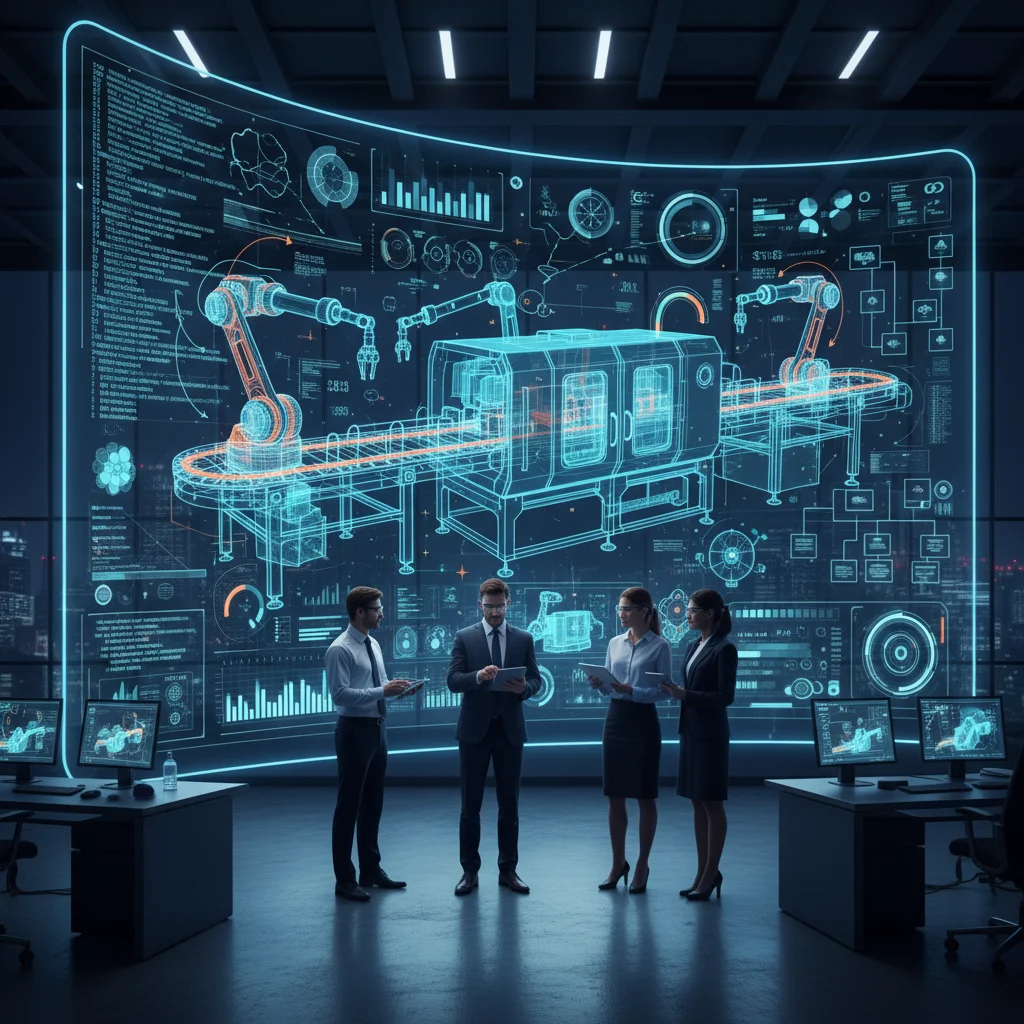
Beyond individual assets, Digital Twins can be used to create virtual replicas of entire manufacturing processes or even whole factories. These Digital Twins Manufacturing processes allow manufacturers to simulate different production layouts, workflow changes, and operational strategies to identify bottlenecks, optimize flow, and improve overall efficiency without disrupting actual production.
For example, a factory manager can use a digital twin of their assembly line to test the impact of adding a new workstation or re-sequencing tasks. The simulation would reveal potential congestion points, resource utilization rates, and the overall effect on throughput. This allows for data-driven decision-making, ensuring that any changes implemented in the physical factory lead to tangible improvements in productivity and cost-effectiveness.
4. Quality Control and Defect Prediction
Digital Twins offer powerful capabilities for enhancing quality control. By integrating data from various stages of the manufacturing process, such as material inspection, machine calibration, and final product testing, digital twins can identify deviations from expected quality standards in real-time. They can also predict potential defects based on historical data and machine learning algorithms.
In the pharmaceutical industry, for instance, a digital twin of a drug manufacturing process could monitor parameters like temperature, pressure, and ingredient ratios. If any parameter deviates beyond acceptable limits, the digital twin can flag a potential batch contamination or quality issue, allowing for immediate intervention and preventing the production of substandard products. This proactive quality assurance saves significant costs and ensures product integrity.
5. Supply Chain Resilience and Optimization
The past few years have highlighted the critical importance of resilient and agile supply chains. Digital Twins are emerging as a vital tool for achieving this. By creating digital replicas of the entire supply chain, from raw material sourcing to final product delivery, manufacturers can gain end-to-end visibility and identify potential vulnerabilities.
A supply chain digital twin can simulate the impact of disruptions, such as natural disasters, geopolitical events, or supplier failures, allowing manufacturers to stress-test their networks and develop contingency plans. It can also optimize inventory levels, transportation routes, and production schedules in response to real-time market changes or unforeseen events. This enhanced visibility and predictive capability are invaluable for navigating the complexities of modern global supply chains and securing US manufacturing competitiveness.
The Evolution of Digital Twins: Key Trends for the Next 5 Years
The evolution of Digital Twins is dynamic, with several key trends poised to shape their capabilities and widespread adoption in US manufacturing over the next five years. These trends will drive greater sophistication, integration, and accessibility of digital twin technology.
1. Increased Integration with AI and Machine Learning
The synergy between Digital Twins and Artificial Intelligence (AI) and Machine Learning (ML) will become even more pronounced. AI and ML algorithms will enhance the analytical capabilities of Digital Twins, enabling more accurate predictions, smarter optimizations, and autonomous decision-making. This means Digital Twins will not only reflect reality but also learn from it and proactively suggest improvements.
For example, an AI-powered digital twin could autonomously adjust machine parameters to optimize energy consumption while maintaining production quality, or it could predict maintenance needs with even greater precision by identifying subtle patterns in sensor data that human operators might miss. This integration will elevate Digital Twins from passive mirrors to active, intelligent assistants in the manufacturing process.
2. Hyper-Realistic Simulation and Visualization
Advancements in computing power and graphics rendering will lead to increasingly hyper-realistic Digital Twins. This will not only improve the clarity of insights but also enhance user experience and collaboration. Virtual and Augmented Reality (VR/AR) will play a significant role, allowing engineers and operators to interact with Digital Twins in immersive environments.
Imagine walking through a virtual replica of a new factory layout in VR, identifying potential safety hazards or ergonomic issues before construction even begins. This level of immersive visualization will revolutionize design reviews, training, and operational planning, making complex systems more intuitive to understand and manage.
3. Expansion from Asset to System and Ecosystem Twins
While early applications focused on individual assets, the trend is moving towards creating Digital Twins of entire systems, processes, and even interconnected ecosystems. This will enable holistic optimization across broader operational scopes. We will see more instances of ‘factory twins,’ ‘city twins,’ and ‘supply chain twins’ that integrate data from multiple sources to provide a comprehensive operational overview.
This expansion will facilitate cross-functional collaboration and enable more complex optimizations, such as balancing energy consumption across an entire industrial park or coordinating production schedules across multiple facilities to meet fluctuating demand. The ability to model and optimize at this macro level will unlock new levels of efficiency and sustainability for US manufacturing.
4. Democratization and Accessibility
As the technology matures, Digital Twins will become more accessible to a wider range of manufacturers, including small and medium-sized enterprises (SMEs). Cloud-based platforms, standardized interfaces, and no-code/low-code development tools will lower the barrier to entry, making it easier for companies to implement and leverage Digital Twin solutions without extensive in-house expertise.
This democratization will drive broader adoption across the US manufacturing sector, fostering a more innovative and competitive industrial base. Affordable and scalable Digital Twin solutions will empower even smaller players to optimize their operations and compete effectively in the global market.

5. Enhanced Security and Data Governance
With the increasing reliance on data and connectivity, enhanced security and robust data governance frameworks will become paramount. Protecting sensitive operational data and ensuring the integrity of Digital Twins will be a key focus. Manufacturers will invest in advanced cybersecurity measures and adhere to strict data privacy regulations to safeguard their digital assets.
The trustworthiness of Digital Twins Manufacturing hinges on the security and reliability of the data they process. Therefore, significant emphasis will be placed on developing secure data pipelines, implementing blockchain for data integrity, and establishing clear protocols for data access and use. This will build confidence in the technology and facilitate its secure integration into critical manufacturing operations.
Challenges and Considerations for Adoption
While the benefits of Digital Twins are compelling, their widespread adoption in US manufacturing is not without challenges. Addressing these considerations will be crucial for successful implementation over the next five years.
1. Data Integration and Interoperability
One of the primary hurdles is the integration of data from disparate sources. Manufacturing environments often comprise legacy systems, various sensor types, and different software platforms that do not inherently communicate with each other. Achieving seamless data flow and interoperability is essential for creating an accurate and functional Digital Twin. Investing in robust data integration platforms and standardized communication protocols will be key.
2. Cost of Implementation
The initial investment in Digital Twin technology, including sensors, software, and infrastructure, can be significant. This can be a barrier for some manufacturers, particularly SMEs. However, as the technology matures and becomes more standardized, costs are expected to decrease, and the long-term ROI will become increasingly evident. Phased implementation strategies can also help mitigate initial financial burdens.
3. Skill Gap and Workforce Development
Implementing and managing Digital Twins requires a specialized skillset in areas like data science, AI/ML, IoT, and simulation. There is currently a skill gap in the manufacturing workforce for these advanced technologies. US manufacturers will need to invest in training and upskilling their employees, as well as fostering partnerships with educational institutions to develop the next generation of talent.
4. Cybersecurity Risks
Connecting physical assets to digital replicas creates new cybersecurity vulnerabilities. A compromised Digital Twin could potentially lead to real-world operational disruptions or data breaches. Robust cybersecurity measures, including encryption, access controls, and continuous monitoring, are critical to protect these interconnected systems.
5. Organizational Change Management
Adopting Digital Twins is not just a technological shift; it’s an organizational one. It requires changes in workflows, decision-making processes, and a culture that embraces data-driven insights. Effective change management strategies, including clear communication, stakeholder engagement, and comprehensive training, are essential for successful adoption.
The Future of US Manufacturing with Digital Twins
Looking ahead, the next five years promise to be a period of unprecedented innovation and transformation for US manufacturing, largely propelled by the widespread integration of Digital Twins Manufacturing. These virtual replicas will become indispensable tools for optimizing every stage of the product lifecycle, from initial design to end-of-life management.
The impact will extend beyond operational efficiency, fostering a new era of agility and resilience. US manufacturers will be better equipped to respond to market fluctuations, supply chain disruptions, and evolving customer demands. The ability to simulate and predict outcomes will enable more proactive decision-making, reducing risks and unlocking new opportunities for growth.
Furthermore, Digital Twins will play a crucial role in advancing sustainability goals. By optimizing resource utilization, reducing waste, and extending asset lifespans, they will contribute to a greener and more environmentally responsible manufacturing sector. This aligns with global efforts towards a circular economy and enhances the reputation and competitiveness of US industries.
The journey towards full Digital Twin adoption will require strategic investment, continuous learning, and a willingness to embrace new paradigms. However, the rewards—in terms of increased productivity, enhanced quality, reduced costs, and greater innovation—are substantial. US manufacturing is on the cusp of a digital revolution, and Digital Twins are at its very heart, promising a future that is smarter, more efficient, and more sustainable.
Conclusion: A Smarter, More Resilient Manufacturing Future
The evolution of Digital Twins is not merely a technological trend; it represents a fundamental shift in how US manufacturing operates. Over the next five years, these virtual counterparts will move from niche applications to mainstream adoption, becoming an integral part of the industrial landscape. From enabling precise predictive maintenance and accelerating product development to optimizing complex supply chains and enhancing quality control, the practical applications of Digital Twins Manufacturing are set to create immense value.
The convergence of Digital Twins with AI, ML, and immersive technologies will unlock even greater potential, transforming manufacturing into a highly intelligent, adaptive, and resilient ecosystem. While challenges related to data integration, cost, and workforce skills exist, the strategic advantages offered by Digital Twins far outweigh these hurdles. By proactively addressing these challenges and investing in the necessary infrastructure and talent, US manufacturers can secure a leading position in the global industrial arena.
The future of US manufacturing is undoubtedly digital, and at its core, it will be driven by the power of Digital Twins. Embracing this technology is not just about staying competitive; it’s about pioneering a new era of production that is more efficient, sustainable, and capable of meeting the demands of an ever-changing world. The journey has begun, and the next five years will witness Digital Twins cementing their role as a cornerstone of industrial innovation.