Augmented Reality’s 2026 Breakthrough: Enhancing Digital Experiences in the U.S.

Augmented Reality’s 2026 Breakthrough: 3 Practical Solutions for Enhancing Everyday Digital Experiences in the U.S.
The year 2026 stands on the cusp of a technological revolution, and at its heart lies Augmented Reality (AR). Far from being a mere gimmick, AR is rapidly evolving into a fundamental component of our daily digital experiences, promising to seamlessly blend the physical and virtual worlds. In the United States, the adoption and integration of Augmented Reality Solutions are accelerating, driven by advancements in hardware, software, and a growing consumer appetite for more immersive and intuitive interactions. This article will delve into the profound impact of AR, exploring its current trajectory and spotlighting three practical solutions that are set to redefine how we interact with technology, learn, shop, and even receive healthcare by 2026.
The journey of AR has been a fascinating one, from its conceptualization in science fiction to its nascent applications in gaming and entertainment. However, what we are witnessing now is a maturation of the technology, moving beyond novelty to deliver tangible, problem-solving capabilities. The U.S. market, with its robust infrastructure and innovative spirit, is particularly fertile ground for this evolution. Companies are investing heavily in AR research and development, and consumers are becoming increasingly familiar with its potential through smartphone apps and early-stage wearable devices. By 2026, we anticipate a significant leap, where Augmented Reality Solutions will not just augment our vision but fundamentally enhance our understanding, productivity, and connection to the digital world.
The Dawn of Ubiquitous AR: A Glimpse into 2026
Before we dive into specific applications, it’s crucial to understand the foundational shifts that will make ubiquitous AR a reality by 2026. Miniaturization of hardware, increased processing power, improved battery life, and advancements in AI-driven contextual awareness are all converging to create a new generation of AR devices. These won’t just be bulky headsets; expect sleek glasses, contact lenses, and even integrated environmental AR that transforms public spaces into interactive digital canvases. The connectivity provided by 5G and future wireless standards will ensure seamless, low-latency experiences, crucial for real-time Augmented Reality Solutions.
Moreover, the development of sophisticated AR platforms and SDKs (Software Development Kits) is democratizing content creation. This means that a broader range of developers, from independent creators to large enterprises, will be able to build compelling AR experiences. This ecosystem growth is vital for widespread adoption, ensuring a rich tapestry of applications that cater to diverse needs and preferences. The user interface for AR is also undergoing a significant transformation. Moving beyond touchscreens, future AR interactions will heavily rely on intuitive gesture controls, voice commands, and even eye-tracking, making the technology feel more natural and less intrusive.
The economic impact of this shift cannot be overstated. Reports from leading market analysis firms project the AR market to reach hundreds of billions of dollars by the mid-2020s, with a substantial portion of this growth originating from the U.S. This economic momentum is fueling further innovation, creating a positive feedback loop that accelerates the development and deployment of advanced Augmented Reality Solutions across various sectors. From smart cities to individual productivity tools, AR is poised to become an invisible yet indispensable layer of our digital lives.
Solution 1: Hyper-Personalized Retail Experiences
Imagine walking into a store and having it instantly recognize your preferences, offering personalized recommendations, and allowing you to try on clothes virtually, all without touching a single item. By 2026, this will be a reality thanks to advanced Augmented Reality Solutions in retail. This goes far beyond current AR apps that let you place furniture in your living room; we’re talking about a complete overhaul of the shopping journey.
Virtual Try-On and Product Visualization: The frustrations of online shopping – ill-fitting clothes, misjudged product sizes – will be significantly mitigated. AR mirrors in physical stores and AR apps on smartphones will allow consumers to virtually try on clothing, accessories, and even makeup with astonishing accuracy. AI-powered algorithms will learn individual body types and preferences, suggesting sizes and styles that are most likely to satisfy. For larger items like furniture or appliances, AR will enable hyper-realistic placement and scaling within your actual home environment, eliminating guesswork and reducing returns.
Enhanced In-Store Navigation and Information: Navigating large retail spaces can be daunting. AR will transform this by overlaying digital information onto the physical environment. Imagine holding up your phone or wearing AR glasses and seeing arrows guiding you directly to the item on your shopping list, or digital tags appearing next to products displaying real-time prices, customer reviews, and nutritional information. This level of contextual awareness empowers shoppers to make more informed decisions quickly and efficiently.
Interactive Advertising and Brand Engagement: Traditional advertising often feels intrusive. AR offers a new paradigm for engaging consumers. Brands can create interactive AR experiences that allow customers to explore product features in 3D, participate in virtual scavenger hunts for discounts, or even customize products in real-time before purchase. This creates a more playful, engaging, and memorable brand interaction, fostering loyalty and driving sales. The ability to visualize personalized items before buying will be a game-changer, especially for customizable products like sneakers or bespoke furniture. Augmented Reality Solutions in retail will not just sell products; they will sell experiences.
Solution 2: Immersive and Accessible Education
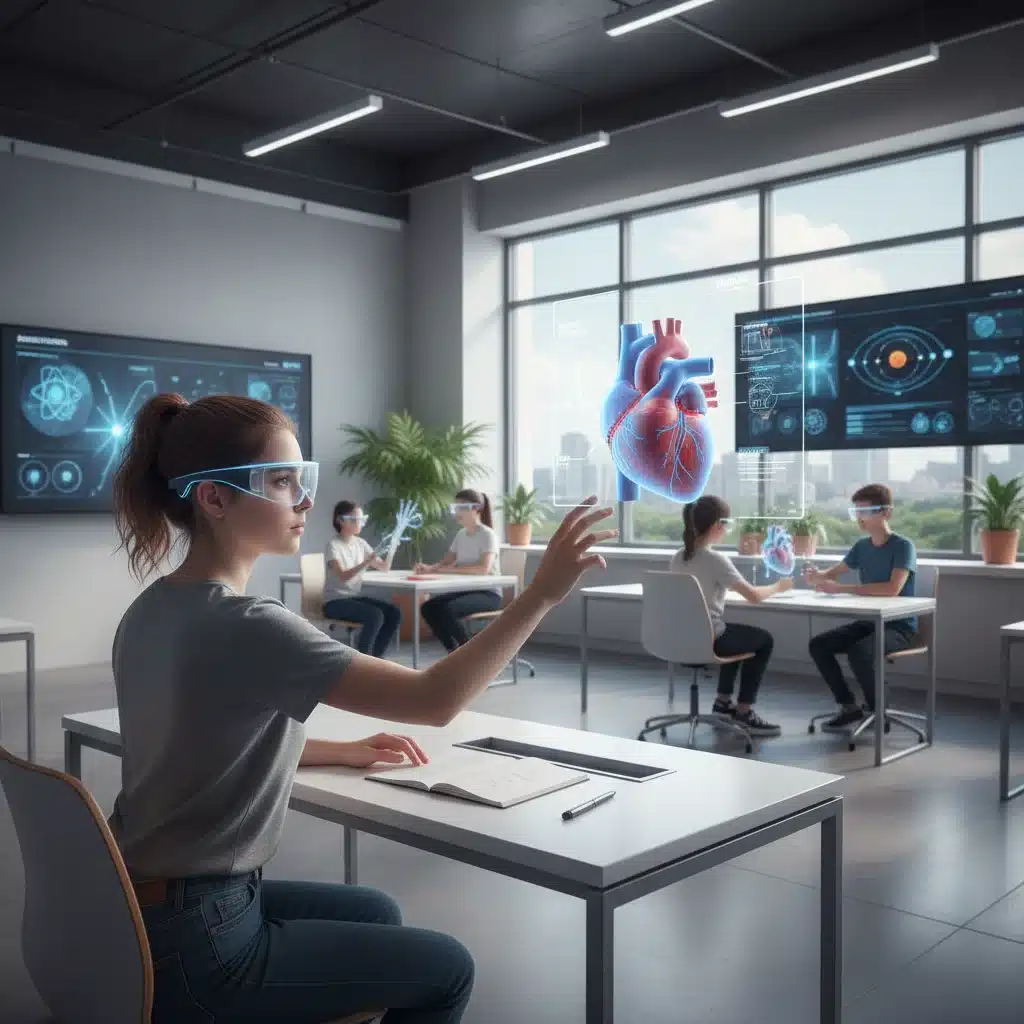
The traditional classroom model is ripe for disruption, and Augmented Reality Solutions are poised to be a primary catalyst for this transformation. By 2026, AR will move beyond supplementary tools to become an integral part of the learning process, making education more engaging, accessible, and personalized for students of all ages.
Interactive 3D Models and Simulations: Textbooks and static images often fall short in explaining complex concepts. AR will bring these concepts to life. Students will be able to dissect a virtual frog without harming an animal, explore the intricate workings of a human heart in 3D, or walk through ancient Roman ruins – all from their classroom or home. These immersive experiences foster deeper understanding and retention, especially for visual and kinesthetic learners. Imagine a history lesson where students can virtually stand alongside historical figures, or a physics class where they can manipulate virtual forces to see their effects in real-time. Augmented Reality Solutions make abstract concepts tangible.
Personalized Learning Paths and Gamification: AR can adapt to individual learning styles and paces. AI-powered AR tutors can identify areas where a student struggles and provide tailored, interactive exercises. Gamified learning experiences, where students earn points or unlock new content through AR challenges, will increase motivation and engagement. This personalized approach ensures that every student receives the support they need to succeed, regardless of their background or learning preferences. Furthermore, AR can facilitate collaborative learning, allowing students in different physical locations to work together on virtual projects, fostering teamwork and communication skills.
Vocational Training and Skill Development: Beyond traditional academics, AR will revolutionize vocational training. Aspiring surgeons can practice complex procedures on virtual patients, mechanics can learn to repair engines by overlaying instructions onto real equipment, and architects can walk through their designs before construction even begins. This hands-on, risk-free training environment reduces errors, accelerates skill acquisition, and makes specialized education more accessible. The ability to simulate dangerous or expensive scenarios repeatedly without real-world consequences is invaluable for developing proficiency in critical fields. These Augmented Reality Solutions address a critical need for practical, experiential learning.
Solution 3: Advanced Healthcare and Patient Care
The healthcare sector, always at the forefront of technological adoption, is set to experience a profound transformation through Augmented Reality Solutions. By 2026, AR will not only enhance the capabilities of medical professionals but also empower patients with better understanding and control over their health.
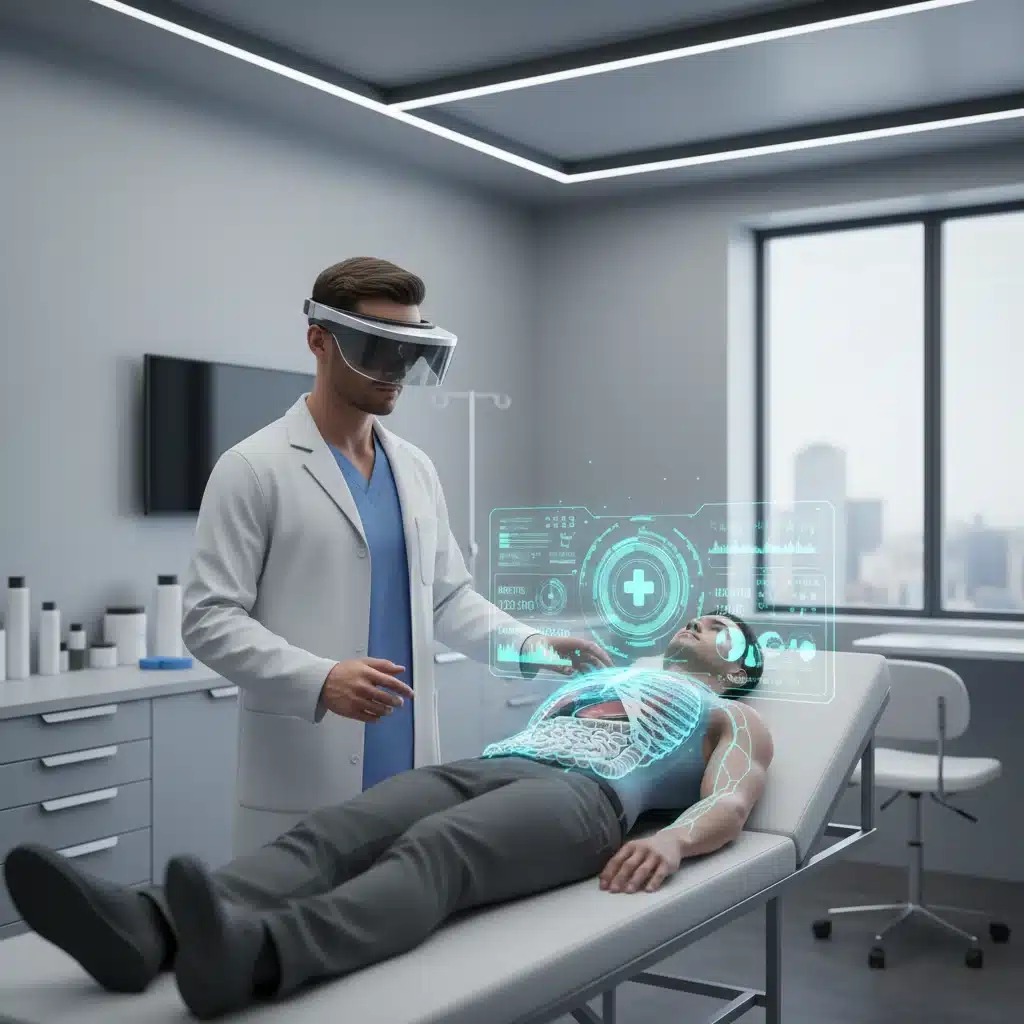
Enhanced Surgical Precision and Training: Surgeons will utilize AR to overlay critical patient data, such as MRI or CT scans, directly onto the patient’s body during operations. This provides a ‘X-ray vision’ capability, allowing for greater precision, reduced invasiveness, and improved outcomes. For training, AR simulations will offer realistic, high-fidelity environments for residents to practice complex surgeries repeatedly without risk to patients. This hands-on virtual experience is invaluable for developing the muscle memory and critical decision-making skills required in the operating room. The integration of real-time data and visual guidance through Augmented Reality Solutions can significantly reduce surgical complications.
Remote Assistance and Telemedicine: The ability to provide expert medical care regardless of geographical distance will be significantly boosted by AR. Specialists can remotely guide local practitioners through complex procedures, offering real-time visual instructions and annotations overlaid on the practitioner’s view. For patients, AR-powered telemedicine consultations can provide a more interactive experience, allowing doctors to visually explain diagnoses and treatment plans using 3D models or by annotating the patient’s immediate environment. This is particularly beneficial for rural areas or during public health crises, ensuring equitable access to high-quality care.
Patient Education and Rehabilitation: Empowering patients with a better understanding of their conditions is crucial for adherence to treatment plans. AR applications can visualize medical conditions within the patient’s own body, showing the effects of medication or the progress of recovery in an easily digestible format. In rehabilitation, AR can transform physical therapy into engaging, gamified exercises, providing real-time feedback on movement and form. This not only makes therapy more enjoyable but also more effective, leading to faster recovery times and better long-term health outcomes. Augmented Reality Solutions are not just for doctors; they are for every individual seeking to manage their health proactively.
Challenges and the Road Ahead for Augmented Reality Solutions
While the future of Augmented Reality Solutions looks incredibly promising, there are still challenges to overcome before widespread, seamless integration into everyday life by 2026. These challenges span technological, ethical, and societal dimensions, and addressing them will be crucial for AR’s sustained success.
Technological Hurdles: Despite rapid advancements, significant technological hurdles remain. Battery life is a persistent issue for wearable AR devices, as continuous processing and display require substantial power. Field of view (FOV) in AR glasses needs to expand to offer a truly immersive experience without feeling like looking through a small window. Furthermore, rendering realistic digital objects that seamlessly blend with the physical world in real-time requires immense computational power, pushing the limits of mobile processors. Latency – the delay between a real-world action and its digital representation – must be minimized to prevent motion sickness and ensure natural interaction. Advancements in optics, display technology, and miniaturized processing units are actively being pursued to address these limitations. The development of more robust and intuitive gesture recognition and eye-tracking technologies is also paramount for natural user interfaces.
Data Privacy and Security: AR devices, especially those with cameras and sensors constantly scanning the environment, raise significant concerns about data privacy. Who owns the data collected? How is it stored and protected? What are the implications for public surveillance? Clear regulations and robust security protocols will be necessary to build public trust. Users must feel confident that their personal information and the visual data of their surroundings are not being misused or compromised. Transparency from AR developers and manufacturers regarding data collection and usage policies will be essential.
Ethical Considerations and Societal Impact: Beyond privacy, the ethical implications of ubiquitous AR are vast. The potential for ‘digital pollution’ – an overwhelming amount of overlaid digital information – could lead to cognitive overload or distraction. There are also concerns about the blurring lines between reality and augmented reality, potentially impacting mental well-being and social interaction. Questions about digital equity – ensuring that access to these transformative Augmented Reality Solutions is not limited to a privileged few – also need to be addressed. As AR becomes more sophisticated, the potential for ‘deepfakes’ and manipulated realities also grows, necessitating robust authentication and content verification mechanisms. Thoughtful design, ethical guidelines, and public discourse will be vital to navigate these complex issues.
User Adoption and Comfort: While early adopters are enthusiastic, mainstream acceptance of AR wearables will depend heavily on comfort, aesthetics, and ease of use. Devices need to be lightweight, stylish, and offer an intuitive user experience that doesn’t require a steep learning curve. Overcoming the initial ‘geek factor’ and demonstrating clear, tangible benefits for everyday users will be key to widespread adoption. The integration of AR into familiar form factors, such as regular eyeglasses, will likely accelerate this process. Addressing potential issues like eye strain and ensuring a comfortable fit for diverse populations are also critical for sustained usage.
The Future is Augmented: Embracing the Transformation
Despite these challenges, the momentum behind Augmented Reality Solutions is undeniable. The potential benefits – from transforming how we learn and work to revolutionizing healthcare and retail – are too significant to ignore. By 2026, we can expect a significant maturation of AR technology, moving it from the fringes of innovation to the mainstream of our digital lives. The U.S. is poised to be a leader in this transformation, with its dynamic tech industry and a consumer base eager for the next big thing.
The integration of AR will not be a sudden overnight shift but a gradual evolution, with new applications and devices continuously emerging. As hardware becomes smaller, more powerful, and more affordable, and as developers create increasingly compelling and useful experiences, AR will seamlessly weave itself into the fabric of our daily routines. We will interact with information in new ways, experience entertainment with unprecedented immersion, and conduct our professional and personal lives with enhanced efficiency and understanding. The future is not just digital; it is augmented.
For businesses, educators, and healthcare providers, understanding and embracing these Augmented Reality Solutions now is paramount. Early adopters will gain a significant competitive advantage, shaping the landscape of their respective industries. Investing in AR research, developing AR-powered tools, and training personnel to utilize this technology will be crucial for staying relevant and innovative in the coming years. The year 2026 will mark a pivotal point, where AR ceases to be a futuristic concept and becomes a tangible, practical reality that profoundly enhances our everyday digital experiences.