Mobile Data Breach Cost 2026: Financial Impact for US Consumers
In an increasingly digitized world, our smartphones have become extensions of ourselves, holding a vast trove of personal and financial information. From banking apps to social media, health records to payment gateways, virtually every aspect of our lives is now accessible through these pocket-sized supercomputers. While this connectivity offers unparalleled convenience, it also presents a significant vulnerability: the mobile data breach. As we look ahead to 2026, the specter of a mobile data breach cost looms larger than ever for U.S. consumers, threatening not just their financial well-being but also their peace of mind and trust in digital ecosystems.
The landscape of cyber threats is constantly evolving, with attackers becoming more sophisticated and their methods more insidious. Mobile devices, often less protected than traditional computers, are prime targets. The consequences of a successful breach go far beyond a mere inconvenience; they can lead to substantial financial losses, identity theft, reputational damage, and long-term emotional distress. Understanding the projected mobile data breach cost in 2026 is crucial for both individuals and organizations to adequately prepare and mitigate risks.
The Escalating Threat: Why Mobile Devices are Prime Targets
Mobile devices are inherently attractive targets for cybercriminals for several reasons. Firstly, their omnipresence means they are almost always connected to the internet, providing a constant potential entry point. Secondly, users often store sensitive information directly on their devices, including passwords, banking details, personal identification, and even biometric data. Thirdly, the security practices on mobile devices can sometimes be lax compared to enterprise-level cybersecurity measures. Users might delay software updates, download unverified apps, or connect to unsecured public Wi-Fi networks, all of which create vulnerabilities.
Moreover, the sheer volume of data processed and stored on mobile devices is staggering. Every tap, swipe, and interaction generates data, much of which is personal and valuable to malicious actors. From phishing attempts delivered via text messages (smishing) to sophisticated malware embedded in seemingly legitimate apps, the attack vectors are diverse and constantly adapting. The rise of 5G technology, while offering faster speeds and greater connectivity, also expands the attack surface, introducing new complexities for security professionals and consumers alike.
The financial motivations behind these attacks are clear: personal data can be sold on dark web marketplaces for significant sums, used for fraudulent transactions, or leveraged for identity theft. As the value of this data increases, so does the incentive for criminals to exploit mobile vulnerabilities, driving up the potential mobile data breach cost for victims.
Defining the Mobile Data Breach Cost: Beyond the Obvious
When considering the mobile data breach cost for U.S. consumers in 2026, it’s essential to look beyond the immediate and most apparent financial losses. The total cost is a multifaceted sum, encompassing both direct and indirect expenses, some of which may not manifest for months or even years after an incident. This comprehensive understanding is vital for appreciating the true impact on victims.
Direct Financial Losses
- Fraudulent Transactions: This is often the most immediate and visible cost. If banking app credentials, credit card numbers, or online payment details are compromised, criminals can quickly make unauthorized purchases, transfer funds, or open new lines of credit. Reversing these transactions can be a lengthy and frustrating process, and in some cases, not all funds may be recoverable.
- Identity Theft: A mobile data breach can provide cybercriminals with enough information to steal a consumer’s identity. This can lead to new accounts being opened in their name, fraudulent tax returns being filed, or even medical identity theft. The financial implications here can be devastating, involving significant legal fees, credit repair costs, and lost wages due to time spent resolving issues.
- Ransomware Payments: While less common for individual mobile users than for businesses, ransomware targeting mobile devices does exist. If a device is locked and personal data encrypted, consumers might be pressured into paying a ransom to regain access, often in untraceable cryptocurrencies.
- Cost of New Devices/Services: In some extreme cases, a compromised device might be rendered unusable or unsafe, necessitating the purchase of a new one. Additionally, consumers might opt for paid identity theft protection services, credit monitoring, or legal counsel, adding to the direct mobile data breach cost.
Indirect and Hidden Costs
These costs are often overlooked but can be equally, if not more, impactful in the long run.
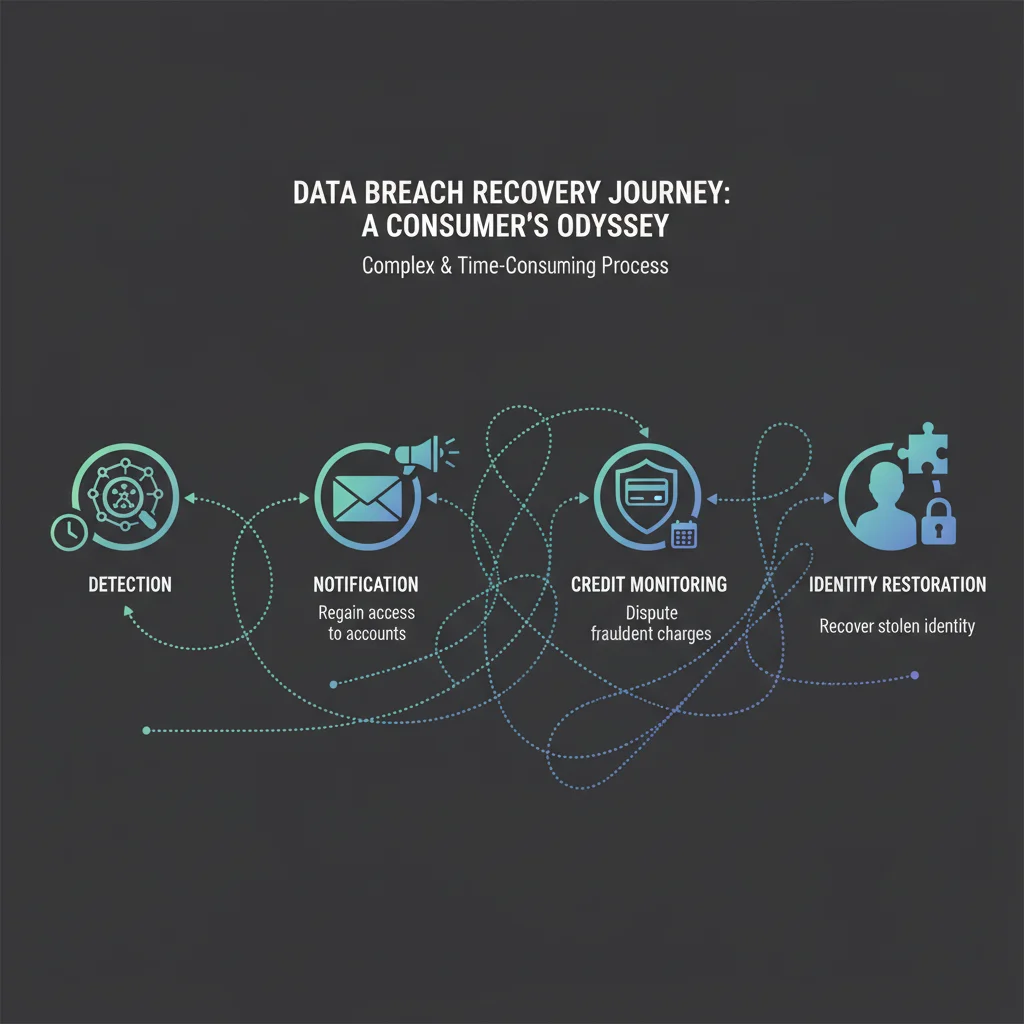
- Time and Effort: Recovering from a mobile data breach is an incredibly time-consuming process. This includes hours spent contacting banks, credit card companies, law enforcement, and credit bureaus; disputing fraudulent charges; freezing credit; and changing passwords across numerous accounts. This lost time can translate to lost wages or productivity.
- Credit Score Damage: Fraudulent activities can severely damage a consumer’s credit score, making it difficult to secure loans, mortgages, or even rent an apartment. Rebuilding a credit score can take years, impacting significant life decisions and incurring higher interest rates.
- Emotional and Psychological Distress: The stress, anxiety, and fear associated with a data breach can be profound. Victims often feel violated, helpless, and constantly worried about future attacks. This emotional toll, while not directly financial, can impact mental health and overall well-being, potentially leading to related expenses like therapy.
- Reputational Damage: While more prevalent for businesses, individuals can also suffer reputational damage if their compromised accounts are used to send spam, spread misinformation, or engage in other illicit activities that appear to originate from them.
- Increased Insurance Premiums: In some cases, repeated incidents of identity theft or fraud might lead to higher insurance premiums for certain types of coverage.
- Opportunity Costs: The time and resources spent on recovery could have been invested elsewhere, representing an opportunity cost.
Projected Mobile Data Breach Cost for U.S. Consumers in 2026
Forecasting the exact mobile data breach cost for U.S. consumers in 2026 is complex, as it depends on numerous variables, including the sophistication of future attacks, the effectiveness of security measures, and regulatory changes. However, by analyzing current trends and expert projections, we can paint a picture of what consumers might face.
Current estimates for the average cost of a data breach to an individual consumer vary widely, often ranging from hundreds to thousands of dollars when all factors are considered. For instance, reports by organizations like IBM and Ponemon Institute frequently highlight that the average cost of a data breach for a company is in the millions, but a significant portion of that cost is ultimately borne by consumers through direct losses, time spent, and other indirect impacts.
Given the accelerating pace of digital transformation and the increasing reliance on mobile devices, it is reasonable to project that the individual mobile data breach cost will continue to climb. Factors contributing to this increase include:
- Increased Value of Data: As more sensitive information is digitized, the value of a comprehensive personal data set on the dark web will likely increase, incentivizing more sophisticated attacks.
- Sophistication of Attackers: Cybercriminals are continually refining their techniques, making breaches harder to detect and mitigate, leading to greater losses.
- Complexity of Mobile Ecosystems: The integration of mobile devices with IoT, smart homes, and other connected technologies creates more potential entry points for attackers.
- Inflation and Economic Factors: General economic inflation will naturally push up the monetary value of losses and recovery services.
- Regulatory Fines and Legal Costs: While primarily affecting businesses, increased regulatory scrutiny and potential class-action lawsuits following major breaches can indirectly impact consumers through higher costs passed on by services, or through the sheer volume of breaches.
In 2026, it is plausible that the average U.S. consumer who falls victim to a significant mobile data breach could face direct financial losses ranging from $500 to $2,000. However, when factoring in the indirect costs such as time spent on recovery, credit score damage, and emotional distress, the total mobile data breach cost could easily escalate to $5,000 to $15,000 or even more over a multi-year period. For cases involving severe identity theft, these figures could be substantially higher, potentially reaching tens of thousands of dollars in long-term financial burden and legal fees.
Case Studies and Real-World Implications
While specific mobile data breach cost figures for individuals in 2026 are projections, examining past incidents provides a sobering glimpse into the potential future. Consider:
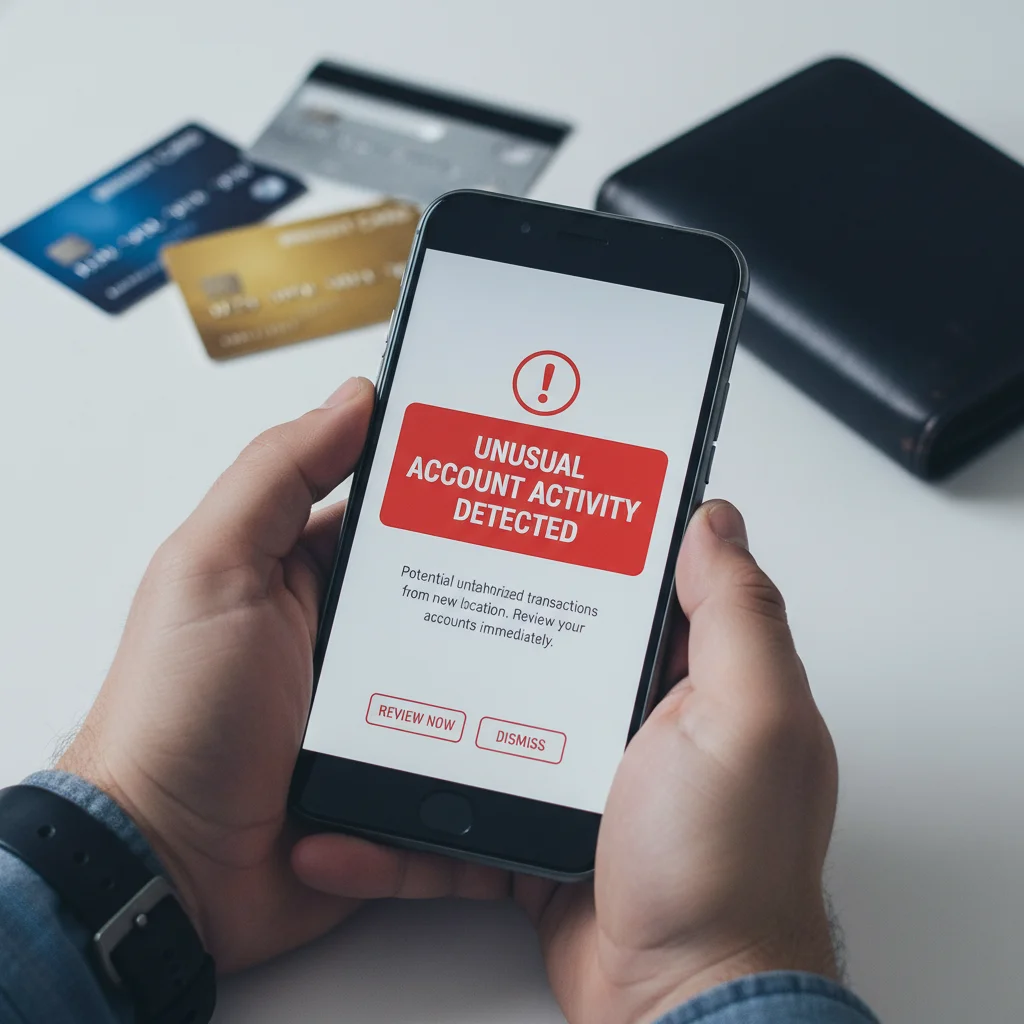
- Phishing Scams: A consumer receives a convincing text message (smishing) appearing to be from their bank, prompting them to click a link and enter their credentials. This leads to unauthorized transfers from their checking account. The immediate loss could be hundreds or thousands of dollars, plus the time spent working with the bank to recover funds and change all associated passwords.
- Malicious App Download: A user downloads a seemingly innocuous app from a third-party store that actually contains spyware. This spyware collects all their stored credentials and personal information, leading to multiple instances of credit card fraud and eventually identity theft requiring credit freezes, fraud alerts, and potentially legal consultation. The multi-year cost could easily exceed $10,000.
- Public Wi-Fi Interception: Connecting to an unsecured public Wi-Fi network allows an attacker to intercept data, including login credentials for an online shopping account that stores payment information. This results in fraudulent purchases, requiring credit card cancellation and monitoring.
These scenarios highlight that the mobile data breach cost is not a hypothetical threat but a very real and often devastating experience for consumers. The financial burden is compounded by the emotional toll and the disruption to daily life. As mobile devices become even more integrated into our financial lives, the stakes will only get higher.
Mitigating the Mobile Data Breach Cost: Proactive Measures for Consumers
While the threat is significant, consumers are not powerless. Adopting proactive cybersecurity practices can significantly reduce the likelihood and impact of a mobile data breach, thereby lowering the potential mobile data breach cost.
Essential Security Practices:
- Strong, Unique Passwords and Multi-Factor Authentication (MFA): This is the bedrock of digital security. Use complex, unique passwords for every online account, ideally managed with a reputable password manager. Enable MFA wherever possible, especially for banking, email, and social media. Even if your password is breached, MFA acts as a crucial second line of defense.
- Keep Software Updated: Operating systems (iOS, Android) and all apps should always be kept up-to-date. Updates often include critical security patches that fix newly discovered vulnerabilities. Enable automatic updates if available.
- Be Wary of Phishing and Smishing: Exercise extreme caution with unsolicited emails and text messages. Never click on suspicious links or download attachments from unknown senders. Verify the sender’s identity through an official channel before taking any action.
- Download Apps from Official Stores Only: Stick to the Apple App Store or Google Play Store. These platforms have security checks in place to identify and remove malicious apps. Avoid third-party app stores, which are far more likely to host malware.
- Review App Permissions: Before installing an app, carefully review the permissions it requests. Does a flashlight app really need access to your contacts or microphone? Grant only necessary permissions.
- Use a VPN on Public Wi-Fi: Public Wi-Fi networks are often unsecured, making it easy for attackers to intercept your data. Use a reputable Virtual Private Network (VPN) to encrypt your internet traffic when connecting to public Wi-Fi.
- Backup Your Data: Regularly back up important data from your mobile device to a secure cloud service or an external drive. This won’t prevent a breach but can mitigate the impact of data loss or ransomware.
- Enable Remote Wipe/Lock: Most smartphones offer features to remotely locate, lock, or wipe your device if it’s lost or stolen. This is crucial for preventing unauthorized access to your data.
- Regularly Monitor Financial Accounts and Credit Reports: Keep a close eye on your bank statements, credit card bills, and credit reports for any suspicious activity. Many banks offer real-time transaction alerts. Utilize free annual credit reports from AnnualCreditReport.com.
- Be Mindful of Information Shared Online: Think twice before sharing overly personal information on social media or other public platforms, as this data can be used by cybercriminals for targeted attacks or identity theft.
The Role of Organizations and Government
While individual responsibility is paramount, organizations that handle consumer data and government bodies also play a critical role in mitigating the overall mobile data breach cost. Businesses must invest in robust mobile security infrastructure, conduct regular security audits, and provide clear, timely notifications to consumers in the event of a breach. Stronger data privacy regulations, like those seen in Europe (GDPR) and some U.S. states (CCPA), can incentivize better corporate security practices and provide consumers with more rights regarding their data.
Furthermore, government agencies can invest in public awareness campaigns to educate consumers about mobile security risks and best practices. Law enforcement agencies also need to enhance their capabilities to investigate and prosecute cybercriminals, creating a stronger deterrent against mobile data breaches.
What to Do if You Become a Victim
Despite best efforts, a mobile data breach can still occur. Knowing the immediate steps to take can significantly reduce the mobile data breach cost and expedite recovery:
- Act Immediately: The sooner you respond, the better.
- Change Passwords: Immediately change passwords for all compromised accounts, starting with your email and banking services. Use strong, unique passwords.
- Notify Banks and Credit Card Companies: Inform your financial institutions about the breach and monitor your accounts for fraudulent activity. Consider freezing your credit if identity theft is suspected.
- Report to Authorities: File a report with the Federal Trade Commission (FTC) at IdentityTheft.gov. This provides an official record that can be useful for disputing fraudulent charges or transactions.
- Utilize Credit Monitoring Services: Many companies offer free or paid credit monitoring services after a breach. Take advantage of these to detect any unusual activity.
- Backup and Wipe (if necessary): If your device itself is compromised with malware, back up essential data and perform a factory reset.
- Be Patient and Persistent: Recovery can be a long and arduous process, requiring persistence and careful record-keeping.
Conclusion: A Shared Responsibility for a Secure Mobile Future
The projected mobile data breach cost for U.S. consumers in 2026 is a stark reminder of the financial and personal vulnerabilities inherent in our mobile-first world. While the convenience of smartphones is undeniable, it comes with a responsibility to prioritize security. By understanding the multifaceted nature of these costs – from direct financial losses to the hidden tolls of time, stress, and credit damage – consumers can better appreciate the importance of proactive measures.
Individuals must adopt robust cybersecurity habits, including strong password hygiene, multi-factor authentication, cautious app downloads, and vigilant monitoring of their financial lives. Simultaneously, organizations and government entities bear a crucial role in creating a more secure digital environment through better data protection, clearer regulations, and effective enforcement. Only through this shared responsibility and continuous adaptation can we hope to mitigate the rising mobile data breach cost and build a more resilient and trustworthy mobile ecosystem for the future. The financial impact is not just a number; it represents real lives, real struggles, and a call to action for everyone.