Security First: Top VPN Apps & 2026 Privacy Protocols for Americans

Security First: A Detailed Review of 3 Top VPN Apps and Their 2026 Privacy Protocols for American Users
In an increasingly digital world, the importance of online privacy and security cannot be overstated. For American users, navigating the complex landscape of data surveillance, targeted advertising, and potential cyber threats has become a daily challenge. This is where Virtual Private Networks (VPNs) step in as essential tools, offering a shield against prying eyes and ensuring a more secure and private online experience. But with countless VPN providers vying for your attention, how do you choose the one that truly prioritizes your data and adheres to the most stringent VPN privacy protocols? As we look towards 2026, the demand for robust security features and transparent privacy practices is higher than ever.
This comprehensive review delves into three of the top VPN apps available to American users, meticulously examining their VPN privacy protocols, features, and overall commitment to user security. We will explore what makes these services stand out, how they protect your data from government surveillance and malicious actors, and the key considerations you should keep in mind when selecting a VPN. Our goal is to equip you with the knowledge needed to make an informed decision, ensuring your digital footprint remains yours and yours alone.
The digital age, while offering unparalleled connectivity and convenience, also presents a myriad of challenges to personal privacy. From government agencies seeking access to user data to cybercriminals attempting to steal sensitive information, the threats are constant and evolving. In this environment, a VPN is no longer a luxury but a necessity. It encrypts your internet traffic, masks your IP address, and routes your connection through a secure server, effectively making your online activities anonymous and protected. However, not all VPNs are created equal, especially when it comes to their underlying VPN privacy protocols and their dedication to upholding them.
Understanding VPN Privacy Protocols: A Foundation for Trust
Before we dive into specific VPN providers, it’s crucial to understand what constitutes strong VPN privacy protocols. These protocols are the bedrock of any trustworthy VPN service, dictating how your data is handled, stored, and protected. Without robust protocols, a VPN, despite its marketing claims, might offer a false sense of security. Key elements of effective VPN privacy protocols include:
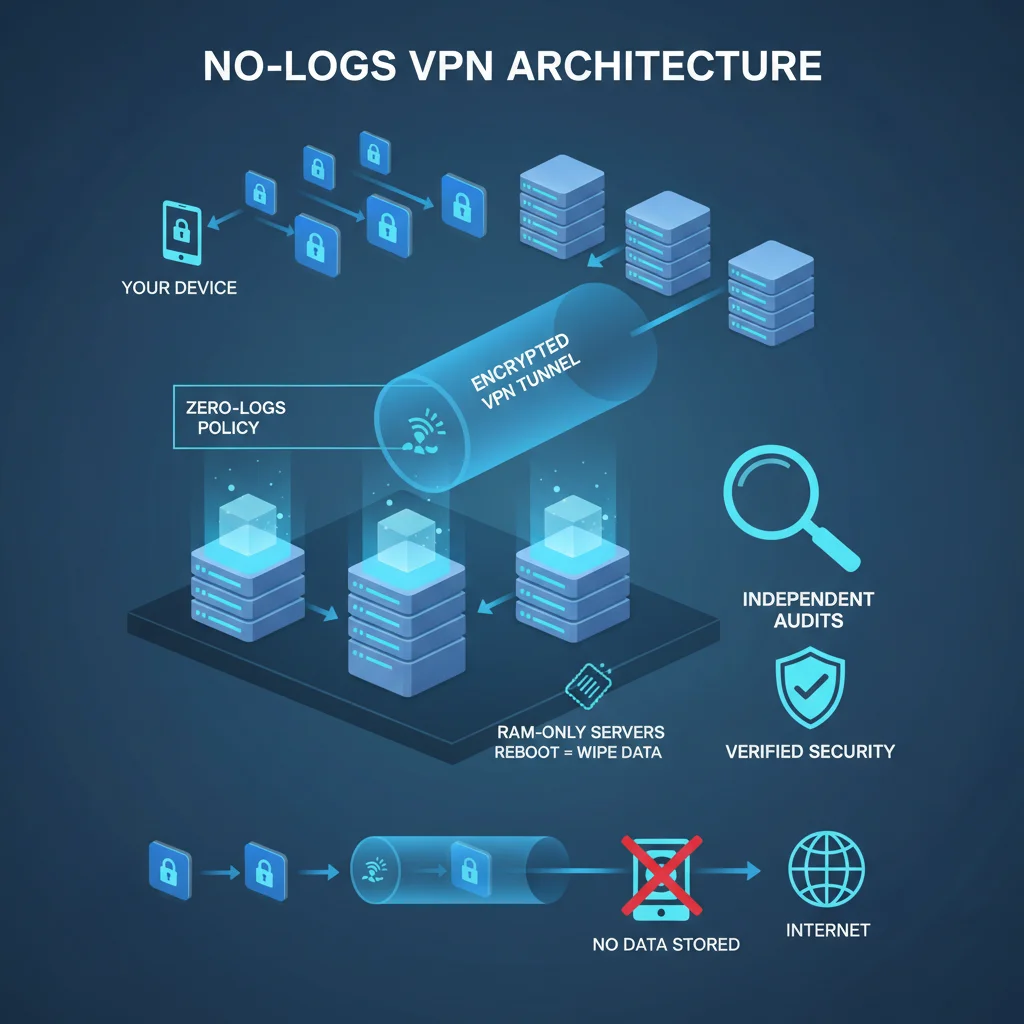
- No-Logs Policy: This is perhaps the most critical aspect. A strict no-logs policy means the VPN provider does not track, collect, or store any information about your online activities, including browsing history, traffic destinations, connection timestamps, or IP addresses. For American users concerned about surveillance, this is non-negotiable.
- Independent Audits: Verification is key. Reputable VPNs regularly undergo independent audits of their no-logs policies and security infrastructure by third-party cybersecurity firms. These audits provide objective proof that the VPN’s claims are legitimate.
- Jurisdiction: The country where a VPN company is based significantly impacts its privacy posture. Jurisdictions with strong privacy laws and no mandatory data retention laws are preferable. Countries that are part of intelligence-sharing alliances (like the 5, 9, or 14 Eyes) can pose a risk, as they might compel VPNs to log user data.
- RAM-Only Servers: This advanced security measure ensures that all server data is wiped clean with every reboot. Since no data is written to hard drives, there’s nothing to seize or compromise, even if servers are physically breached.
- Strong Encryption Standards: The encryption protocols used (e.g., OpenVPN, WireGuard, IKEv2/IPsec) and the strength of the encryption (e.g., AES-256) are vital for protecting your data from interception.
- Kill Switch: An essential feature that automatically disconnects your internet if the VPN connection drops, preventing your real IP address from being exposed.
- DNS Leak Protection: Ensures that your DNS requests are routed through the VPN’s encrypted tunnel, preventing your ISP from seeing your browsing activity.
- Transparent Privacy Policy: A clear, concise, and easily accessible privacy policy that outlines exactly what data (if any) is collected and for what purpose.
Understanding these elements empowers you to critically evaluate any VPN service and assess its dedication to your privacy. Now, let’s explore three top VPN apps that excel in these areas, particularly for American users in 2026.
Reviewing the Top 3 VPN Apps for American Users in 2026
1. NordVPN: A Leader in Robust Security and Privacy
NordVPN has long been a household name in the VPN industry, consistently ranking high for its security features and commitment to user privacy. For American users, its comprehensive suite of tools offers a compelling package for protecting online activities.
VPN Privacy Protocols and Features:
- Strict No-Logs Policy: NordVPN boasts a rigorously audited no-logs policy. They have undergone multiple independent audits by PwC and Deloitte, confirming their claims of not collecting any user activity data. This is a critical assurance for those concerned about their VPN privacy protocols.
- Jurisdiction: Headquartered in Panama, a country with no mandatory data retention laws and outside the jurisdiction of the 5, 9, or 14 Eyes alliances, NordVPN is well-positioned to protect user privacy from government demands.
- RAM-Only Servers: All NordVPN servers operate in RAM-disk mode, meaning no data is ever permanently stored. This significantly enhances security, as any server seizure would yield no user data.
- Advanced Encryption: NordVPN utilizes AES-256-GCM encryption, considered military-grade, combined with robust protocols like OpenVPN, IKEv2/IPsec, and their proprietary WireGuard-based NordLynx protocol, offering a balance of speed and security.
- Threat Protection: Beyond basic VPN functionality, NordVPN includes features like Threat Protection, which blocks malware, trackers, and intrusive ads, further enhancing the user’s security posture.
- Double VPN: For ultimate anonymity, NordVPN offers Double VPN servers that route your traffic through two separate VPN servers, encrypting your data twice. This adds an extra layer of protection, making it even harder to trace your online activities.
- Kill Switch and DNS Leak Protection: Standard features that ensure your IP address and DNS requests are never exposed, even if the VPN connection drops.
Performance and Usability for American Users:
NordVPN offers a vast server network globally, including thousands of servers across the United States. This ensures excellent speeds and reliable connections for American users, whether they are streaming, gaming, or conducting sensitive business. Their apps are user-friendly across all major platforms (Windows, macOS, iOS, Android, Linux), making it easy for even novice users to secure their connection. The customer support is responsive and available 24/7, which is a significant plus.
In summary, NordVPN’s unwavering commitment to its VPN privacy protocols, backed by independent audits and innovative security features like RAM-only servers and Double VPN, makes it a top contender for American users prioritizing security and anonymity in 2026.
2. ExpressVPN: Speed, Reliability, and Proven Privacy
ExpressVPN is renowned for its exceptional speed and reliability, coupled with a strong emphasis on privacy and security. It consistently performs well in independent tests and is a favorite among users who demand both performance and protection.
VPN Privacy Protocols and Features:
- Audited No-Logs Policy: ExpressVPN has also subjected its no-logs policy to independent audits by Cure53, confirming that their systems do not store any identifiable user information. Their commitment to these VPN privacy protocols is well-documented.
- TrustedServer Technology (RAM-Only Servers): ExpressVPN pioneered the use of RAM-only servers, which they brand as TrustedServer technology. This ensures that all server data is regularly wiped, eliminating the risk of data retention or compromise. This is a foundational element of their robust VPN privacy protocols.
- Jurisdiction: ExpressVPN is based in the British Virgin Islands (BVI), a self-governing British overseas territory known for its strong privacy laws and independence from major intelligence alliances. This jurisdiction provides an added layer of protection against governmental data requests.
- Industry-Leading Encryption: ExpressVPN uses AES-256 encryption with a 4096-bit RSA key and SHA-512 HMAC authentication. They support OpenVPN, IKEv2, and their custom Lightway protocol, which is open-source and designed for speed and security.
- Threat Manager: This feature prevents apps and websites from communicating with known malicious third parties, enhancing privacy by blocking trackers and malware at the DNS level.
- Private DNS: ExpressVPN runs its own private, zero-knowledge DNS on every server, preventing DNS leaks and ensuring that your DNS queries are handled securely and privately.
- Kill Switch (Network Lock) and Leak Protection: Their Network Lock kill switch and comprehensive leak protection ensure that your IP address and online activities remain hidden, even during connection interruptions.
Performance and Usability for American Users:
ExpressVPN boasts an extensive network of servers in 105 countries, including numerous locations across the US. This wide distribution translates to consistently fast speeds and stable connections for American users, making it ideal for streaming high-definition content, online gaming, and secure browsing. Their applications are intuitively designed, easy to use, and available on a broad range of devices. 24/7 live chat support is also a major advantage.
ExpressVPN’s dedication to privacy, exemplified by its TrustedServer technology and BVI jurisdiction, combined with its high performance, makes it an excellent choice for American users seeking reliable and secure VPN privacy protocols in 2026.
3. Proton VPN: Privacy by Design from a Privacy-Focused Company
Proton VPN stands out due to its origins in Switzerland, a country renowned for its strong privacy laws, and its association with Proton Mail, a leading secure email service. This background instills a high degree of trust, as privacy is fundamentally embedded in the company’s ethos.
VPN Privacy Protocols and Features:
- Audited No-Logs Policy: Proton VPN adheres to a strict no-logs policy, which has been independently audited by SEC Consult. Their commitment to not logging user traffic, connection data, or IP addresses is a cornerstone of their VPN privacy protocols.
- Jurisdiction: Based in Switzerland, one of the world’s strongest privacy havens, Proton VPN benefits from robust legal protections against data requests. Switzerland is outside the 5, 9, or 14 Eyes alliances, offering significant legal safeguards for user data.
- Secure Core Servers: This unique feature routes user traffic through multiple servers, including hardened Secure Core servers located in privacy-friendly countries like Switzerland, Iceland, and Sweden, before connecting to the desired VPN server. These servers are owned and operated by Proton and are located in secure data centers, significantly increasing resistance to network attacks. This is a key differentiator in their VPN privacy protocols.
- Open-Source and Audited Apps: All Proton VPN apps are open-source, meaning their code is publicly available for anyone to inspect. They have also undergone independent security audits, providing transparency and verifiable security.
- Advanced Encryption: Proton VPN uses AES-256 encryption for data, 4096-bit RSA for key exchange, and HMAC with SHA384 for message authentication. They support OpenVPN, IKEv2, and WireGuard protocols.
- NetShield Ad-blocker: This integrated feature blocks ads, trackers, and malware, improving browsing speed and security.
- Always-On VPN and Kill Switch: The Always-On VPN feature attempts to automatically reconnect to the VPN if the connection drops, and the kill switch ensures no unencrypted traffic escapes.
- Tor Over VPN: For enhanced anonymity, Proton VPN allows users to route their traffic through the Tor network, providing an extra layer of privacy for sensitive activities.
Performance and Usability for American Users:
While Proton VPN’s server network might be slightly smaller than NordVPN or ExpressVPN, it still offers a significant presence in the US, ensuring good speeds for American users. Their focus on security sometimes means slightly lower speeds compared to the absolute fastest providers, but the trade-off for enhanced privacy is often worth it. The apps are well-designed and intuitive, catering to both beginners and advanced users. Their commitment to privacy extends to their free VPN tier, which, while limited, demonstrates their dedication to accessible privacy.
Proton VPN’s ‘privacy by design’ philosophy, Swiss jurisdiction, Secure Core servers, and open-source commitment make it an exceptionally strong choice for American users who prioritize the most stringent VPN privacy protocols and complete transparency in 2026.
Key Considerations for American Users in 2026
When selecting a VPN, especially for users in the United States, several factors beyond just VPN privacy protocols come into play:
- Local Server Presence: A strong presence of servers within the US ensures faster speeds and access to geo-restricted local content (e.g., streaming services). All three VPNs reviewed here offer extensive US server networks.
- Speed and Performance: While privacy is paramount, a VPN that significantly slows down your internet connection can be frustrating. Look for providers known for their speed, especially if you engage in activities like streaming, gaming, or large file downloads.
- Device Compatibility: Ensure the VPN offers apps for all your devices (smartphones, tablets, computers, routers, smart TVs).
- Customer Support: Responsive 24/7 customer support can be invaluable, especially if you encounter any technical issues.
- Pricing and Value: While privacy should not be compromised for cost, finding a VPN that offers excellent features at a reasonable price is important. Most premium VPNs offer discounts for longer subscriptions and money-back guarantees.
- Bypassing Geo-Restrictions: Many American users utilize VPNs to access content not available in their region or to access US-based content when traveling abroad. Ensure the VPN has a proven track record of bypassing geo-blocks effectively.
- Torrenting/P2P Support: If you engage in file-sharing, confirm that the VPN supports P2P traffic on its servers and maintains strong privacy measures during such activities.
The digital landscape in 2026 continues to evolve, with new threats and privacy challenges emerging regularly. Therefore, choosing a VPN provider that not only adheres to current best practices but also demonstrates a proactive approach to future security enhancements is crucial. The providers reviewed above have consistently shown this commitment.
The Evolving Landscape of Digital Privacy in America
The United States has a complex legal framework surrounding digital privacy. While the First Amendment protects freedom of speech, the extent of privacy rights in the digital realm is often debated and challenged. Laws like the CLOUD Act can compel US-based tech companies to hand over data stored on their servers, even if those servers are located outside the US. This makes the jurisdiction of a VPN provider, and its adherence to a strict no-logs policy, even more critical for American users.
Furthermore, the increasing prevalence of data breaches, identity theft, and targeted surveillance by both state and non-state actors underscores the necessity of taking personal cybersecurity into your own hands. A reliable VPN, with its robust VPN privacy protocols, acts as a fundamental layer of defense in this challenging environment.
As we move further into 2026, the discussion around net neutrality, data monetization by corporations, and governmental access to personal communications will undoubtedly continue. Having a VPN that you trust, one that is transparent about its VPN privacy protocols and consistently works to protect its users, becomes an indispensable tool for maintaining your digital rights and freedoms.

Conclusion: Securing Your Digital Future with Strong VPN Privacy Protocols
The choice of a VPN is a critical decision for anyone serious about their online privacy and security, especially for American users in 2026. While many VPNs promise anonymity, only a select few truly deliver on those promises through rigorously implemented and independently verified VPN privacy protocols.
NordVPN, ExpressVPN, and Proton VPN each offer distinct advantages, but all share a fundamental commitment to user privacy that sets them apart. NordVPN provides an excellent balance of features, speed, and audited no-logs policies. ExpressVPN shines with its unparalleled speed, TrustedServer technology, and strong BVI jurisdiction. Proton VPN, stemming from a privacy-first company in Switzerland, offers unique features like Secure Core servers and open-source transparency.
Ultimately, the ‘best’ VPN depends on your specific needs and priorities. However, by understanding the importance of strong VPN privacy protocols – including no-logs policies, independent audits, favorable jurisdictions, and advanced security features – you are well-equipped to choose a service that will effectively safeguard your digital life. Invest in a reputable VPN, and take a significant step towards securing your online freedom and privacy in 2026 and beyond.
Remember, your digital privacy is a right worth fighting for. A robust VPN is your most powerful ally in that fight, ensuring that your online activities remain private, secure, and free from unwarranted intrusion. Make an informed choice, prioritize your VPN privacy protocols, and enjoy the internet with peace of mind.
Frequently Asked Questions (FAQs)
Q1: Why are VPN privacy protocols so important for American users?
A: For American users, robust VPN privacy protocols are crucial due to concerns about government surveillance (e.g., NSA activities, CLOUD Act), corporate data collection, and the risk of cybercrime. Strong protocols, especially a no-logs policy and a favorable jurisdiction, ensure that your online activities remain private and cannot be accessed or handed over to third parties, even under legal compulsion.
Q2: What does a ‘no-logs policy’ truly mean for my privacy?
A: A true no-logs policy means the VPN provider does not store any data that could identify you or your online activities. This includes your IP address, browsing history, connection timestamps, or bandwidth usage. For your privacy, this is paramount because it means there’s no data for anyone, including law enforcement or hackers, to seize or compromise. Independent audits verify these claims, adding a layer of trustworthiness to the VPN’s VPN privacy protocols.
Q3: How does jurisdiction affect a VPN’s privacy?
A: The country where a VPN company is registered dictates the laws it must follow regarding data retention and sharing. Jurisdictions like Panama (NordVPN), the British Virgin Islands (ExpressVPN), or Switzerland (Proton VPN) have strong privacy laws and are not part of intelligence-sharing alliances (like the 5, 9, or 14 Eyes). This provides greater legal protection against requests from foreign governments to access user data, reinforcing the VPN’s VPN privacy protocols.
Q4: Are RAM-only servers a significant privacy advantage?
A: Yes, RAM-only servers (like ExpressVPN’s TrustedServer technology or NordVPN’s server infrastructure) are a significant privacy advantage. They ensure that all data on the server is wiped clean whenever the server is rebooted. Since no data is ever written to persistent storage (hard drives), there is no information to be physically seized or compromised, even if a server is breached. This is a cutting-edge implementation of strong VPN privacy protocols.
Q5: Can a free VPN offer the same level of privacy and security as a paid one?
A: Generally, no. While some free VPNs (like Proton VPN’s free tier) offer basic privacy, they often come with significant limitations in terms of speed, server locations, and data caps. More importantly, many free VPNs monetize their service by collecting and selling user data or displaying intrusive ads, which directly contradicts the purpose of using a VPN for privacy. Paid VPNs, especially those reviewed here, invest heavily in their infrastructure and VPN privacy protocols, offering a far superior and more trustworthy service.
Q6: What is the ‘kill switch’ feature and why is it important?
A: A kill switch (sometimes called Network Lock) is a critical security feature that automatically disconnects your device from the internet if your VPN connection unexpectedly drops. This prevents your real IP address and unencrypted data from being exposed, even for a brief moment. It’s an essential component of robust VPN privacy protocols, ensuring continuous protection.
Q7: How often should I check for updates or changes in my VPN’s privacy policy?
A: It’s a good practice to review your VPN’s privacy policy and terms of service periodically, perhaps once a year or if there are significant geopolitical or technological changes. Reputable VPNs are transparent about any updates, and staying informed ensures that their VPN privacy protocols still align with your privacy expectations and needs.