Mobile App Supply Chain Attacks 2026: U.S. User Risks & Prevention
Mobile App Supply Chain Attacks on Mobile Apps: Understanding the 2026 Risk for U.S. Users (RECENT UPDATES)
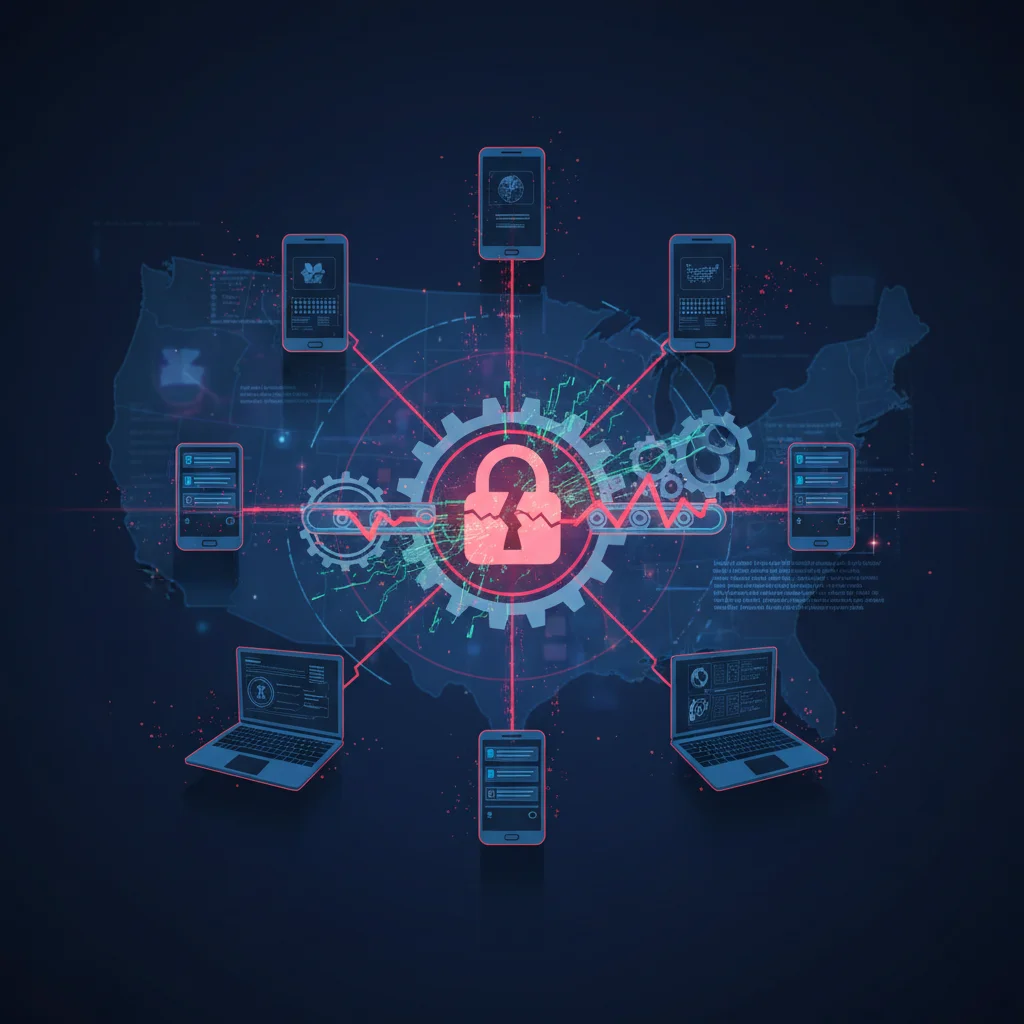
In an increasingly interconnected digital world, mobile applications have become indispensable tools for communication, finance, entertainment, and productivity. From banking to social media, these apps hold a wealth of personal and sensitive information. However, this ubiquity also makes them prime targets for malicious actors. One of the most insidious and rapidly evolving threats facing U.S. users by 2026 is the mobile app supply chain attack. These sophisticated assaults don’t target the end-user directly but rather compromise the software development and distribution process, injecting malicious code into legitimate applications before they even reach your device.
The implications of such attacks are far-reaching. Imagine updating your favorite banking app, only to unknowingly install a version laced with malware designed to steal your credentials or financial data. Or consider a popular gaming app that, through a compromised third-party library, gains unauthorized access to your device’s microphone or camera. These aren’t hypothetical scenarios; they represent the grim reality of a threat landscape that is becoming more complex and dangerous with each passing year.
This comprehensive article will delve deep into the mechanics of mobile app security vulnerabilities within the supply chain, explore the specific risks posed to U.S. users by 2026, highlight recent updates and incidents, and, most importantly, provide actionable strategies for prevention and mitigation. Understanding this evolving threat is the first step towards safeguarding your digital life.
What Exactly Are Mobile App Supply Chain Attacks?
At its core, a supply chain attack targets the less secure elements of a software’s development and distribution pipeline. For mobile apps, this means compromising any stage from the initial coding to the final download by the user. Unlike traditional cyberattacks that might focus on exploiting vulnerabilities in the end-user’s device or network, supply chain attacks aim to inject malware or backdoors into the software itself, often long before it’s released to app stores.
The Mobile App Development Lifecycle: A Chain of Potential Weaknesses
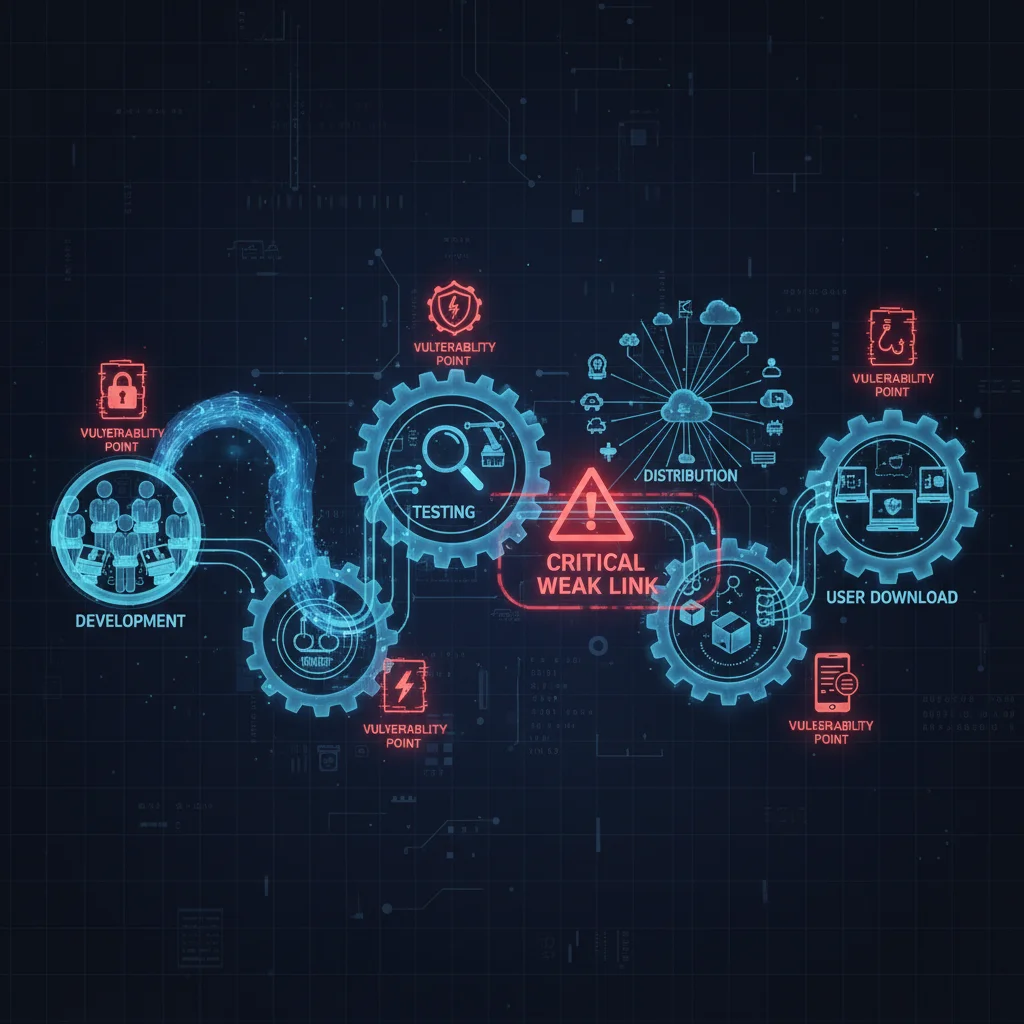
To understand where these attacks can occur, it’s crucial to visualize the mobile app development lifecycle as a series of interconnected stages:
- Development Environment: Developers rely on various tools, libraries, and frameworks. If any of these are compromised, the malicious code can be integrated into the app from the very beginning. This could involve infected development machines, compromised build servers, or malicious third-party SDKs (Software Development Kits) and open-source libraries.
- Third-Party Components and SDKs: Most modern apps don’t start from scratch. They incorporate numerous third-party components for analytics, advertising, payment processing, or even basic functionalities. A vulnerability or intentional malicious injection in one of these components can propagate throughout all apps that use it.
- Code Repositories: Version control systems like Git are essential for development teams. If a repository is compromised, attackers can insert malicious code directly into the app’s source code.
- Build and Compilation Systems: The process of compiling source code into a runnable application can be targeted. Attackers might tamper with compilers or build scripts to inject malware during the build process.
- App Store Submission and Distribution: While official app stores (Google Play, Apple App Store) have robust security checks, sophisticated attackers might try to bypass these or even compromise developer accounts to upload malicious versions of apps. Alternative, unofficial app stores (third-party marketplaces) are even more susceptible.
- Update Mechanisms: Even after an app is installed, its update mechanism can be a vector. If the update server or the update package itself is compromised, a legitimate-looking update could deliver malware.
The insidious nature of these attacks lies in their ability to bypass traditional security measures. Since the malicious code is embedded within what appears to be a legitimate application, it often evades detection by antivirus software and device-level security features.
The Escalating Risks for U.S. Users by 2026
Several factors contribute to the projected increase in mobile app security risks for U.S. users by 2026:
1. Increased Digitalization and Mobile Dependency
The U.S. population’s reliance on mobile devices and applications continues to grow exponentially. From remote work and online education to telehealth and e-commerce, mobile apps are central to daily life. This expanded attack surface makes the stakes higher for both individuals and critical infrastructure.
2. Sophistication of Attackers
Cybercriminal organizations and state-sponsored actors are becoming increasingly sophisticated. They have the resources and expertise to identify and exploit subtle weaknesses in complex software supply chains, often employing zero-day vulnerabilities or highly targeted social engineering techniques against developers.
3. Proliferation of Third-Party Libraries and Open Source
The rapid pace of mobile app development often necessitates the use of numerous third-party libraries and open-source components. While these accelerate development, they also introduce potential security risks. A single vulnerability in a widely used component can affect thousands of applications simultaneously. Auditing every line of code in every third-party dependency is a monumental, often impractical, task for developers.
4. Geopolitical Tensions and Cyber Warfare
The global geopolitical landscape directly impacts cybersecurity. State-sponsored groups may leverage supply chain attacks to target U.S. infrastructure, businesses, or citizens for espionage, sabotage, or economic disruption. Mobile apps, particularly those used by government employees or critical sectors, become attractive vectors.
5. IoT and Connected Devices
The rise of the Internet of Things (IoT) means more devices are connected to mobile apps. Smart home devices, wearables, and connected vehicles often rely on companion mobile apps. A compromised app could provide an entry point into a broader network of devices, amplifying the potential damage.
6. Regulatory and Compliance Pressures
While regulations like GDPR and CCPA aim to protect user data, the complexity of the mobile app supply chain makes compliance challenging. Attackers exploit these complexities, knowing that security audits might not fully cover every link in the chain, especially those involving foreign third-party vendors.
Recent Updates and Notable Incidents (Illustrating the Threat)
The threat of mobile app supply chain attacks is not new, but its prevalence and impact are becoming more pronounced. Several high-profile incidents underscore the urgency of addressing mobile app security in this context:
- XcodeGhost (2015): Although an older example, XcodeGhost remains a classic case. Malicious versions of Apple’s Xcode development environment were distributed on third-party servers, infecting legitimate apps compiled with them. This led to thousands of iOS apps being compromised, affecting millions of users.
- Dependency Confusion Attacks (Ongoing): This technique, popularized in 2021, exploits package managers’ behavior to trick them into installing a malicious internal package from a public repository instead of a legitimate private one. While often targeting enterprise software, the principles apply to mobile app development where internal and external packages are used.
- SolarWinds Attack (2020): While not directly a mobile app attack, the SolarWinds incident serves as a stark reminder of the devastating potential of supply chain compromises. Attackers injected malware into legitimate software updates, affecting thousands of organizations, including U.S. government agencies. This demonstrated how a single point of failure in the software supply chain can have catastrophic downstream effects.
- Log4Shell (2021): The Log4Shell vulnerability in the Log4j logging library sent shockwaves through the tech world. This widely used open-source component, found in countless applications and services, exposed a critical weakness in the software supply chain. While not exclusively mobile, it highlighted how a flaw in a foundational library can impact a vast ecosystem, including mobile backend services.
- Malicious SDKs and Adware Libraries: Ongoing reports frequently detail how malicious SDKs, particularly those related to advertising or analytics, are found to contain hidden code that performs unauthorized actions, collects excessive data, or even serves as a backdoor. Developers often integrate these SDKs without fully understanding their underlying code, making them unwitting conduits for attackers.
- Compromised Developer Accounts: Phishing campaigns targeting mobile app developers are on the rise. Gaining access to a developer’s account on an app store or a code repository allows attackers to upload malicious updates or entirely new, rogue applications under a trusted name.
These incidents highlight a clear trend: attackers are shifting their focus from individual users to the source of software, leveraging the inherent trust users place in official app stores and developers. The interconnectedness of the software ecosystem means a single compromise can have a ripple effect, impacting millions.
How Mobile App Supply Chain Attacks Work: A Deeper Dive
Understanding the common vectors helps in developing robust defense mechanisms:
1. Malicious Code Injection
This is the most direct method. Attackers gain unauthorized access to a developer’s environment (e.g., source code repository, build server) and directly insert malicious code into the application’s codebase. This code can then perform various actions:
- Data Exfiltration: Stealing sensitive user data like credentials, financial information, contacts, or location data.
- Remote Control: Establishing a backdoor for remote access to the user’s device, allowing attackers to install other malware, spy on activities, or manipulate device settings.
- Spyware/Adware: Injecting code to display unwanted ads, track user behavior without consent, or even record audio/video.
- Ransomware: Encrypting device data and demanding a ransom for its release.
2. Compromised Third-Party Libraries and SDKs
Many apps rely on external code components. Attackers can:
- Supply Chain Poisoning: Directly compromise an open-source project or a third-party SDK provider to inject malicious code into their widely distributed components.
- Typosquatting/Brandjacking: Create malicious libraries with names very similar to popular, legitimate ones, hoping developers accidentally download and integrate the wrong one.
- Dependency Confusion: As mentioned, tricking package managers into pulling a malicious package from a public repository when a private, legitimate one exists.
3. Tampered Development Tools
If the tools developers use (IDEs, compilers, debuggers) are compromised, the integrity of every app built with them is at risk. Attackers might distribute trojanized versions of these tools through unofficial channels.
4. Social Engineering and Phishing
Developers and their organizations are prime targets for social engineering. Phishing attacks can trick developers into revealing credentials for code repositories, app store accounts, or build servers, giving attackers direct access to inject malware.
5. Exploiting Vulnerabilities in Build Systems
Continuous Integration/Continuous Deployment (CI/CD) pipelines are crucial for modern app development. Vulnerabilities in these automated systems can be exploited to inject malicious code during the build or deployment phase, often going unnoticed due to the automated nature.
Prevention and Mitigation Strategies for U.S. Users and Developers
Combating mobile app supply chain attacks requires a multi-layered approach, involving both users and the entire app development ecosystem.
For U.S. Users:
- Download Apps Only from Official Stores: Stick to Google Play Store and Apple App Store. While not immune, they have more robust security checks than third-party marketplaces. Avoid sideloading apps from unknown sources.
- Be Wary of Permissions: Scrutinize the permissions an app requests. Does a flashlight app really need access to your contacts or microphone? Grant only necessary permissions.
- Keep Apps and OS Updated: Regularly update your mobile operating system and all installed apps. Updates often include critical security patches that address newly discovered vulnerabilities.
- Use Reputable Mobile Security Software: Install a trusted mobile antivirus or security suite that can scan apps for malicious behavior and protect against phishing attempts.
- Enable Two-Factor Authentication (2FA): Use 2FA for all your important accounts (email, banking, social media), especially those accessed via mobile apps. This adds an extra layer of security even if your credentials are stolen.
- Review App Ratings and Reviews: Before downloading, check an app’s ratings and read recent reviews. Look for any red flags or reports of suspicious behavior from other users.
- Be Skeptical of Unsolicited Links/Downloads: Avoid clicking on suspicious links in emails, SMS, or social media, as they might lead to malicious app downloads or credential harvesting sites.
- Backup Your Data: Regularly back up important data to a secure, offline location or a trusted cloud service. This can help in recovery if your device is compromised.
For Mobile App Developers and Organizations:
- Secure Your Development Environment: Implement strict security measures for all development machines, build servers, and code repositories. This includes strong authentication, regular security audits, and intrusion detection systems.
- Supply Chain Security Audits: Conduct thorough security audits of all third-party libraries, SDKs, and open-source components used in your applications. Utilize Software Composition Analysis (SCA) tools to identify known vulnerabilities.
- Code Signing and Verification: Digitally sign your applications to ensure their integrity. Implement robust verification processes to ensure that all code being compiled and deployed originates from trusted sources.
- Implement Secure Development Practices (SDL): Integrate security into every stage of the Software Development Lifecycle. This includes threat modeling, static application security testing (SAST), dynamic application security testing (DAST), and regular penetration testing.
- Vendor Risk Management: Carefully vet all third-party vendors and suppliers whose tools or components are integrated into your app. Understand their security posture and contractual obligations.
- Automated Security Testing in CI/CD: Integrate automated security testing tools directly into your CI/CD pipelines to catch vulnerabilities and malicious injections early in the development process.
- Monitor for Anomalies: Implement robust logging and monitoring across your development and deployment infrastructure to detect unusual activity that might indicate a compromise.
- Employee Training: Educate developers and other staff about social engineering tactics, phishing, and the importance of secure coding practices.
- Incident Response Plan: Develop and regularly test an incident response plan specifically for supply chain compromises. Knowing how to react swiftly can minimize damage.
- Maintain Transparency with Users: In the event of a compromise, be transparent with your users about the incident, the risks, and the steps being taken to mitigate them.
The Future of Mobile App Security by 2026
By 2026, the landscape of mobile app security will likely be characterized by several key trends:
1. AI and Machine Learning for Threat Detection
Artificial intelligence and machine learning will play an increasingly crucial role in detecting sophisticated supply chain attacks. These technologies can analyze vast amounts of code, identify anomalous behavior, and predict potential vulnerabilities more effectively than traditional methods.
2. Enhanced Regulatory Scrutiny
Governments and regulatory bodies, particularly in the U.S., will likely impose stricter requirements on software supply chain security, especially for critical infrastructure and sensitive data. This could lead to mandatory security audits, transparency requirements for third-party components, and increased liability for developers.
3. Shift-Left Security
The concept of “shift-left” security, where security considerations are integrated from the very beginning of the development lifecycle, will become even more prevalent. Proactive security measures will replace reactive patching as the industry standard.
4. Decentralized Identity and Blockchain
Emerging technologies like blockchain could offer new ways to verify the integrity of software components and track their provenance, potentially making it harder for attackers to inject malicious code undetected. Decentralized identity solutions could also enhance the security of developer accounts.
5. Collaboration and Information Sharing
Increased collaboration between developers, security researchers, government agencies, and app store operators will be vital. Sharing threat intelligence and best practices can help the entire ecosystem stay ahead of attackers.
Conclusion
The threat of mobile app supply chain attacks is a complex and evolving challenge that demands constant vigilance from both U.S. users and the entire app development community. By 2026, these attacks are projected to be more sophisticated, more frequent, and potentially more damaging. The interconnected nature of our digital lives means that a compromise at any point in the software supply chain can have widespread repercussions.
For users, an informed approach to app usage, coupled with basic security hygiene, is paramount. For developers and organizations, a proactive, security-first mindset, rigorous auditing, and continuous monitoring are no longer optional but essential. By understanding the risks, staying informed about recent updates, and implementing robust prevention strategies, we can collectively build a more secure mobile ecosystem. Protecting mobile app security is a shared responsibility, and only through concerted effort can we mitigate the looming threats of 2026 and beyond.