Task Management Evolution: Reshaping US Workflows for 2026

The Latest in Task Management: How New Features in Top Apps Are Reshaping US Workflows for 2026
In the rapidly evolving landscape of the modern workplace, efficient task management is no longer a luxury but a fundamental necessity. As businesses in the United States strive for unprecedented levels of productivity and seamless collaboration, the tools they employ to manage tasks and projects are undergoing a profound transformation. The year 2026 is poised to witness a significant reshaping of US workflows, driven by innovative features emerging from the forefront of task management applications. These aren’t just minor updates; they represent a paradigm shift in how individuals and teams approach their daily responsibilities, project milestones, and strategic objectives.
The relentless pace of technological advancement, coupled with the increasing complexity of global business operations, has created an urgent demand for more intelligent, intuitive, and integrated task management solutions. From artificial intelligence and machine learning to advanced automation and enhanced collaborative functionalities, the new wave of features is designed to eliminate inefficiencies, reduce cognitive load, and foster a more agile and responsive work environment. This comprehensive exploration delves into the cutting-edge developments in task management apps, dissecting their impact on various aspects of US workflows and offering a glimpse into the future of organized productivity.
The Rise of AI and Machine Learning in Task Management
One of the most significant advancements defining the future of task management is the deep integration of Artificial Intelligence (AI) and Machine Learning (ML). These technologies are transforming static task lists into dynamic, intelligent systems that can anticipate needs, prioritize workloads, and even automate routine actions. For US businesses, this translates into a dramatic increase in efficiency and a reduction in administrative overhead.
AI-powered task management apps are now capable of analyzing user behavior, project patterns, and deadlines to offer intelligent recommendations. Imagine an app that suggests the optimal time to tackle a specific task based on your historical productivity peaks, or one that automatically identifies critical path items in a complex project, alerting you to potential bottlenecks before they occur. This predictive capability is invaluable for project managers and individual contributors alike, enabling proactive decision-making and preventing delays.
Furthermore, AI is enhancing task prioritization. Instead of manually sifting through a myriad of tasks, users can rely on algorithms that factor in urgency, importance, dependencies, and even personal work habits to present a prioritized list. This not only streamlines the daily workflow but also ensures that critical tasks receive the attention they deserve, leading to improved project outcomes and reduced stress levels. The ability of these systems to learn and adapt over time means that their recommendations become increasingly personalized and accurate, making them indispensable partners in productivity.
Beyond prioritization, AI is also driving smart task allocation. In team environments, AI can suggest the best team member for a particular task based on their skills, current workload, and past performance. This optimizes resource utilization and ensures that tasks are assigned to those best equipped to complete them efficiently. The implications for large organizations with complex team structures are immense, leading to more balanced workloads and enhanced team performance. The shift towards intelligent automation of these previously manual processes marks a significant leap forward in optimizing US workflows.
Automation and Workflow Orchestration
The concept of workflow automation is not new, but its sophistication in modern task management apps has reached unprecedented levels. These applications are moving beyond simple reminders to offer robust workflow orchestration capabilities that can automate entire sequences of actions. This is particularly impactful for repetitive processes common in many US industries, from marketing and sales to HR and finance.
Consider a scenario where a new client is onboarded. Previously, this might involve a series of manual tasks: sending welcome emails, setting up access, assigning initial tasks, and scheduling follow-ups. With advanced task management apps, this entire sequence can be automated. Upon a trigger (e.g., a new client added to the CRM), the app can automatically create a project, assign sub-tasks to relevant team members, set deadlines, and even send automated notifications and reminders. This not only saves significant time but also ensures consistency and reduces the risk of human error.
Integration with other business tools is key to this automation. Modern task management platforms are designed to seamlessly connect with CRM systems, communication platforms (like Slack or Microsoft Teams), cloud storage solutions, and even financial software. This interconnectedness allows for a fluid exchange of information, eliminating data silos and creating a unified operational environment. For businesses, this means less time spent on context switching and manual data entry, and more time focused on strategic initiatives.
Conditional logic and rules-based automation are also becoming standard. Users can set up complex rules like ‘if Task A is completed, then automatically create Task B and notify Team C.’ This level of granularity in automation allows organizations to design highly customized workflows that precisely match their operational needs. The ability to visualize and map these automated workflows within the task management interface further empowers teams to identify bottlenecks and continuously optimize their processes, leading to significant gains in overall organizational efficiency.
Enhanced Collaboration and Communication Features
The distributed nature of modern work, exacerbated by recent global events, has underscored the critical importance of seamless collaboration. Task management apps are at the forefront of facilitating this, evolving from simple task lists into powerful collaborative hubs. For US teams, these new features are breaking down communication barriers and fostering a more cohesive and productive environment.
Real-time collaboration is a cornerstone of these advancements. Teams can now simultaneously view, edit, and comment on tasks and projects, ensuring everyone is working from the most current information. Integrated chat functionalities, direct messaging, and even video conferencing capabilities within the task management platform reduce the need to switch between multiple applications, streamlining communication and keeping discussions contextually relevant to the tasks at hand. This integrated approach minimizes miscommunications and accelerates decision-making processes.
Guest access and external sharing features are also becoming more sophisticated, allowing businesses to collaborate effortlessly with clients, vendors, and external partners. This ensures that all stakeholders, regardless of their organizational affiliation, can stay updated on project progress, provide feedback, and contribute to shared goals within a secure and controlled environment. The ability to grant granular permissions ensures data security while maintaining transparency.
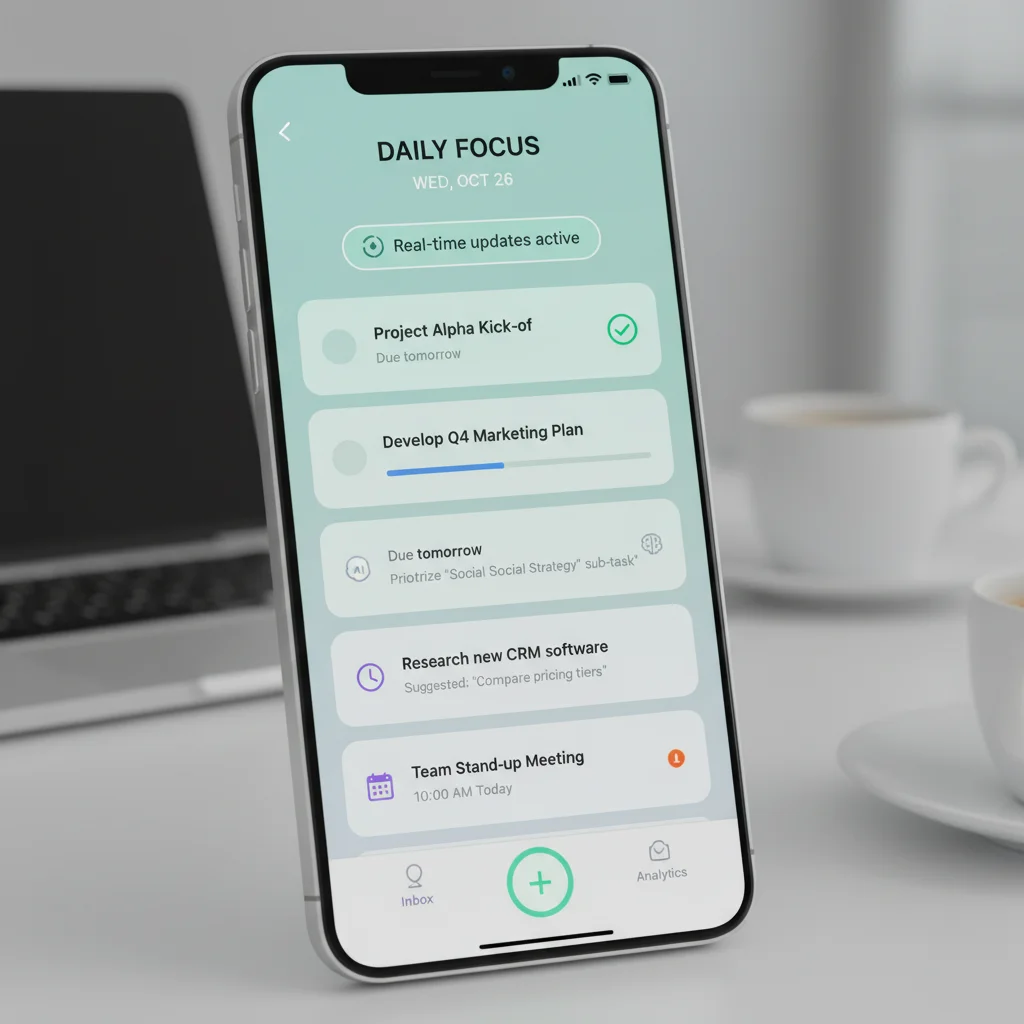
Furthermore, features like shared calendars, shared files, and integrated document management are transforming task management apps into comprehensive project workspaces. Instead of chasing down documents or scheduling separate meetings to discuss updates, teams can access all relevant information directly within the task interface. This centralizes project information, making it easily discoverable and accessible to all authorized team members, thereby enhancing efficiency and reducing the time spent searching for information.
Advanced notification systems, customizable alerts, and activity feeds ensure that team members are always aware of changes, comments, and task completions relevant to their work. This proactive communication minimizes delays and keeps projects moving forward smoothly. The emphasis on fostering transparent and efficient communication within the context of tasks is a key driver in reshaping US workflows for better collaborative outcomes.
Advanced Analytics and Reporting
Data-driven decision-making is paramount in today’s competitive business landscape. Modern task management applications are responding to this need by offering increasingly sophisticated analytics and reporting features. These tools provide unparalleled insights into individual and team productivity, project health, and resource utilization, enabling US businesses to identify areas for improvement and optimize their operations.
Beyond basic task completion rates, these analytics dashboards now offer granular data on time spent per task, project burn-down rates, team workload distribution, and even potential bottlenecks. Visual reports, such as Gantt charts, Kanban boards with progress indicators, and customizable dashboards, make it easy to digest complex data and identify trends. This level of visibility empowers managers to make informed decisions about resource allocation, project timelines, and performance management.
Predictive analytics, often powered by AI, is also emerging as a game-changer. These features can forecast project completion dates based on current progress and historical data, helping teams to anticipate potential delays and adjust their strategies proactively. For businesses operating on tight deadlines and complex interdependencies, this foresight is invaluable in maintaining project momentum and client satisfaction.
Customizable reporting allows users to generate reports tailored to specific needs, whether for executive summaries, team performance reviews, or client updates. This flexibility ensures that the right information is presented to the right stakeholders in an easily digestible format. The ability to export these reports for further analysis or integration with other business intelligence tools further enhances their utility.
Ultimately, advanced analytics and reporting transform task management apps from mere organizational tools into strategic assets. By providing deep insights into operational efficiency and project performance, they enable US businesses to continuously refine their workflows, optimize resource deployment, and achieve their strategic objectives with greater precision and confidence. The data derived from these systems becomes a powerful lever for continuous improvement.
Integration with Emerging Technologies: AR/VR and IoT
While still in nascent stages for mainstream task management, the integration of Augmented Reality (AR), Virtual Reality (VR), and the Internet of Things (IoT) holds immense potential for reshaping US workflows, particularly in specialized industries. These technologies promise to create more immersive, intelligent, and context-aware task management experiences.
Imagine field technicians using AR glasses to overlay task instructions directly onto equipment they are repairing, or factory workers receiving real-time task updates and safety alerts via IoT sensors integrated with their task management system. VR could facilitate immersive project planning meetings where teams interact with 3D models of their projects and assign tasks in a virtual environment. These applications move task management beyond the traditional screen, bringing it directly into the physical workspace and making it an integral part of operations.
For industries like manufacturing, logistics, healthcare, and construction, the synergy between task management apps and IoT devices can lead to unprecedented levels of efficiency and safety. IoT sensors can automatically trigger tasks based on real-world conditions (e.g., ‘temperature too high in server room’ triggers ‘investigate cooling system’ task), providing real-time data that informs task prioritization and execution. This proactive approach minimizes downtime and ensures operational continuity.
While widespread adoption may take time, leading task management platforms are already exploring APIs and SDKs that allow for custom integrations with these emerging technologies. Early adopters in the US are experimenting with these advanced integrations to gain a competitive edge, transforming how their teams interact with tasks and data in physical environments. This forward-looking perspective on task management positions these apps as central nervous systems for complex operational workflows.
User Experience and Accessibility
Amidst all the technological advancements, the importance of user experience (UX) and accessibility cannot be overstated. A powerful task management app is only effective if its users find it intuitive, engaging, and easy to adopt. Developers are increasingly focusing on creating highly customizable and user-friendly interfaces that cater to diverse working styles and accessibility needs.
Personalization is a key trend. Users can now often customize their dashboards, notification preferences, and even the visual layout of their tasks to match their individual preferences and work habits. This personal touch fosters greater user adoption and ensures that the tool truly serves the individual’s needs, rather than imposing a rigid structure. The ability to switch between different views (list, board, calendar, timeline) further enhances flexibility.
Mobile-first design principles are also paramount. With a significant portion of the US workforce operating remotely or on the go, robust and fully functional mobile applications are essential. These apps offer the same powerful features as their desktop counterparts, ensuring that users can manage tasks, collaborate with teams, and access critical information from anywhere, at any time. Offline capabilities are also improving, allowing work to continue even without an internet connection, with data syncing once connectivity is restored.

Accessibility features, such as keyboard navigation, screen reader compatibility, and adjustable font sizes/color contrasts, are becoming standard. This ensures that task management tools are inclusive and usable by individuals with varying abilities, promoting equitable participation in the workplace. Companies are recognizing that a truly effective tool is one that is accessible to all members of their team.
Furthermore, in-app tutorials, comprehensive knowledge bases, and responsive customer support are crucial for smooth onboarding and ongoing user satisfaction. The focus on a seamless and supportive user journey ensures that the advanced features of these apps are fully leveraged by the workforce, maximizing their impact on productivity and workflow efficiency. The emphasis on human-centered design ensures that technology serves the user, not the other way around.
Security and Data Privacy in Task Management
As task management apps become central repositories for critical business information, the issues of security and data privacy have risen to the forefront. For US businesses, compliance with data protection regulations and safeguarding sensitive information is non-negotiable. Leading task management providers are investing heavily in robust security measures to protect user data.
End-to-end encryption, multi-factor authentication (MFA), and granular access controls are becoming standard features. These measures ensure that data is secure both in transit and at rest, and that only authorized personnel can access specific information. Regular security audits and compliance certifications (e.g., SOC 2, ISO 27001) provide assurance to organizations that their data is handled with the utmost care and in accordance with industry best practices.
Data residency options are also becoming increasingly important, especially for US companies dealing with specific regulatory requirements or concerns about data sovereignty. Some providers now offer the ability to host data in specific geographic regions, providing an additional layer of control and compliance. This addresses concerns related to cross-border data transfers and local data protection laws.
Beyond technical security, features like audit logs and activity tracking provide transparency and accountability. Administrators can see who accessed what information, when, and what changes were made, which is crucial for compliance and incident response. The ability to set up data retention policies and secure data deletion protocols further enhances control over sensitive information, ensuring that data is managed responsibly throughout its lifecycle.
For businesses, choosing a task management solution with a strong emphasis on security and privacy is paramount. The peace of mind that comes from knowing sensitive project details and proprietary information are protected allows teams to focus on their work without concerns about data breaches or compliance violations. This focus on trust and reliability is foundational to the widespread adoption of these advanced platforms.
The Future Outlook: Personalized Productivity Ecosystems
Looking ahead to 2026 and beyond, the evolution of task management apps points towards the creation of highly personalized productivity ecosystems. These ecosystems will not only manage tasks but will also deeply integrate with every facet of an individual’s and team’s digital work life, learning and adapting to optimize performance autonomously.
We can anticipate even more sophisticated AI that understands not just what tasks need to be done, but also the cognitive load associated with them, suggesting breaks or alternative approaches to prevent burnout. The lines between task management, project management, communication, and knowledge management will continue to blur, leading to truly unified work platforms. These platforms will serve as intelligent command centers, providing a holistic view of all ongoing work and its associated context.
The role of voice commands and natural language processing will expand, allowing users to interact with their task management systems more intuitively, simply by speaking their intentions. This hands-free interaction will be particularly beneficial in dynamic work environments or for users with accessibility needs. Furthermore, the integration with biometric data (e.g., wearables tracking focus levels) could lead to hyper-personalized task scheduling and notification delivery.
The emphasis will shift from merely tracking tasks to actively enhancing human potential and well-being. Task management apps will become proactive partners in achieving goals, offering insights into personal productivity patterns, suggesting learning opportunities, and even facilitating mindfulness breaks. This holistic approach to productivity recognizes that optimal performance is not just about completing tasks, but also about maintaining mental and physical well-being.
In essence, the future of task management for US workflows is one of intelligent assistance, seamless integration, and profound personalization. These tools will not just help us manage our work; they will help us master it, fostering an era of unprecedented efficiency, collaboration, and innovation across industries.
Conclusion
The transformation of task management applications is fundamentally reshaping how US businesses operate. From the intelligent automation powered by AI and machine learning to the seamless collaborative features and insightful analytics, these new capabilities are driving unprecedented levels of efficiency, productivity, and strategic foresight. The integration with emerging technologies like AR/VR and IoT, coupled with a strong emphasis on user experience and robust security, positions these tools as indispensable assets for the modern workforce.
As we move towards 2026, the continued evolution of task management trends will undoubtedly lead to even more sophisticated and integrated solutions. Businesses that embrace these advancements will be better equipped to navigate the complexities of the global market, foster a highly engaged and productive workforce, and ultimately achieve their strategic objectives with greater agility and precision. The future of work in the US is intrinsically linked to the intelligent evolution of how we manage our tasks and orchestrate our workflows.