SIM Swapping in 2026: Protect Your Digital Identity from Theft
The Rise of SIM Swapping: A 2026 Guide to Protecting Your Number and Digital Identity from Theft
In an increasingly interconnected world, our mobile numbers have become the linchpin of our digital lives. From accessing banking apps to resetting passwords for social media, virtually every online service is tied to that unique string of digits. This pervasive reliance, while convenient, has inadvertently created a prime target for cybercriminals: SIM swapping. As we navigate 2026, the sophistication of these attacks continues to evolve, making comprehensive SIM swapping protection more critical than ever before. This guide will delve into the mechanics of SIM swapping, explore its devastating consequences, and, most importantly, equip you with the knowledge and tools to safeguard your digital identity.
Understanding the Threat: What is SIM Swapping?
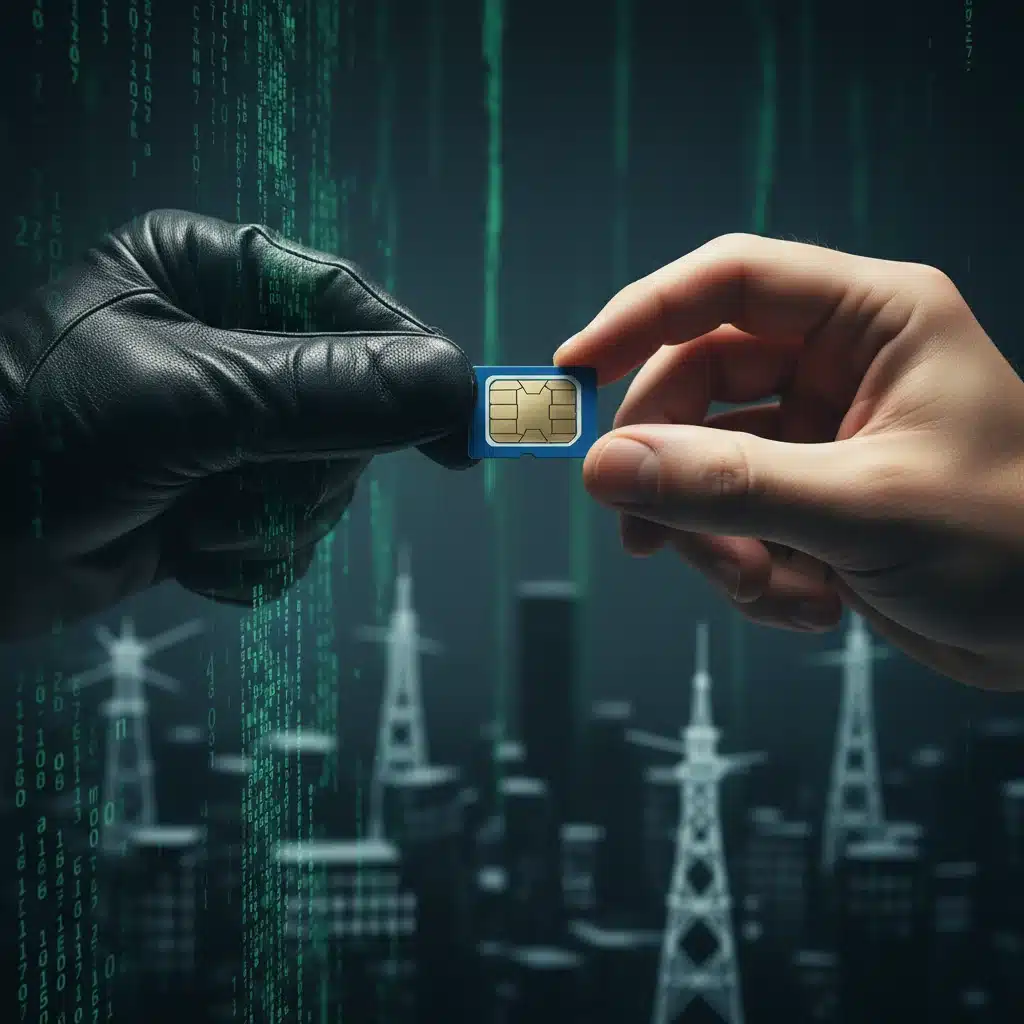
SIM swapping, also known as SIM card hijacking or SIM porting fraud, is a malicious technique where an attacker gains control of your mobile phone number. They achieve this by tricking your mobile carrier into transferring your phone number to a SIM card that they control. Once the transfer is complete, all calls, texts, and data intended for your number are redirected to the attacker’s device. This seemingly simple act has profound implications, as it unlocks a cascade of vulnerabilities across your entire digital footprint.
The primary goal of a SIM swap attack is typically financial gain or identity theft. With access to your phone number, attackers can bypass crucial security measures like two-factor authentication (2FA) via SMS, which many services still rely on. This allows them to reset passwords for email accounts, banking apps, cryptocurrency wallets, and social media platforms, effectively taking over your digital life.
The Mechanics of a SIM Swap Attack in 2026
While the core concept remains the same, the methods employed by attackers have become more refined. Here’s a breakdown of how a typical SIM swap attack unfolds:
- Information Gathering (Social Engineering): Attackers don’t just randomly target individuals. They often spend time gathering personal information about their victim. This can come from data breaches, phishing scams, social media profiles, or even publicly available records. They look for details like your full name, address, date of birth, account numbers, and even answers to security questions. This initial phase is crucial for building a convincing facade.
- Impersonation: Armed with this information, the attacker contacts your mobile carrier, pretending to be you. They might call customer service, visit a retail store, or even use online chat support. Their goal is to convince the carrier representative that they have lost their phone, it’s been stolen, or they need to upgrade their SIM card.
- The Deception: The attacker provides the stolen personal information to verify their identity. A common tactic is to claim their existing SIM is damaged or lost, necessitating a new one. If the carrier’s security protocols are not robust enough, or if the representative is not adequately trained, they might fall for the deception.
- SIM Transfer: If successful, the carrier deactivates your legitimate SIM card and activates a new SIM card (controlled by the attacker) with your phone number. At this point, your phone loses service, and the attacker gains full control of your number.
- Digital Account Takeover: With your phone number in hand, the attacker immediately begins targeting your online accounts. They use the ‘forgot password’ or ‘account recovery’ options, receiving the SMS-based verification codes or links directly to their device. This grants them access to your email, banking, cryptocurrency, and other sensitive accounts.
It’s important to note that attackers often move very quickly once they have control of your number, as victims usually realize something is wrong when their phone suddenly loses service. The window of opportunity for them to wreak havoc is often just a few hours.
The Devastating Impact of SIM Swapping
The consequences of a successful SIM swap attack can be catastrophic, extending far beyond the inconvenience of losing phone service. Understanding these impacts is key to appreciating the importance of robust SIM swapping protection.
Financial Ruin
- Bank Account Draining: Attackers can initiate fraudulent transactions, transfer funds, or even apply for loans in your name once they access your banking apps.
- Cryptocurrency Theft: For those involved in cryptocurrencies, SIM swapping is a particularly lucrative target. Many crypto exchanges rely heavily on SMS 2FA for withdrawals and account access. Attackers can quickly drain entire digital wallets.
- Credit Card Fraud: They can gain access to stored credit card information in online shopping accounts or use your identity to open new lines of credit.
Identity Theft and Reputation Damage
- Email Account Compromise: Your email is often the central hub for your digital life. Access to it can provide attackers with a treasure trove of personal information, allowing them to further impersonate you.
- Social Media Hijacking: Attackers can post malicious content, spread misinformation, or scam your contacts, severely damaging your reputation.
- Access to Personal Data: Cloud storage, online photo albums, and other personal data linked to your phone number can be accessed and exploited.
- Legal and Emotional Distress: Dealing with the aftermath of identity theft can be a long, arduous, and emotionally draining process, often involving legal battles and significant stress.
Disruption of Essential Services
Beyond financial and identity theft, a SIM swap can disrupt critical services. Imagine losing access to your work accounts, medical portals, or communication channels at a crucial time. The ripple effect can be extensive, affecting both personal and professional spheres.
Essential Strategies for SIM Swapping Protection in 2026
While the threat is real, there are numerous proactive steps you can take to significantly bolster your defenses against SIM swapping. Implementing these strategies is not just about convenience; it’s about safeguarding your entire digital existence.
1. Strengthen Your Mobile Carrier Account Security
This is your first and most critical line of defense. Since the attack vector is your mobile carrier, securing your account with them is paramount.
- Set Up a Strong PIN or Password for Your Account: Contact your carrier and request to set up a unique PIN, password, or even a verbal passphrase that must be provided before any changes can be made to your account. This should be distinct from any other passwords you use. Make it complex, not easily guessable, and avoid using personal information.
- Enable Account Lock/Port Protection: Many carriers offer specific features to prevent unauthorized SIM changes or number porting. Ask your carrier about ‘port protection,’ ‘account lock,’ or similar services that add an extra layer of verification.
- Limit Account Information Available Online: Review your carrier account settings and limit what personal information is publicly accessible or easily retrievable.
- Be Wary of Social Engineering: Your carrier will never ask for your full password or PIN over the phone or via email. Be suspicious of anyone claiming to be from your carrier asking for sensitive information.
2. Ditch SMS-Based Two-Factor Authentication (2FA) Where Possible
SMS 2FA is the Achilles’ heel of many online security setups when it comes to SIM swapping. While better than no 2FA, it’s highly vulnerable. Prioritize stronger alternatives:
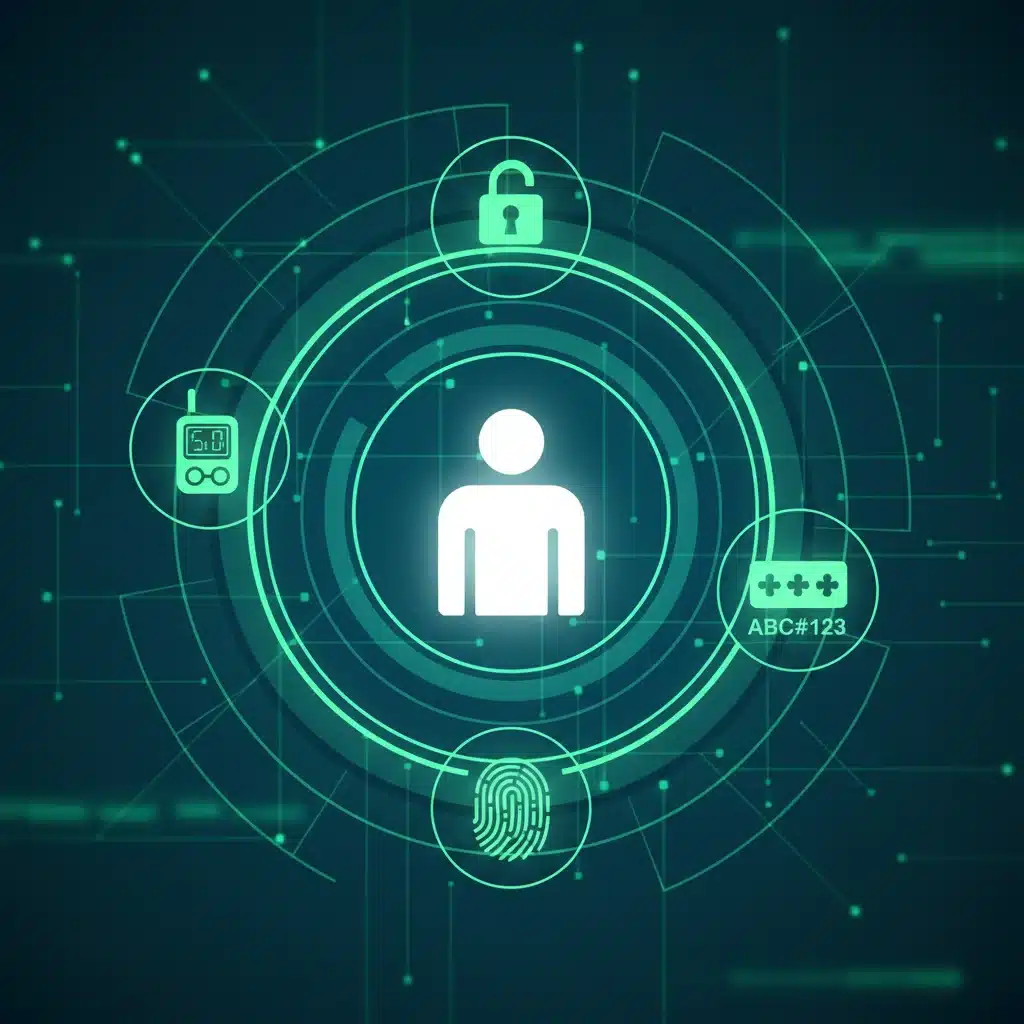
- Authenticator Apps (TOTP): Apps like Google Authenticator, Authy, or Microsoft Authenticator generate time-based one-time passwords (TOTP) directly on your device. These codes are not sent over SMS and are therefore immune to SIM swap attacks. This is a significant upgrade in SIM swapping protection.
- Physical Security Keys (FIDO/U2F): For the highest level of security, consider using physical security keys like YubiKey or Google Titan. These devices plug into your computer or connect wirelessly and provide a cryptographic verification that is virtually unphishable and immune to SIM swaps.
- Biometric Authentication: Where available and secure, use fingerprint or facial recognition for device and app access, but ensure these are backed by strong passwords, not just SMS.
3. Practice Excellent Digital Hygiene
Many SIM swap attacks begin with attackers gathering personal information. Minimizing your digital footprint and practicing smart online habits can significantly reduce your risk.
- Strong, Unique Passwords: Use a password manager to create and store complex, unique passwords for every online account. Never reuse passwords.
- Be Skeptical of Phishing Attempts: Always verify the sender of emails and messages before clicking on links or providing information. Phishing is a primary method for gathering the data needed for a SIM swap.
- Limit Public Sharing of Personal Information: Be mindful of what you share on social media. Avoid posting your full date of birth, home address, or other sensitive details that could be used to impersonate you.
- Regularly Monitor Your Accounts: Keep a close eye on your bank statements, credit reports, and online account activity for any unusual transactions or login attempts.
- Use a Burner Phone Number for Less Critical Services: Consider using a secondary, prepaid phone number for services that don’t require your primary number, further isolating your main digital identity.
4. Be Proactive with Your Mobile Carrier
Don’t wait for an incident to occur. Take these steps now:
- Contact Your Carrier Directly: Call their dedicated fraud department and discuss your concerns about SIM swapping. Ask what specific measures they have in place to protect your account.
- Understand Their Protocols: Inquire about their identity verification process for SIM changes and account transfers. The more stringent, the better for your SIM swapping protection.
- Report Suspicious Activity Immediately: If you lose service unexpectedly or receive unusual notifications from your carrier, contact them immediately through an alternative line or landline.
5. Secure Your Email Account
Your primary email account is often the gateway to many other services. If an attacker gains access to it, they can initiate password resets across the board. Ensure it’s heavily protected:
- Use a Strong, Unique Password: As mentioned, this is foundational.
- Enable the Strongest 2FA Available: For your email, prioritize authenticator apps or security keys over SMS 2FA.
- Regularly Review Login Activity: Most email providers offer a way to view recent login locations and devices. Monitor this for anything suspicious.
What to Do If You’re a Victim of SIM Swapping
Even with the best SIM swapping protection measures, sophisticated attacks can sometimes succeed. Knowing how to react quickly can mitigate the damage.
- Contact Your Mobile Carrier Immediately: As soon as you lose service or suspect a SIM swap, call your carrier’s fraud department from a different phone. Explain the situation and request them to freeze your account and revert the SIM change.
- Change All Critical Passwords: From another device, immediately change passwords for your email, banking, cryptocurrency exchanges, and any other sensitive accounts. Prioritize those linked to financial assets.
- Notify Your Bank and Financial Institutions: Inform your bank, credit card companies, and any investment platforms about the potential fraud. They can monitor your accounts for suspicious activity and block unauthorized transactions.
- Freeze Your Credit: Contact the major credit bureaus (Experian, Equifax, TransUnion) to place a credit freeze on your file. This prevents attackers from opening new lines of credit in your name.
- Report to Authorities: File a report with local law enforcement and the appropriate cybersecurity agencies (e.g., the FBI’s Internet Crime Complaint Center – IC3 in the US).
- Inform Family and Friends: Let your close contacts know that your number may have been compromised to prevent them from falling victim to scams perpetrated by the attacker impersonating you.
- Document Everything: Keep a detailed log of all communications, transactions, and actions taken during the recovery process. This will be invaluable for investigations and recovery.
The Future of SIM Swapping and Evolving Defenses
As we look beyond 2026, the cat-and-mouse game between cybercriminals and security professionals will continue. Mobile carriers are investing heavily in AI-powered fraud detection systems that can identify unusual activity patterns indicative of a SIM swap. Biometric verification at the carrier level, such as voice recognition or facial scans for account changes, is also becoming more prevalent.
Furthermore, the push towards passwordless authentication and stronger, hardware-backed security is gaining momentum. The widespread adoption of FIDO Alliance standards, which offer phishing-resistant login experiences, will significantly reduce the attack surface for SIM swappers. However, user education and vigilance will always remain a cornerstone of effective SIM swapping protection.
Conclusion: Your Proactive Role in Digital Security
SIM swapping is a potent and evolving threat that can dismantle your digital life in moments. However, by understanding its mechanisms and proactively implementing robust security measures, you can significantly reduce your vulnerability. Strengthening your mobile carrier account, migrating away from SMS 2FA, practicing impeccable digital hygiene, and knowing how to react swiftly in case of an attack are your best defenses.
In 2026 and beyond, your mobile number is more than just a way to make calls; it’s a key to your entire digital identity. Treating it with the respect and security it deserves is not optional; it’s essential for navigating the modern digital landscape safely. Stay informed, stay vigilant, and take control of your SIM swapping protection.