Predictive Analytics in US Healthcare: AI’s Role in Optimizing Patient Outcomes by 10% in 2026

Predictive Analytics in US Healthcare: AI’s Role in Optimizing Patient Outcomes by 10% in 2026
The landscape of US healthcare is undergoing a profound transformation, driven by technological advancements that promise not just incremental improvements, but a fundamental shift in how patient care is delivered. At the forefront of this revolution is the integration of artificial intelligence (AI) and, more specifically, predictive analytics healthcare. This powerful combination is poised to revolutionize diagnostics, treatment, and operational efficiency, with a bold projection: optimizing patient outcomes by a remarkable 10% by 2026. This isn’t merely an optimistic forecast; it’s a strategic goal backed by substantial investment, groundbreaking research, and a growing understanding of data’s potential to unlock new frontiers in medicine.
For decades, healthcare decisions have largely been reactive, based on current symptoms and historical data. While effective to a degree, this approach often misses critical opportunities for early intervention and personalized care. Enter predictive analytics healthcare, a discipline that leverages statistical algorithms and machine learning techniques to identify patterns and predict future outcomes based on vast datasets. When applied to healthcare, this means anticipating disease outbreaks, identifying at-risk patients before symptoms manifest, personalizing treatment regimens, and even optimizing hospital resource allocation. The implications are enormous, promising a future where healthcare is proactive, precise, and profoundly more effective.
Understanding the Core of Predictive Analytics in Healthcare
At its heart, predictive analytics healthcare is about foresight. It’s about moving beyond simply understanding what has happened to anticipating what will happen. This capability is built upon several key pillars:
- Data Collection and Integration: Modern healthcare generates an unprecedented amount of data – from electronic health records (EHRs) and genomic sequencing to wearable device data and social determinants of health. Predictive analytics thrives on this rich, diverse data, but its effectiveness hinges on the ability to collect, integrate, and standardize it across disparate systems.
- Machine Learning Algorithms: These are the engines of predictive analytics. Algorithms like regression models, decision trees, neural networks, and deep learning are trained on historical data to identify complex relationships and patterns that are imperceptible to the human eye. The more data they are fed, the more accurate their predictions become.
- Statistical Modeling: Beyond just pattern recognition, statistical models provide the mathematical framework to quantify risk, assess probabilities, and understand the significance of various factors influencing patient outcomes.
- Computational Power: Processing massive datasets and running complex algorithms requires significant computational resources, which have become increasingly accessible through cloud computing and advanced hardware.
The synergy of these components allows healthcare providers to shift from a reactive to a proactive model. Instead of waiting for a patient to present with advanced symptoms, predictive analytics healthcare can flag individuals at high risk for certain conditions, enabling timely interventions that can dramatically alter their health trajectory.
Early Detection and Disease Prevention: A Game Changer
One of the most impactful applications of predictive analytics healthcare lies in its ability to facilitate early detection and disease prevention. Consider chronic diseases like diabetes, heart disease, or certain cancers. These conditions often develop over time, presenting subtle indicators long before overt symptoms appear. AI-powered predictive models can analyze a patient’s entire health history, including genetic predispositions, lifestyle factors, environmental exposures, and even social determinants of health, to calculate their risk profile.
Identifying At-Risk Populations
For instance, a predictive model might identify a patient with a family history of heart disease, elevated cholesterol levels, a sedentary lifestyle, and residing in an area with limited access to healthy food options as being at a significantly higher risk for cardiovascular events. This insight allows clinicians to intervene early with lifestyle modifications, targeted screenings, and preventative medications, potentially averting a crisis years down the line. Such proactive measures are not only beneficial for the patient’s long-term health but also contribute to significant cost savings for the healthcare system by reducing the need for expensive emergency treatments and hospitalizations.
Predicting Disease Outbreaks
Beyond individual patient care, predictive analytics healthcare can also be used at a population level to anticipate and manage disease outbreaks. By analyzing data from public health surveillance, social media trends, environmental factors, and even weather patterns, AI models can forecast the spread of infectious diseases, allowing public health officials to deploy resources strategically, initiate vaccination campaigns, and implement containment measures before an epidemic takes hold. This capability became acutely relevant during recent global health crises, highlighting the immense potential for AI in safeguarding public health.
Personalized Treatment Plans: The Era of Precision Medicine
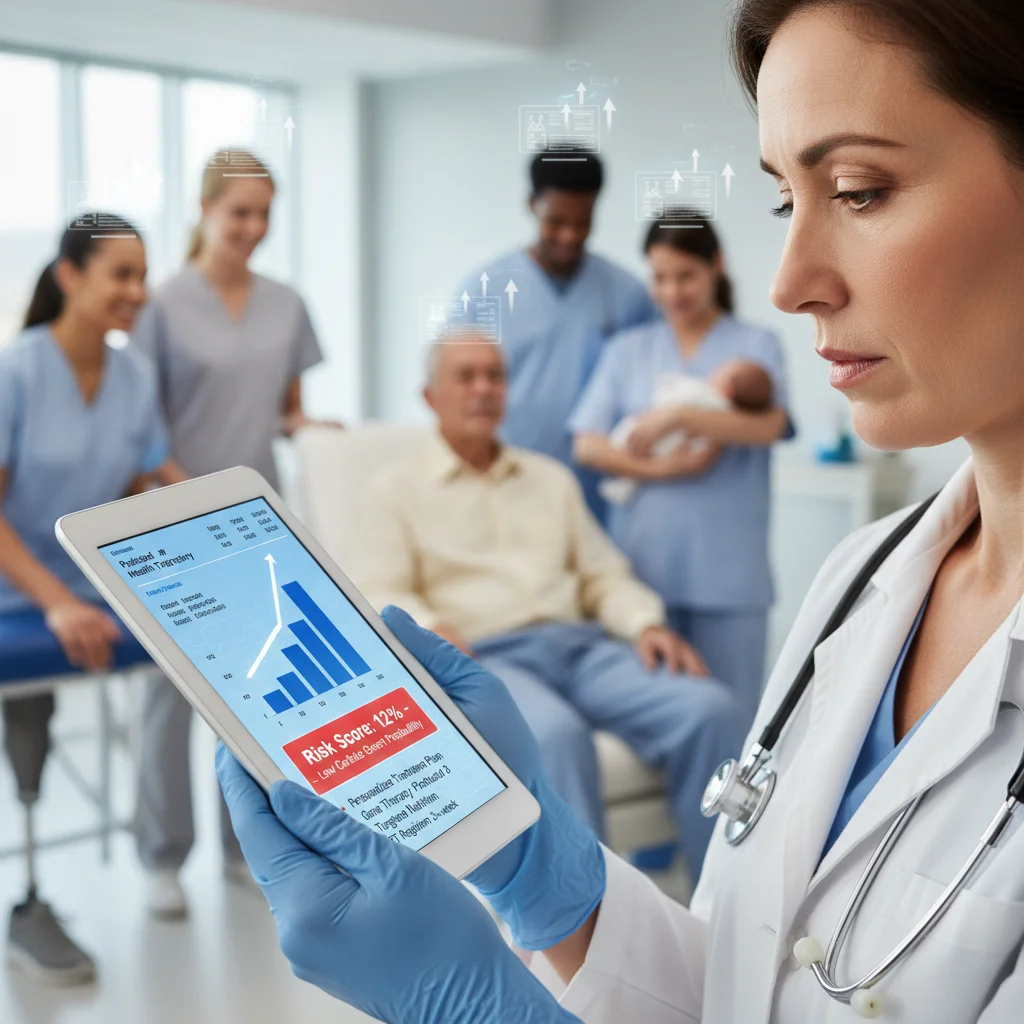
The concept of ‘one-size-fits-all’ medicine is rapidly becoming obsolete. Predictive analytics healthcare is a cornerstone of precision medicine, tailoring treatments to the individual characteristics of each patient. This personalization goes beyond simply adjusting dosages; it involves understanding how a patient’s unique genetic makeup, molecular profile, lifestyle, and even their microbiome will influence their response to various therapies.
Optimizing Drug Selection and Dosage
For patients facing complex conditions like cancer, predictive models can analyze tumor genomics, patient-specific biomarkers, and historical treatment outcomes to recommend the most effective chemotherapy regimen or targeted therapy. This not only increases the likelihood of successful treatment but also minimizes the risk of adverse drug reactions and reduces the time spent on ineffective therapies. Similarly, in psychiatry, predictive analytics can help identify which antidepressant or anxiolytic medication is most likely to be effective for a particular patient, based on their genetic profile and symptom presentation, thereby reducing the trial-and-error often associated with mental health treatment.
Tailoring Lifestyle Interventions
Personalization extends to lifestyle interventions as well. For example, individuals with pre-diabetes can receive highly customized dietary and exercise recommendations based on their metabolic profile, activity levels, and behavioral patterns. AI-powered apps and digital health platforms can deliver these personalized plans, track progress, and provide real-time feedback, empowering patients to take a more active role in managing their health.
Operational Efficiency and Resource Optimization
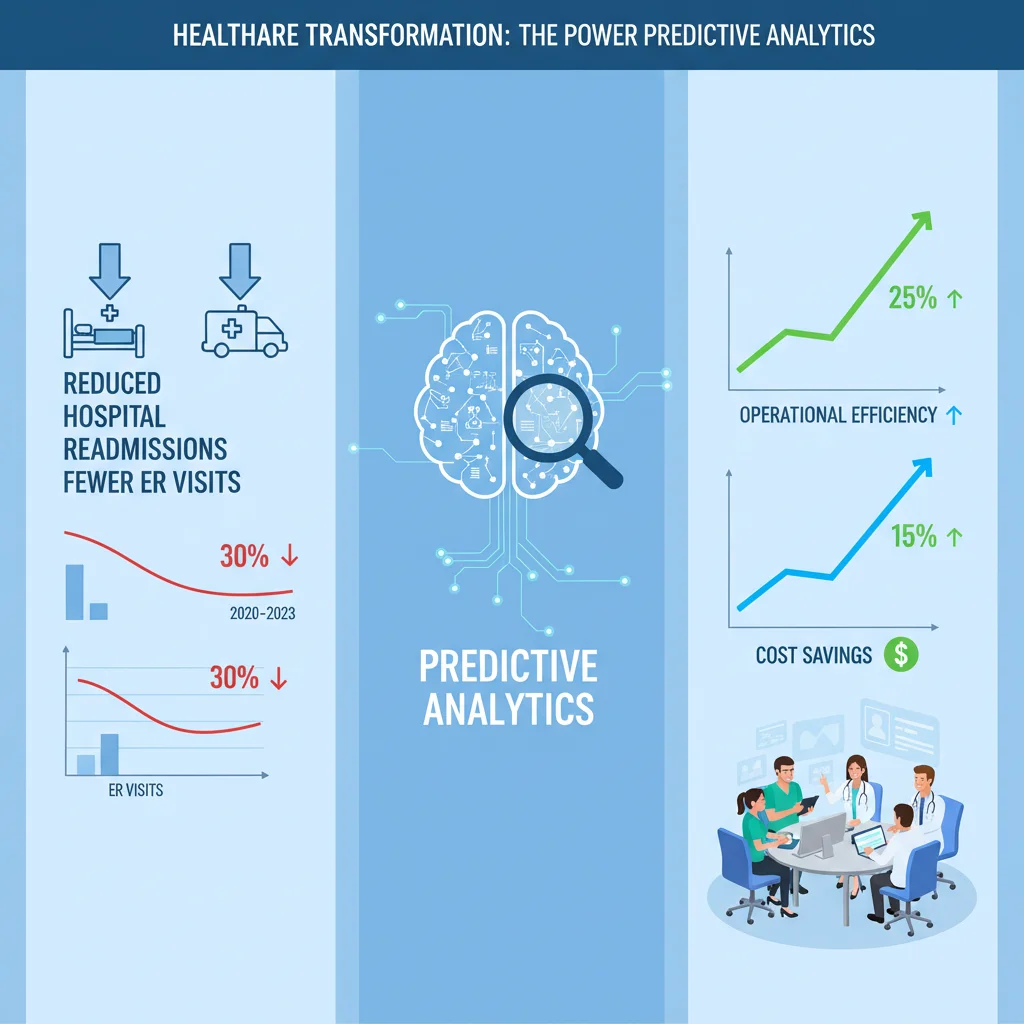
Beyond direct patient care, predictive analytics healthcare is also transforming the operational backbone of healthcare systems. Hospitals and clinics are complex organizations that face constant challenges in managing resources, staffing, and patient flow. Inefficiencies in these areas can lead to increased costs, longer wait times, and ultimately, compromised patient care.
Forecasting Patient Flow and Demand
Predictive models can analyze historical admission rates, seasonal trends, and even external factors like weather events to forecast patient demand for specific services or departments. This allows hospitals to optimize staffing levels, allocate beds more efficiently, and manage surgical schedules to reduce bottlenecks and improve throughput. For instance, anticipating a surge in flu cases can enable a hospital to proactively increase staffing in emergency departments and stock up on necessary medications, rather than reacting to an overwhelmed system.
Reducing Hospital Readmissions
Hospital readmissions are a significant financial burden on the US healthcare system and often indicate suboptimal care transitions. Predictive analytics healthcare can identify patients at high risk of readmission based on factors like their medical history, socioeconomic status, and post-discharge support. With this insight, healthcare providers can implement targeted interventions, such as enhanced follow-up care, home health visits, or closer monitoring, to prevent unnecessary readmissions and improve long-term patient recovery. This not only saves costs but also significantly enhances patient safety and satisfaction.
Optimizing Supply Chain and Inventory Management
Healthcare organizations manage vast inventories of medications, medical devices, and supplies. Predictive analytics can forecast demand for these items, minimizing waste due to overstocking and preventing shortages that could disrupt patient care. By analyzing purchasing patterns, supplier lead times, and anticipated patient volumes, AI can ensure that critical resources are available when and where they are needed, streamlining operations and reducing administrative overhead.
Challenges and Ethical Considerations in Deploying Predictive Analytics Healthcare
While the promise of predictive analytics healthcare is immense, its widespread adoption is not without challenges. Several key areas require careful consideration and robust solutions.
Data Privacy and Security
The use of sensitive patient data for predictive modeling raises significant concerns about privacy and security. Healthcare organizations must adhere to stringent regulations like HIPAA in the US, ensuring that patient information is protected from unauthorized access, breaches, and misuse. Implementing robust encryption, de-identification techniques, and secure data storage solutions is paramount.
Data Quality and Interoperability
The accuracy of predictive models is directly dependent on the quality and completeness of the data they are trained on. In the US healthcare system, data often resides in fragmented systems, leading to issues with interoperability, inconsistencies, and missing information. Establishing common data standards and robust data governance frameworks is crucial for unlocking the full potential of predictive analytics.
Algorithmic Bias and Fairness
AI models are only as unbiased as the data they learn from. If historical healthcare data contains inherent biases (e.g., underrepresentation of certain demographic groups in clinical trials or disparities in access to care), predictive algorithms can perpetuate and even amplify these biases, leading to unfair or inaccurate predictions for specific patient populations. Addressing algorithmic bias requires careful data curation, rigorous testing, and the development of fair and transparent AI models.
Physician Acceptance and Training
For predictive analytics healthcare to be truly effective, clinicians must trust and adopt these tools. This requires not only demonstrating the tangible benefits but also providing adequate training and support to integrate AI insights into clinical workflows seamlessly. It’s crucial to position AI as an assistive tool that augments human expertise, rather than replacing it.
The Path Forward: Achieving the 10% Optimization Goal by 2026
Achieving a 10% optimization in patient outcomes by 2026 through predictive analytics healthcare is an ambitious yet attainable goal. It will require a concerted effort from all stakeholders within the healthcare ecosystem:
- Continued Investment in Research and Development: Further innovation in AI algorithms, data processing techniques, and integration platforms is essential.
- Robust Data Infrastructure: Developing secure, interoperable, and high-quality data ecosystems will be foundational.
- Ethical AI Frameworks: Establishing clear ethical guidelines, regulatory oversight, and mechanisms for accountability to ensure fairness, transparency, and privacy.
- Collaboration Across Sectors: Partnerships between healthcare providers, technology companies, academic institutions, and government agencies will accelerate adoption and innovation.
- Workforce Development: Training healthcare professionals in data literacy and AI applications, while also fostering a new generation of data scientists and AI specialists in healthcare.
The journey towards a more intelligent and proactive healthcare system is well underway. The ability of predictive analytics healthcare to identify risks, personalize treatments, and optimize operations is not just theoretical; it’s being demonstrated in pilot programs and early implementations across the US. As these technologies mature and become more integrated, their impact on patient lives will be profound, leading to a future where healthcare is not just about treating illness, but actively promoting well-being and preventing disease.
Real-World Impact and Future Outlook
The real-world impact of predictive analytics healthcare is already becoming evident. Hospitals are using AI to predict sepsis onset hours before clinical deterioration, enabling earlier intervention and significantly improving survival rates. Health systems are leveraging predictive models to manage chronic disease populations more effectively, reducing complications and improving quality of life. Pharmaceutical companies are accelerating drug discovery and development by using AI to identify potential drug candidates and predict their efficacy and safety profiles.
Looking ahead to 2026 and beyond, the integration of predictive analytics healthcare will only deepen. We can anticipate even more sophisticated models that incorporate real-time biometric data from continuous monitoring devices, advanced genomic insights, and a more comprehensive understanding of social determinants of health. The focus will shift even further towards preventative care, with AI acting as a constant, vigilant guardian of health, identifying subtle shifts that indicate potential problems and guiding individuals and clinicians towards optimal health pathways.
Moreover, the democratization of AI tools will empower smaller clinics and rural healthcare providers to leverage these advanced capabilities, helping to bridge existing disparities in healthcare access and quality. The vision of optimizing patient outcomes by 10% is not just a statistical target; it represents countless lives improved, diseases averted, and a healthcare system that is more resilient, efficient, and fundamentally human-centered. The era of proactive, intelligent healthcare powered by predictive analytics healthcare is not a distant dream; it is our unfolding reality.