Mobile App Vulnerabilities: Safeguarding Your Digital Life in 2026
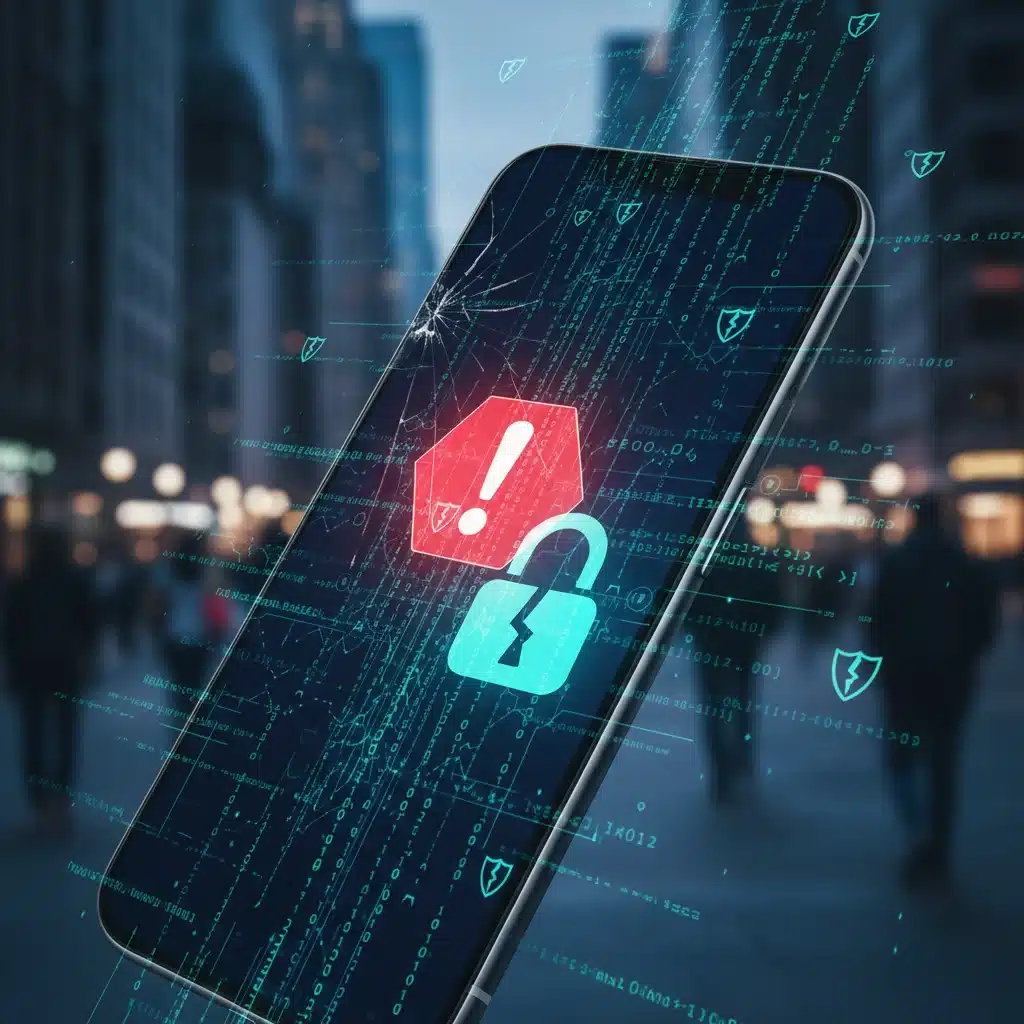
In an increasingly interconnected world, mobile applications have become an indispensable part of our daily lives. From managing finances and communicating with loved ones to ordering food and navigating cities, these apps offer unparalleled convenience. However, this convenience comes with an inherent risk: mobile app vulnerabilities. As technology advances, so do the tactics of cybercriminals, making it crucial for users and developers alike to stay vigilant. Early 2026 has already seen a significant uptick in discovered security flaws, with seven new critical mobile app vulnerabilities identified across the United States. Understanding these threats is the first step towards safeguarding your digital footprint.
The landscape of mobile security is constantly evolving. What was considered secure yesterday might be a gaping hole today. The rapid development cycles of mobile applications, coupled with the immense pressure to deliver new features, sometimes lead to overlooked security considerations. This article delves deep into the recently discovered mobile app vulnerabilities, providing a comprehensive overview of what they are, how they can be exploited, and, most importantly, what measures you can take to protect yourself. Our goal is to empower you with the knowledge needed to navigate the digital world safely and securely.
The Evolving Threat Landscape of Mobile App Vulnerabilities
The ubiquity of smartphones and tablets means that mobile applications are prime targets for cyberattacks. Unlike traditional desktop software, mobile apps often interact with sensitive device hardware, personal data, and cloud services, creating a complex attack surface. The sheer volume of data processed and stored by these applications makes them attractive to malicious actors seeking to exploit any weakness. The seven new mobile app vulnerabilities discovered in early 2026 highlight this ongoing challenge and underscore the need for continuous vigilance.
These vulnerabilities are not isolated incidents but rather symptomatic of broader trends in software development and cybersecurity. The rush to market, the reliance on third-party libraries, and insufficient security testing are common contributors to these flaws. Furthermore, the diverse ecosystem of mobile operating systems (iOS and Android), device manufacturers, and app stores adds layers of complexity to security efforts. Each platform has its unique security mechanisms and potential weaknesses, requiring a multi-faceted approach to protection. Understanding these underlying factors is key to appreciating the gravity of the current situation and the importance of proactive security measures against mobile app vulnerabilities.
Deep Dive into the 7 New Mobile App Vulnerabilities Discovered in Early 2026
The recent findings from cybersecurity researchers in the U.S. have sent ripples through the tech community. Seven distinct mobile app vulnerabilities have been identified, each posing a unique threat to user data and device integrity. While the specific applications affected are often under embargo until patches are widely deployed, the types of vulnerabilities can be broadly categorized, offering insights into their potential impact.
1. Insecure Data Storage: This is a classic vulnerability that continues to plague mobile applications. Many apps store sensitive user data (e.g., login credentials, financial information, personal identifiable information) in insecure locations on the device or in cloud storage without proper encryption. An attacker gaining access to the device or the cloud service could easily retrieve this data. The new discoveries indicate that some popular applications are still failing to implement robust encryption protocols for sensitive data at rest and in transit.
2. Improper Session Handling: Mobile applications often rely on session tokens to authenticate users. If these tokens are not properly managed, they can be stolen or hijacked. This allows an attacker to impersonate a legitimate user and gain unauthorized access to their account. The vulnerabilities identified in 2026 show flaws in how some apps invalidate sessions after logout or manage session timeouts, leaving users exposed to session hijacking attacks.
3. Weak Authentication Mechanisms: Many apps offer various authentication methods, but not all are created equal. Weak or easily bypassable authentication mechanisms, such as predictable PINs, easily guessable passwords, or flawed biometric implementations, leave accounts vulnerable. The recent discoveries include instances where multi-factor authentication (MFA) was either optional, poorly implemented, or entirely absent, making it easier for attackers to compromise accounts.
4. Insufficient Cryptography: While many developers understand the need for encryption, the implementation can often be flawed. Using outdated encryption algorithms, improper key management, or incorrect application of cryptographic protocols can render encryption ineffective. Several of the newly found mobile app vulnerabilities stem from applications using weak cryptographic practices, making encrypted data susceptible to decryption by determined attackers.
5. Client-Side Injection Flaws: Similar to web applications, mobile apps can be vulnerable to client-side injection attacks if user input is not properly sanitized. This can include SQL injection, JavaScript injection (XSS), or command injection. While direct impact on the server might be limited, client-side injection can lead to data theft, unauthorized actions on the user’s device, or even remote code execution in some severe cases. The 2026 discoveries include vulnerabilities where malicious input could manipulate the app’s behavior or expose sensitive client-side data.
6. Broken Access Control: This vulnerability occurs when an application does not properly enforce restrictions on what authenticated users are allowed to do. For example, a regular user might be able to access administrative functions or view data belonging to other users. The recently identified flaws include cases where privilege escalation was possible, allowing low-privileged users to gain higher access rights within certain applications, potentially leading to widespread data breaches.
7. Third-Party Library and API Insecurity: Modern mobile applications heavily rely on third-party libraries, SDKs, and APIs to provide functionality. While this speeds up development, it also introduces a potential attack surface. If a third-party component has a vulnerability, it can compromise the entire application. The 2026 findings highlight several instances where vulnerabilities within commonly used third-party components were exploited, affecting a wide range of applications that integrated them. This underscores the importance of vetting and regularly updating all external dependencies to mitigate risks associated with mobile app vulnerabilities.
The Impact of Mobile App Vulnerabilities on Users and Businesses
The implications of these mobile app vulnerabilities are far-reaching, affecting both individual users and the businesses that develop and deploy these applications. For users, the primary concerns revolve around data privacy and financial security. A compromised app can lead to:
- Identity Theft: Personal data like names, addresses, social security numbers, and even biometric data can be stolen, leading to identity fraud.
- Financial Loss: Banking apps, payment gateways, and e-commerce platforms are prime targets. Vulnerabilities can lead to unauthorized transactions, credit card fraud, and direct financial theft.
- Privacy Breaches: Access to messages, photos, location data, and other sensitive information can be exposed, leading to significant privacy violations and potential blackmail.
- Device Compromise: In severe cases, vulnerabilities can allow attackers to gain control over the user’s device, installing malware, monitoring activities, or using the device for further attacks.
For businesses, the consequences can be equally devastating:
- Reputational Damage: A security breach can severely damage a company’s reputation, eroding user trust and leading to a significant loss of customers.
- Financial Penalties: Regulatory bodies impose hefty fines for data breaches, especially when sensitive user data is involved. Compliance with regulations like GDPR and CCPA is paramount.
- Legal Liabilities: Businesses can face lawsuits from affected users and other stakeholders, leading to substantial legal costs and settlements.
- Operational Disruptions: Investigating and remediating vulnerabilities can be a time-consuming and resource-intensive process, disrupting normal business operations.
- Loss of Intellectual Property: For proprietary applications, vulnerabilities can expose trade secrets, algorithms, or other valuable intellectual property to competitors.
Understanding these potential impacts emphasizes the critical need to address mobile app vulnerabilities proactively and comprehensively.
Protecting Yourself: Practical Steps for Mobile Users
While developers bear the primary responsibility for creating secure applications, users also play a crucial role in protecting themselves from mobile app vulnerabilities. Here are actionable steps you can take:
1. Keep Your Apps and OS Updated: This is perhaps the most fundamental and effective step. Developers regularly release updates that include security patches for discovered vulnerabilities. Enable automatic updates for your apps and operating system (iOS or Android) to ensure you always have the latest protections. Do not ignore update notifications.
2. Download Apps from Official Stores Only: Stick to the Apple App Store and Google Play Store. These platforms have security checks in place, significantly reducing the risk of downloading malicious or compromised applications. Avoid third-party app stores or direct downloads from untrusted websites, as these often host pirated or malware-laden apps.
3. Review App Permissions Carefully: Before installing an app, and periodically thereafter, review the permissions it requests. Does a flashlight app really need access to your contacts or microphone? Grant only the necessary permissions. Be suspicious of apps requesting excessive or irrelevant permissions, as this could be a red flag for potential data exploitation. You can manage app permissions in your device settings.
4. Use Strong, Unique Passwords and Enable Multi-Factor Authentication (MFA): For every app that handles sensitive data, use a strong, unique password. Consider a password manager to help you create and store complex passwords. Whenever possible, enable multi-factor authentication (MFA) or two-factor authentication (2FA). This adds an extra layer of security, making it much harder for attackers to access your accounts even if they have your password.
5. Be Wary of Public Wi-Fi: Public Wi-Fi networks are often unsecured and can be easily intercepted by attackers. Avoid conducting sensitive transactions (banking, shopping, logging into critical accounts) while connected to public Wi-Fi. If you must use public Wi-Fi, consider using a Virtual Private Network (VPN) to encrypt your traffic.
6. Install a Reputable Mobile Security Solution: A good mobile antivirus or security app can help detect and block malware, scan for suspicious app behavior, and warn you about potential threats. While not a silver bullet, it adds an important layer of defense against emerging mobile app vulnerabilities.
Best Practices for Developers: Mitigating Mobile App Vulnerabilities
For developers, addressing mobile app vulnerabilities requires a proactive and integrated approach throughout the entire software development lifecycle. Security should not be an afterthought but a core consideration from design to deployment and maintenance. Here are key best practices:
1. Secure by Design: Integrate security considerations from the very beginning of the app development process. Conduct threat modeling to identify potential attack vectors and design security controls to mitigate them. This includes secure architecture, data flow, and user interaction design.
2. Implement Secure Coding Practices: Train developers on secure coding principles and common vulnerabilities (e.g., OWASP Mobile Top 10). Use static application security testing (SAST) and dynamic application security testing (DAST) tools to automatically identify coding flaws and vulnerabilities during development and testing phases. Regularly review code for security weaknesses.
3. Robust Data Encryption: Ensure all sensitive data, whether at rest on the device or in transit to backend servers, is properly encrypted using strong, modern cryptographic algorithms. Implement secure key management practices to protect encryption keys. Avoid hardcoding sensitive information like API keys or credentials directly into the application.
4. Strong Authentication and Authorization: Implement strong authentication mechanisms, including robust password policies and mandatory multi-factor authentication for sensitive operations. Ensure proper access control mechanisms are in place to prevent unauthorized users from accessing restricted functionalities or data. Follow the principle of least privilege.
5. Secure API and Backend Integration: Mobile apps often rely heavily on APIs to communicate with backend services. Secure these APIs by implementing authentication, authorization, input validation, and rate limiting. Protect backend servers from common web vulnerabilities, as these can indirectly impact mobile app security. All communications should occur over HTTPS with proper certificate validation.
6. Regular Security Testing: Conduct thorough security testing, including penetration testing and vulnerability assessments, before releasing the app and periodically thereafter. Engage ethical hackers or security firms to identify vulnerabilities that automated tools might miss. Implement a bug bounty program to incentivize researchers to find and report flaws.
7. Dependency Management and Updates: Keep all third-party libraries, SDKs, and frameworks updated to their latest secure versions. Regularly audit dependencies for known vulnerabilities. Be cautious when integrating new third-party components and thoroughly vet their security posture. 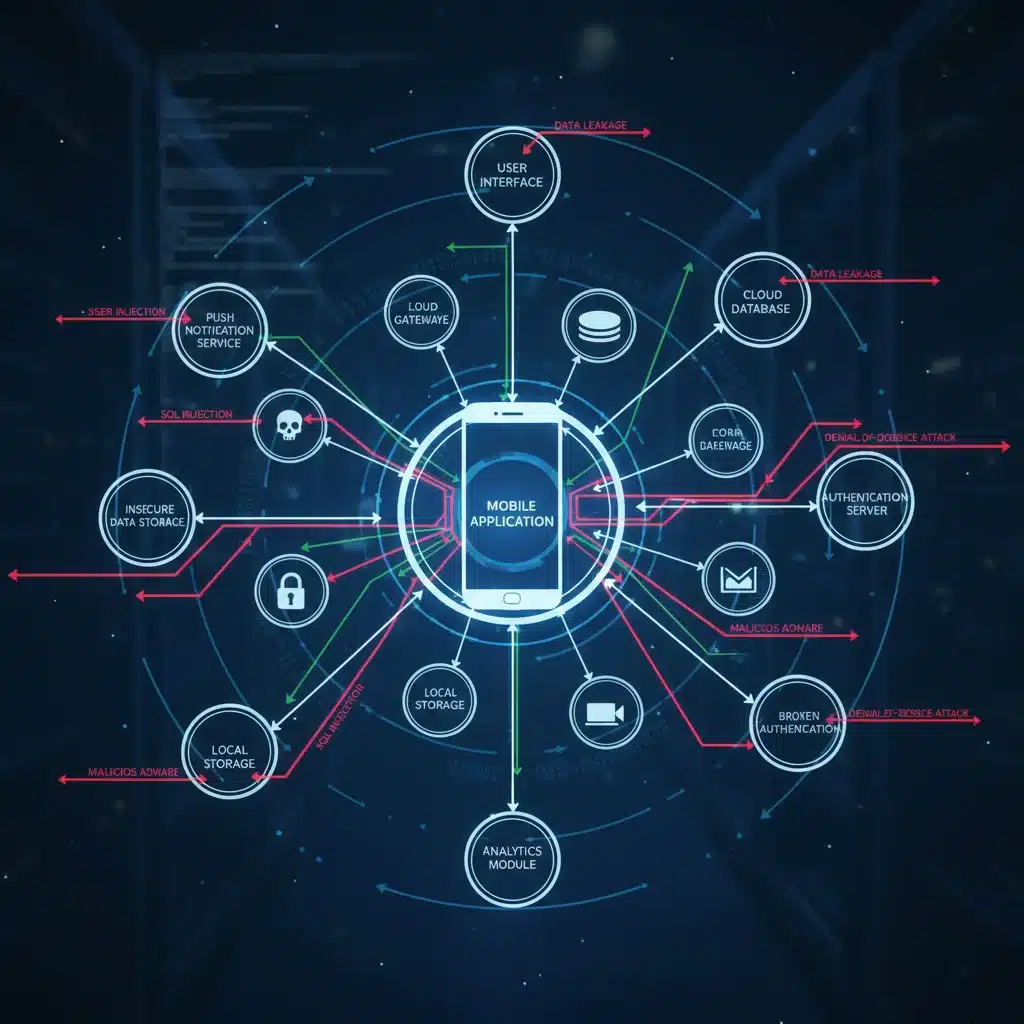 This proactive approach to managing external dependencies is crucial in preventing a significant source of mobile app vulnerabilities.
8. Incident Response Plan: Develop a comprehensive incident response plan to address security breaches effectively. This plan should include steps for detection, containment, eradication, recovery, and post-incident analysis. Prompt communication with users about security incidents, along with clear instructions for mitigation, is also vital for maintaining trust.
The Role of Regulatory Bodies and Industry Standards
The fight against mobile app vulnerabilities is not solely up to individual users and developers. Regulatory bodies and industry standards play a crucial role in establishing baselines for security and promoting best practices. In the U.S., various organizations contribute to this effort:
- National Institute of Standards and Technology (NIST): NIST provides cybersecurity frameworks and guidelines that are widely adopted across industries. Their publications offer extensive guidance on secure software development, risk management, and incident response, which are highly relevant to mobile app security.
- OWASP (Open Web Application Security Project): While not a regulatory body, OWASP is an internationally recognized non-profit organization that provides free resources, methodologies, and tools for web and mobile application security. Their OWASP Mobile Top 10 list is an invaluable resource for understanding and mitigating the most critical mobile app security risks.
- Industry-Specific Regulations: Sectors like healthcare (HIPAA) and finance (PCI DSS) have stringent data protection regulations that extend to mobile applications handling sensitive information. Compliance with these regulations is mandatory and often requires robust security controls against mobile app vulnerabilities.
- App Store Guidelines: Both Apple and Google have strict guidelines for app submission that include security requirements. While these guidelines help filter out some malicious apps, they are not foolproof and often focus on preventing obvious threats rather than deeply hidden vulnerabilities.
The collaborative efforts of these entities help raise the bar for mobile app security, but the dynamic nature of cyber threats means that continuous adaptation and improvement are always necessary. Staying informed about the latest standards and guidelines is essential for both developers and users.
Looking Ahead: The Future of Mobile App Security
As we move further into 2026 and beyond, the landscape of mobile app vulnerabilities will undoubtedly continue to evolve. Emerging technologies like Artificial Intelligence (AI) and Machine Learning (ML) will play a dual role: they will be used by attackers to find and exploit vulnerabilities more efficiently, but also by defenders to detect and prevent attacks more effectively.
We can expect to see increased focus on:
- AI-driven Security: AI will be employed for real-time threat detection, anomaly behavior analysis in apps, and automated vulnerability scanning, making it harder for new exploits to go unnoticed.
- Zero-Trust Architectures: The principle of "never trust, always verify" will become even more critical, with stricter authentication and authorization required for every interaction within an app and its backend services.
- Hardware-Based Security: More reliance on hardware-level security features within mobile devices to protect sensitive data and cryptographic keys, making it harder for software-only attacks to succeed.
- Decentralized Identity: Technologies like blockchain could offer more secure and user-controlled identity management solutions, reducing reliance on centralized systems that are often targets for data breaches.
- Continuous Security Monitoring: Developers will need to implement continuous security monitoring and testing throughout the app’s lifecycle, not just at release, to quickly identify and patch new mobile app vulnerabilities as they emerge.
The battle against cyber threats is ongoing, but with a combination of informed users, diligent developers, and supportive regulatory frameworks, we can collectively build a more secure mobile ecosystem.  Protecting your digital life from mobile app vulnerabilities requires constant vigilance and a commitment to best practices.
Conclusion: Staying Secure in a Mobile-First World
The discovery of seven new mobile app vulnerabilities in early 2026 serves as a stark reminder of the persistent and evolving nature of cyber threats in the mobile landscape. While these findings can be concerning, they also provide a valuable opportunity to reinforce security practices and raise awareness. For users, understanding the risks and implementing basic security hygiene—like keeping apps updated, using strong passwords, and being cautious about permissions—can significantly reduce exposure.
For developers, the message is clear: security must be an integral part of the development process, from conception to deployment and beyond. Investing in secure coding practices, thorough testing, and continuous monitoring is not just good practice; it’s essential for maintaining user trust and protecting brand reputation. As mobile technology continues to advance, so too must our commitment to cybersecurity. By working together, users, developers, and security professionals can create a more resilient and secure mobile environment for everyone.
Stay informed, stay vigilant, and make cybersecurity a priority in your mobile-first world. The protection of your personal data and digital privacy depends on it.