Health & Fitness App Trends 2026: US Wellness Tech Evolution
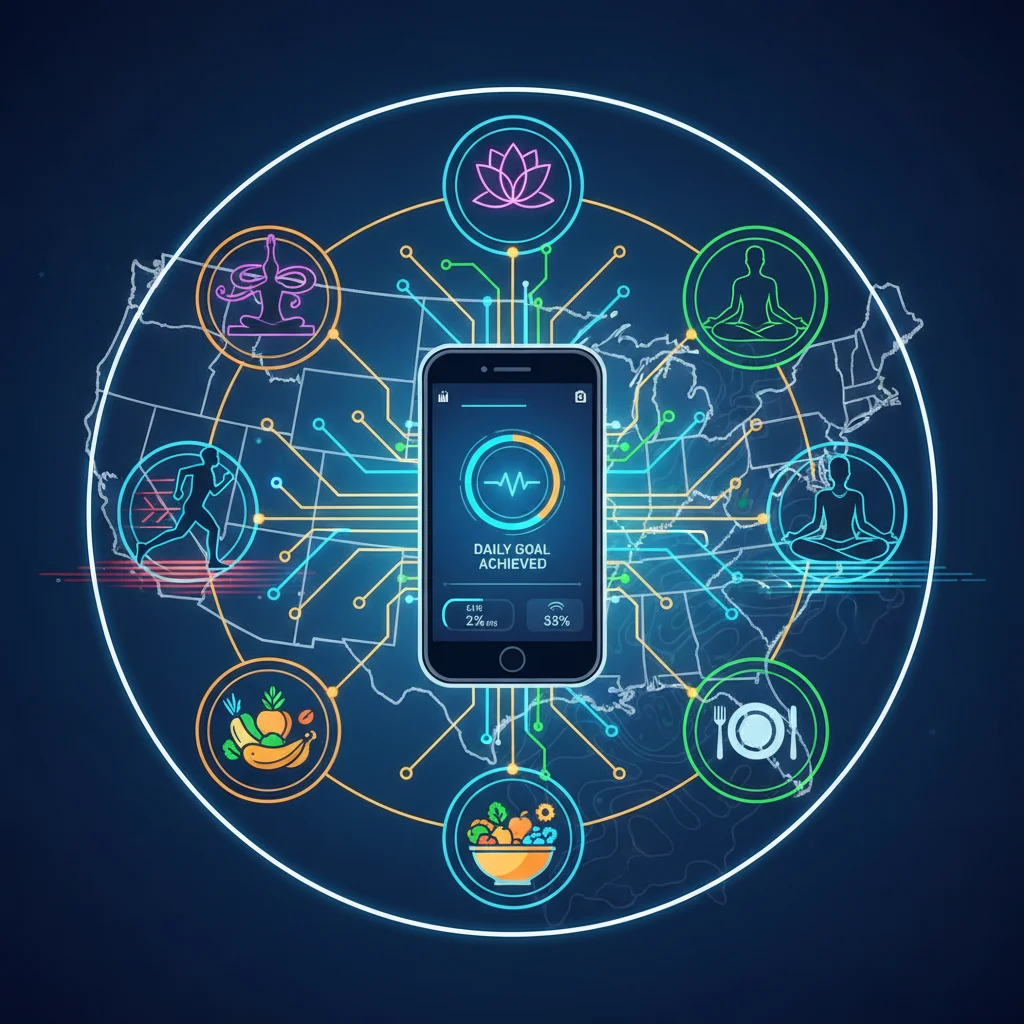
The landscape of health and wellness is perpetually evolving, driven by technological advancements and shifting consumer demands. As we approach 2026, the United States is witnessing a profound transformation in how individuals approach their well-being, largely catalyzed by innovative digital solutions. Health Fitness Apps are no longer just tools for tracking steps or logging workouts; they are becoming comprehensive wellness ecosystems, integrating everything from personalized nutrition to mental health support. This article delves into the latest updates and adaptations of four leading health and fitness apps, exploring how they are positioning themselves to meet the intricate and dynamic wellness trends of 2026 in the US.
The COVID-19 pandemic significantly accelerated the adoption of digital health solutions, pushing telehealth, remote monitoring, and virtual fitness into the mainstream. This surge has cemented the role of Health Fitness Apps as indispensable companions for millions. Looking ahead, the focus is shifting from simple data collection to actionable insights, hyper-personalization, and holistic well-being. Consumers are seeking more than just fitness trackers; they desire intelligent platforms that understand their unique needs, adapt to their progress, and offer support across physical, mental, and emotional dimensions.
Key trends dominating the 2026 wellness scene include the pervasive influence of Artificial Intelligence (AI) and Machine Learning (ML) for personalized coaching, the growing emphasis on mental health and mindfulness integration, the seamless connectivity with wearable technology, the rise of community-driven wellness, and the increasing demand for data privacy and security. Our exploration will highlight how top-tier Health Fitness Apps are not only responding to these trends but actively shaping them, setting new benchmarks for digital wellness in the US market.
The AI-Powered Personal Trainer: Hyper-Personalization in Health Fitness Apps
One of the most significant shifts in the health and fitness app industry is the move towards hyper-personalization, largely fueled by advancements in AI and machine learning. Gone are the days of generic workout plans or one-size-fits-all dietary advice. Today’s leading Health Fitness Apps are leveraging AI to create bespoke experiences that cater to individual biometrics, preferences, fitness levels, and even daily mood.
App A: Elevating Personalized Training with Adaptive AI
App A, a prominent player in the fitness tracking space, is spearheading this trend with its ‘Adaptive AI Coach’ feature. This sophisticated system goes beyond basic activity tracking. It analyzes a user’s historical performance data, sleep patterns, dietary intake (if logged), and even environmental factors to dynamically adjust workout routines and recovery protocols. For instance, if a user experiences a poor night’s sleep or has a particularly stressful day, the AI might recommend a lower-intensity workout or suggest active recovery exercises instead of a scheduled high-intensity session. This proactive adaptation minimizes injury risk and optimizes adherence by ensuring that training aligns with the user’s current physical and mental state.
Furthermore, App A’s AI learns from user feedback. If a particular exercise feels too easy or too challenging, the user can provide input, and the AI will recalibrate future recommendations. This continuous learning loop creates an increasingly accurate and effective personalized plan, making users feel truly understood and supported in their fitness journey. The integration of predictive analytics also allows App A to anticipate potential plateaus and introduce varied stimuli to keep progress consistent, a crucial factor for long-term engagement.
App B: Nutritional Guidance Redefined by Machine Learning
While App A focuses on fitness, App B is revolutionizing personalized nutrition. Its ‘Nutri-Genius’ AI engine analyzes a user’s dietary preferences, allergies, health goals (e.g., weight loss, muscle gain, managing chronic conditions), and even their gut microbiome data (if provided through third-party tests) to generate highly customized meal plans and recipes. This goes far beyond simple calorie counting; it considers macronutrient ratios, micronutrient density, and the timing of meals for optimal energy and recovery.
The app also incorporates adaptive learning based on user feedback and biometric data. If a user consistently reports low energy after certain meals, the AI will identify potential culprits and suggest alternatives. Its integration with smart kitchen appliances and grocery delivery services further streamlines the process, making healthy eating more accessible and less time-consuming. By understanding the intricate relationship between food and individual physiology, App B is transforming how Americans approach their diet, moving towards a more scientifically informed and personalized approach to nutritional well-being.
Integrating Mental Well-being: The Holistic Approach to Health
The recognition of mental health as an integral component of overall wellness has never been more pronounced. In 2026, leading Health Fitness Apps are moving beyond solely physical metrics to incorporate robust features for stress reduction, mindfulness, and emotional regulation. This holistic approach acknowledges that true well-being encompasses both mind and body.
App C: Mindfulness and Stress Management at Your Fingertips
App C, traditionally known for its meditation and sleep-aid features, has significantly expanded its offerings to become a comprehensive mental wellness hub. Its latest updates include AI-driven mood tracking, where users can log their emotional states, and the app provides personalized recommendations for guided meditations, breathing exercises, or even cognitive behavioral therapy (CBT) techniques. The app also integrates with wearable devices to monitor physiological markers of stress, such as heart rate variability (HRV), and can prompt users to engage in calming exercises when stress levels are elevated.
Furthermore, App C has partnered with licensed therapists to offer virtual counseling sessions directly through the platform, creating a seamless pathway from self-help tools to professional support. This integration is crucial for addressing the growing mental health crisis in the US, making accessible and destigmatized mental health resources a core component of digital wellness. The app’s focus on proactive mental health management, rather than reactive crisis intervention, aligns perfectly with the preventative wellness trends of 2026.
The Power of Wearable Technology and Data Ecosystems
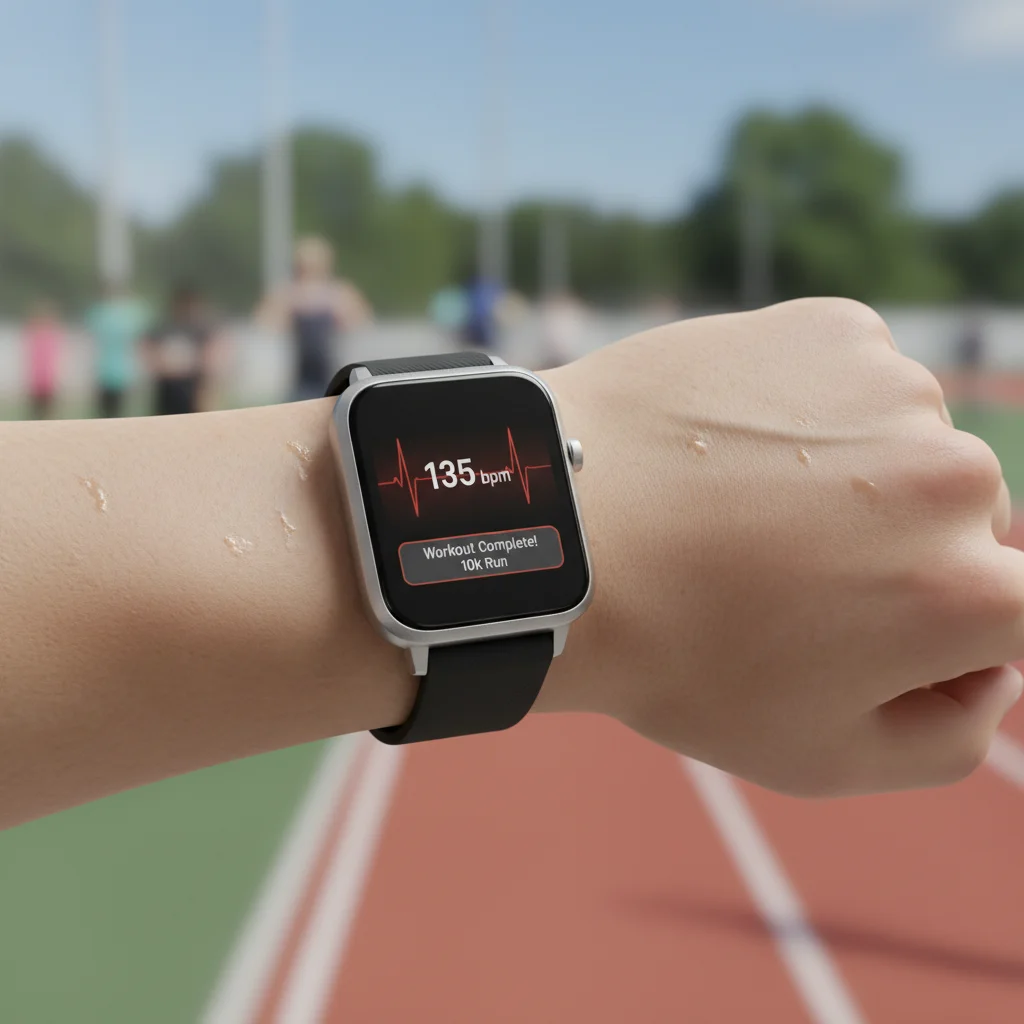
Wearable technology has become ubiquitous, and its synergy with Health Fitness Apps is creating powerful data ecosystems that provide unprecedented insights into personal health. In 2026, seamless integration, advanced sensor technology, and intelligent data analysis are defining this relationship.
App A: Advanced Biometric Analysis and Predictive Health
App A’s continued dominance is partly due to its deep integration with a wide array of wearable devices, from smartwatches to continuous glucose monitors (CGMs). Its platform aggregates data from these sources to create a holistic view of a user’s health. Beyond just tracking, App A uses this rich dataset for predictive health analytics. For example, by analyzing trends in sleep quality, heart rate, and activity levels, the app can identify early warning signs of illness or overtraining, prompting users to take preventative measures or consult a healthcare professional.
The app also offers ‘Recovery Scores’ based on accumulated biometric data, guiding users on optimal rest periods and intensity levels for subsequent workouts. This level of data-driven insight empowers users to make more informed decisions about their daily routines, optimizing performance and well-being. The accuracy and actionable nature of these insights are vital for maintaining user engagement in a crowded market of Health Fitness Apps.
App D: Beyond Fitness – Comprehensive Health Monitoring
App D, while also offering fitness tracking, is carving out a niche in comprehensive health monitoring, particularly for individuals managing chronic conditions or those seeking deeper physiological insights. Its strength lies in its ability to integrate with medical-grade wearables and devices, such as smart blood pressure cuffs, pulse oximeters, and even smart scales that measure body composition with high accuracy.
The app’s interface presents this complex data in an easily digestible format, highlighting trends and anomalies. It also allows users to securely share this data with their healthcare providers, facilitating better communication and more informed medical decisions. This bridge between consumer health tech and clinical care is a critical development for 2026, as Health Fitness Apps increasingly play a role in preventative medicine and chronic disease management. App D is not just about getting fit; it’s about staying healthy and managing health proactively with robust data.
Community, Gamification, and Social Wellness
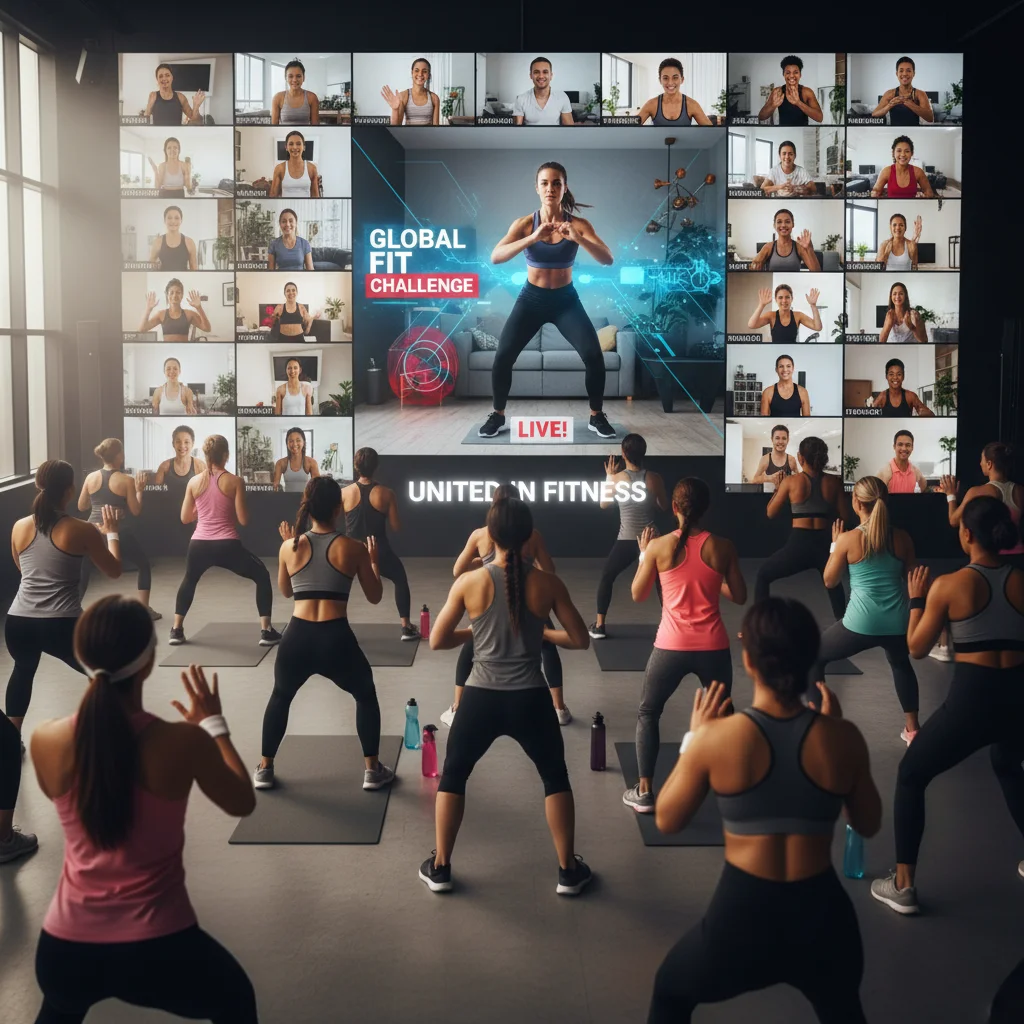
Human connection and motivation are powerful drivers of behavior change. Recognizing this, leading Health Fitness Apps are increasingly incorporating community features, gamification, and social challenges to foster engagement and provide a sense of belonging. The isolation brought on by recent global events has only amplified the need for virtual communities that support shared health goals.
App A: Global Challenges and Social Accountability
App A has always had a strong social component, but for 2026, it’s doubling down on global challenges and enhanced social accountability features. Users can now create or join hyper-specific challenges, not just based on steps or distance, but also on metrics like consistent sleep, mindfulness minutes, or even healthy recipe streaks. These challenges often come with leaderboards, virtual badges, and opportunities to connect with like-minded individuals globally.
A new ‘Accountability Partner’ feature allows users to pair up with a friend or family member, sharing progress and offering mutual encouragement. The app also integrates with popular social media platforms, enabling users to share achievements and inspire their networks. This blend of competition and collaboration keeps users motivated and fosters a supportive environment, proving that social connection is a key ingredient in sustainable wellness journeys facilitated by Health Fitness Apps.
App B: Group Nutrition Support and Expert-Led Forums
App B, with its focus on nutrition, has developed ‘Nutri-Circles’ – small, private groups where users with similar dietary goals or health conditions can share recipes, tips, and support. These circles are often moderated by registered dietitians or nutrition coaches who provide expert guidance and answer questions, creating a trusted and informed community space.
The app also uses gamification to encourage healthy eating habits, offering points for logging meals, trying new healthy recipes, or maintaining consistent dietary patterns. These points can unlock premium content, virtual rewards, or even discounts on healthy food products. By combining expert-led support with peer interaction and playful incentives, App B addresses the often-challenging aspect of dietary change, making it a more engaging and less isolating experience through its innovative approach to Health Fitness Apps.
The Future of Digital Wellness: What Lies Ahead for Health Fitness Apps
As we look beyond 2026, the evolution of Health Fitness Apps promises even more sophisticated and integrated experiences. The lines between physical, mental, and environmental well-being will continue to blur, leading to truly holistic digital health platforms. Here are some anticipated developments:
Predictive and Preventative Health Interventions
The AI capabilities of Health Fitness Apps will become even more advanced, moving from reactive suggestions to truly predictive and preventative interventions. Imagine an app that not only identifies early signs of potential illness but also provides personalized recommendations for lifestyle adjustments or even connects you with a doctor before symptoms fully manifest. This proactive approach will be a game-changer in public health, reducing healthcare burdens and improving quality of life.
Enhanced Virtual Reality (VR) and Augmented Reality (AR) Integration
While some apps already dabble in VR/AR for immersive workouts, 2026 and beyond will see a significant expansion. Users might soon be able to explore virtual hiking trails from their living rooms, receive real-time form correction from an AR overlay during a yoga session, or even participate in virtual group therapy sessions in highly realistic digital environments. These technologies will make fitness and wellness more engaging, accessible, and personalized than ever before, transforming how we interact with Health Fitness Apps.
Seamless Integration with Smart Homes and IoT Devices
The smart home ecosystem will play an increasingly vital role in digital wellness. Health Fitness Apps will seamlessly integrate with smart refrigerators that track food inventory and suggest recipes, smart beds that optimize sleep environments, and even smart mirrors that provide fitness assessments. Your entire living environment could become a supportive partner in your wellness journey, with apps acting as the central hub for managing and optimizing these interactions.
Ethical AI and Data Privacy as a Core Feature
As Health Fitness Apps collect more intimate personal data, ethical AI practices and robust data privacy measures will become non-negotiable. Consumers will demand transparency in how their data is used, and apps that prioritize user privacy and offer clear control over personal information will gain a significant competitive advantage. Trust will be the currency of the digital wellness economy, and leading apps will invest heavily in secure, transparent, and ethical data handling.
Personalized Medicine and Genomic Integration
The ultimate frontier for Health Fitness Apps lies in personalized medicine. As genomic sequencing becomes more common and affordable, apps will integrate genetic data to provide highly individualized recommendations for diet, exercise, and even supplement regimens. Understanding a user’s genetic predispositions will allow for truly preventative and tailored wellness plans, moving beyond general advice to precision health. This level of personalization will redefine the capabilities of Health Fitness Apps.
Conclusion: The Evolving Role of Health Fitness Apps in US Wellness
The trajectory of Health Fitness Apps in the United States towards 2026 and beyond is one of relentless innovation and increasing sophistication. From hyper-personalized AI coaching and integrated mental health support to seamless wearable technology integration and vibrant community platforms, these apps are transforming the very definition of wellness. They are no longer just tools but intelligent companions, coaches, and communities that empower individuals to take proactive ownership of their health across all dimensions.
The four leading apps discussed here exemplify the cutting edge of this evolution, each adapting and innovating to meet the complex demands of modern consumers. As technology continues to advance and our understanding of holistic well-being deepens, we can expect Health Fitness Apps to play an even more central and indispensable role in shaping a healthier, more connected, and more empowered future for Americans. The journey towards optimal health is becoming increasingly digital, personalized, and profoundly impactful, thanks to these groundbreaking platforms.