Mobile-First Smart Home Security: Protecting 2026’s Connected Ecosystems
Mobile-First Smart Home Security: Protecting 2026’s Connected Ecosystems
The year is 2026, and our homes are smarter, more connected, and more intuitive than ever before. From intelligent thermostats that learn our preferences to security cameras that offer crystal-clear, real-time feeds, the convenience of a smart home is undeniable. However, with this unprecedented connectivity comes an equally significant challenge: ensuring the security of these intricate digital ecosystems. The proliferation of smart devices means that our homes are now prime targets for cyber threats, making robust mobile smart home security not just a luxury, but an absolute necessity. This comprehensive guide will delve into the critical aspects of protecting your connected home, focusing on a mobile-first approach that empowers you to safeguard your digital sanctuary from the palm of your hand.
The Evolving Landscape of Smart Home Threats
Before we explore solutions, it’s crucial to understand the threats. Smart homes, by their very nature, are a network of interconnected devices, each potentially representing an entry point for malicious actors. In 2026, these threats are more sophisticated than ever. We’re not just talking about simple hacks; we’re facing advanced phishing attempts, malware designed specifically for IoT devices, ransomware that can lock you out of your own home, and even physical security breaches enabled by compromised digital systems. The sheer volume of data collected by smart devices – from daily routines and energy consumption to video and audio feeds – makes them incredibly attractive targets. Protecting this data and maintaining the integrity of your home’s digital perimeter is the core of effective mobile smart home security.
One of the primary vulnerabilities lies in the ‘set it and forget it’ mentality many consumers adopt. Devices are often installed with default passwords, outdated firmware, or without proper network segmentation. This creates a fertile ground for attackers to exploit. Furthermore, the increasing complexity of smart home ecosystems, often involving devices from multiple manufacturers, can lead to compatibility issues and security gaps. It’s a delicate balance between convenience and vigilance, and the mobile device has emerged as the central hub for managing this balance.
Why a Mobile-First Approach to Smart Home Security?
Our smartphones have become extensions of ourselves. They are always with us, always connected, and increasingly, they are the primary interface for managing our smart homes. This omnipresence makes the mobile device the ideal platform for a comprehensive security strategy. A mobile-first approach to mobile smart home security means leveraging your smartphone not just for convenience, but as your primary tool for monitoring, managing, and defending your connected home.
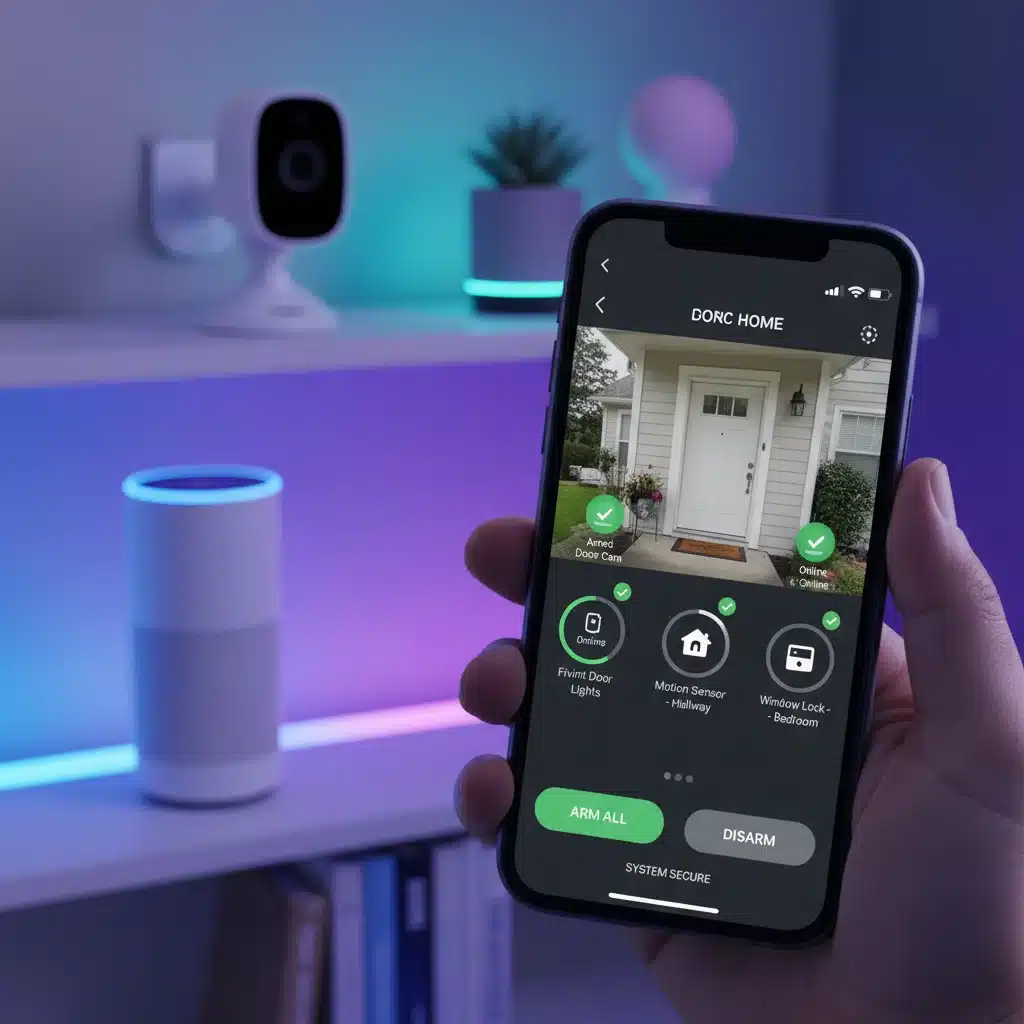
Think about it: you receive instant alerts on your phone if an unusual event occurs. You can remotely check camera feeds, lock doors, or even disable compromised devices from anywhere in the world. Mobile applications provide a centralized dashboard for all your smart devices, allowing for unified security management. This proactive and reactive capability, all accessible from your pocket, is what defines true mobile smart home security in 2026. It moves security from a static, home-bound concept to a dynamic, always-on vigilance.
Key Pillars of Mobile-First Smart Home Security
To effectively implement a mobile-first security strategy, several key pillars must be in place:
- Centralized Mobile Management Apps: The cornerstone of mobile security is a robust, well-designed mobile application that acts as the command center for your smart home. This app should provide a holistic view of all connected devices, their status, and their security settings.
- Real-time Alerts and Notifications: Immediate notification of suspicious activities – a door opening unexpectedly, an unfamiliar device connecting to your network, or a camera detecting unusual motion – is crucial.
- Remote Control and Remediation: The ability to take immediate action, such as locking doors, disarming systems, or even disconnecting devices, directly from your mobile device.
- Secure Authentication: Implementing strong authentication methods, including multi-factor authentication (MFA), for accessing your smart home ecosystem via mobile.
- Regular Software and Firmware Updates: Mobile apps should facilitate easy and frequent updates for all connected devices, patching vulnerabilities as soon as they are discovered.
Essential Strategies for Robust Mobile Smart Home Security
1. Secure Your Mobile Device First
Before you even think about securing your smart home with your phone, you must secure the phone itself. Your mobile device is the gateway to your entire smart home ecosystem. If it’s compromised, your home is vulnerable. This means:
- Strong Passwords/Biometrics: Use strong, unique passcodes, fingerprint readers, or facial recognition for unlocking your phone.
- Multi-Factor Authentication (MFA): Enable MFA for all critical accounts linked to your smart home, including your primary smart home hub app, email, and cloud services.
- Up-to-Date Operating System: Ensure your phone’s OS is always updated to the latest version to benefit from the newest security patches.
- Reputable Apps Only: Download smart home apps only from official app stores and verify their authenticity.
- Public Wi-Fi Caution: Avoid accessing sensitive smart home controls over unsecured public Wi-Fi networks. Use a VPN if you must.
2. Centralized Smart Home Security Hubs and Apps
In 2026, many smart homes are moving towards integrated hubs that bring disparate devices under one roof. These hubs, often managed via a single mobile application, are vital for mobile smart home security. Choose a hub that offers:
- Unified Dashboard: A clear, intuitive interface that shows the status of all connected devices.
- Cross-Compatibility: Support for a wide range of devices and protocols (e.g., Matter, Thread).
- Robust Encryption: Ensuring all communication between devices, the hub, and the cloud is encrypted end-to-end.
- Advanced Security Features: Such as intrusion detection, anomaly detection, and automated responses to threats.
- Regular Security Audits: Look for hubs from manufacturers with a strong track record of security and transparency about their security practices.
The mobile app for your chosen hub will be your daily interaction point for security. Familiarize yourself with all its features, especially the security settings and alert configurations. This is where you’ll define who has access, what triggers alerts, and how your home responds to various scenarios.
3. Network Segmentation and Dedicated IoT Networks
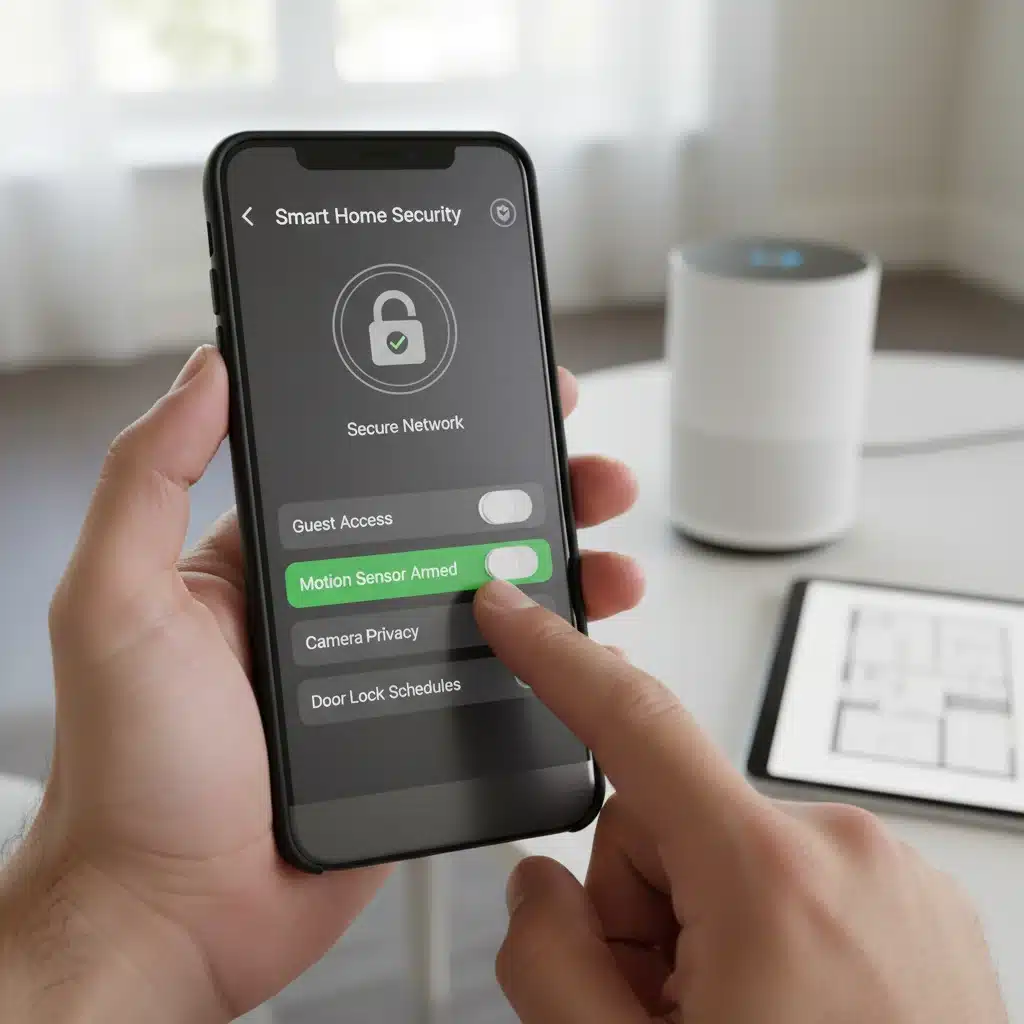
One of the most effective strategies for mobile smart home security is to segment your network. This means creating a separate Wi-Fi network specifically for your smart home devices (IoT network), distinct from your primary network where you conduct sensitive activities like banking or work. Why?
- Containment: If an IoT device is compromised, the breach is contained within that segment and cannot easily spread to your computers or other critical devices.
- Reduced Attack Surface: It limits the ability of a compromised smart device to scan and attack other devices on your main network.
- Easier Monitoring: You can more easily monitor traffic specifically from your smart devices for unusual activity.
Many modern routers offer guest network features that can be repurposed for this, or you can invest in a router designed for IoT segmentation. Your mobile app can then help you manage which devices connect to which network segment, providing an extra layer of control over your home’s digital boundaries.
4. Strong, Unique Passwords and Regular Changes
This cannot be stressed enough. Every single smart device, every account, every app – all need strong, unique passwords. Avoid common phrases, personal information, or sequential numbers. Use a password manager to generate and store complex passwords. Furthermore, make it a habit to change these passwords regularly, perhaps every three to six months. While this might seem tedious, the mobile apps associated with your smart devices often provide easy access to password management features, making this task less daunting. A compromised weak password is one of the easiest ways for attackers to gain entry, undermining all other aspects of the mobile smart home security strategy.
5. Enable Multi-Factor Authentication (MFA) Everywhere Possible
MFA adds a critical layer of security by requiring two or more verification factors to gain access. This could be something you know (password), something you have (your phone for a code), or something you are (fingerprint). For any smart home device or service that offers MFA, enable it immediately. This dramatically reduces the risk of unauthorized access, even if your password is stolen. Your mobile device will often serve as the second factor, receiving verification codes or approval requests, making it an integral part of your mobile smart home security defense.
6. Keep All Software and Firmware Updated
Manufacturers constantly release updates to patch vulnerabilities, improve performance, and add new features. Outdated software is a significant security risk. Make it a routine to check for and install updates for all your smart devices, hubs, and their associated mobile applications. Many devices and apps offer automatic updates, which should be enabled. For those that don’t, set reminders to manually check. Your mobile app should ideally notify you when updates are available for connected devices, streamlining this crucial aspect of maintaining robust mobile smart home security.
7. Review Device Permissions and Data Sharing
When setting up new smart devices or applications, pay close attention to the permissions they request. Does a smart light really need access to your microphone or location data 24/7? Probably not. Grant only the necessary permissions. Similarly, understand the data sharing policies of your smart device manufacturers. Who are they sharing your data with? Is it anonymized? Can you opt out? Your mobile app is often where you can review and adjust these privacy settings, giving you control over your personal data, which is a vital component of holistic mobile smart home security.
8. Implement Smart Home Intrusion Detection
Beyond traditional security systems, advanced smart home setups can leverage AI and machine learning to detect anomalies. This might include unusual network traffic patterns, devices attempting to communicate with unknown external servers, or sensors reporting activity at odd hours. Some mobile-managed security hubs offer these features, providing a proactive layer of defense. These systems can alert you via your mobile device to potential intrusions, allowing for rapid response and investigation.
9. Secure Your Wi-Fi Network
Your Wi-Fi network is the backbone of your smart home. Secure it with the strongest encryption available, ideally WPA3. Change the default SSID (network name) to something generic that doesn’t reveal personal information. Disable WPS (Wi-Fi Protected Setup) if possible, as it can be a security vulnerability. Regularly check your router’s connected devices list via its mobile app or web interface to identify any unauthorized users. A strong Wi-Fi network is the foundation upon which all other mobile smart home security measures are built.
10. Regularly Audit Your Smart Home Ecosystem
As you add new devices or services, your smart home ecosystem evolves. It’s good practice to conduct a security audit periodically. This involves:
- Reviewing all connected devices and removing any that are no longer in use.
- Checking for outdated devices that no longer receive security updates and considering their replacement.
- Verifying that all passwords are strong and unique.
- Confirming MFA is enabled where possible.
- Reviewing app permissions and data sharing settings.
- Checking your network for any unusual activity.
Many smart home apps offer a ‘device list’ or ‘security dashboard’ that can help you with this audit, centralizing the information you need to maintain robust mobile smart home security.
11. Be Wary of Phishing and Social Engineering
Attackers often target users directly through phishing emails, SMS messages, or even phone calls, attempting to trick them into revealing login credentials or installing malicious software. Be extremely cautious of unsolicited communications, especially those asking for personal information or directing you to suspicious links. Always verify the sender’s identity and, if in doubt, go directly to the official app or website rather than clicking on links in messages. Your mobile device is often the target for these attacks, making vigilance against phishing a crucial part of your personal and mobile smart home security strategy.
12. Consider a Smart Home Security Service
For those who want an extra layer of protection and professional monitoring, consider subscribing to a dedicated smart home security service. These services often integrate with your existing smart devices, providing 24/7 monitoring, rapid response to alarms, and advanced threat detection. Many offer sophisticated mobile apps that allow you to manage and interact with their services, further enhancing your mobile smart home security posture.
The Future of Mobile Smart Home Security
Looking ahead, mobile smart home security will continue to evolve rapidly. We can expect:
- AI-Powered Anomaly Detection: Even more sophisticated AI capable of learning your home’s patterns and instantly flagging anything out of the ordinary, reducing false positives and enhancing threat detection.
- Self-Healing Networks: Networks that can automatically isolate compromised devices or apply patches without user intervention.
- Decentralized Identity Management: Blockchain-based solutions for device authentication and data privacy, offering greater control to the user.
- Enhanced Biometric Integration: Seamless and secure access control using advanced biometrics directly from your mobile device.
- Unified Security Standards: Greater industry collaboration leading to more consistent security protocols across different manufacturers and device types, simplifying management for consumers.
The trend is towards more autonomous and intelligent security systems that still retain a strong mobile interface for user interaction and oversight. Your smartphone will remain the primary window into your home’s security, offering unparalleled control and peace of mind.
Conclusion: Empowering Your Digital Home with Mobile Security
The convenience and innovation of smart homes are truly transformative, but they come with the imperative of robust security. In 2026, a mobile-first approach to smart home security is not just an option; it’s the most effective way to protect your connected ecosystem. By securing your mobile device, leveraging centralized apps, segmenting your network, practicing strong password hygiene, enabling MFA, and staying vigilant with updates and permissions, you empower yourself to defend against the evolving landscape of cyber threats.
Remember, your smart home is an extension of your life, and its security is paramount to your privacy and peace of mind. Embrace the power of mobile smart home security to ensure that your connected home remains a safe, secure, and smart haven for you and your family.