Secure Messaging Apps: Comparing 4 Top Choices for U.S. Privacy in 2026
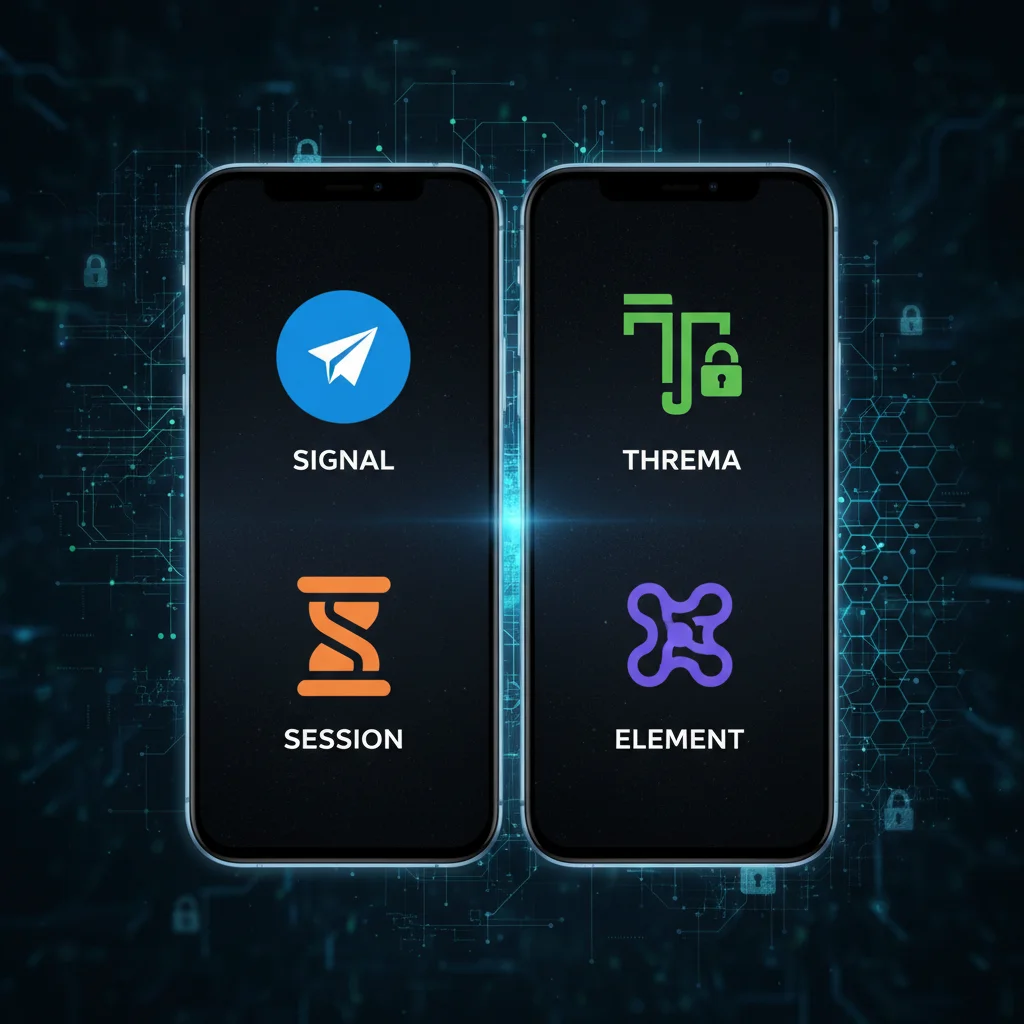
In an increasingly interconnected world, the sanctity of our digital conversations has become a primary concern. With data breaches, surveillance, and privacy invasions making headlines almost daily, the demand for truly secure messaging apps has never been higher, especially for users in the United States. As we navigate 2026, the landscape of digital communication continues to evolve, bringing forth new challenges and innovative solutions. This comprehensive guide aims to dissect and compare four of the most robust and privacy-focused secure messaging apps available today: Signal, Threema, Session, and Element. Our objective is to provide a detailed analysis, empowering you to make an informed decision about which platform best safeguards your personal and professional communications.
The importance of choosing the right secure messaging app cannot be overstated. Beyond the convenience of instant communication, these platforms carry the responsibility of protecting sensitive information, personal identities, and freedom of expression. For U.S. users, navigating the complex web of privacy laws and corporate data policies requires a keen understanding of how each app operates, what encryption methods it employs, and its overall commitment to user privacy. We will delve into these critical aspects, evaluating each app on its technical merits, usability, and philosophical approach to privacy.
This comparison isn’t just about features; it’s about trust. It’s about understanding the underlying architecture that makes an app secure, the transparency of its development, and its resilience against various forms of intrusion. Whether you are a privacy advocate, a professional handling sensitive data, or simply an individual who values their digital autonomy, this guide to secure messaging apps will serve as your essential resource for 2026.
The Imperative for Secure Messaging Apps in 2026
The digital age has brought unparalleled connectivity, but with it, a heightened risk to personal privacy. In 2026, the need for secure messaging apps is more critical than ever due to several converging factors:
- Increased Data Surveillance: Governments and corporations alike are increasingly sophisticated in their methods of data collection and surveillance. Unencrypted communications are easily intercepted and analyzed, leading to potential misuse of personal information.
- Cybercrime Epidemic: Phishing attacks, identity theft, and ransomware continue to plague individuals and organizations. Secure communication channels are a vital line of defense against these malicious activities.
- Evolving Privacy Regulations: While some regions have robust privacy laws, the global landscape remains fragmented. U.S. users must be proactive in securing their communications, as domestic protections may not always be sufficient or consistently applied.
- Supply Chain Attacks: Even seemingly secure platforms can be compromised through vulnerabilities in their supply chain. Apps with open-source code and transparent security audits offer a greater degree of trust.
- The "New Normal" of Remote Work and Digital Interaction: A significant portion of personal and professional interactions now occur digitally. This shift necessitates tools that can protect the integrity and confidentiality of these exchanges, making secure messaging apps indispensable.
Understanding these challenges sets the stage for appreciating the value that Signal, Threema, Session, and Element bring to the table. Each offers unique approaches to tackling these issues, but all share a common goal: to provide a sanctuary for your digital conversations.
Signal: The Gold Standard of End-to-End Encryption
Signal has long been lauded as one of the most secure messaging apps available, and for good reason. Developed by the Signal Foundation, a non-profit organization, its primary mission is to develop open-source privacy technology. For U.S. users concerned about their digital footprint, Signal often comes out on top.
Key Features and Security Posture of Signal
- End-to-End Encryption (E2EE): Signal utilizes the Signal Protocol, widely regarded as the strongest and most peer-reviewed cryptographic protocol for asynchronous messaging. This ensures that only the sender and intended recipient can read messages, even Signal itself cannot access the content.
- Open-Source Code: The entire codebase for Signal is open-source, allowing security experts and the public to scrutinize it for vulnerabilities. This transparency is a cornerstone of its trustworthiness.
- Minimal Data Collection: Signal collects very little metadata. It requires only a phone number to register and does not link your identity to your communications. Messages, calls, and group information are all encrypted.
- Disappearing Messages: Users can set messages to disappear after a specified time, adding an extra layer of privacy.
- Secure Calls: All voice and video calls on Signal are also end-to-end encrypted, offering the same level of security as its text messaging.
- U.S. Jurisdiction: While based in the U.S., Signal’s non-profit structure and strong encryption practices make it resilient against government requests for data. Their policy is clear: they cannot provide what they do not have.
Pros and Cons for U.S. Users
Pros:
- Unmatched encryption standard.
- Strong commitment to user privacy.
- Open-source and regularly audited.
- User-friendly interface, similar to mainstream messaging apps.
- Free to use, funded by grants and donations.
Cons:
- Requires a phone number for registration, which some users might find a privacy concern.
- Relatively smaller user base compared to giants like WhatsApp, though growing.
- Reliance on centralized servers, even if encrypted, is a point of contention for extreme decentralization advocates.
For most U.S. individuals seeking a balance of strong security and ease of use, Signal remains the top recommendation among secure messaging apps.
Threema: Privacy by Design, Made in Switzerland
Threema stands out as a premium, paid secure messaging app developed in Switzerland, a country renowned for its strict privacy laws. Its "privacy by design" philosophy is central to its appeal, offering a compelling alternative for those willing to invest in their digital security.
Key Features and Security Posture of Threema
- Decentralized Architecture (Partially): While not fully decentralized like some alternatives, Threema’s server infrastructure is designed to minimize data retention. Message metadata is only temporarily stored until delivery.
- End-to-End Encryption: Threema uses a strong end-to-end encryption based on the NaCl cryptography library. Messages, group chats, media files, and even status messages are encrypted.
- Anonymous Usage: A significant advantage of Threema is that it does not require a phone number or email address for registration. Users receive a unique Threema ID, allowing for completely anonymous communication.
- Swiss Jurisdiction: Operating under Swiss privacy laws, Threema benefits from some of the strongest data protection regulations globally, offering a robust legal shield against foreign data requests.
- Open-Source (Client-Side): While not fully open-source like Signal, Threema has made its client apps open-source, allowing for independent security audits of the most critical part of the application.
- Self-Owned Servers: Threema operates its own servers in Switzerland, avoiding reliance on third-party cloud providers, which can introduce additional security risks.
Pros and Cons for U.S. Users
Pros:
- True anonymity without requiring personal identifiers.
- Strong encryption and robust privacy policies under Swiss law.
- Self-owned infrastructure enhances security.
- One-time purchase model, no subscription fees.
Cons:
- Paid app, which might deter some users.
- Smaller user base, potentially limiting reach.
- Server-side code is not open-source, though client-side is.
For U.S. users prioritizing anonymity and willing to pay for premium privacy, Threema is an excellent choice among secure messaging apps.
Session: Decentralized and Anonymous by Default
Session takes a radical approach to privacy by building its service on a decentralized network. Developed by the Oxen Privacy Tech Foundation, Session is designed for maximum anonymity and resistance to censorship, making it a powerful contender in the realm of secure messaging apps for 2026.
Key Features and Security Posture of Session
- Decentralized Network (Oxen Blockchain): Session messages are routed through a decentralized network of nodes (the Oxen Service Node network) instead of central servers. This architecture makes it extremely difficult to track message origins or censor communications.
- No Phone Number Required: Like Threema, Session does not require a phone number or email address. Users are assigned a unique Session ID, ensuring complete anonymity from the outset.
- Onion Routing: Session employs an onion routing system similar to Tor, where message data is encapsulated in layers of encryption and routed through multiple nodes. This obscures the sender’s and receiver’s IP addresses.
- End-to-End Encryption: Session uses the Signal Protocol for its E2EE, ensuring message content remains private.
- Open-Source and Audited: The entire Session codebase is open-source and has undergone independent security audits, reinforcing its transparency and trustworthiness.
- No Metadata Logging: Due to its decentralized nature and onion routing, Session is designed to log virtually no metadata, offering a superior level of privacy compared to many centralized alternatives.
Pros and Cons for U.S. Users
Pros:
- Unparalleled anonymity and censorship resistance.
- Does not require any personal identifiers.
- Strong end-to-end encryption via the Signal Protocol.
- Completely open-source and audited.
- No metadata logging.
Cons:
- Performance can sometimes be slower due to onion routing.
- User interface might feel less polished compared to mainstream apps.
- Smaller user base, which can affect network effects.
- The decentralized nature can be complex for new users to understand.
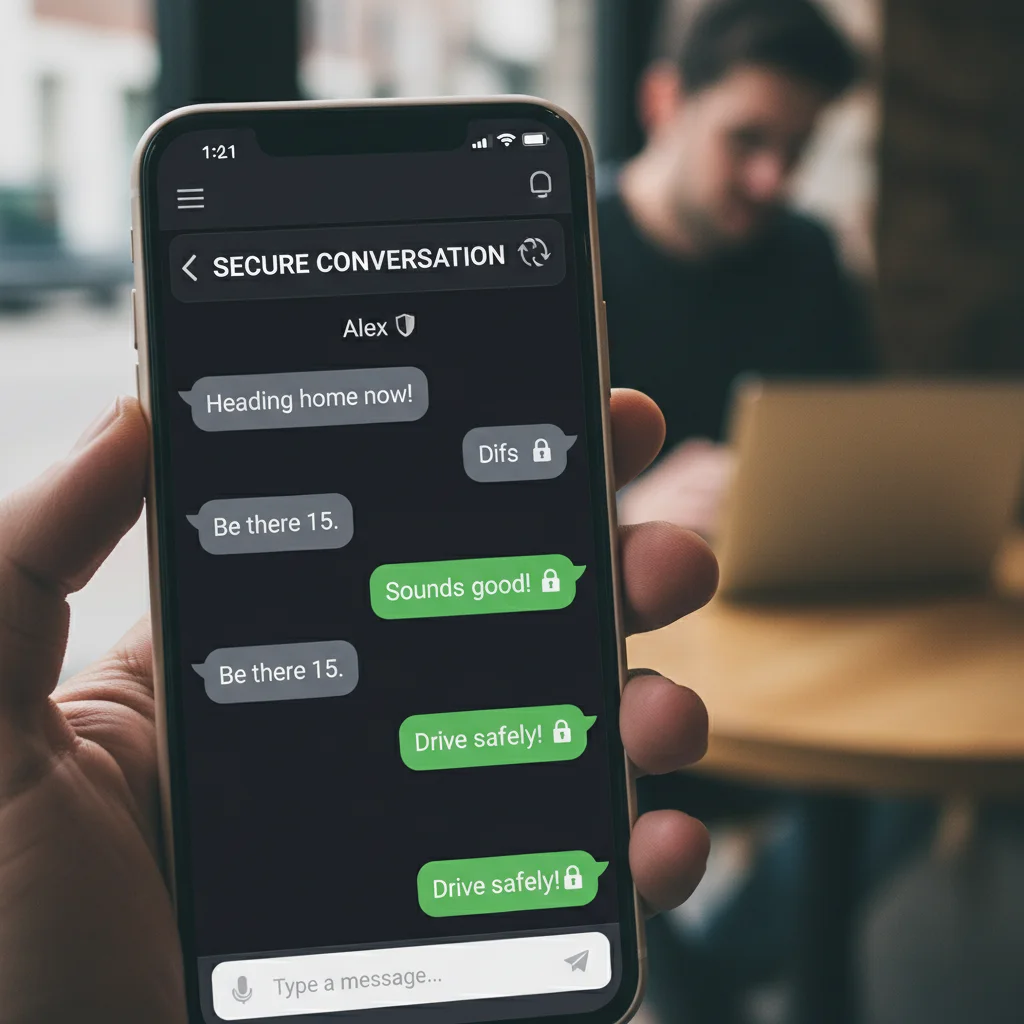
For U.S. users who prioritize extreme anonymity and resistance to surveillance above all else, Session is a groundbreaking choice among secure messaging apps.
Element (Matrix): Open Standard, Decentralized Communication
Element is the flagship client for the Matrix open standard, an open network for secure, decentralized communication. Matrix aims to create an open platform that federates across multiple servers, allowing users to host their own data and retain full control. Element, as a client, offers a powerful and flexible secure messaging experience.
Key Features and Security Posture of Element (Matrix)
- Decentralized and Federated: Matrix is a federated network, meaning users can choose their own server (or host their own), and communicate with users on other Matrix servers. This decentralization makes it highly resilient to censorship and single points of failure.
- End-to-End Encryption (Olm/Megolm): Element uses the Olm and Megolm cryptographic ratchets for end-to-end encryption, ensuring that conversations are secure by default.
- Open Standard and Open-Source: The Matrix protocol and Element client are entirely open-source, promoting transparency and allowing for community audits and contributions.
- Bridge to Other Networks: A unique feature of Matrix is its ability to "bridge" to other messaging networks (like IRC, Slack, Telegram, WhatsApp), allowing users to communicate across different platforms from within Element, though the security of bridged communications depends on the security of the bridged network.
- No Phone Number Required: Users register with a username and password, not a phone number, enhancing privacy.
- Voice and Video Conferencing: Element supports secure voice and video calls, including group calls, leveraging its E2EE capabilities.
- Self-Hosting Option: The ability for individuals and organizations to self-host their own Matrix server offers the ultimate control over data and privacy.
Pros and Cons for U.S. Users
Pros:
- Highly decentralized and federated architecture.
- Excellent for technical users and organizations seeking full control.
- Strong end-to-end encryption.
- Open standard and open-source nature.
- Bridging capabilities are a powerful feature for unified communication.
Cons:
- Can have a steeper learning curve for non-technical users.
- User experience might be less streamlined than more focused messaging apps.
- Encryption setup can sometimes be complex, especially with bridging.
- The vastness of the Matrix ecosystem can be overwhelming.
For U.S. users who are technically inclined, value decentralization, and desire ultimate control over their communication infrastructure, Element (Matrix) offers a powerful and flexible solution among secure messaging apps.
Comparative Analysis: Signal, Threema, Session, and Element
To help you choose the best secure messaging app for your needs in 2026, let’s break down the key differences and similarities across these four powerful contenders:
Privacy & Anonymity
- Signal: Requires phone number, minimal metadata, strong E2EE. Good for privacy, but not full anonymity.
- Threema: No phone number required, unique Threema ID, strong E2EE, Swiss jurisdiction. Excellent for anonymity.
- Session: No phone number, Session ID, decentralized network, onion routing, no metadata. Top-tier for anonymity and censorship resistance.
- Element (Matrix): No phone number, username, decentralized and federated, strong E2EE. Excellent for privacy and control, with self-hosting options for ultimate anonymity.
Encryption Standard
- Signal: Signal Protocol (considered industry best).
- Threema: NaCl cryptography library.
- Session: Signal Protocol.
- Element (Matrix): Olm/Megolm (robust E2EE for federated networks).
Decentralization & Infrastructure
- Signal: Centralized servers (owned by Signal Foundation), but message content is inaccessible.
- Threema: Partially decentralized, self-owned servers in Switzerland, minimal data retention.
- Session: Fully decentralized network (Oxen Service Nodes), no central servers.
- Element (Matrix): Fully decentralized and federated, users can choose or host their own servers.
Usability & Features
- Signal: Very user-friendly, familiar interface, disappearing messages, secure calls.
- Threema: User-friendly, but fewer "bells and whistles" than mainstream apps.
- Session: Functional, but performance can be slower, and interface might feel less polished.
- Element (Matrix): Feature-rich (bridging, powerful search, integrations), but can have a steeper learning curve.
Cost
- Signal: Free.
- Threema: One-time purchase.
- Session: Free.
- Element (Matrix): Free (client), self-hosting incurs server costs.
Jurisdiction & Trust
- Signal: U.S. (non-profit), strong legal team, transparency reports. Highly trusted.
- Threema: Switzerland, strong privacy laws. Highly trusted.
- Session: Australia (Oxen Privacy Tech Foundation), decentralized nature offers resilience. Highly trusted by privacy advocates.
- Element (Matrix): Global (Matrix.org Foundation in Belgium), open standard provides transparency. Highly trusted, especially for self-hosters.
Choosing the Right Secure Messaging App for You in 2026
The "best" secure messaging app ultimately depends on your specific needs and threat model. Here’s a guide to help U.S. users decide:
For the Everyday User Prioritizing Strong Encryption and Ease of Use: Signal
If you’re looking for a free, user-friendly app with the strongest possible encryption and a strong commitment to privacy without needing complete anonymity from your phone number, Signal is your go-to. It’s widely adopted by privacy experts and journalists for its robust security. It’s the easiest leap from more mainstream apps while providing a significant security upgrade.
For Users Demanding Anonymity and Strong Legal Protections: Threema
If true anonymity (no phone number, no email) is a top priority, and you’re willing to pay a one-time fee for premium service under strict Swiss privacy laws, Threema is an excellent choice. It offers a balance of strong security and a relatively straightforward user experience.
For the Privacy Extremist and Anti-Censorship Advocate: Session
If your primary concern is absolute anonymity, resistance to surveillance, and censorship, even at the cost of some convenience or speed, Session is unparalleled. Its decentralized, onion-routed network makes it incredibly difficult for any entity to track or block your communications. This is for those who are highly sensitive to their digital footprint and want to leave as little trace as possible.
For Technophiles, Organizations, and Those Seeking Ultimate Control: Element (Matrix)
If you’re technically proficient, want full control over your data, or need a flexible, federated communication platform that can bridge to other networks, Element (and the Matrix ecosystem) is ideal. It offers unparalleled customization and the ability to self-host, making it perfect for organizations or individuals who want to build their own secure communication infrastructure.
Beyond the Apps: Best Practices for Digital Privacy in 2026
While selecting a top-tier secure messaging app is a crucial step, it’s only one piece of the digital privacy puzzle. To truly safeguard your communications and personal information in 2026, consider these additional best practices:
- Enable Two-Factor Authentication (2FA): Always use 2FA on all your critical accounts, including your messaging apps if available. This adds an extra layer of security beyond just a password.
- Use Strong, Unique Passwords: Never reuse passwords. Utilize a password manager to create and store complex, unique passwords for every service.
- Be Wary of Phishing Attempts: Always verify the sender of messages and emails before clicking on links or downloading attachments. Cybercriminals often target messaging apps.
- Regularly Update Your Software: Keep your operating system, apps, and antivirus software up to date. Updates often include critical security patches.
- Understand Your Threat Model: Assess what information you need to protect and from whom. This will help you prioritize security measures and choose the right tools.
- Limit Metadata Exposure: Even with secure apps, some metadata (like who you communicate with and when) might be visible. Be mindful of this and consider apps like Session that minimize metadata.
- Be Mindful of "Who Else is in the Room": The security of your conversation is only as strong as the weakest link. Ensure all participants in a secure chat are also using the secure app and following best practices.
- Verify Security Codes: When starting a new secure chat, take the time to verify security codes (fingerprints) with your contact in person or through an alternative secure channel.
- Review App Permissions: Periodically check the permissions you grant to your apps. Limit access to your microphone, camera, contacts, and location unless absolutely necessary.
- Educate Yourself: Stay informed about the latest security threats and privacy best practices. The digital landscape is constantly changing, and continuous learning is key to staying secure.
The Future of Secure Messaging in the U.S.
As we look ahead, the demand for secure messaging apps in the U.S. will likely continue to grow. Innovations in cryptography, decentralized technologies, and user-friendly interfaces will shape the next generation of privacy tools. The ongoing debate between privacy and national security will also influence the regulatory environment, making the choice of a robust, privacy-focused app even more critical.
The apps we’ve discussed — Signal, Threema, Session, and Element — represent the vanguard of secure communication. They offer diverse solutions to the complex challenges of digital privacy, empowering U.S. users to reclaim control over their conversations. By understanding their strengths and weaknesses, and by adopting sound digital hygiene practices, you can navigate the digital world of 2026 with greater confidence and security.
Ultimately, investing in your digital privacy is an investment in your freedom and peace of mind. Make an informed choice, stay vigilant, and protect your digital life.