The 2026 Guide to Secure Messaging Apps: A Review of 3 Top-Rated Platforms for Data Privacy
In an increasingly interconnected world, where our digital footprints are constantly expanding, the need for robust data privacy and secure communication has never been more critical. As we step into 2026, the landscape of digital messaging continues to evolve, bringing with it both innovation and new challenges to personal security. The proliferation of data breaches, surveillance concerns, and the commoditization of personal information have driven a significant demand for communication platforms that prioritize user privacy above all else. This comprehensive guide will delve into the realm of secure messaging apps, offering an in-depth review of three top-rated platforms that are leading the charge in safeguarding your digital conversations in 2026.
Choosing the right secure messaging app is no longer just about convenience; it’s about making an informed decision to protect your most sensitive information. Whether you’re discussing personal matters, sharing confidential work documents, or simply seeking peace of mind in your daily communications, understanding the features, security protocols, and privacy policies of these apps is paramount. We will explore what makes these platforms stand out, focusing on their encryption standards, user-friendliness, transparency, and overall commitment to data privacy. By the end of this review, you’ll be equipped with the knowledge to select the best secure messaging app that aligns with your specific needs and privacy expectations.
Why Secure Messaging Apps Are Indispensable in 2026
The digital age has brought unparalleled convenience, but it has also ushered in an era where personal data is a valuable commodity. Governments, corporations, and even malicious actors are constantly seeking access to our communications. This is precisely why secure messaging apps have become indispensable tools for anyone serious about protecting their digital life. In 2026, the threats are more sophisticated than ever, making the need for advanced security features in our communication platforms non-negotiable.
One of the primary reasons for their indispensability is the concept of end-to-end encryption (E2EE). E2EE ensures that only the sender and intended recipient can read messages. No one in between, not even the service provider, can access the content of the conversation. This cryptographic safeguard is the cornerstone of any truly secure messaging app. Without E2EE, your messages are vulnerable to interception and eavesdropping, leaving your private conversations exposed.
Beyond encryption, secure messaging apps often incorporate other critical privacy features. These can include disappearing messages, which automatically delete after a set period; screenshot prevention, which restricts others from capturing your conversations; and robust identity verification processes. Furthermore, many prioritize open-source code, allowing security experts worldwide to scrutinize their protocols for vulnerabilities, fostering a higher degree of trust and transparency. This level of scrutiny is crucial in identifying and patching potential weaknesses before they can be exploited.
The legal landscape also plays a significant role. With varying data retention laws and government surveillance programs across different jurisdictions, choosing an app with a strong privacy policy and a commitment to resisting data requests is vital. Apps that are based in countries with strong privacy laws, or those that have a proven track record of fighting for user rights, offer an additional layer of protection. Understanding where an app’s servers are located and under which legal framework it operates can be as important as its technical security features.
Finally, the user’s perception of privacy has shifted dramatically. What was once considered an extreme measure is now seen as a fundamental right. People are more aware of the value of their data and are actively seeking tools that empower them to reclaim control. Secure messaging apps are not just technological solutions; they are instruments of digital empowerment, allowing individuals to communicate freely and privately without fear of their words being monitored or misused. This shift in user expectation further solidifies the position of secure messaging apps as essential components of our digital lives in 2026.
Understanding End-to-End Encryption (E2EE)
At the heart of every truly secure messaging app lies End-to-End Encryption (E2EE). But what exactly is E2EE, and why is it so crucial for your digital privacy? In simple terms, E2EE is a communication system where only the communicating users can read the messages. In principle, it prevents potential eavesdroppers – including telecom providers, internet providers, and even the provider of the communication service – from accessing the cryptographic keys needed to decrypt the conversation.
When you send a message using an E2EE-enabled app, your device encrypts the message before it leaves your phone. This encrypted message travels across the internet to the recipient’s device. Only the recipient’s device holds the unique key required to decrypt and read that message. This means that even if a third party intercepts the message during transit, they will only see an unreadable jumble of characters, making your conversation unintelligible to anyone but the intended recipient. This fundamental principle is what distinguishes a truly private communication channel from one that is merely ‘secure’ in transit but accessible to the service provider.
The strength of E2EE relies on several factors, including the cryptographic algorithms used, the key exchange protocols, and the implementation details. Reputable secure messaging apps typically employ robust, well-vetted cryptographic protocols such as Signal Protocol, which is widely regarded as one of the strongest available. This protocol ensures forward secrecy, meaning that even if an encryption key is compromised in the future, past communications remain secure. It also provides deniability, making it difficult to prove that a specific message was sent by a specific person, adding another layer of protection.
It’s important to differentiate E2EE from other forms of encryption, such as ‘encryption in transit’ or ‘encryption at rest.’ While these are valuable security measures, they do not offer the same level of privacy as E2EE. Encryption in transit protects data as it moves between servers but allows the service provider to access the unencrypted content on their servers. Encryption at rest protects data stored on servers but again, the service provider can still access it. E2EE is the only method that guarantees only the sender and receiver can read the message, providing true confidentiality.
However, it’s also crucial to remember that E2EE is only as strong as its weakest link. If a user’s device is compromised with malware, for instance, then the messages can be read before encryption or after decryption. Therefore, maintaining good digital hygiene – such as keeping your operating system and apps updated, using strong passwords, and being wary of phishing attempts – is still essential, even when using the most secure messaging apps. E2EE is a powerful tool, but it’s part of a broader security ecosystem that requires user vigilance.
Reviewing the Top 3 Secure Messaging Apps for 2026
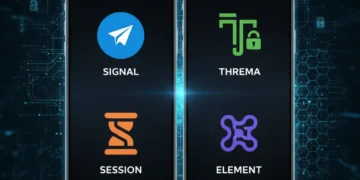
Now, let’s dive into our top three picks for secure messaging apps in 2026, each offering a unique blend of security, features, and user experience. Our selection is based on their commitment to E2EE, transparency, privacy policies, and overall reputation within the cybersecurity community.
1. Signal: The Gold Standard of Privacy
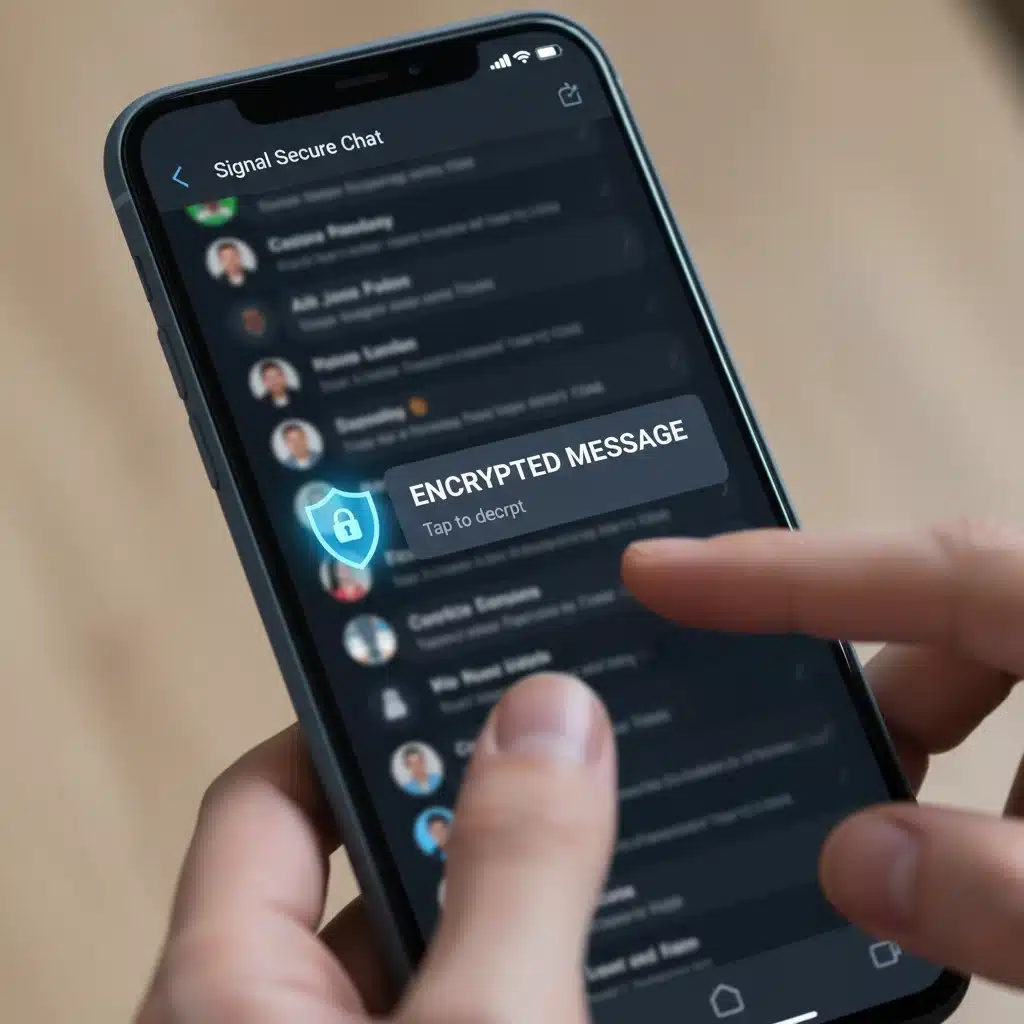
Signal continues to be the undisputed leader in secure messaging, consistently recommended by cybersecurity experts, privacy advocates, and even prominent figures like Edward Snowden. Its commitment to user privacy is unparalleled, making it the gold standard for anyone seeking truly confidential communications.
Key Features:
- Signal Protocol: Signal pioneered and continues to develop the Signal Protocol, which provides state-of-the-art end-to-end encryption for all messages, voice calls, and video calls. This protocol is so robust that it’s been adopted by other secure messaging apps.
- Open Source: The entire Signal codebase is open source, allowing independent security researchers to scrutinize it for vulnerabilities. This transparency builds immense trust within the security community.
- No Metadata Collection: Unlike many other messaging services, Signal collects virtually no metadata. This means they don’t know who you’re talking to, when, or how often, significantly reducing your digital footprint.
- Disappearing Messages: Users can set messages to disappear after a specified time, adding an extra layer of privacy for sensitive conversations.
- Screen Security: Signal includes features like screen blanking in the app switcher and screenshot blocking on Android, preventing accidental exposure of your chats.
- Encrypted Backups: While optional, users can enable encrypted backups to securely store their chat history.
- Cross-Platform Availability: Available on Android, iOS, Windows, macOS, and Linux, ensuring broad accessibility.
Pros:
- Unquestionable commitment to privacy and security.
- Strongest encryption protocol available.
- Minimal metadata collection.
- Free and open-source software.
- No ads or trackers.
Cons:
- Requires a phone number for registration (though this is being actively worked on for alternative identifiers).
- Smaller user base compared to mainstream apps, which can be a barrier for mass adoption.
In 2026, Signal remains the top recommendation for individuals and organizations where privacy is non-negotiable. Its continuous innovation in security features and its unwavering dedication to user rights make it an exemplary choice among secure messaging apps.
2. Threema: Privacy by Design with Anonymity
Threema stands out as a premium, privacy-focused messaging app that emphasizes anonymity and data minimization. Developed in Switzerland, a country known for its strong privacy laws, Threema offers a compelling alternative for users who prioritize absolute anonymity without linking their identity to a phone number or email.
Key Features:
- True Anonymity: Threema allows users to communicate completely anonymously. You don’t need to provide a phone number or email address; instead, you receive a unique Threema ID.
- End-to-End Encryption: All communications, including messages, group chats, media files, and status messages, are end-to-end encrypted using the NaCl cryptography library.
- Decentralized Architecture: Threema’s servers are located in Switzerland and are designed to store as little data as possible. Message metadata is also heavily minimized.
- Open Source (Partial): While not entirely open-source like Signal, Threema’s core cryptographic library and client-side applications have been made open-source and are regularly audited by external experts.
- Polling Feature: Users can create polls within chats, which are also end-to-end encrypted, making it a secure tool for group decision-making.
- Desktop App: Offers a secure desktop application that syncs with your mobile device.
- Paid App: Threema is a paid app, which means its business model is not reliant on selling user data or displaying ads, further reinforcing its commitment to privacy.
Pros:
- Unmatched anonymity; no phone number or email required.
- Strong E2EE with Swiss jurisdiction.
- No ads, no data collection for commercial purposes.
- Comprehensive feature set for secure communication.
Cons:
- One-time purchase fee, which might deter some users.
- Smaller user base compared to free alternatives.
- Limited open-source transparency compared to Signal.
For those willing to pay a small fee for enhanced anonymity and robust security, Threema remains an excellent choice among secure messaging apps in 2026. Its Swiss-based operations and focus on data minimization provide a strong sense of privacy.
3. Session: Decentralized and Metadata-Free
Session takes a unique approach to secure messaging by leveraging a decentralized network, aiming to eliminate metadata collection entirely. Built on a fork of the Signal Protocol and integrated with the Oxen blockchain, Session offers a truly anonymous and censorship-resistant communication platform.
Key Features:
- Decentralized Network (Onion Routing): Session routes messages through a decentralized network of ‘service nodes’ (similar to Tor), obscuring your IP address and making it extremely difficult to trace the origin or destination of messages.
- No Phone Number/Email: Like Threema, Session does not require a phone number or email for registration. Users are assigned a unique Session ID.
- Metadata-Free: Due to its decentralized nature, Session aims to collect zero metadata, offering a higher degree of anonymity than traditional messaging apps.
- Open Source: The entire Session codebase is open source, allowing for community audits and verification of its security claims.
- Self-Destructing Messages: Offers ephemeral messages for enhanced privacy.
- Group Chats: Supports secure, private group chats without logging user IPs.
- Encrypted File Transfers: Securely send images, documents, and other files.
Pros:
- High level of anonymity through decentralized routing.
- No phone number or email required.
- Minimal to no metadata collection.
- Completely open source.
- Censorship-resistant due to its decentralized architecture.
Cons:
- Message delivery can sometimes be slower due to onion routing.
- Smaller user base, which can impact network effect.
- The underlying blockchain technology might be complex for some users to understand.
For the privacy-conscious user who desires maximum anonymity and resistance to surveillance, Session presents a cutting-edge solution in the landscape of secure messaging apps for 2026. Its decentralized model is a strong differentiator in the quest for true digital freedom.
Key Factors to Consider When Choosing a Secure Messaging App
While our top three picks offer excellent security, the ‘best’ app ultimately depends on your individual needs and threat model. Here are crucial factors to consider when making your choice among secure messaging apps:
1. End-to-End Encryption (E2EE): This is non-negotiable. Ensure the app uses strong, independently audited E2EE protocols for all communications (messages, calls, file transfers). The Signal Protocol is generally considered the industry standard.
2. Metadata Policy: Beyond message content, metadata (who you talk to, when, from where, and for how long) can reveal a lot about you. Choose apps that collect minimal to no metadata. Review their privacy policy carefully.
3. Open Source vs. Proprietary: Open-source code allows security experts worldwide to inspect the app for vulnerabilities and backdoors, fostering transparency and trust. Proprietary apps, while potentially secure, lack this level of public scrutiny.
4. Anonymity Features: Do you need to register with a phone number or email? Apps like Threema and Session offer greater anonymity by using unique IDs instead of personal identifiers. This is crucial if your threat model includes state-level adversaries or highly targeted surveillance.
5. Jurisdiction and Company Ownership: The country where the app is based and its parent company’s policies can impact how your data is handled, especially in response to government requests. Countries with strong privacy laws (like Switzerland for Threema) are often preferred.
6. User Base and Network Effect: An app is only useful if the people you want to communicate with are also using it. Signal, despite its smaller user base compared to WhatsApp, has gained significant traction due to its reputation. Consider if your primary contacts are willing to switch.
7. Features and Usability: While security is paramount, an app also needs to be user-friendly and offer the features you need (group chats, file sharing, voice/video calls). A highly secure app that’s too difficult to use won’t be adopted.
8. Business Model: How does the app make money? If it’s free, is it funded by donations (like Signal) or venture capital? If it’s a paid app (like Threema), its incentive to protect your data is often stronger as you are the customer, not the product. Avoid apps that rely on advertising or data selling.
9. Audits and Transparency Reports: Reputable secure messaging apps undergo regular independent security audits and often publish transparency reports detailing government data requests and their responses. This demonstrates a commitment to accountability.
10. Device Security: Remember that even the most secure app can’t protect you if your device itself is compromised. Always keep your operating system and apps updated, use strong unique passwords, and be cautious about what you click or download.
The Future of Secure Messaging: What to Expect Beyond 2026
The evolution of secure messaging apps is a continuous journey, driven by advancements in cryptography, emerging threats, and changing user expectations. As we look beyond 2026, several trends and innovations are likely to shape the future of private communication.
One significant area of development is post-quantum cryptography. With the potential rise of quantum computers capable of breaking current encryption standards, researchers are actively developing new cryptographic algorithms that are resistant to quantum attacks. Future secure messaging apps will likely integrate these quantum-resistant algorithms to ensure long-term confidentiality of communications.
Further decentralization will also be a key trend. While Session already employs a decentralized network, we can expect more messaging platforms to explore blockchain-based or peer-to-peer architectures. This shift aims to eliminate central points of failure, reduce metadata collection, and make censorship more difficult, offering greater resilience and anonymity to users worldwide. The goal is to move away from reliance on any single entity that could be compelled to compromise user data.
Enhanced identity verification without compromising anonymity will also be a focus. While apps like Threema and Session offer anonymous registration, there’s a growing need for mechanisms that allow users to verify the identity of their contacts without revealing their own personal information to the service provider. This could involve zero-knowledge proofs or other privacy-preserving authentication methods, ensuring you’re talking to who you think you’re talking to, without revealing your identity to the app itself.
Integration with other privacy-preserving technologies is another area of growth. We might see more seamless integration of secure messaging with decentralized storage solutions, anonymous browsing tools (like Tor), and privacy-focused operating systems. This would create a holistic ecosystem of privacy tools, allowing users to manage their digital lives with greater control and security.
Finally, user education and awareness will continue to be paramount. As technology advances, so too does the complexity of maintaining digital privacy. Secure messaging apps will need to make their advanced features more accessible and understandable to the average user, empowering them to make informed choices and adopt best practices without needing to be cybersecurity experts. The future of secure messaging is not just about stronger algorithms; it’s about making robust privacy universally attainable and easy to use.
Conclusion: Empowering Your Digital Privacy in 2026
In conclusion, navigating the digital landscape of 2026 demands a proactive approach to protecting your personal communications. The review of Signal, Threema, and Session highlights the diverse and robust options available for those seeking to safeguard their data privacy. Each of these secure messaging apps offers a unique set of features and privacy guarantees, catering to different levels of security needs and anonymity preferences. Signal stands out for its unmatched encryption and minimal metadata collection, Threema offers strong anonymity and Swiss-based privacy, while Session pushes the boundaries with its decentralized, metadata-free approach.
The choice of a secure messaging app is a personal one, deeply intertwined with your individual threat model and comfort level with technology. It’s crucial to move beyond the convenience of mainstream apps that often prioritize data monetization over user privacy. By understanding the core principles of end-to-end encryption, scrutinizing privacy policies, and evaluating an app’s commitment to transparency, you can make an informed decision that truly empowers your digital privacy.
Remember, no single app can provide absolute security if other aspects of your digital life are neglected. Secure messaging is a critical component of a broader cybersecurity strategy that includes strong passwords, regular software updates, and an awareness of common digital threats. As technology continues to evolve, so too will the tools and techniques for protecting our privacy. Staying informed and adapting your choices is key to maintaining a secure and private digital presence.
As we continue through 2026 and beyond, the importance of choosing a reliable secure messaging app will only grow. Take the time to evaluate your needs, experiment with these top-rated platforms, and embrace the power of encrypted communication. Your digital conversations are worth protecting, and with the right tools, you can ensure they remain private and secure.