Top 3 Finance Tracking Apps 2026: Security & Budgeting for Americans
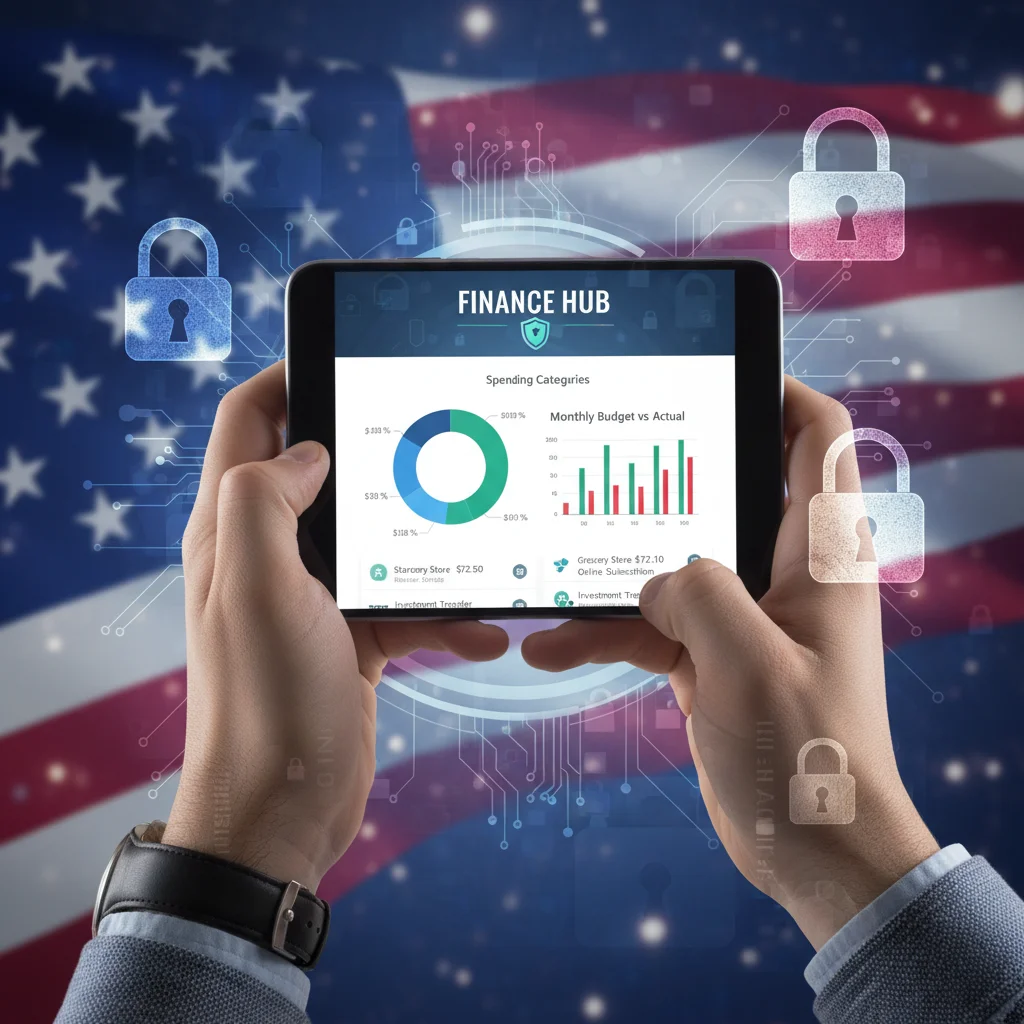
Reviewing the 3 Most Impactful Finance Tracking Apps for 2026: Data Security and Budgeting Insights for Americans
In an increasingly digital world, managing your finances has evolved from balancing checkbooks to seamlessly tracking every dollar through powerful applications. For Americans navigating complex financial landscapes, the right finance tracking apps can be the difference between financial stress and confident control. As we look towards 2026, the landscape of personal finance technology continues to innovate, offering more sophisticated tools for budgeting, investing, and understanding your spending habits. However, with great power comes great responsibility, especially when dealing with sensitive financial data. The paramount concern for any user is, and always should be, data security.
This comprehensive review delves into the three most impactful finance tracking apps poised to dominate the American market in 2026. We will scrutinize their features, user experience, and, most critically, their data security protocols and budgeting insights. Our goal is to equip you with the knowledge to make an informed decision, ensuring your financial peace of mind while leveraging the best technology available.
The Evolving Landscape of Personal Finance Technology
The journey of personal finance management has seen remarkable transformations. From ledger books to spreadsheets, and now to intelligent mobile applications, each evolution has aimed to simplify and enhance our ability to manage money. The apps of 2026 are not just about tracking expenses; they are about providing predictive analytics, personalized financial advice, and robust security frameworks that safeguard your most sensitive information. For American consumers, this means access to tools that can help navigate everything from student loan debt to retirement planning, all from the palm of their hand.
The demand for sophisticated yet user-friendly finance tracking apps has never been higher, driven by a generation that values convenience and digital fluency. These apps are becoming integral to daily financial routines, offering real-time updates and actionable insights that empower users to make smarter financial decisions. But how do these apps stand up to the scrutiny of data protection and how effective are their budgeting features?
Why Data Security is Non-Negotiable for Finance Tracking Apps
Before diving into individual apps, it’s crucial to understand why data security is the cornerstone of any reliable finance tracking app. Your financial data – bank account numbers, credit card details, transaction histories, investment portfolios – is a goldmine for cybercriminals. A breach can lead to identity theft, financial fraud, and a significant loss of trust. Therefore, when evaluating finance tracking apps, the strength of their encryption, multi-factor authentication, and privacy policies must be meticulously examined.
American users, in particular, are subject to various data protection regulations, and understanding how these apps comply is vital. Transparency in data handling, clear privacy policies, and a track record of robust security measures are indicators of a trustworthy application. We’ll be looking at how each app addresses these critical concerns, ensuring your financial data remains just that: yours.
Key Features Defining Top Finance Tracking Apps in 2026
Beyond security, the most impactful finance tracking apps of 2026 share several common characteristics that set them apart:
- Intuitive User Interface (UI) and User Experience (UX): Easy navigation and clear presentation of complex financial data.
- Comprehensive Budgeting Tools: Customizable categories, real-time tracking, and alerts for overspending.
- Transaction Categorization: Automatic classification of expenses to simplify tracking.
- Net Worth Tracking: A holistic view of assets and liabilities.
- Bill Reminders: To avoid late fees and maintain a good credit score.
- Investment Tracking: Integration with brokerage accounts to monitor portfolio performance.
- Goal Setting: Features to help users save for specific objectives like a down payment or retirement.
- Reporting & Analytics: Visual summaries and insights into spending patterns and financial health.
- Bank-Level Security: Encryption, multi-factor authentication, and robust privacy policies.
- Customer Support: Responsive and helpful support channels.
With these criteria in mind, let’s explore our top contenders for 2026.
App 1: Mint – The Enduring Powerhouse with Enhanced Security
Mint has long been a staple in the personal finance app ecosystem, and for good reason. As we approach 2026, Mint continues to evolve, solidifying its position as a leading finance tracking app for Americans. Its strength lies in its comprehensive approach to financial management, offering a broad spectrum of features that cater to diverse user needs, from basic budgeting to complex financial planning.
Features and User Experience
Mint’s interface remains highly user-friendly, providing a clear dashboard that offers an immediate snapshot of your financial health. Users can effortlessly link all their financial accounts – bank accounts, credit cards, loans, investments – in one centralized location. The app’s automatic transaction categorization is a standout feature, significantly reducing manual data entry and making budgeting less tedious. However, users still have the flexibility to recategorize transactions as needed, ensuring accuracy.
Its budgeting tools are robust, allowing for the creation of custom budgets with clear visual indicators of spending thresholds. Real-time alerts notify users when they are approaching or exceeding their budget limits, fostering greater financial discipline. Mint also excels in bill tracking, offering reminders and a consolidated view of upcoming payments, mitigating the risk of late fees.
For those looking beyond day-to-day spending, Mint provides net worth tracking, showing the combined value of assets minus liabilities. It also offers insights into credit scores, helping users monitor and improve their financial standing. The app’s reporting features are intuitive, generating graphs and charts that visualize spending trends, income distribution, and savings progress, empowering users to identify areas for improvement.
Data Security in 2026
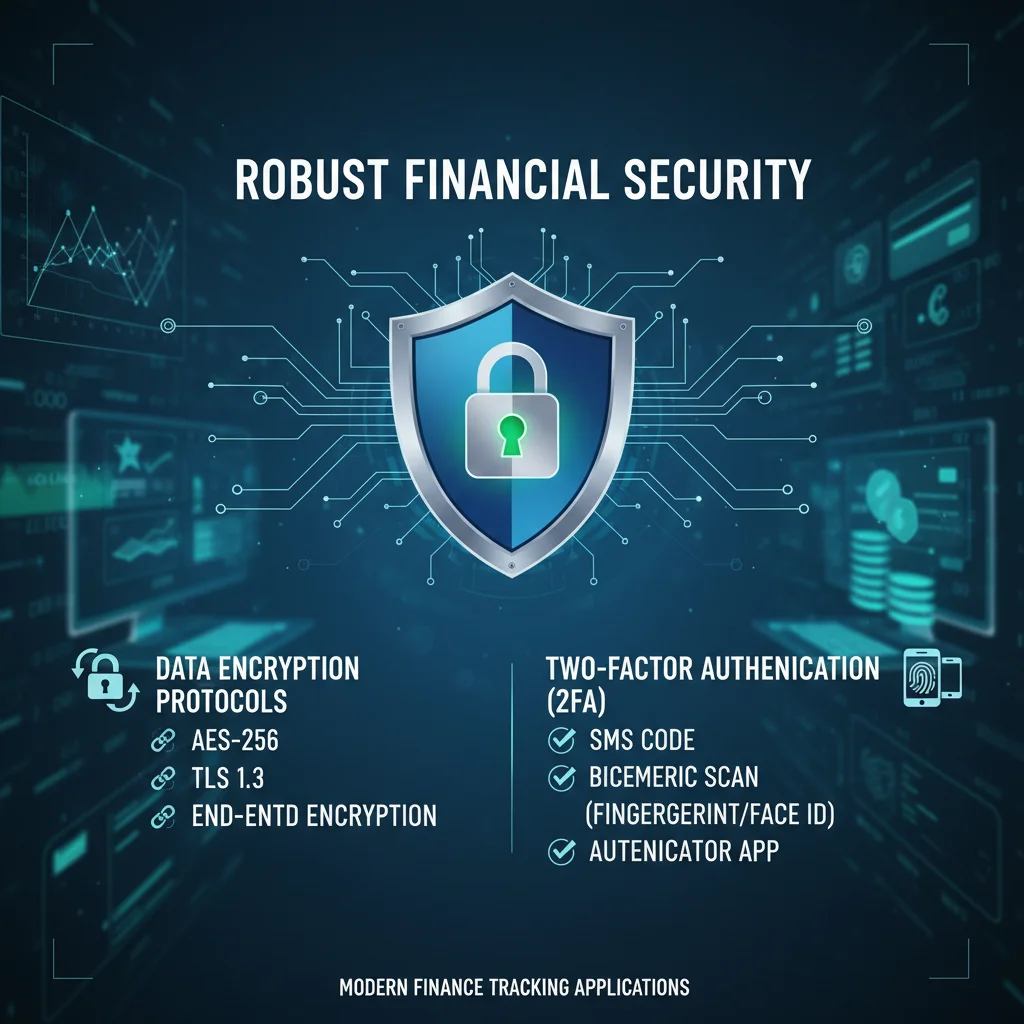
Mint, backed by Intuit, has consistently prioritized data security, a critical factor for its enduring popularity. In 2026, Mint employs advanced encryption protocols, including 256-bit SSL encryption, the same level of security used by banks. All data is transmitted and stored with these stringent measures, ensuring that your financial information is protected from unauthorized access.
Furthermore, Mint utilizes multi-factor authentication (MFA), adding an extra layer of security beyond just a password. This typically involves a verification code sent to your phone or email, making it significantly harder for unauthorized individuals to access your account even if they somehow obtain your login credentials. Mint also offers features like Touch ID and Face ID for quick and secure access on mobile devices.
Their privacy policy is transparent, outlining how user data is collected, used, and protected. Mint emphasizes that it uses anonymized and aggregated data for insights and improvements, without sharing identifiable personal financial information with third parties for marketing purposes. Regular security audits and compliance with industry standards further solidify Mint’s commitment to protecting user data, making it a reliable choice for American consumers concerned about digital privacy.
Budgeting Insights for Americans
Mint’s budgeting insights are particularly valuable for American users. It allows for detailed categorization relevant to the US economy, such as specific tax deductions, student loan tracking, and retirement account integration (401k, IRA). The app provides personalized recommendations based on spending habits, suggesting areas where users can save money or optimize their budget. For instance, it might highlight recurring subscriptions that are no longer used or suggest cheaper alternatives for certain services.
The ability to set financial goals, whether it’s saving for a down payment on a house, paying off credit card debt, or funding a child’s education, is seamlessly integrated. Mint tracks progress towards these goals, offering motivational nudges and adjustments to your budget as needed. Its predictive analytics can even forecast how current spending habits might impact future financial goals, providing a forward-looking perspective that is incredibly empowering.
In 2026, Mint is expected to further enhance its AI-driven advice, offering more nuanced and personalized insights tailored to individual financial situations and market conditions within the US. This proactive guidance helps users not just track their money, but strategically manage it for long-term financial health.
App 2: YNAB (You Need A Budget) – The Zero-Based Budgeting Champion
YNAB, or You Need A Budget, takes a distinctly different approach to personal finance management compared to many other apps. It champions the zero-based budgeting method, where every dollar is assigned a job. This philosophy has cultivated a fiercely loyal user base, particularly among Americans who are serious about gaining granular control over their spending and achieving specific financial goals. By 2026, YNAB’s methodology has proven its effectiveness, making it a powerful contender for those seeking profound behavioral change in their financial habits.
Features and User Experience
YNAB’s core strength lies in its four rules: Give Every Dollar a Job, Embrace Your True Expenses, Roll With the Punches, and Age Your Money. These rules are deeply embedded in the app’s design, guiding users through a disciplined budgeting process. Unlike apps that merely track past spending, YNAB focuses on future spending, encouraging users to allocate funds before they are spent.
The interface is clean and functional, prioritizing clarity over flashy visuals. Users connect their bank accounts, credit cards, and other financial institutions, and YNAB pulls in transactions. The magic happens in the budgeting screen, where users manually categorize each transaction and assign it to a specific budget category (e.g., ‘Groceries,’ ‘Rent,’ ‘Emergency Fund’). This manual interaction, while initially requiring more effort, fosters a deeper understanding of where money is going.
YNAB’s ‘True Expenses’ feature is particularly impactful, helping users plan for irregular but inevitable expenses like car repairs, annual insurance premiums, or holiday gifts by setting aside small amounts each month. The ‘Age Your Money’ metric encourages users to build a buffer, ideally reaching a point where they are spending money that is 30 days or older, signifying financial stability.
While YNAB doesn’t offer investment tracking in the same way as some competitors, its intense focus on cash flow management indirectly supports investment goals by freeing up capital for savings and investments.
Data Security in 2026
YNAB understands that its unique methodology requires immense trust, especially regarding financial data. In 2026, YNAB continues to maintain a high standard of data security. They employ end-to-end encryption for all data transmitted between your device and their servers, utilizing industry-standard TLS 1.2 or higher. Data at rest is also encrypted, ensuring that even if physical servers were compromised, the data would remain unreadable.
YNAB never stores your bank login credentials directly. Instead, they use third-party data aggregators (like Plaid) that are themselves highly secure and regulated, acting as a secure intermediary between your bank and the app. This layered approach minimizes risk. Multi-factor authentication is also a standard feature, and users can opt for additional security measures such as PIN protection on mobile devices.
Their commitment to privacy is evident in their policy, which clearly states that they do not sell or share identifiable customer data with third parties for advertising. YNAB’s business model relies on subscriptions, aligning their incentives with user privacy and security rather than data monetization. Regular security audits and adherence to best practices reinforce their position as a secure platform for managing sensitive financial information.
Budgeting Insights for Americans
For Americans, YNAB’s zero-based budgeting is profoundly effective for debt management, particularly credit card debt and student loans. By giving every dollar a job, users are forced to confront their spending habits and intentionally allocate funds towards debt repayment, accelerating their journey to financial freedom. The app’s reporting clearly shows where money was assigned and spent, providing unparalleled clarity.
YNAB’s philosophy encourages proactive financial planning, which is invaluable in navigating the varied economic conditions within the US. It helps users build emergency funds, save for large purchases like a car or a home, and even plan for fluctuating income, common for freelancers or those in seasonal employment. The active engagement required by YNAB’s method leads to a deeper understanding of personal finances, often transforming how users think about and interact with their money.
The YNAB community, through forums and educational resources, also provides a supportive environment for American users to learn, share strategies, and stay motivated on their budgeting journey, adding an extra layer of value beyond the app’s features.
App 3: Personal Capital (Now Empower) – The Wealth Management & Budgeting Hybrid
Personal Capital, now rebranded as Empower Personal Dashboard, occupies a unique niche in the finance tracking app market. It seamlessly blends robust budgeting tools with sophisticated wealth management and investment tracking capabilities. By 2026, Empower Personal Dashboard has become the go-to solution for American users who not only want to track their daily spending but also gain a comprehensive, long-term view of their investments and overall net worth. It caters particularly well to individuals with more complex financial portfolios or those actively planning for retirement and significant life events.
Features and User Experience
Empower Personal Dashboard offers a powerful, all-in-one financial dashboard. Users can link all their financial accounts, including bank accounts, credit cards, mortgages, loans, and, crucially, investment accounts (401ks, IRAs, brokerage accounts). The app’s strength lies in its ability to aggregate this diverse data into a single, cohesive view of one’s entire financial life.
While often highlighted for its investment features, Empower Personal Dashboard provides excellent budgeting tools. It automatically categorizes transactions, similar to Mint, and allows users to set spending targets. Its cash flow analysis gives a clear picture of income versus expenses. However, its budgeting approach is more about tracking and analysis rather than YNAB’s strict zero-based allocation.
The investment tracking features are where Empower truly shines. It provides detailed analysis of your portfolio, including asset allocation, performance tracking, and fee analysis – a critical insight for long-term investors. Its retirement planner is exceptionally robust, allowing users to model various scenarios and understand if they are on track for their retirement goals. The fee analyzer can uncover hidden costs in investment accounts, potentially saving users thousands over their lifetime.
For users with over $100,000 in investable assets, Empower also offers access to human financial advisors, integrating personalized financial planning with its digital tools. This hybrid approach is a significant differentiator for American users seeking professional guidance alongside self-management.
Data Security in 2026
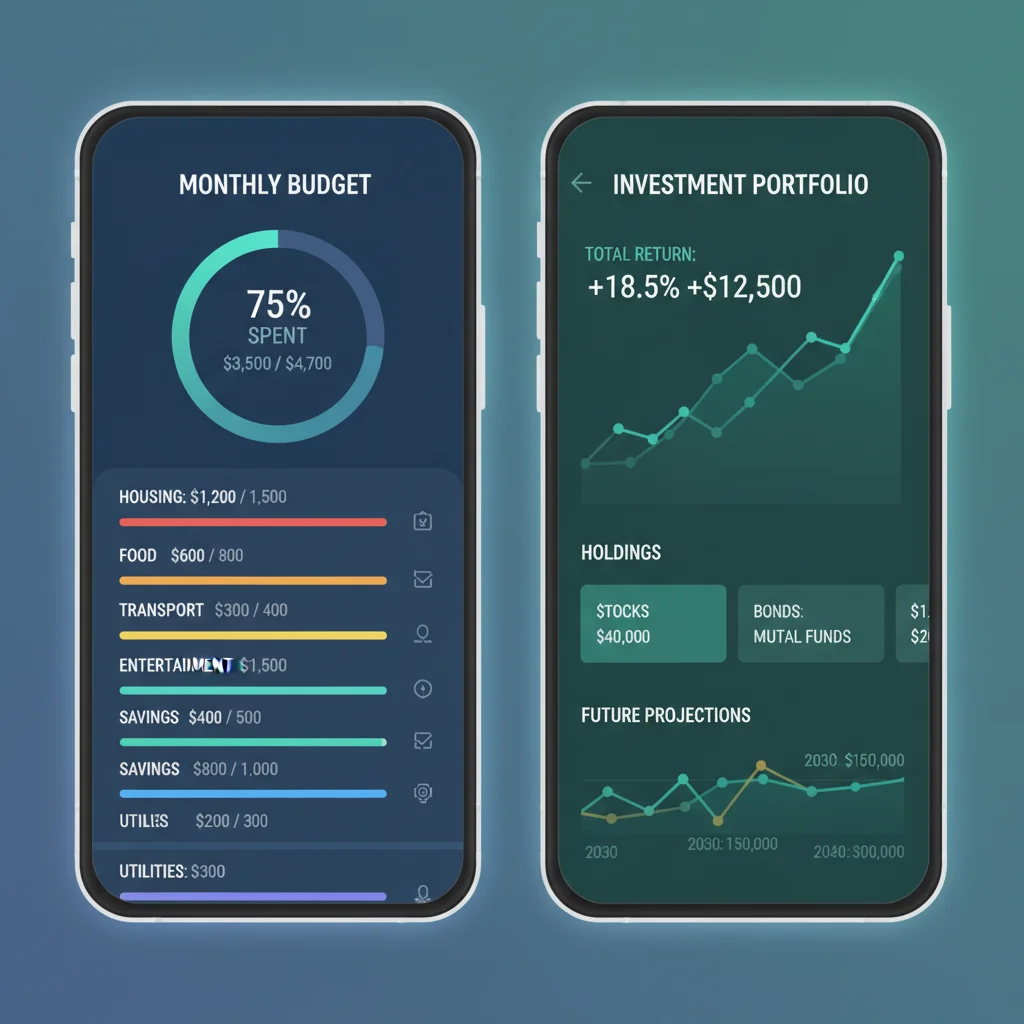
Given the high-value nature of the data it handles, Empower Personal Dashboard places an extremely high emphasis on security. In 2026, it continues to employ bank-level security measures, including 256-bit AES encryption for data at rest and TLS 1.2 or higher for data in transit. All servers are hosted in secure data centers with physical and electronic safeguards.
Similar to YNAB and Mint, Empower does not store your banking credentials. It uses secure, read-only connections to financial institutions through trusted third-party aggregators. This means Empower can see your transaction data to provide insights, but it cannot initiate transfers or make changes to your accounts. Multi-factor authentication is mandatory, and users can utilize biometric authentication for mobile access.
Empower’s privacy policy is comprehensive, detailing its commitment to protecting user data. As a regulated financial advisor (through its advisory services), Empower is held to stringent fiduciary standards, which further underscores its dedication to client trust and data protection. Regular independent security audits are conducted to ensure compliance and identify potential vulnerabilities, providing peace of mind for American users entrusting their entire financial picture to the platform.
Budgeting and Wealth Management Insights for Americans
Empower Personal Dashboard offers a unique blend of short-term budgeting insights and long-term wealth management strategies, which is particularly beneficial for affluent Americans or those aspiring to build significant wealth. Its ability to track all assets, including real estate and alternative investments, provides a truly holistic view of net worth.
The app’s retirement planner is a standout feature, allowing users to project their retirement readiness based on current savings, spending, and investment performance. It can account for Social Security, pensions, and various investment growth scenarios, offering actionable steps to adjust course if needed. This long-term perspective is crucial for Americans planning for a secure future.
Furthermore, the investment checkup feature analyzes portfolio diversification, risk tolerance, and fees, providing recommendations for optimization. For American investors, navigating different investment vehicles (401k, IRA, Roth IRA, taxable brokerage accounts) and understanding their tax implications is complex. Empower simplifies this by offering clear insights and, for those who opt for advisory services, expert guidance. This comprehensive approach empowers users to not only manage their daily budget but also strategically grow and protect their wealth over time.
Choosing the Right Finance Tracking App for You in 2026
The choice among these top three finance tracking apps for 2026 ultimately depends on your individual financial goals and preferences. Each app brings a unique set of strengths to the table, tailored for different aspects of financial management.
- Choose Mint if: You’re looking for a free, comprehensive, and user-friendly app for general budgeting, expense tracking, and credit score monitoring. It’s excellent for those who want a broad overview of their finances with automatic categorization and helpful alerts. Its enhanced security features in 2026 make it a trustworthy option for everyday financial management.
- Choose YNAB if: You are committed to a hands-on, zero-based budgeting approach and want to deeply understand and control every dollar. It’s ideal for those looking to break cycles of debt, build significant savings, and fundamentally change their financial behavior. Its robust security protocols support its intensive data handling.
- Choose Empower Personal Dashboard if: You have a more complex financial situation, including significant investments, and require a holistic view of your net worth alongside budgeting. It’s perfect for individuals focused on long-term wealth building, retirement planning, and potentially seeking professional financial advice. Its enterprise-level security is a strong reassurance for managing substantial assets.
The Future of Finance Tracking Apps and Your Financial Health
As we move further into 2026, the innovation in finance tracking apps will undoubtedly continue. We can expect even more sophisticated AI-driven insights, greater integration with other financial services, and continuous enhancements in data security to combat evolving cyber threats. The focus will remain on empowering American consumers with tools that are not just functional but genuinely transformative for their financial well-being.
Regardless of which app you choose, the most critical step is active engagement. These tools are powerful allies in your financial journey, but their effectiveness is amplified by your commitment to using them consistently. Regular review of your budget, tracking your spending, and adjusting your financial goals are all essential components of successful money management.
By prioritizing data security and leveraging the advanced budgeting insights offered by these leading finance tracking apps, Americans can confidently navigate their financial futures, achieving greater control, stability, and prosperity. Make 2026 the year you truly master your money with the right digital partner.