Boost Productivity 2026: Automation Tools Saving US Professionals Time

The 2026 Productivity Power-Up: How Workday Automation Tools Are Saving US Professionals 20% of Their Workday
In the relentless pursuit of efficiency and competitive advantage, US professionals are constantly seeking innovative ways to optimize their time and output. The year 2026 marks a significant milestone in this journey, as workday automation tools have emerged not just as a trend, but as a fundamental pillar of modern professional life. Recent studies and industry analyses reveal a compelling truth: these sophisticated tools are now saving US professionals an average of 20% of their workday. This isn’t merely about doing things faster; it’s about fundamentally reshaping how work is done, freeing up invaluable time for strategic thinking, innovation, and personal development. The impact of these workday automation tools is profound, extending beyond individual productivity to influence organizational culture, employee satisfaction, and overall economic growth.
The landscape of work in 2026 is characterized by an increasing demand for agility, responsiveness, and data-driven decision-making. Manual, repetitive tasks, once the bane of many professionals’ existence, are steadily being delegated to intelligent automation systems. This shift is not just a technological upgrade; it represents a paradigm change in how we perceive and manage our most precious resource: time. By leveraging advanced workday automation tools, professionals across various sectors are able to streamline complex processes, minimize errors, and reallocate their focus to high-value activities that truly drive progress. This article delves into the specifics of this transformative phenomenon, exploring the types of tools at play, the tangible benefits they offer, and the strategies for successful implementation that are defining the future of work.
The Rise of Workday Automation Tools: A 2026 Perspective
The evolution of workday automation tools has been rapid and impactful. What began as simple task-based scripts has matured into sophisticated, AI-powered platforms capable of handling intricate workflows, data analysis, and even basic decision-making. In 2026, these tools are no longer niche solutions but mainstream necessities, integrated deeply into the operational fabric of businesses large and small across the United States. The 20% workday saving isn’t a hypothetical figure; it’s a measurable outcome derived from countless hours previously spent on administrative overhead, data entry, scheduling, and communication management.
One of the primary drivers behind this widespread adoption is the sheer volume of digital information and the increasing complexity of business operations. Professionals are often overwhelmed by the deluge of emails, reports, and data points that demand their attention. Workday automation tools act as a digital assistant, sifting through the noise, prioritizing tasks, and executing routine operations with unparalleled speed and accuracy. This allows human capital to be redirected towards tasks that require creativity, emotional intelligence, and complex problem-solving – areas where human intervention remains indispensable.
Consider the impact on sectors like finance, healthcare, and marketing. In finance, automated reconciliation, report generation, and compliance checks save countless hours, reducing the risk of human error in critical financial operations. Healthcare professionals are leveraging automation for appointment scheduling, patient record management, and even preliminary diagnostic support, freeing up valuable time for direct patient care. Marketing teams use automation for email campaigns, social media scheduling, lead nurturing, and performance analytics, allowing them to focus on crafting compelling content and strategic campaign development. These examples underscore the versatility and pervasive influence of workday automation tools.
Key Categories of Workday Automation Tools in 2026
The spectrum of workday automation tools is broad, encompassing various functionalities designed to address different aspects of professional life. Understanding these categories is crucial for any organization looking to maximize its productivity gains:
- Robotic Process Automation (RPA): RPA tools are designed to automate repetitive, rule-based digital tasks. This includes data entry, form filling, extracting information from documents, and system-to-system data transfer. They mimic human interactions with software applications, making them incredibly versatile for a wide range of administrative tasks.
- Business Process Automation (BPA): BPA goes beyond RPA by automating end-to-end business processes, often involving multiple systems and departments. This can include automating invoice processing, onboarding new employees, or managing customer service workflows. BPA platforms integrate various software applications to ensure seamless data flow and task execution.
- Artificial Intelligence (AI) and Machine Learning (ML) powered Automation: These advanced tools leverage AI and ML to automate more complex tasks that require cognitive abilities, such as natural language processing for customer support, predictive analytics for sales forecasting, or intelligent document processing for extracting unstructured data. They learn and adapt over time, continuously improving their performance.
- Communication and Collaboration Automation: Tools in this category automate aspects of internal and external communication. Examples include automated email responses, intelligent meeting scheduling, workflow notifications, and integrated project communication platforms that streamline information sharing and decision-making.
- Data Management and Analytics Automation: These tools automate the collection, cleaning, analysis, and reporting of data. They can generate insights, identify trends, and create dashboards automatically, empowering professionals to make data-driven decisions without spending hours on manual data manipulation.
The Tangible Benefits: How 20% of the Workday is Reclaimed
The 20% workday saving attributed to workday automation tools isn’t just an abstract number; it translates into a multitude of tangible benefits for both individuals and organizations. This reclaimed time is being strategically reinvested, leading to a more dynamic, innovative, and human-centric work environment.
Firstly, the most immediate benefit is increased efficiency and productivity. By automating mundane and time-consuming tasks, professionals can complete their core responsibilities faster and with fewer errors. This directly impacts project timelines, service delivery, and overall output. Imagine a sales professional no longer spending hours manually updating CRM records, but instead focusing on building client relationships and closing deals. This is the power of effective workday automation tools.
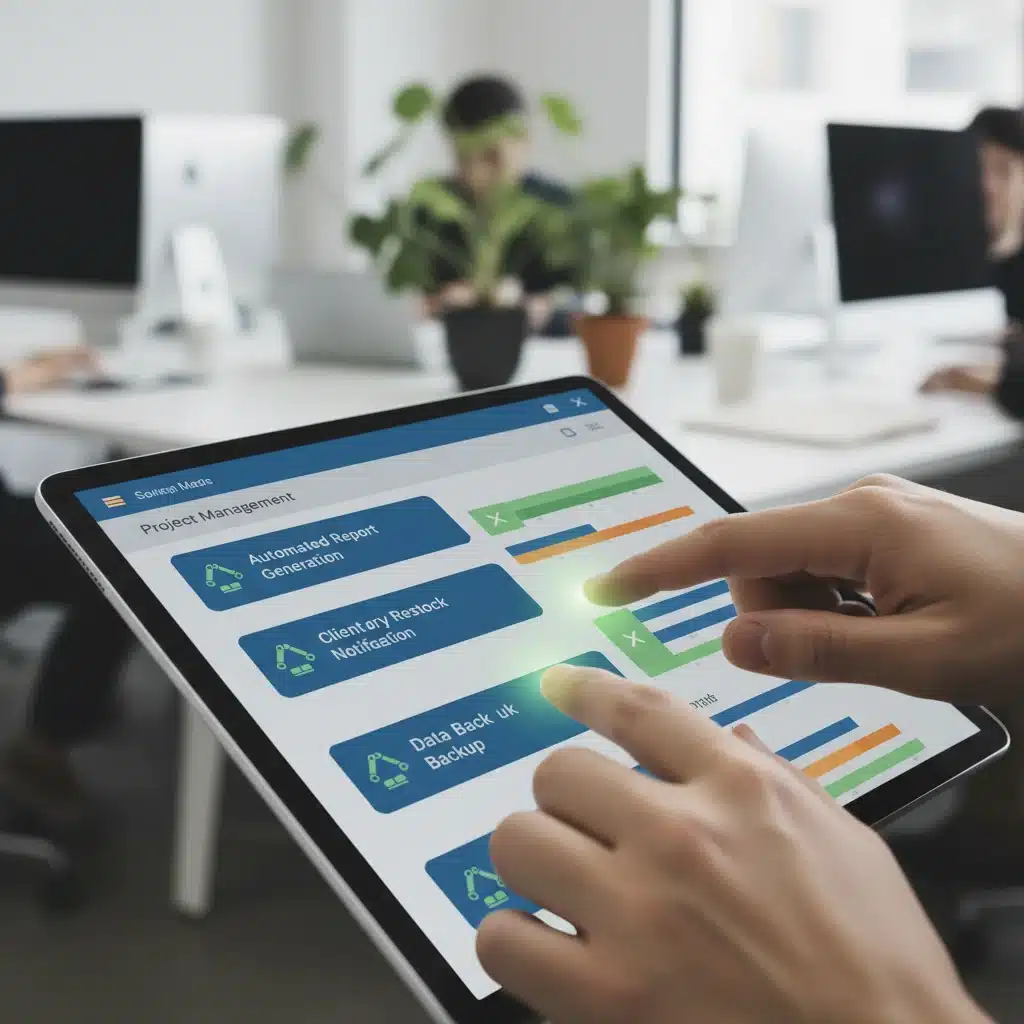
Secondly, automation significantly reduces operational costs. While there’s an initial investment in implementing workday automation tools, the long-term savings from reduced labor costs, minimized errors, and optimized resource allocation far outweigh the upfront expenditure. Companies can achieve more with existing resources, leading to a higher return on investment and improved profitability.
Thirdly, employee satisfaction and engagement see a notable boost. When professionals are freed from repetitive, unfulfilling tasks, they can dedicate their energy to more challenging, creative, and rewarding work. This leads to a greater sense of purpose, reduced burnout, and improved morale. Companies that embrace workday automation tools often report lower employee turnover rates and a more positive workplace culture.
Fourthly, enhanced accuracy and compliance are critical benefits. Human error is an unavoidable aspect of manual processes. Automation, when properly implemented, can execute tasks with near-perfect accuracy, significantly reducing mistakes and the costs associated with rectifying them. In regulated industries, automation ensures adherence to compliance standards, minimizing legal and financial risks.
Finally, the reclaimed time allows for greater focus on strategic initiatives and innovation. With 20% of their workday freed up, professionals have the bandwidth to engage in proactive planning, market research, skill development, and creative problem-solving. This strategic reallocation of time is what truly propels businesses forward in a competitive global market, fostering a culture of continuous improvement and innovation driven by smart use of workday automation tools.
Implementing Workday Automation Tools: Best Practices for 2026 Success
While the benefits of workday automation tools are clear, successful implementation requires a strategic approach. It’s not simply about purchasing software; it’s about integrating these tools effectively into existing workflows and fostering a culture that embraces technological change. Here are some best practices for organizations looking to maximize their automation ROI in 2026:
- Identify and Prioritize Automation Opportunities: Begin by conducting a thorough audit of current processes. Identify tasks that are repetitive, rule-based, high-volume, and prone to human error. Prioritize those that offer the greatest potential for time savings and impact. Focus on processes that, when automated, will directly contribute to the 20% workday saving goal.
- Start Small, Scale Smart: Instead of attempting a massive, company-wide overhaul, begin with pilot projects. Choose a department or a specific workflow to implement workday automation tools. Learn from these initial implementations, refine your strategies, and then gradually scale your efforts across the organization. This iterative approach minimizes risk and builds confidence.
- Invest in the Right Technology Stack: The market for automation tools is vast. Select tools that align with your specific needs, integrate well with your existing IT infrastructure, and are scalable for future growth. Consider factors like user-friendliness, security features, vendor support, and cost-effectiveness.
- Ensure Data Quality and Governance: Automation thrives on clean, accurate data. Before implementing workday automation tools, ensure your data is standardized, consistent, and easily accessible. Establish clear data governance policies to maintain data integrity, which is crucial for the reliable performance of automated systems.
- Train and Upskill Your Workforce: Automation is not about replacing humans; it’s about augmenting human capabilities. Provide comprehensive training to your employees on how to use new workday automation tools effectively. More importantly, offer opportunities for upskilling in areas like process optimization, data analysis, and AI management, preparing them for the evolving demands of the automated workplace.
- Foster a Culture of Continuous Improvement: Automation is an ongoing journey, not a one-time project. Encourage employees to identify new automation opportunities and provide feedback on existing systems. Regularly review and optimize your automated processes to ensure they remain efficient and relevant to your business objectives.
- Measure and Monitor Performance: Establish clear key performance indicators (KPIs) to measure the impact of your workday automation tools. Track metrics like time saved, error reduction, cost savings, and employee satisfaction. Regular monitoring allows you to demonstrate ROI, identify areas for improvement, and justify further investment in automation.
Challenges and Considerations in the Automated Workday
While the benefits of workday automation tools are undeniable, their implementation is not without challenges. Addressing these proactively is crucial for successful integration and sustained productivity gains.
One significant challenge is the initial investment and perceived complexity. Implementing sophisticated automation systems can require substantial upfront capital and expertise. Organizations may struggle with selecting the right tools, integrating them with legacy systems, and managing the technical aspects of deployment. This often necessitates bringing in external consultants or upskilling internal IT teams.
Another concern is job displacement. While workday automation tools are designed to free up time for higher-value tasks, there’s often an underlying fear among employees that their jobs might be eliminated. Effective change management, clear communication, and robust reskilling programs are essential to alleviate these fears and ensure a smooth transition. The focus should always be on how automation empowers employees, rather than replaces them.
Data security and privacy are also paramount considerations. Automated systems often handle sensitive data, making them potential targets for cyberattacks. Robust security protocols, stringent data governance, and compliance with privacy regulations (like GDPR or CCPA) are non-negotiable. Organizations must ensure their workday automation tools adhere to the highest security standards to protect both company and customer information.
Finally, maintaining the human touch in an automated environment is critical. While automation excels at repetitive tasks, human interaction, empathy, and creative problem-solving remain irreplaceable. The challenge lies in striking the right balance, using automation to enhance human capabilities rather than diminish them. Customer service, strategic negotiations, and innovative brainstorming still heavily rely on human intelligence and emotional connection, areas where workday automation tools provide support, not replacement.

The Future is Automated: Sustaining the 20% Workday Saving and Beyond
Looking ahead, the trajectory of workday automation tools suggests even greater impact. The 20% workday saving we observe in 2026 is likely just the beginning. As AI and machine learning capabilities advance, automation will become even more intelligent, capable of handling increasingly complex and nuanced tasks. Predictive automation, for instance, will anticipate needs and proactively execute tasks before they are even assigned, further streamlining operations.
Personalized automation will also become more prevalent. Tools will adapt to individual work styles and preferences, creating a truly bespoke automated experience for each professional. This level of personalization will not only boost individual productivity but also enhance job satisfaction by tailoring the work environment to individual strengths and needs. The integration of workday automation tools with virtual and augmented reality platforms could also open up new dimensions of efficiency and collaboration.
The emphasis will shift from simply automating tasks to automating entire workflows and decision-making processes. This will require a deeper understanding of business logic and a more sophisticated integration of various automation technologies. Organizations that embrace this holistic view of automation will be best positioned to unlock even greater efficiencies and maintain a competitive edge.
Furthermore, ethical considerations surrounding AI and automation will continue to evolve. Transparency, accountability, and fairness in automated decision-making will be paramount. As workday automation tools become more autonomous, ensuring they operate within ethical guidelines and reflect human values will be a critical area of focus for developers and policymakers alike.
Conclusion: Embracing the Automated Future with Workday Automation Tools
The year 2026 unequivocally demonstrates the transformative power of workday automation tools. By enabling US professionals to reclaim an impressive 20% of their workday, these technologies are not just improving efficiency; they are fundamentally redefining the nature of work itself. This newfound time is being channeled into innovation, strategic growth, and enhanced employee well-being, paving the way for a more dynamic and fulfilling professional landscape.
For organizations and professionals alike, the message is clear: embracing automation is no longer optional but essential for sustained success. By strategically identifying automation opportunities, investing in the right tools, and fostering a culture of continuous learning and adaptation, businesses can unlock significant competitive advantages. The journey towards a fully optimized, automated workday is ongoing, but the foundation laid by current workday automation tools in 2026 sets a powerful precedent for a future where technology empowers humanity to achieve unprecedented levels of productivity and innovation.
The future of work is not just about working harder, but working smarter. And in 2026, workday automation tools are providing the intelligence and efficiency needed to do just that, allowing professionals to thrive in an increasingly complex and competitive world.