2026 Smart Home Ecosystem: 4 Essential Apps for Seamless Device Integration
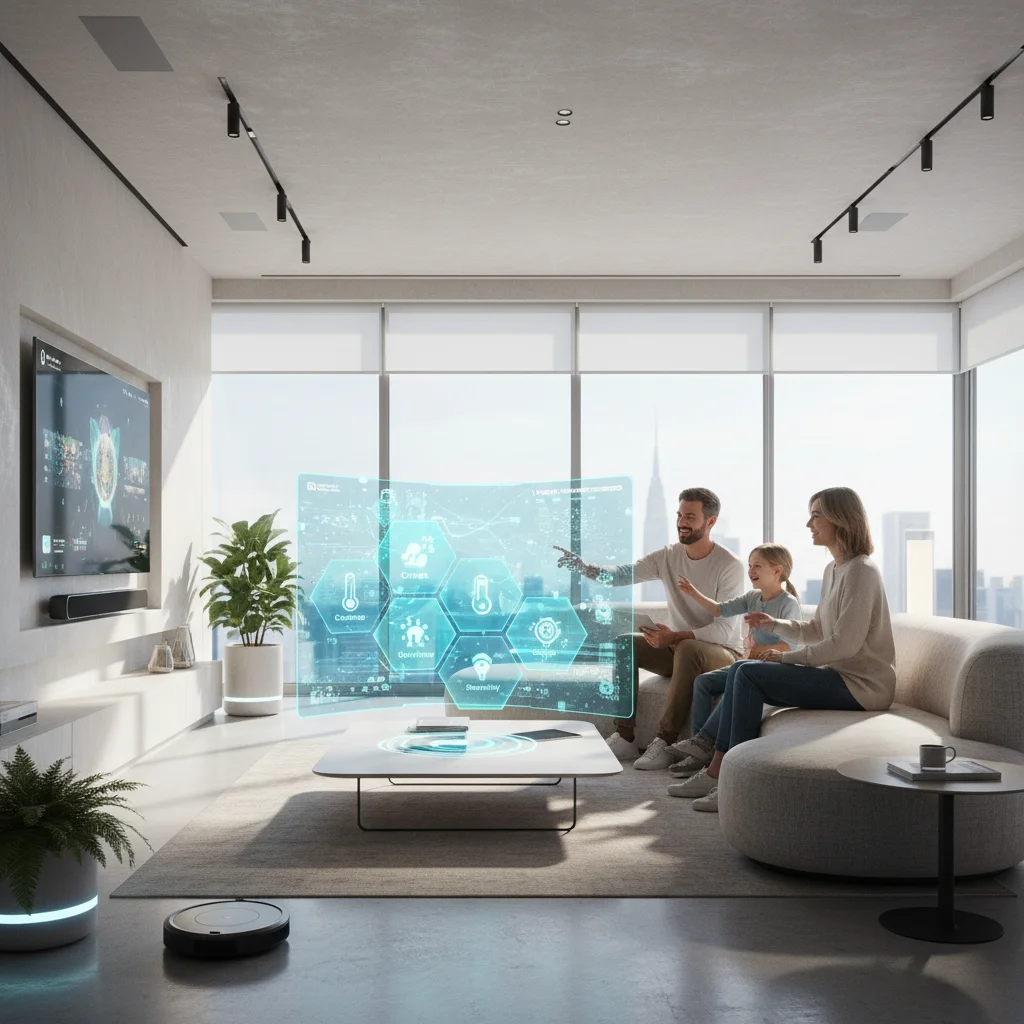
The dawn of 2026 brings with it an unprecedented level of sophistication and interconnectedness within the American smart home. What was once a collection of disparate gadgets is now evolving into a truly integrated ecosystem, where devices communicate fluidly, anticipating our needs and simplifying our lives. The cornerstone of this evolution? The smart home apps that act as the central nervous system, orchestrating every command and ensuring seamless device integration. Without these powerful applications, the true potential of our smart homes would remain untapped. This comprehensive review delves into the 2026 smart home ecosystem, highlighting four essential smart home apps that are setting the standard for connectivity, convenience, and control.
For years, the promise of a truly ‘smart’ home was often hampered by compatibility issues and fragmented control. Homeowners found themselves juggling multiple apps for different devices – one for their lights, another for their thermostat, a third for security cameras, and so on. This created a cumbersome and often frustrating user experience, undermining the very essence of convenience that smart technology aims to deliver. However, as we step into 2026, the landscape has significantly matured. Industry leaders and innovative startups have poured resources into developing robust, intuitive platforms that bridge these gaps, offering a unified interface for a multitude of devices from various manufacturers. The focus has shifted from simply connecting devices to creating intelligent, responsive environments that adapt to our lifestyles.
The selection of the right smart home apps is no longer just about basic functionality; it’s about future-proofing your home, enhancing security, optimizing energy consumption, and ultimately, improving your quality of life. These essential apps are not just remote controls; they are intelligent command centers, capable of complex automation routines, personalized settings, and real-time insights into your home’s performance. They are the gateways to a truly automated and responsive living space, making your home not just smarter, but genuinely intuitive.
The Evolution of Smart Home Apps: A 2026 Perspective
The journey of smart home technology has been marked by rapid innovation. Early smart home apps were often rudimentary, designed to control a single device or a limited range of products from a specific brand. This siloed approach led to what many referred to as ‘smart home fatigue,’ where the effort required to manage multiple systems outweighed the benefits. However, the industry has learned valuable lessons. The push for open standards, interoperability protocols like Matter and Thread, and the increasing computational power of edge devices have paved the way for more sophisticated and inclusive platforms. In 2026, the expectation is no longer just control, but intelligent automation and proactive assistance.
Today’s leading smart home apps are characterized by several key features:
- Universal Compatibility: The ability to connect with a wide array of devices from different manufacturers, transcending brand loyalties.
- Intuitive User Interface: A clean, user-friendly design that makes complex automations simple to set up and manage.
- Advanced Automation: Sophisticated routines triggered by time, location, sensor data, or even AI-driven predictive analytics.
- Voice Control Integration: Seamless integration with popular voice assistants like Amazon Alexa, Google Assistant, and Apple Siri for hands-free operation.
- Remote Access and Monitoring: Full control and visibility of your home from anywhere in the world.
- Data Security and Privacy: Robust measures to protect user data and ensure the privacy of home activities.
- Energy Management: Features that help monitor and optimize energy consumption, leading to cost savings and environmental benefits.
These elements combine to create a truly integrated smart home experience, moving beyond mere convenience to offer significant improvements in safety, efficiency, and comfort. The smart home apps we are about to explore exemplify these advancements, offering a glimpse into the future of connected living.
1. The Unified Hub: "ConnectHome Central"
Leading the charge in 2026 for seamless device integration is "ConnectHome Central." This platform has rapidly become a favorite among American homeowners for its unparalleled compatibility and incredibly intuitive design. ConnectHome Central isn’t just an app; it’s a comprehensive operating system for your smart home, designed to be the single point of control for virtually every smart device imaginable. Its strength lies in its robust support for a diverse range of protocols, including Wi-Fi, Bluetooth, Zigbee, Z-Wave, and crucially, the emerging Matter and Thread standards, ensuring that older devices and cutting-edge innovations can coexist harmoniously.
What sets ConnectHome Central apart is its AI-driven automation engine. Users can create complex routines with remarkable ease, far beyond simple "if this, then that" commands. For instance, the app can learn your daily patterns, adjusting lighting based on natural light levels and your presence, optimizing climate control based on forecasted weather and your preferred comfort zones, and even pre-heating your oven based on your typical dinner preparation times. Its predictive capabilities mean your home often anticipates your needs before you even think of them. The app’s "Adaptive Comfort Mode" analyzes historical data from your thermostat, smart vents, and even smart blinds to maintain optimal temperature and humidity throughout the day, minimizing energy waste without sacrificing comfort.
Security is another paramount feature of ConnectHome Central. It offers a unified security dashboard that integrates smart locks, security cameras, motion sensors, and even smart smoke detectors. Users receive real-time alerts, can view live camera feeds, and remotely lock/unlock doors from anywhere. The app also features a "Vacation Mode" that simulates occupancy by randomly adjusting lights and blinds, deterring potential intruders. Furthermore, ConnectHome Central boasts industry-leading encryption and privacy protocols, giving users peace of mind that their home data is secure.
The user interface is a masterclass in simplicity, despite the underlying complexity. A customizable dashboard allows users to prioritize their most frequently used controls, and a drag-and-drop interface makes setting up new devices or automations a breeze. Voice control integration is seamless, supporting all major smart assistants, allowing for truly hands-free operation. ConnectHome Central also provides detailed energy consumption reports, identifying energy vampires and suggesting ways to reduce your carbon footprint and utility bills. Its commitment to a truly unified and intelligent smart home experience makes it an indispensable tool for 2026.
2. EcoSense Home: The Intelligent Energy Manager
In an era where environmental consciousness and cost savings are increasingly important, "EcoSense Home" emerges as a critical smart home app for 2026. While many apps offer some degree of energy management, EcoSense Home takes it to an entirely new level, making it an essential tool for the environmentally conscious and budget-savvy homeowner. This application specializes in optimizing every aspect of your home’s energy consumption, from heating and cooling to lighting and appliance usage, ensuring your smart home is as green as it is intelligent.
EcoSense Home integrates with smart thermostats, smart plugs, energy monitoring devices, smart lighting systems, and even smart appliances. Its core strength lies in its advanced AI algorithms that learn your energy usage patterns, local utility rates, and weather forecasts. Based on this data, it proactively adjusts settings to minimize energy consumption without compromising comfort. For example, during peak utility hours, it might subtly raise the thermostat by a degree or two, or dim non-essential lights, saving you money without noticeable inconvenience. It can even communicate with your smart washing machine or dishwasher to run cycles during off-peak electricity hours automatically.
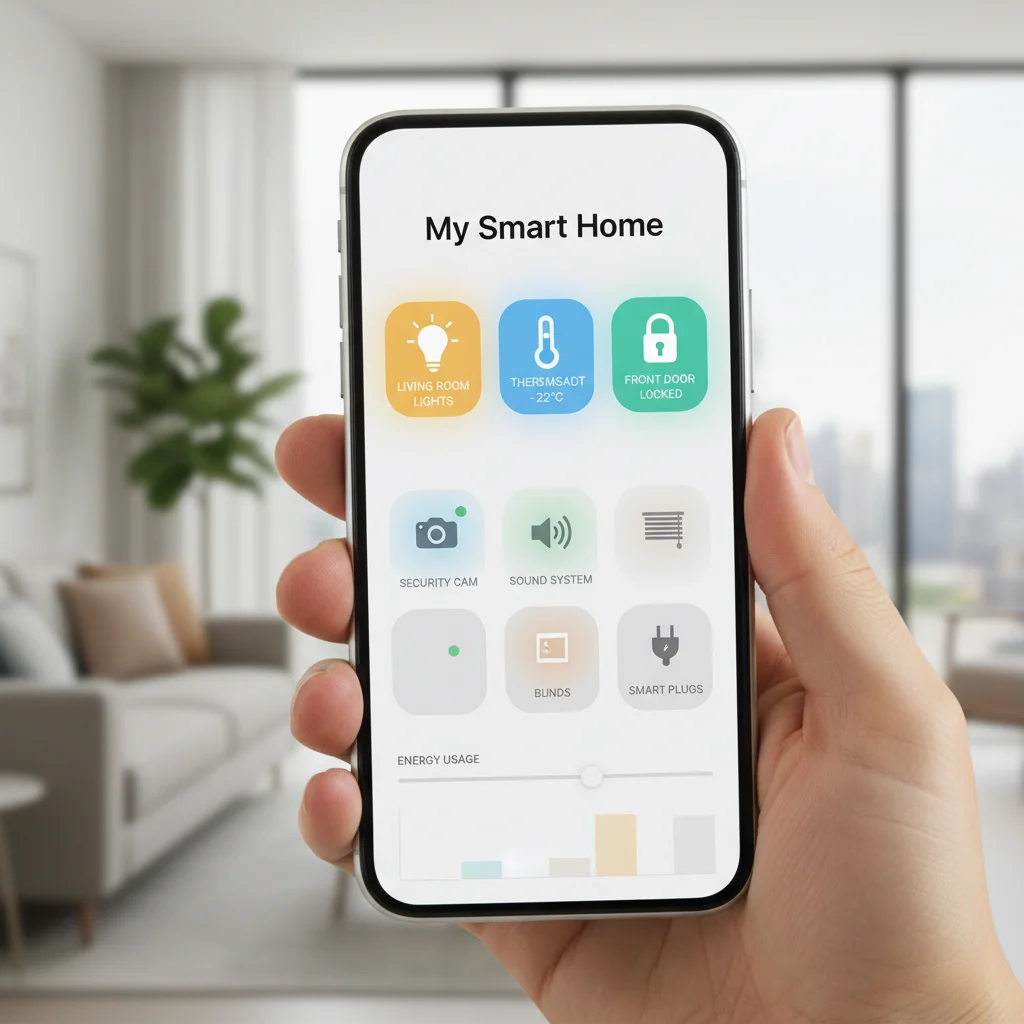
The app provides granular insights into your energy consumption, breaking down usage by device, room, and time of day. Its intuitive dashboards display real-time energy usage, historical data, and projected savings, helping homeowners understand their energy footprint and identify areas for improvement. EcoSense Home also offers personalized recommendations for energy efficiency, such as suggesting insulation upgrades or optimal temperature settings based on your home’s unique characteristics.
Beyond simple optimization, EcoSense Home supports integration with renewable energy sources like solar panels. It can intelligently manage battery storage systems, deciding when to draw power from the grid, when to use stored solar energy, and when to feed excess energy back to the grid, maximizing your self-sufficiency and potential for energy credits. Its "Carbon Footprint Tracker" feature allows users to visualize their environmental impact, fostering a sense of responsibility and encouraging greener habits.
The app’s geofencing capabilities ensure that energy-intensive systems like HVAC are not running unnecessarily when no one is home, automatically adjusting settings as you leave and return. For those with electric vehicles, EcoSense Home can even integrate with smart EV chargers, optimizing charging schedules to coincide with the cheapest electricity rates, further enhancing its appeal as a holistic energy management solution. In 2026, EcoSense Home is not just an app; it’s a commitment to a more sustainable and cost-effective smart home.
3. Guardio Pro: Advanced Home Security & Monitoring
While many smart home apps offer security features, "Guardio Pro" stands out in 2026 as a dedicated, advanced home security and monitoring platform. It’s designed for homeowners who prioritize top-tier protection, intelligent surveillance, and rapid response capabilities. Guardio Pro moves beyond basic alerts, offering a proactive and comprehensive security solution that integrates seamlessly with a wide range of security hardware.
Guardio Pro’s strength lies in its sophisticated AI-powered analytics. It connects to smart cameras, doorbell cameras, motion sensors, window/door sensors, glass break detectors, and even smart smoke/CO detectors. Unlike generic security features, Guardio Pro’s AI can differentiate between pets, known individuals, and potential intruders, significantly reducing false alarms. Its facial recognition technology can identify family members and frequent visitors, triggering specific automations like disarming the system or unlocking a smart door upon recognition.
The app offers crystal-clear live streaming from multiple cameras, with advanced features like 2-way audio, pan/tilt/zoom control, and infrared night vision. Cloud storage for video recordings is robust, offering customizable retention periods and secure access. Guardio Pro’s "Anomaly Detection" feature learns the normal patterns of your home and alerts you to any unusual activity, such as a door being left ajar for too long or a light turning on in an unexpected sequence. It can even detect package deliveries and loitering, sending immediate notifications to your smartphone.
Crucially, Guardio Pro offers professional monitoring integration. For a subscription fee, users can connect their system to a 24/7 monitoring center, ensuring that emergency services are dispatched immediately in case of a confirmed threat. The app also provides a "Panic Button" feature for instant distress signaling. Its "Safe Zone" and "Restricted Zone" functionalities allow users to define specific areas within their home that trigger different levels of alerts, offering tailored security for sensitive areas like safes or children’s rooms.
The user interface is designed for rapid response, with a clear status overview of all security devices. Arming and disarming the system can be done with a single tap, via voice command, or through geofencing. Guardio Pro also offers "Smart Siren" integration, allowing for customizable siren sounds and light flashes to deter intruders. In 2026, for homeowners seeking peace of mind through advanced, intelligent security, Guardio Pro is the definitive choice among smart home apps.
4. AuraSound Hub: The Ultimate Entertainment & Ambiance Controller
As smart homes evolve, so too does our desire for personalized, immersive experiences. "AuraSound Hub" enters the 2026 smart home ecosystem as the premier app for controlling and synchronizing all aspects of home entertainment and ambiance. It transforms your living space into a dynamic environment, perfectly tailored to your mood, activity, or event. AuraSound Hub is more than just a music controller; it’s an orchestrator of sensory experiences.
This app excels at seamless integration with a vast array of audio-visual equipment: smart speakers, soundbars, multi-room audio systems, smart TVs, projectors, and even smart lighting systems that can change color and intensity. Its core feature is the ability to create "Ambiance Scenes" that combine specific music playlists, lighting configurations, and even climate settings. Imagine a "Movie Night" scene that dims the lights, closes the smart blinds, turns on your home theater system, and adjusts the thermostat to a cozy temperature, all with a single command.
AuraSound Hub offers advanced multi-room audio control, allowing you to play different music in various rooms or synchronize a single playlist throughout your entire home for parties. It integrates with all major streaming services (Spotify, Apple Music, Tidal, etc.) and even local media servers, providing a centralized library for all your audio content. Its "Adaptive Sound" feature uses room acoustics analysis to optimize audio output, ensuring perfect sound quality no matter where you are in the room.
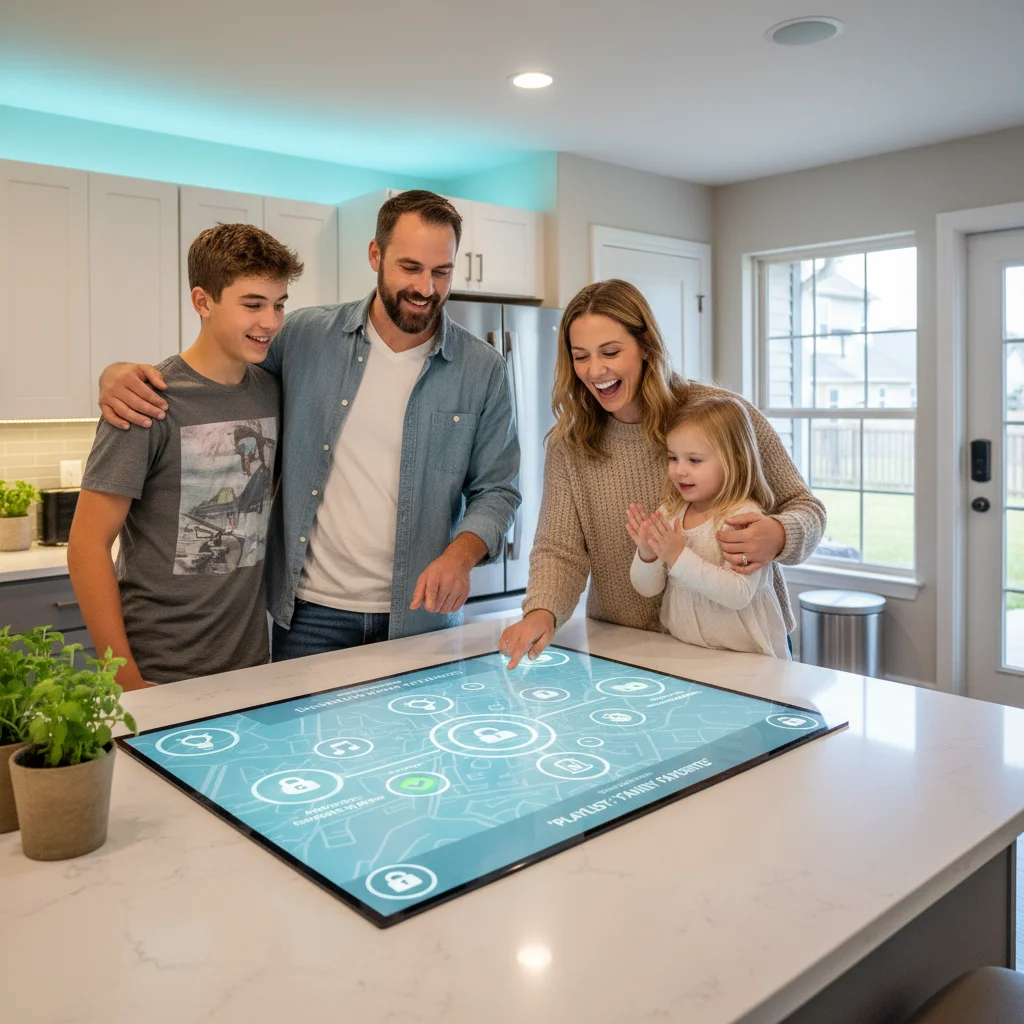
Beyond audio, AuraSound Hub’s integration with smart lighting is particularly impressive. It allows for dynamic lighting sequences that can pulsate with music, mimic natural light cycles, or create custom color schemes for holidays or special occasions. Its "Wellness Lighting" feature adjusts color temperature throughout the day to support circadian rhythms, promoting better sleep and increased energy levels. For those who enjoy immersive gaming or cinematic experiences, the app can synchronize ambient lighting with on-screen content, extending the visual experience beyond the TV frame.
The app’s interface is visually rich and highly customizable, allowing users to create personalized dashboards for quick access to their favorite scenes and controls. Voice command integration is robust, making it easy to change music, adjust volume, or activate an ambiance scene hands-free. AuraSound Hub also includes a "Guest Mode" that provides limited access to entertainment controls without compromising your main settings or security. For the ultimate in personalized home entertainment and environmental control, AuraSound Hub is an essential addition to any 2026 smart home.
Choosing the Right Smart Home Apps for Your Ecosystem
Navigating the burgeoning market of smart home apps in 2026 can seem daunting, but by focusing on your specific needs and priorities, you can build a highly efficient and enjoyable smart home ecosystem. When evaluating these essential smart home apps, consider the following factors:
- Your Existing Devices: Does the app offer broad compatibility with your current smart devices? Look for support for Matter, Thread, and other common protocols.
- Primary Use Case: Are you primarily interested in security, energy savings, entertainment, or overall home automation? Choose an app that excels in your priority area.
- Ease of Use: Is the interface intuitive and easy to navigate for all members of your household? Complexity can quickly lead to frustration.
- Automation Capabilities: How sophisticated are the automation features? Can you create complex routines that truly enhance your lifestyle?
- Data Security and Privacy: Research the app’s commitment to protecting your data. This is especially crucial for security and camera-related applications.
- Scalability: Can the app grow with your smart home? Will it support future devices and technologies you plan to adopt?
- Customer Support and Community: Good support can be invaluable when troubleshooting or learning new features.
- Subscription Models: Be aware of any recurring costs for premium features, cloud storage, or professional monitoring.
While the four apps reviewed here – ConnectHome Central, EcoSense Home, Guardio Pro, and AuraSound Hub – represent the pinnacle of smart home app development in 2026, the ideal setup for your American home might involve a combination of these or others. Many homeowners find success by using a primary hub app like ConnectHome Central for overall control, while leveraging specialized apps like EcoSense Home or Guardio Pro for more granular control over specific domains like energy or security.
The Future is Integrated: The 2026 Smart Home Ecosystem
The vision of a truly intelligent, responsive, and seamless smart home is no longer a distant dream; it’s a tangible reality in 2026, largely thanks to the sophistication of modern smart home apps. These platforms are the unsung heroes of home automation, transforming individual devices into a cohesive, interconnected ecosystem that anticipates needs, enhances comfort, and provides unparalleled peace of mind. The era of fragmented control is fading, replaced by a future where your home genuinely works for you, intuitively and efficiently.
As technology continues to advance, we can expect even greater levels of AI integration, predictive analytics, and personalized experiences from these smart home apps. The focus will increasingly shift towards proactive intelligence, where your home not only responds to your commands but also learns your preferences and makes autonomous decisions to optimize your living environment. Imagine a home that adjusts lighting, temperature, and even music based on your biometric data, stress levels, or even what you’re watching on TV. These are not far-fetched concepts, but rather the logical progression of the smart home ecosystem.
Ultimately, the key to unlocking the full potential of your smart home in 2026 lies in selecting the right smart home apps. By choosing platforms that prioritize seamless device integration, intuitive control, robust security, and intelligent automation, you’re not just investing in technology; you’re investing in a smarter, more comfortable, and more efficient way of life. Embrace the power of these essential apps, and transform your American home into the intelligent sanctuary of the future. The smart home revolution is here, and these apps are leading the way.